Count usable days, not hotel nights
Two days in Hakodate work best as two movable sightseeing blocks: the Bay Area and Motomachi on one day, and Goryokaku on the other. Keep the mountain visit conditional on visibility and transport. This is a suggested city itinerary, not a timed tour or a promise that every attraction fits.
Start with your actual arrival and departure. Two nights can leave only one full day if you arrive late and leave early. In that case, choose the district that matters most and treat the mountain as an option. Avoid booking an extra excursion simply because the calendar shows a second date. For a genuine two-day visit, leave an unscheduled margin for meals, luggage collection and the trip back to your departure point.
Day one: keep the Bay Area and Motomachi together
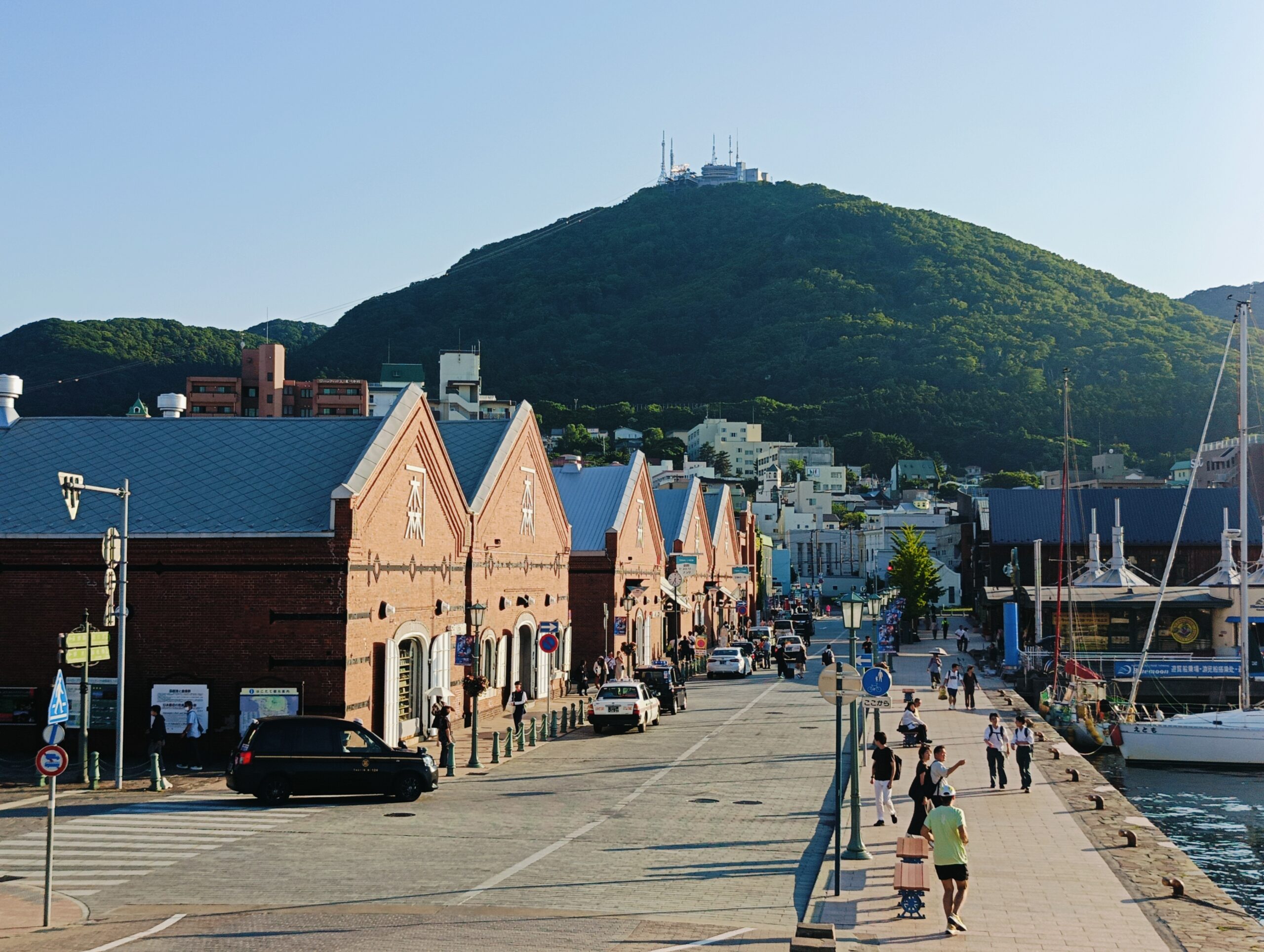
Use the first sightseeing block for the Bay Area and Motomachi. Choose a few streets and stops you actually want to explore rather than trying to check off every pin. Hakodate's official transport guide identifies both districts, the station and Goryokaku among the places served by the tram network; that does not remove the walking between stops and attractions.
Keep luggage out of the sightseeing route if you can arrange storage. Before choosing a walking route, inspect its gradients and the weather, especially if anyone in your group needs a gentler approach. A winter traveler described the sloping walk from the warehouse area toward the ropeway entrance and chose a bus for the return. That personal account is useful for thinking about effort, not for predicting pavement conditions on your date.
Choose lunch and a place to pause within this block. If the weather deteriorates, shorten the outdoor circuit rather than adding a distant district to compensate. Check any indoor stop's opening day before making it the fallback.
Treat Mount Hakodate as a separate decision
Before heading toward the mountain, check both the view and the available way up and down. A short ride is not the same as a short outing once approach, queues and the return journey are included. Do not make a prepaid dinner or your final departure depend on an exact descent time.
The ropeway operator announces an inspection closure from October 20 through November 8, 2026. Separately, the city's official guide lists the winter mountain-road closure from November 9, with dates subject to conditions. These are different restrictions: neither a bus nor a taxi should be assumed to replace the ropeway year-round. Recheck current transport notices for your travel date and confirm how you will return before setting out.
If conditions are unsuitable, use the evening for dinner and reconsider the mountain on the other day if your stay allows. Do not turn a canceled ride into an improvised night hike. A flexible evening is more useful than treating one specific sunset as a guaranteed appointment.
Day two: give Goryokaku its own block
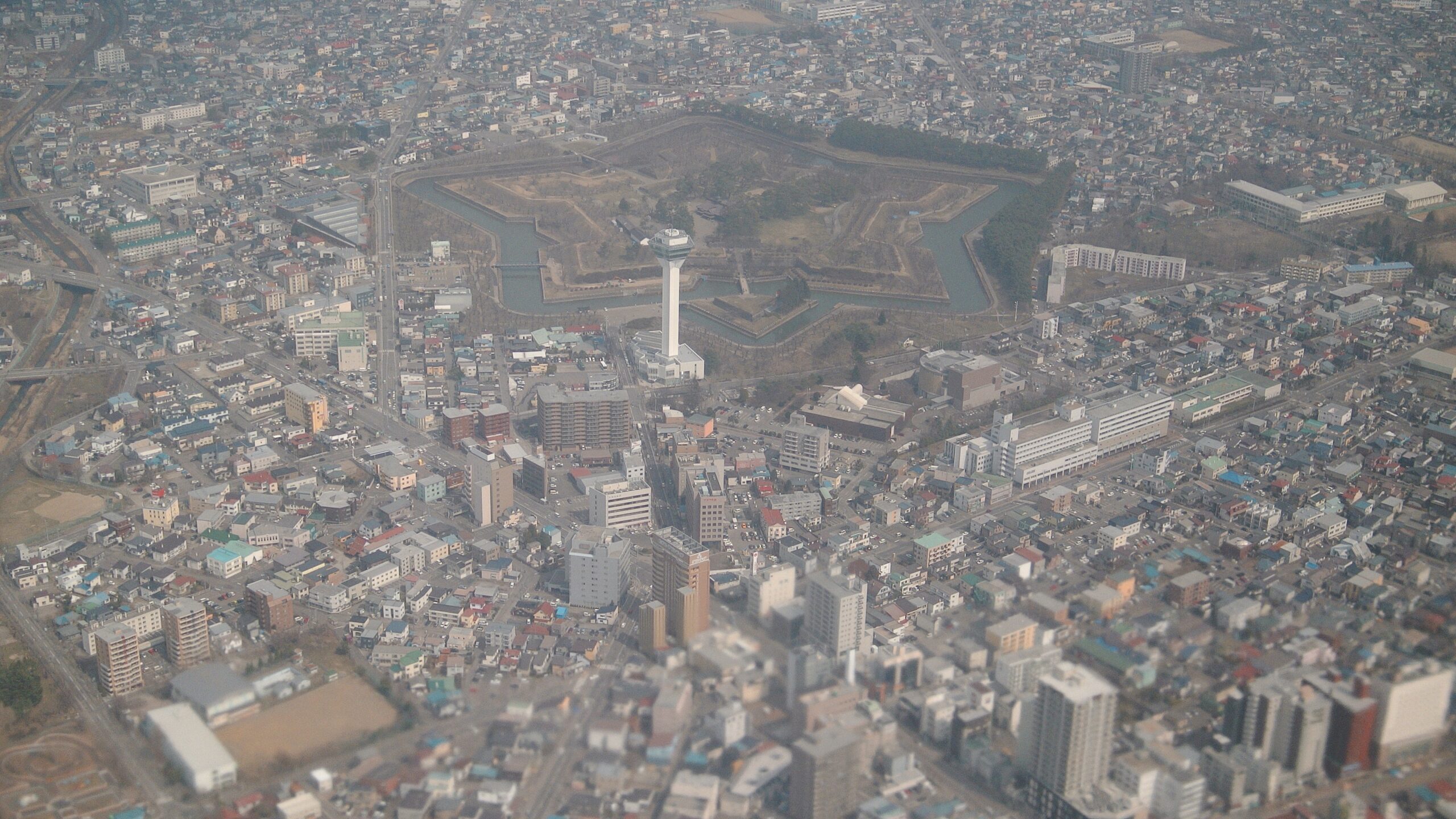
Plan Goryokaku as a deliberate outing rather than a spare stop before leaving town. The tower operator describes a tram journey from Hakodate Station followed by about ten minutes on foot. Its access page treats JR Goryokaku Station separately; selecting that station solely because its name resembles the attraction is not a complete route plan.
Decide whether you want the elevated view, time in the park, or both. The tower provides a view of the fort's shape, while walking gives a different experience at ground level. Allow enough time to do the part you value without rushing back across town for luggage.
At the October 21, 2026 check, the tower listed 9 a.m. to 6 p.m. opening, with last admission at 5:50 p.m. Its lockers are usable only during tower opening hours, and belongings cannot be collected after closing. Those conditions matter if you plan to leave bags while walking nearby. Check dimensions, availability and current hours rather than assuming a suitcase will fit or a locker will be free.
What actual trips reveal about the pace
Two firsthand accounts point to different uses of a short stay. A February 2023 traveler arrived in the afternoon, visited the mountain and left relatively early the next day. That shows a focused stop can be satisfying; it does not demonstrate that a full city itinerary fits around the same transfers. The account also mislabels its Sapporo train, so we do not use its service name or journey time as transport advice.
In a separate planning thread, the original poster later reported their completed trip. They moved the warehouses and museum to another day and dropped Onuma because activities took longer than expected. Their view of the stay changed from wondering whether three nights were too many to appreciating the extra time.
These are individual, historical reports, not a survey or a universal minimum stay. Our practical inference is to separate a city visit from an optional excursion. Finish the two city blocks first. Add a longer hike or Onuma only by removing something else or adding usable time, not by shrinking every meal and transfer.
Buy around the route you will actually use
Count your planned tram rides before buying a pass. Hakodate's official guide distinguishes a calendar-day tram pass from a digital pass valid for 24 hours after first use. A two-date visit does not automatically require two day passes, and a pass is not automatically cheaper for a mostly walking day. Compare current prices and validity against your actual rides.
For paid attractions, check the operator's own admission and cancellation conditions before committing. Choose lodging around your arrival and evening needs, then compare the complete room plan rather than changing hotels to chase every sightseeing district. This itinerary supplies planning decisions; it does not include a package, reserved transport or guaranteed admission.
If you prefer historical context and help choosing stops, compare a licensed-guide walking tour with doing this itinerary independently. The Viator listing checked for this guide offers a four- or six-hour option with a chosen set of sights, rather than every place on its list. Transport, admission, lunch and a private vehicle are excluded from the displayed standard inclusions. A guide can help organize the route, but does not remove weather restrictions or make a closed ropeway available. Confirm the duration you select, meeting point, accessibility, total extra costs and cancellation conditions before booking. Use the guided outing in place of part of a city block, rather than adding it on top of two already-full sightseeing days. Choose the independent route if you mainly want to wander, pause freely and keep your spending flexible.
Research-based guide prepared by JAPANOVA. Traveler accounts are individual self-reports; comparisons are editorial analysis.
Facility and shop information
- Goryokaku Tower Corporation — checked 2026-10-20
- Goryokaku Tower Corporation — checked 2026-10-20
- Mt. Hakodate Ropeway Corporation — checked 2026-10-20