Choose what you want from the shrine visit
Two days in Ise can give Geku and Naiku separate, unhurried visits rather than turn them into two stops before another long journey. This suggested plan puts Geku on the arrival day and Naiku on the following morning, with a meal and browsing afterward if you want them. It is a choice about attention, not a requirement to spend two days or collect every shrine on a list.
Ise Jingu’s own introduction identifies Naiku with Amaterasu-Omikami and Geku with Toyo’uke-no-Omikami. The two precincts are places of worship, not museum interiors to tour freely. The administration explicitly says visitors cannot enter the main palace courtyards. Set your expectations around the approach, the setting and respectful worship rather than an unrestricted view of the innermost buildings.
Understand the order without making it a deadline
The shrine’s FAQ says there is no fixed rule requiring a particular order, while Geku before Naiku is the longstanding custom. Following that order can give this itinerary a clear shape. It should not become a reason to rush through Geku after a late train simply to keep a self-imposed schedule.
If you arrive too late for a worthwhile visit, settle in and reconsider the next day. The useful question is how much time you have before closing, including the walk back out and the next journey. An entrance time is not the end of the visit, and an early start is only useful if your transport and your group are ready for it.
Day one: give Geku a complete visit
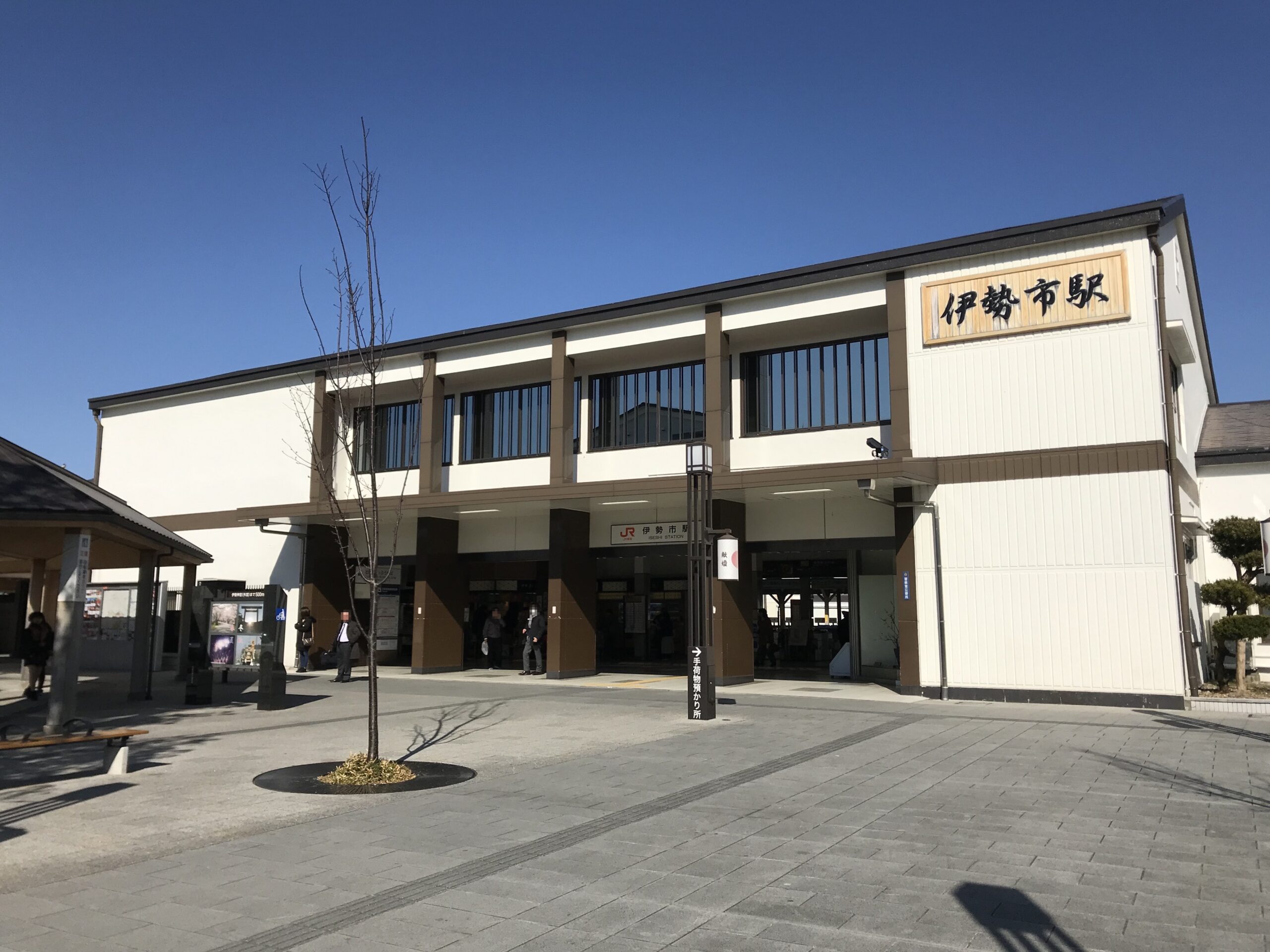
The official model routes offer 30-minute and 60-minute Geku courses. They are suggestions for exploring the precinct, not total time from your hotel or a guaranteed pace for everyone. The route page also notes that prayer ceremonies take additional time and that some places may be inaccessible according to circumstances.
Choose a shorter route if you want the principal visit without filling the arrival afternoon. Choose a more detailed route if the setting and additional stops interest you. Leave time to read the signs and find the exit rather than treating the published course duration as an appointment you must beat.
Keep food and rest outside that calculation. A meal after the visit is more comfortable when you have checked an actual restaurant’s opening arrangements, particularly after a late arrival. Do not assume a shrine’s opening hours tell you when nearby businesses will serve dinner.
Day two: plan Naiku and the journey afterward
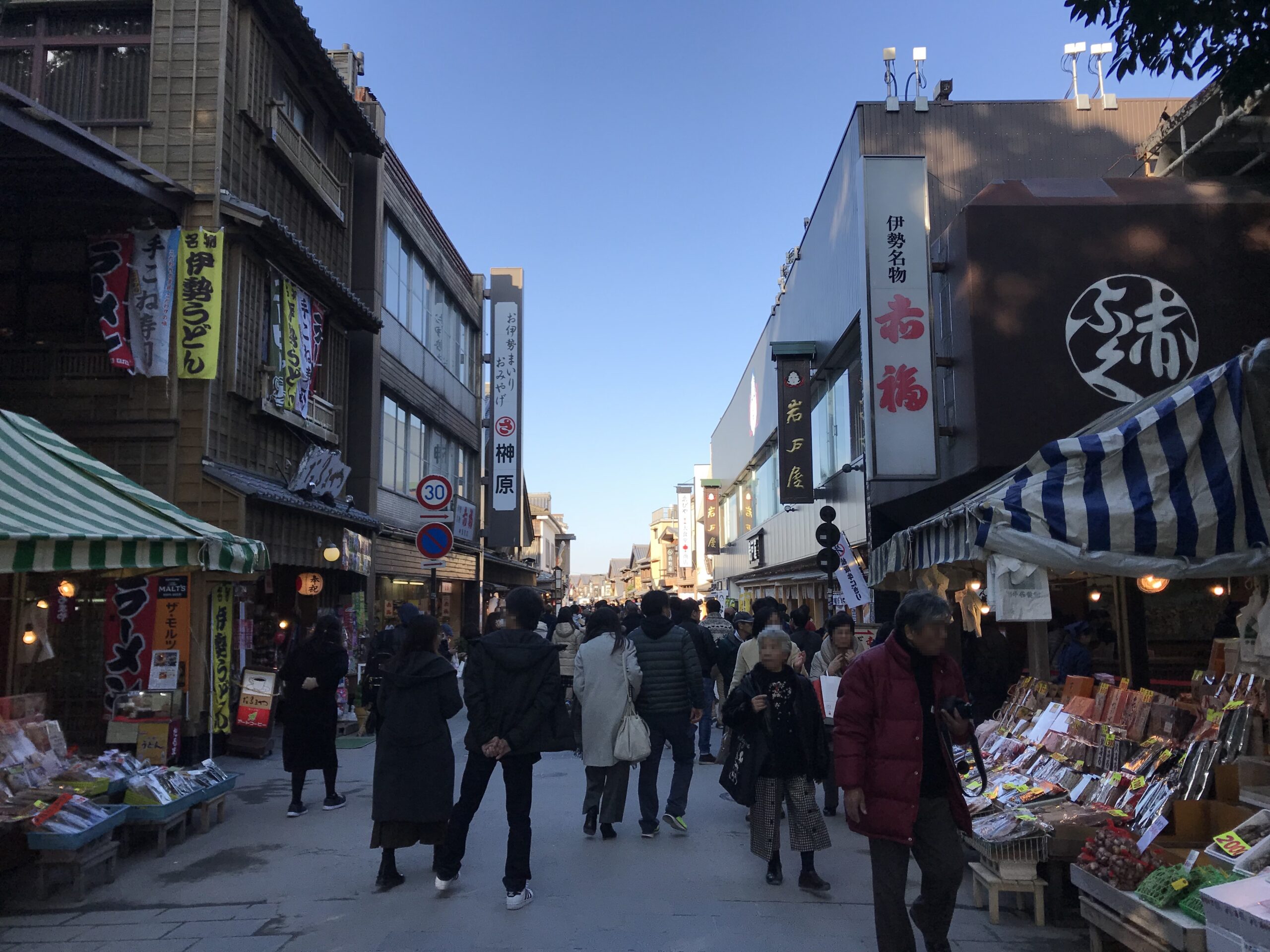
For Naiku, the administration’s route overview offers 60-minute and 90-minute model courses. Ujibashi crosses the Isuzugawa at the entrance. Crossing the bridge is the beginning of the visit, not evidence that you have already reached the main worship area. Give the approach its own time and choose a route suited to your group.
Geku and Naiku have separate addresses, and the shrine’s access page links local bus information between them. Confirm the current route from wherever you actually start the morning, then plan the return to collect luggage or board your next train. Avoid substituting a traveler’s old bus duration for the current timetable.
After Naiku, decide whether you want a meal, shopping or an immediate return. A modest choice is easier to enjoy than an automatic extension to several coastal stops. If you buy fragile souvenirs, think about carrying them before adding more walking. Keep the departure margin visible even when the browsing is enjoyable.
Match the time to the purpose
At our October 21, 2026 check, the official visitor page listed October through December visiting hours as 5 a.m. to 5 p.m. Other seasons have later closing times, and New Year arrangements can change. Recheck the current notices rather than copying a summer itinerary into a winter trip.
The FAQ lists amulet and goshuin distribution from 6 a.m., ending at 5 p.m. in October through December. Thus a 5 a.m. visit is not the same as being able to receive a goshuin immediately. If that matters to you, arrange the morning around the relevant service rather than only the opening of the grounds.
Follow the shrine’s requested walking sides: left at Geku and right at Naiku. Observe posted photography restrictions and avoid obstructing worshippers. The official manners page describes two bows, two claps and a final bow for worship. If you are unsure what to do, take time to read the guidance rather than treating the visit as a performance for a photograph.
What two actual journeys add
In an April 2024 account, a traveler describes visiting Geku after arriving in heavy rain, then taking a bus to Naiku on a later morning and browsing afterward. The writer valued the atmosphere and the slower separation of the visits. This is a personal experience, not a promise that rain improves every visit or that every shop will be open.
A separate 2024 road-trip account describes changing plans after encountering construction on the way to a mountain outing. The travelers went instead to Ise, visited both Geku and Naiku, and continued toward the coast. Their day shows that a shorter combined visit can suit a particular route. It does not establish that someone using buses can reproduce the same sequence or should add every stop they made.
Both accounts made room for the shrines, but one spread the experience across a stay while the other adapted a driving day. Our recommendation is to choose the pace first. If you want time to absorb the setting and browse afterward, splitting the visits can help. If you have a focused shrine interest and workable connections, two days may be more than you need.
Keep the plan respectful and practical
Before booking anything, settle the visit dates, the approach to each precinct and your departure constraint. Discuss walking and access needs with the facility when necessary, rather than assuming every official model route suits every visitor. Choose any paid guide or ceremony only after checking what it includes.
This itinerary does not require a special package or a different hotel each night. It asks you to protect the part of Ise you came to experience. Leave enough room to follow the site’s guidance, pause when you want to, and finish without turning the final shrine approach into a race for a train.
If interpretation and help coordinating a shorter visit matter more than spreading the shrines across two days, an optional private guide is another approach. The Viator listing checked for this article offers four- or six-hour guided outings, with two or three chosen sites in four hours or three or four in six. Geku and Ise Jingu appear among the possible stops; agree on the actual route before booking rather than assuming every listed attraction is included. The service includes a licensed English-speaking guide and an on-foot meeting within the designated Ise area. Transport, admission, lunch and personal expenses are extra, and private transportation is not included. A guide booking does not provide special access to restricted shrine areas or a prayer ceremony. Discuss walking pace, meeting location and extra costs in advance. Independent visits suit travelers who want to pause and browse freely; guided interpretation may suit those who prefer help understanding the setting. Use the guided outing in place of part of this itinerary, rather than adding it to an already full two days.
Research-based guide prepared by JAPANOVA. Traveler accounts are individual self-reports; comparisons are editorial analysis.
Facility and shop information
- Jingushicho — checked 2026-10-20
- Jingushicho — checked 2026-10-20
- Jingushicho — checked 2026-10-20
- Jingushicho — checked 2026-10-20
- Jingushicho — checked 2026-10-20
- Jingushicho — checked 2026-10-20
- Jingushicho — checked 2026-10-20