Give the second day a purpose
For two days in Aomori, build one block around the station and Nebuta Museum WA RASSE, and another around the Sannai Maruyama Site. This is a suggested cultural itinerary for travelers who want time to look and learn, rather than a checklist spanning the whole prefecture. It is not a booked tour or a claim that every visitor needs two full days.
Start by identifying the experience you would regret rushing. If you mainly want to see the nebuta floats and spend time near the station, a shorter stop may suit you. If you want an archaeological site visit as well, give it a separate block with transport planned in both directions. Add distant excursions only by replacing something, not by assuming the city stops take no time.
First block: see the floats near Aomori Station
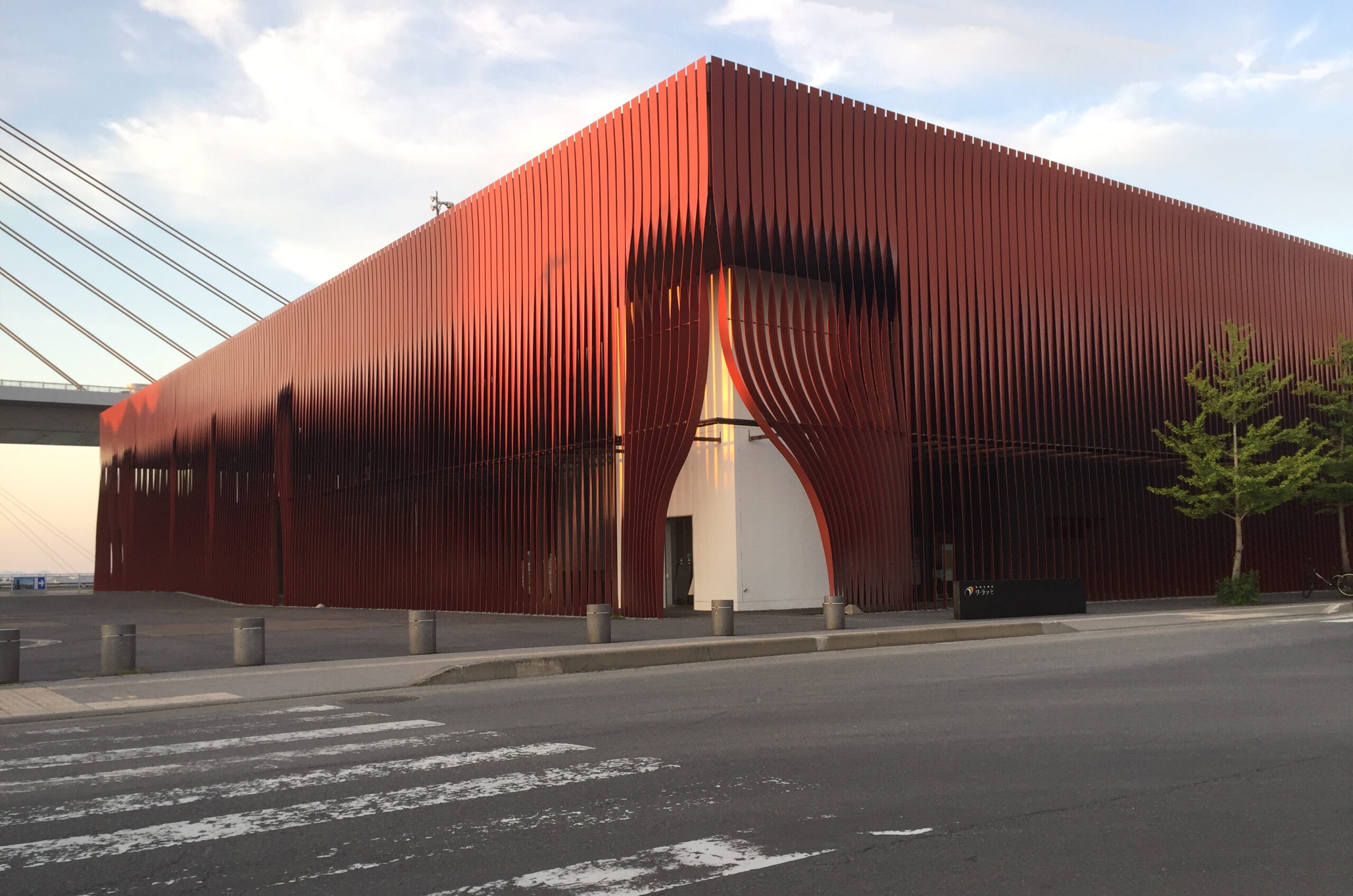
WA RASSE introduces the Aomori Nebuta Festival through full-sized floats and displays about their creation and history. Its official English guide places it a short walk from Aomori Station. A museum visit offers access to the craft outside the festival itself; do not mistake it for attending the live street event.
Use the museum as the anchor for an arrival-day plan, then leave room for a meal and a walk according to the weather. At the October 21, 2026 check, the museum’s seasonal notice listed September through April hours of 9 a.m. to 6 p.m., with last admission at 5:30 p.m. Arriving at the door just before closing is not the same as having a worthwhile visit. Check the current calendar before setting out.
The museum, restaurant and shop have different operating hours. If lunch matters to the plan, check the restaurant separately rather than expecting it to stay open as late as the exhibits. Keep your first day modest if it follows a long journey.
Second block: choose the kind of Jomon visit you want
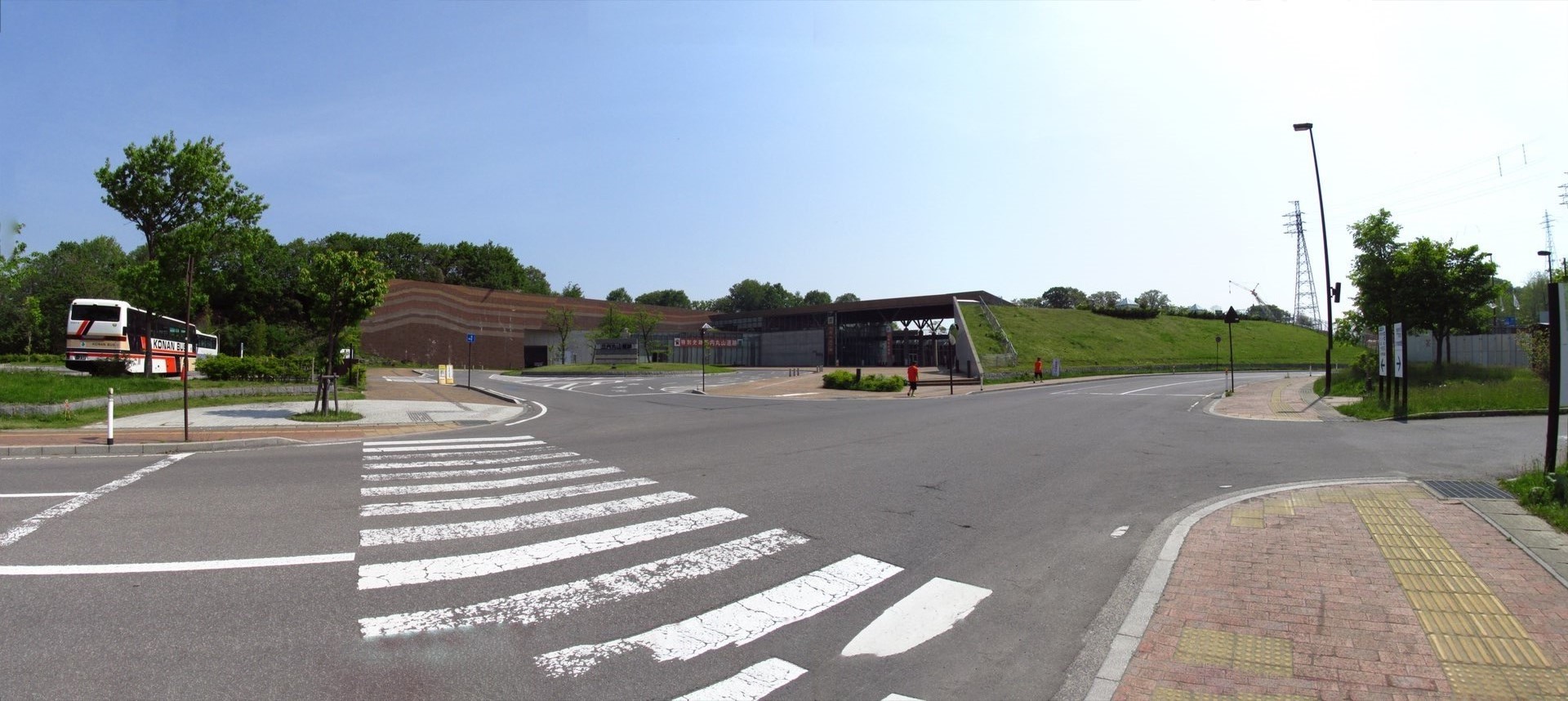
Sannai Maruyama combines an archaeological site with museum interpretation. The official material distinguishes excavated remains from reconstructed buildings. Look for that distinction as you explore: a reconstruction helps explain a possible building form, but it is not an intact ancient structure.
The operator offers suggested routes ranging from a 30-minute quick visit to a 90-minute standard route and a three-hour relaxed option. These are on-site suggestions, not total journeys from your hotel, and they are not promises that every workshop or guided departure will fit your arrival. Choose the route before adding another attraction. Someone interested in the museum objects may use time differently from someone who wants to examine the outdoor reconstructions.
Plan the outward and return transport before leaving town. Check the current bus timetable or arrange a suitable alternative; do not assume a taxi will be waiting when you finish. Include meals and the return to collect luggage in the same plan. If you add another museum, protect its actual admission window instead of relying on a quick walk on a map.
Use closure days to choose the order
The Sannai Maruyama visitor information lists a regular closure on the fourth Monday of the month, moving to the following day when that Monday is a holiday, as well as closure from December 30 to January 1 and additional internal maintenance days. Consult the facility’s monthly calendar and check your dates first and swap the two blocks when necessary. A museum-heavy plan is only useful when the museums are open.
The site includes outdoor areas as well as indoor interpretation, so it is not an entirely indoor substitute for a wet day. Choose the amount of outdoor walking to match conditions and your group. Ask the facility about the route if access needs are important; do not infer that a route suitable in dry weather will be equally comfortable in snow.
At our October 21, 2026 check, the operator’s Japanese visitor guide listed general admission at JPY 500 for the permanent exhibition, including the archaeological site. Special exhibitions have separate charges. Check the current admission conditions before visiting, especially if you plan to see an additional exhibition.
Two trips suggest different limits
One traveler’s 2025 report describes a two-night stay with a station-area museum visit, followed by a much fuller day including Hirosaki, Sannai Maruyama and the art museum. They reported losing time finding the walking route between the latter two and difficulty finding a taxi after the museum closed. That is a reason to plan the return, not evidence that taxis are always unavailable.
A separate 2022 account found central Aomori compact and enjoyed a relaxed first evening visiting the nebuta museum and A-Factory. That writer felt the central stop could be a day trip. Their judgment concerns what they chose to do; it does not establish the time required for a detailed archaeological visit.
The two accounts support different trip shapes rather than one universal length of stay. Our inference is to keep the station-area experience compact and make the second day earn its place through a specific interest. Historical personal reports are not current transport schedules, and neither supplies a guaranteed sightseeing duration.
Decide before adding another excursion
Before committing to an extra stop, write down what you will remove if the first visit runs long. A clear tradeoff is more useful than a plan that depends on every transfer being immediate. Reserve time for food, resting and collecting bags, especially on a departure day.
Use the facility pages to check admission conditions and the experience you actually want. This route does not require a new hotel for each block or a paid package. Choose one realistic base and only buy additional transport or experiences when they solve a specific part of your plan. The aim is to leave understanding what you saw, not merely having reached another entrance.
If you want help interpreting the cultural stops, compare a licensed-guide outing with following these blocks independently. The Viator listing checked for this guide describes an approximately six-hour private walking tour with three or four chosen sights; WA RASSE and Sannai Maruyama appear among its options. These are choices to agree with the guide, not a promise that every listed stop is included. The displayed exclusions include transport, entry fees, lunch and private transportation, and the tour does not visit Hirosaki. Confirm the actual route, meeting point, access needs, extra costs and current cancellation conditions before booking. Use it to replace a city sightseeing block rather than adding it to an already full day. Independent visits give you more control over pauses and time inside each museum; paid guidance is most useful when interpretation and coordination matter more to you than that freedom.
Research-based guide prepared by JAPANOVA. Traveler accounts are individual self-reports; comparisons are editorial analysis.
Facility and shop information
- Nebuta Museum WA RASSE — checked 2026-10-20
- Nebuta Museum WA RASSE — checked 2026-10-20
- Sannai Maruyama Jomon Culture Center — checked 2026-10-20
- Sannai Maruyama Jomon Culture Center — checked 2026-10-20
- Sannai Maruyama Jomon Culture Center — checked 2026-10-20