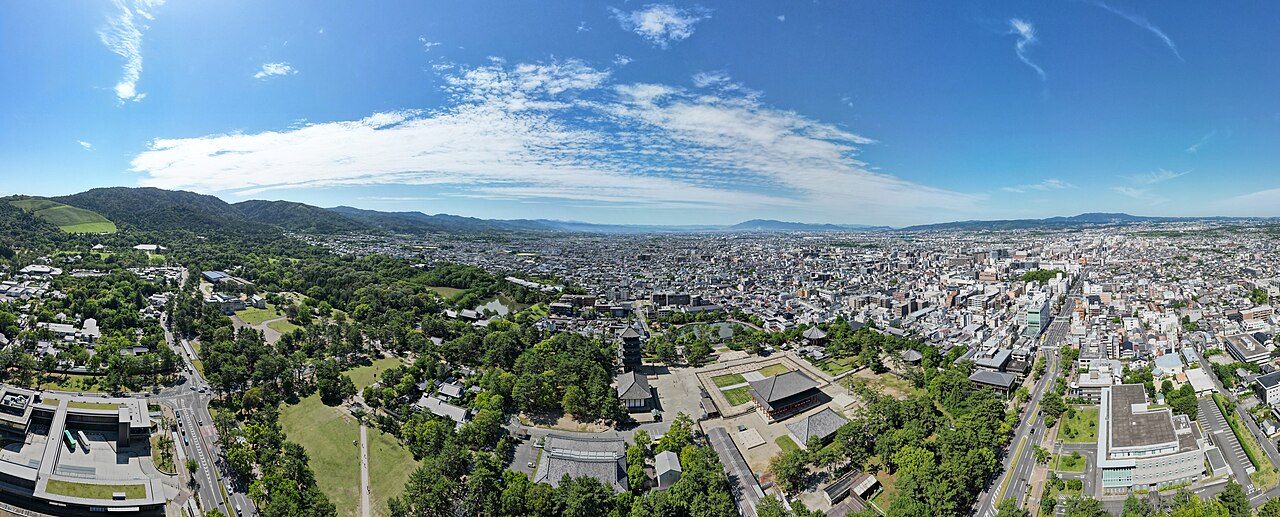
For a first Tokyo-and-Nikko trip, decide which Nikko experience you mean before reserving rooms. A heritage-focused excursion and a plan extending into mountain scenery put different demands on daylight and local transport. Our default is to narrow a day trip; compare an overnight when both are priorities.
Choose the Nikko scope before the Tokyo hotel
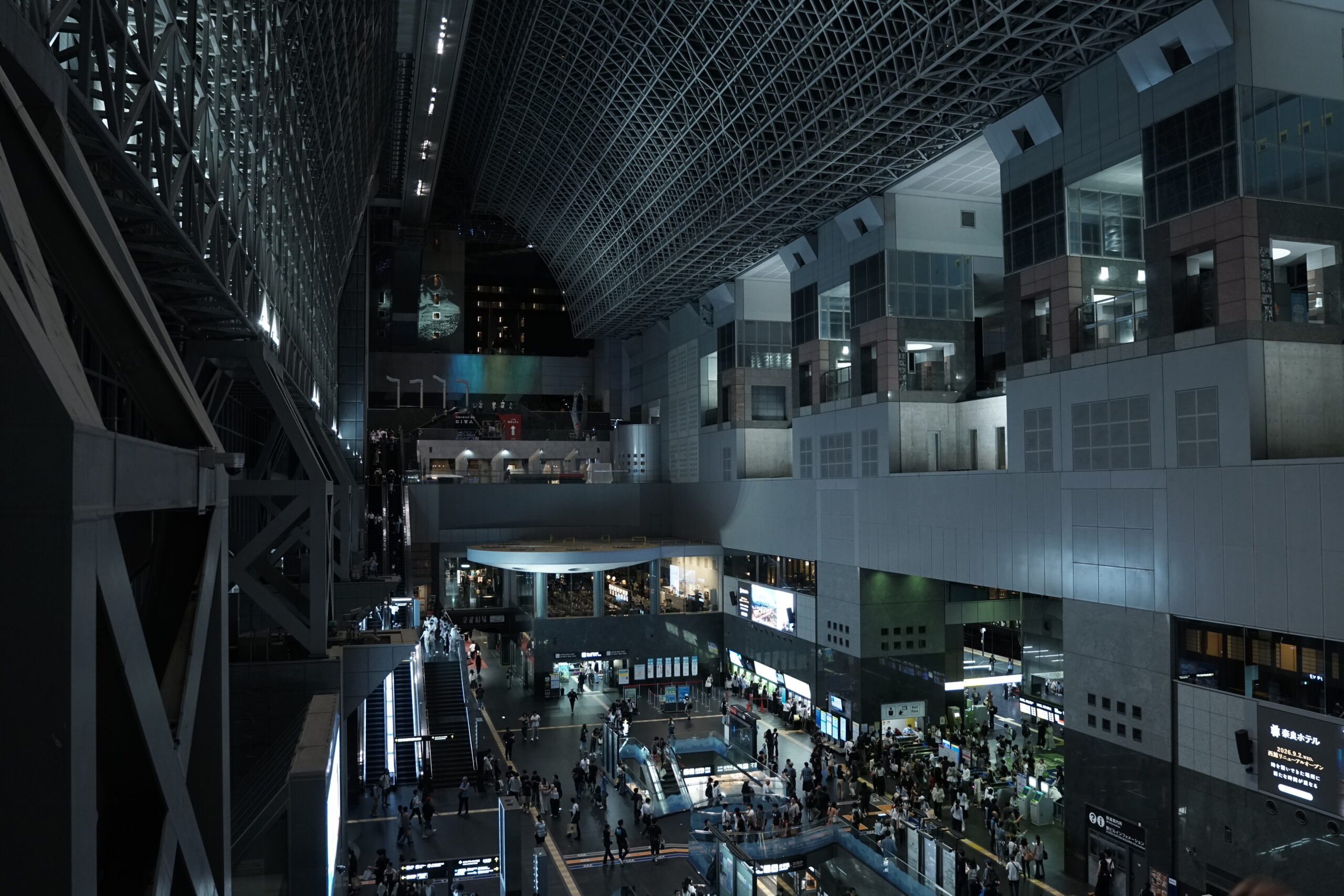
Nikko’s official access guide presents a Tobu approach from Asakusa and a JR alternative through Utsunomiya. Choose the actual approach, then compare the hotel-to-departure-station journey. A hotel that is convenient for one railway departure need not be convenient for another. Test airport travel and ordinary Tokyo days as well as the excursion.
For a heritage-focused day, identify the essential visit, the local approach from the station and the return you need. For a wider mountain plan, check the outward and return buses independently; the local guide notes less frequent services on more distant routes. Do not add a waterfall or marshland walk just because it appears on the same regional map.
Why traveler reports disagree about Nikko
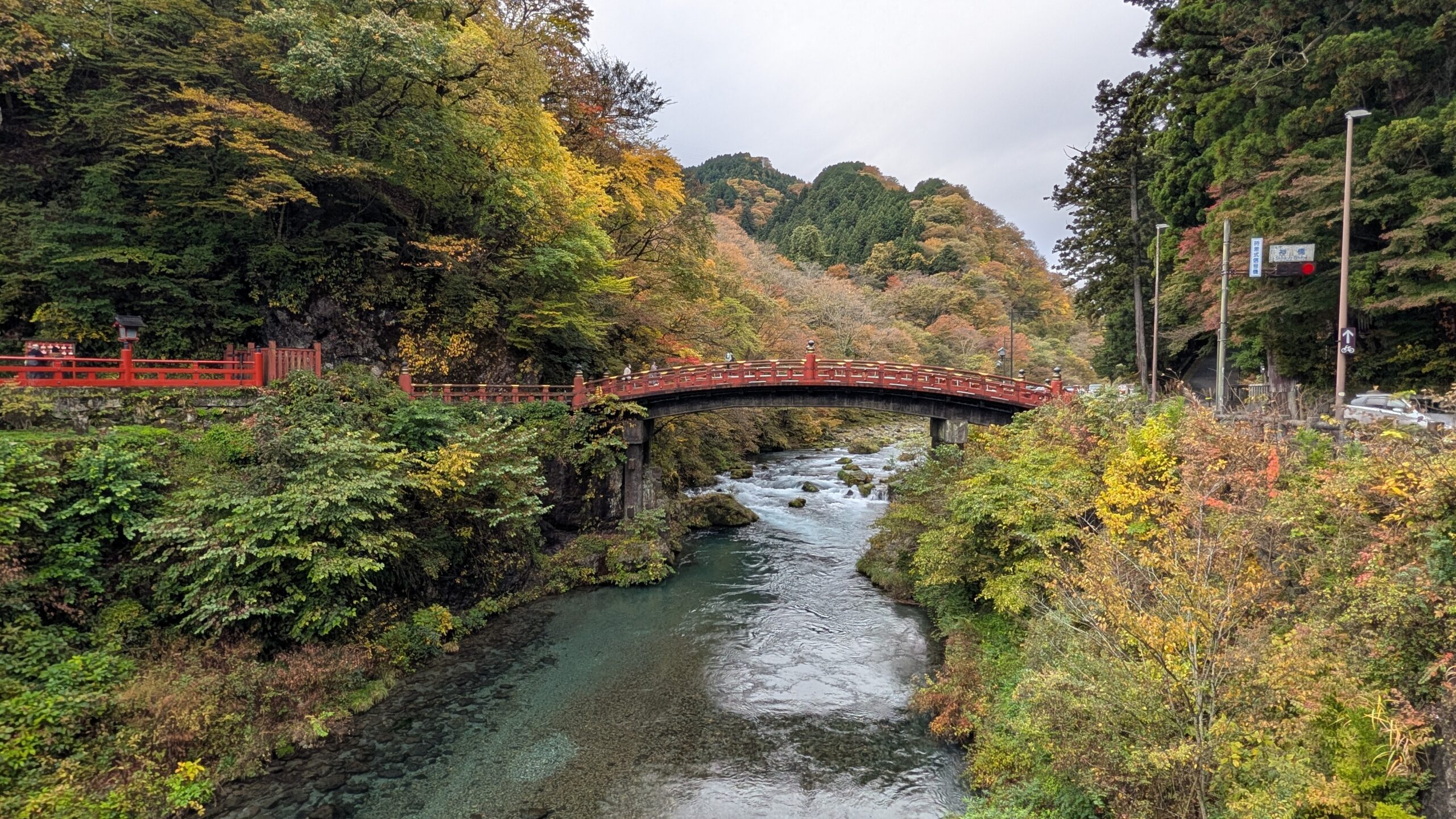
One historical day-tripper planned Kegon Falls and Senjogahara but changed to the bridge and Toshogu after encountering warnings of serious bus delays. A separate account enjoyed a broader waterfall-and-heritage visit and recommended overnight time. These are different trip scopes and circumstances, rather than proof that Nikko is reliably easy or reliably frustrating.
Our recommendation is to name what you will drop before booking. A day trip works as a focused choice when its essential visit fits your actual connections. An overnight can distribute interests over more daylight and reduce pressure to return the same evening; it cannot guarantee clear roads or good weather. Neither self-report supplies current traffic measurements.
Use the six days around that decision
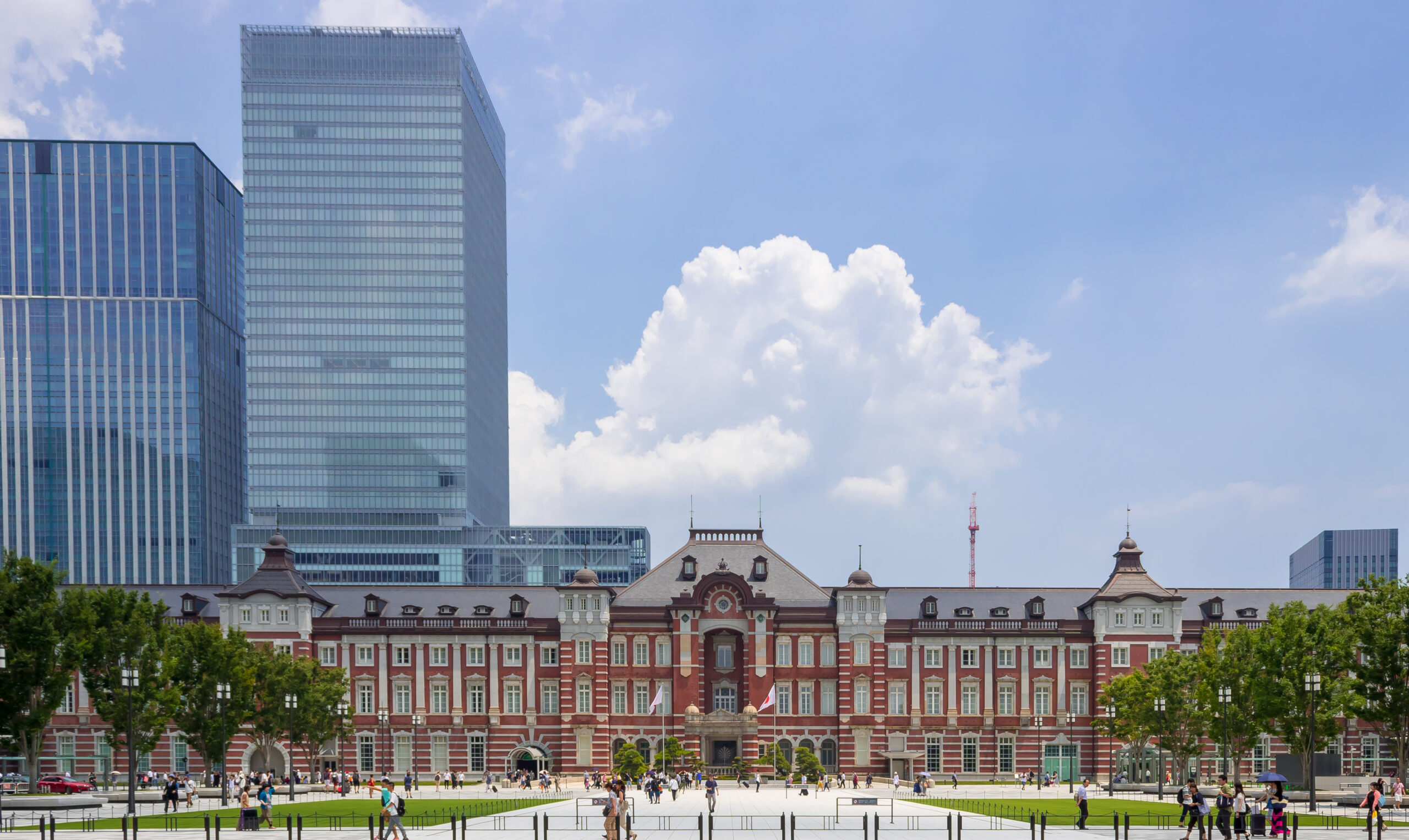
Day one: arrive in Tokyo and stay local. Days two and three: group city interests into compact areas, with one main commitment each day. Day four: either keep another Tokyo day or move to Nikko. Day five: make the Nikko visit match the scope you chose. Day six: protect the onward journey, or retain Tokyo time if departure is later.
This is an editorial outline. For a flight on the final day, work backward from check-in and the complete return journey before committing to an overnight outside Tokyo. A full-looking calendar is less valuable than a route that accommodates a slow meal or transfer.
What to compare before booking
For a Nikko hotel, confirm the station or bus-stop approach, dinner and breakfast inclusion, check-in cutoff and cancellation deadline. If booking a guided day trip, compare the exact sights, time at each stop, language, meeting point and return arrangements with your independent route. A tour labeled Nikko may have a different scope from the visit you want.
Keep city tickets separate from the excursion
Tokyo Metro’s visitor subway product covers specified Tokyo Metro and Toei Subway journeys within its conditions; it is not a pass for every railway in Kanto. Compare it only with eligible city rides, then price the Nikko chain separately. Do not move a convenient hotel or add transfers merely to use a ticket.
The planning goal is a real change of setting with time to enjoy it. Research and two historical self-reports support the comparison; no current fare, tour availability or guaranteed journey time is claimed.
Check the food-tour conditions before committing
For a Tokyo day, choosing your own places to eat and a short neighborhood walk may be enough. That lets you control the pace, meal choices and time spent at each stop. Consider a guided food outing only if its structure and explanation are worth giving up that flexibility; it is separate from the Nikko excursion.
The linked Tokyo food tour is a substantial walking activity, not a quick meal stop. When checked on October 25, 2026, its listing described about 5.5 hours and 6.5 km of walking, numerous subway stairs, and two subway rides paid separately by participants. It listed English guiding for up to nine travelers, a meeting point in the new Nihombashi Mitsukoshi building at basement level B1, and an end point at Akihabara Station. Check those arrangements for your exact option before fitting it between other commitments.
There is an unresolved cancellation conflict on that listing. At our October 25 check, the overview allowed refunds for cancellation more than 24 hours ahead, while Additional Info described refunds with booking and administration charges excluded. The separate Cancellation Policy and booking panel said non-refundable, and the comparison panel said Free Cancellation. We cannot establish which wording would govern your booking. Do not book until Viator or the operator confirms the applicable cancellation and change terms in writing for your exact option and date.
The listing names lunch and snacks; this is not a promise of a complete dinner or suitability for your diet. We did not find an allergy-accommodation commitment in the full Additional Info. Confirm ingredients, substitutions and any cross-contact concerns directly before booking if these matter to you. The link below is retained so you can inspect the conditions. It is not a recommendation to purchase while the conflict remains unresolved.
Research-based guide prepared by JAPANOVA. Traveler accounts are individual self-reports; comparisons are editorial analysis.