Otaru's central sights work better as a walk with a purpose than as a long wait for one canal photograph. A useful first visit can connect the former Temiya railway, the canal and one chosen indoor stop, leaving food and shopping as deliberate options. Decide whether you want a compact introduction or a longer history-focused day before extending the route toward every landmark on the tourist map.
Build a compact station-to-canal spine
The Otaru Tourism Association's city-center guide describes leaving JR Otaru Station toward the sea, descending past the former railway and continuing toward the canal. That gives you a practical spine for the visit. Save the route and your return station before setting off; it is a sequence of places, not a guarantee that every crossing, shop or museum entrance will be available as expected.
Start with a look at the former Temiya Line, then continue toward the canal. Allow time to notice the change between a preserved railway corridor and the waterfront setting rather than treating both as quick photographs on the way to shopping. You can return toward the station after the central walk, or deliberately extend it. Choose the extension because its subject interests you, not because an itinerary says a day trip needs a fixed number of stops.
Use the railway path as a different view of Otaru
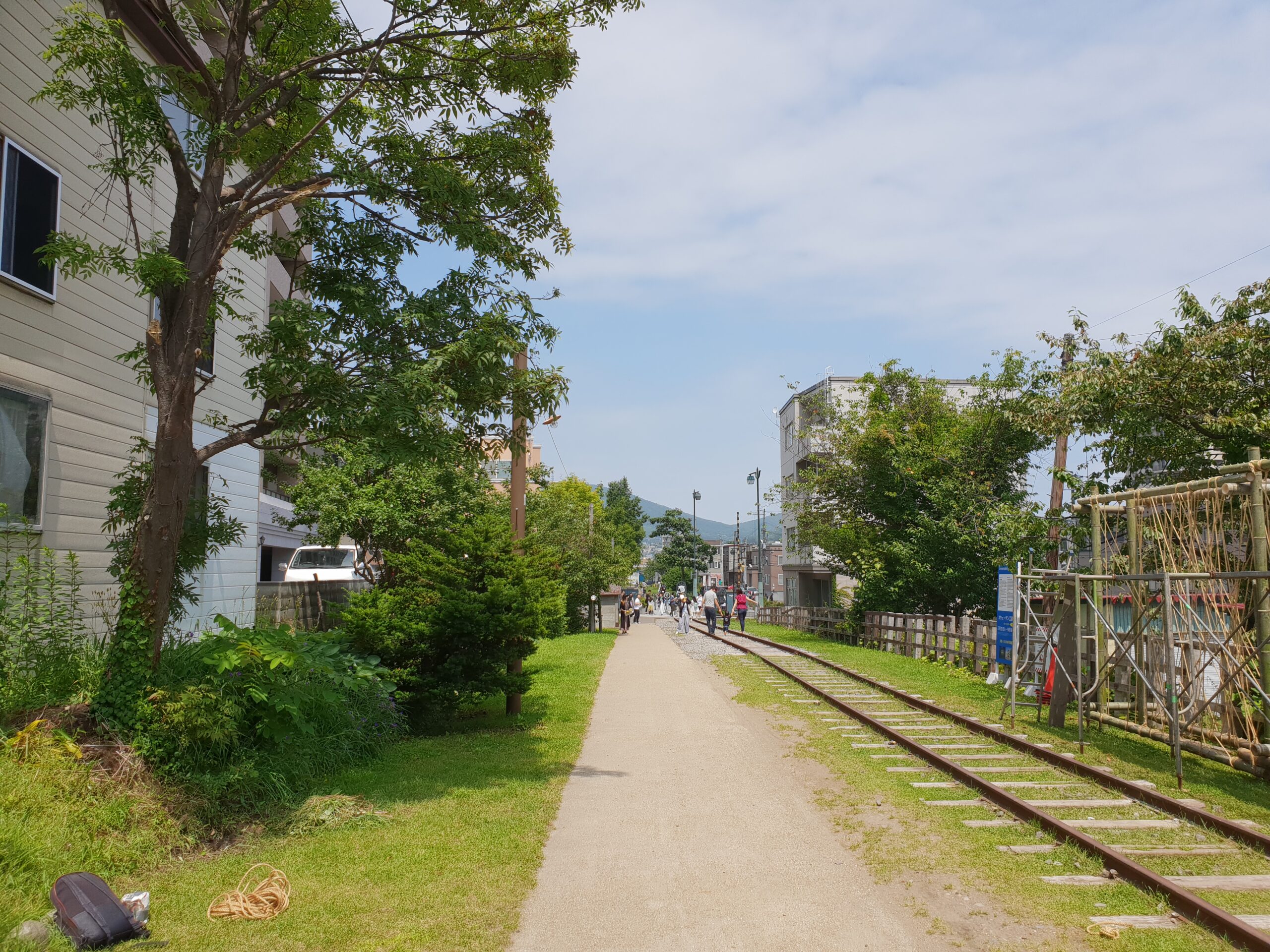
The old tracks offer a contrast to the canal frontage. They are a former railway landscape within the city, rather than a promise of a train ride. Keep to the permitted walking areas, respect crossings and do not infer that every disused-looking track elsewhere is open to pedestrians. Follow local signs where the path meets streets or private property.
If railway history is your main interest, investigate the museum separately and check its particular site and opening information. Do not confuse a museum collection with simply walking the railway corridor. A longer museum visit changes the shape of the day: protect its admission window before spending your available time in shops. A map connecting attractions does not establish the amount of time you will want inside them.
Why two visitors valued the canal differently
An October 2023 solo report by penpen35 describes finding spare time in the center, walking toward the museum and returning via the Temiya Line. A separate winter account describes disappointment with the canal as a headline attraction but enjoyment of local encounters and the town itself. The winter writer also reported slippery footing.
The useful common point is that the day was larger than the canal view. Their disagreement concerns expectations: a history-oriented walking route gave one visitor something to do, while a heavily promoted sight did not satisfy the other's expectations by itself. Neither account proves that Otaru is empty, crowded, unsafe or uninteresting on your date. Our suggestion is to name one additional interest before arrival and make winter surface conditions a real planning factor.
Choose a cruise for the experience it actually provides
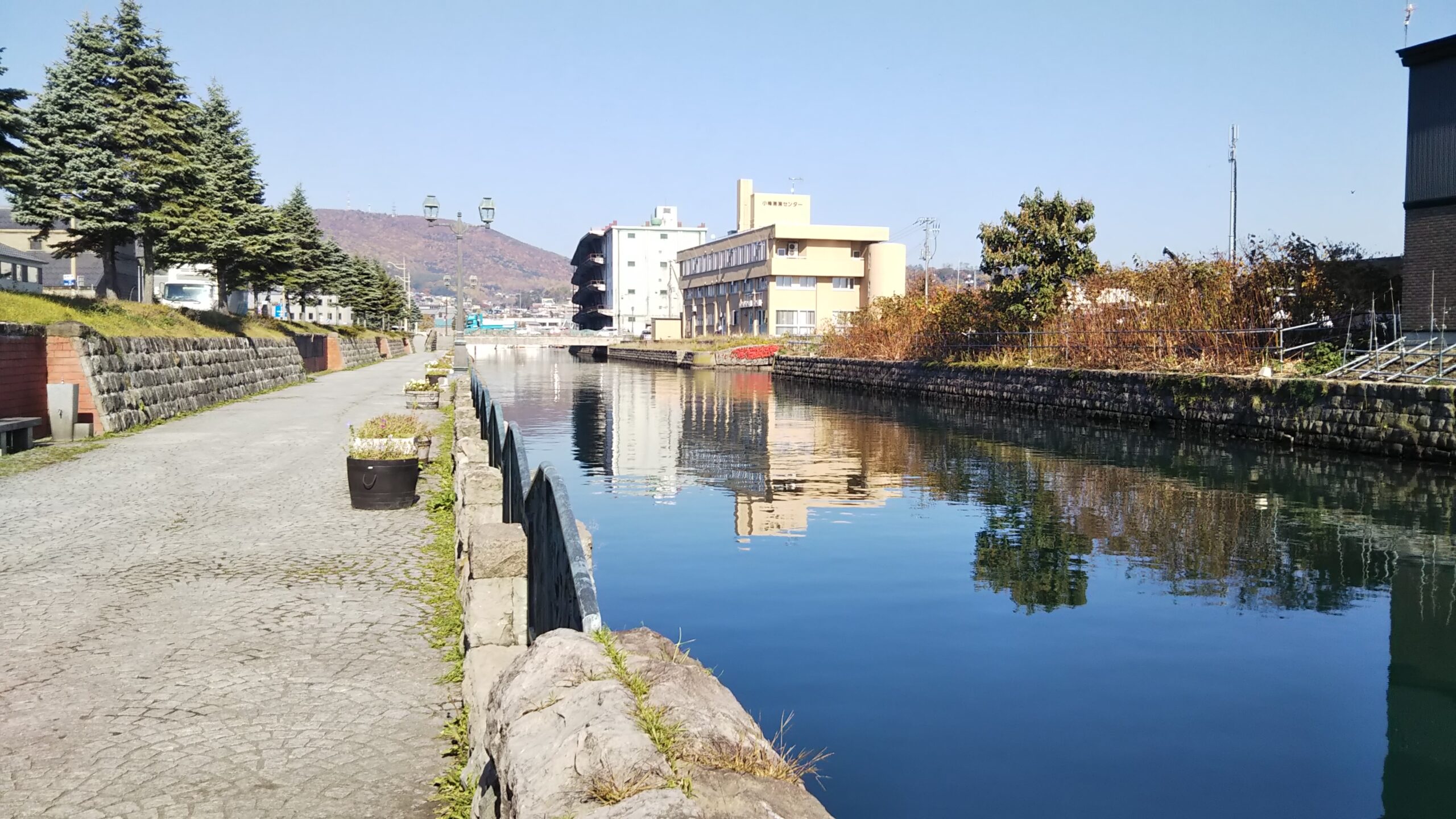
Otaru Canal Cruise publishes its own route, departure and ticket information. Its English page describes a cruise lasting roughly thirty-five to forty minutes and says weather can cause cancellations. Walking beside the canal and taking a guided boat trip are different experiences; do not buy one merely because you have already traveled to Otaru and feel obliged to add a paid activity.
If commentary, a water-level view or a particular departure appeals, inspect the current arrangement and check-in requirement before reserving. Keep the land walk usable if the cruise is cancelled or unavailable. An old report of a queue or a missed boat is a reason to check booking details, not evidence that you must arrive at a universal queue-avoiding hour. Match the activity to your interest and remaining daylight.
Keep an indoor stop and a shorter return available
Pick one shop, exhibition or cafe whose subject you want to spend time with, and verify its own opening day. Do not rely on an entire shopping street being open until the time you plan to leave. If the main goal is a relaxed walk, a short list lets you stop when the weather or your energy changes without feeling that the trip has failed.
For winter, check current conditions and choose a route you can walk comfortably; a summer photograph does not show today's footing. For an evening view, decide what you will do between your daytime visit and darkness rather than assuming there is enough open activity to fill the gap. Return while the trip still feels worthwhile. A compact route with one strong additional interest can offer more than a much longer list assembled around waiting for the canal lights.
Research-based guide prepared by JAPANOVA. Traveler accounts are individual self-reports; comparisons are editorial analysis.
Facility and shop information
- Otaru Canal Cruise — checked 2026-10-19