Choose what you want from Saikotei
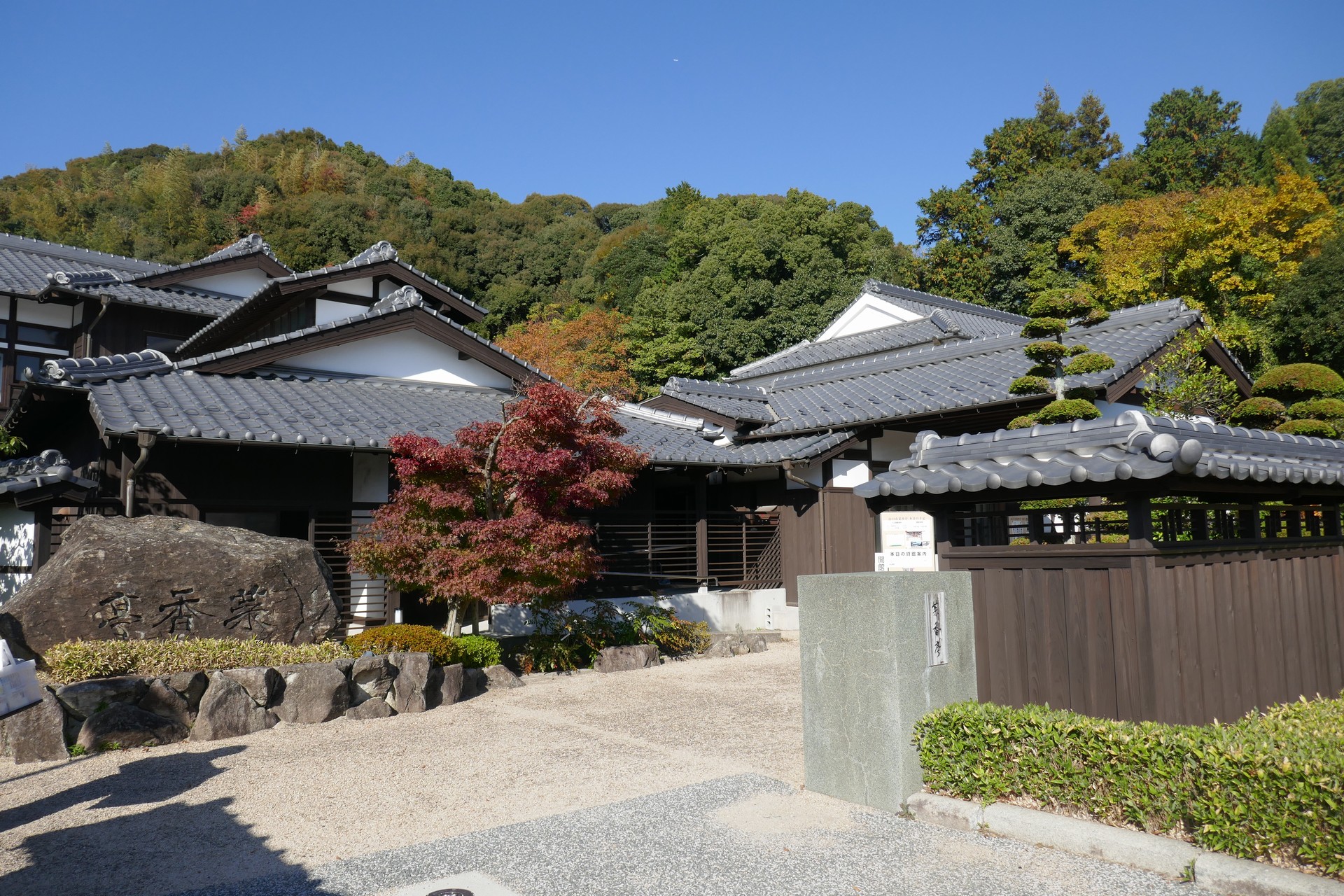
Saikotei in Yamaguchi City offers two different reasons to stop: looking around a former restaurant restored as a cultural facility, or making a reserved clothing experience part of your day. Decide between them before arranging transport. A visit focused on the building leaves more room to change the rest of your itinerary; a kimono booking needs advance planning and a return to the facility.
The grand hall contains calligraphy associated with former guests. You do not need to turn the visit into a costume outing to have a reason to go. Conversely, if wearing kimono is your main interest, treat the building as the starting point of an activity rather than a quick stop squeezed between trains.
For a day with uncertain arrival times, favor the simpler visit. For a day already set aside in Yamaguchi, consider the reserved experience after checking its conditions. Neither option is inherently better: the important difference is how much of your day you are willing to commit.
Keep sightseeing hours separate from room rental
The official Japanese homepage lists sightseeing from 9 a.m. to 5 p.m. and separate facility-use hours extending to 10 p.m. Those later hours are not an invitation to arrive for ordinary evening sightseeing. The grand hall and exhibition rooms cost ¥100 for an adult. Tuesday is normally the closing day, moving to the following day when Tuesday is a public holiday; the year-end closure is December 29 through January 3.
Use those hours as boundaries, not as a suggested arrival time. If you are arriving late, ask about admission and what you can reasonably see before heading over. A low entrance fee does not remove the cost of a taxi or the inconvenience of missing an onward connection.
Leave your next activity adjustable if the displays interest you. There is little advantage in planning a relaxed cultural stop and then having to watch the clock throughout it.
Book the clothing experience well ahead
The Japanese kimono page asks for reservations by noon three business days ahead, with an additional instruction for use immediately after a closure. Its English counterpart gives a shorter deadline. Do not rely on that shorter wording: contact Saikotei early and have staff confirm the deadline for your date. An email request is complete only after their reply.
For October through May, the Japanese page lists kimono rental at ¥3,500 for two hours or ¥4,200 for the day. The two-hour period starts after dressing; allow about an hour from arrival until departure. The day option requires return by 4:30 p.m. June through September has a separate yukata offering.
The ¥700 difference between the two kimono plans is only useful if the extra time fits your day. A late start can make a nominal day rental much shorter than expected. Work backward from your return, changing clothes and onward travel rather than choosing the longer plan simply because it sounds more relaxed.
Discuss any essential clothing fit or practical requirement before committing. Ask how weather would affect your plans and confirm the cancellation terms. The stated kimono policy charges the full rental amount for cancellation after noon the previous day. A reservation is therefore a spending decision as well as a sightseeing choice.
Two visitors found different reasons to linger
JOY, writing in Daily Life in Yamaguchi, describes receiving a detailed explanation from a staff member, looking at calligraphy and taking particular interest in porcelain. The writer then explored more information and stayed longer than expected before continuing toward the Ichinosaka River. That is one account of a visit, not a promise that an individual guide will be available when you arrive.
In a separate account published in September 2026, the writer of the note blog mocchiimo describes arriving at 9:30 a.m. and finding no other visitors in the grand hall at that moment. Their account dwells on the former restaurant's history and includes time relaxing in another room. It supports the appeal of an unhurried building visit, but it does not establish that mornings are always empty.
The useful contrast is between interest stimulated by an explanation and interest in the atmosphere and history of the rooms. Neither account reviews the kimono service. Use them to decide whether the building itself appeals to you, rather than treating them as evidence that a paid add-on is necessary or worthwhile for everyone.
Leave optional extras optional
Matcha is another reserved activity. The Japanese matcha page lists ¥700 for the tea experience plus grand-hall admission, with a request to book three business days ahead. Staff bring a set for visitors to prepare the tea themselves. The same page gives inconsistent finishing times, so confirm a specific session directly rather than building a late-afternoon itinerary around one of them.
If tea is your main reason to visit, arrange it first. If it is simply a pleasant possibility, keep the building visit worthwhile on its own. This avoids turning several small extras into a schedule that leaves no time to enjoy any of them.
Do not plan onward travel around the old bicycle-rental information still visible on the English overview. The Japanese visitor-services page says that service ended at the end of March 2025. Confirm an alternative before relying on a bicycle connection.
Make the return journey part of the plan
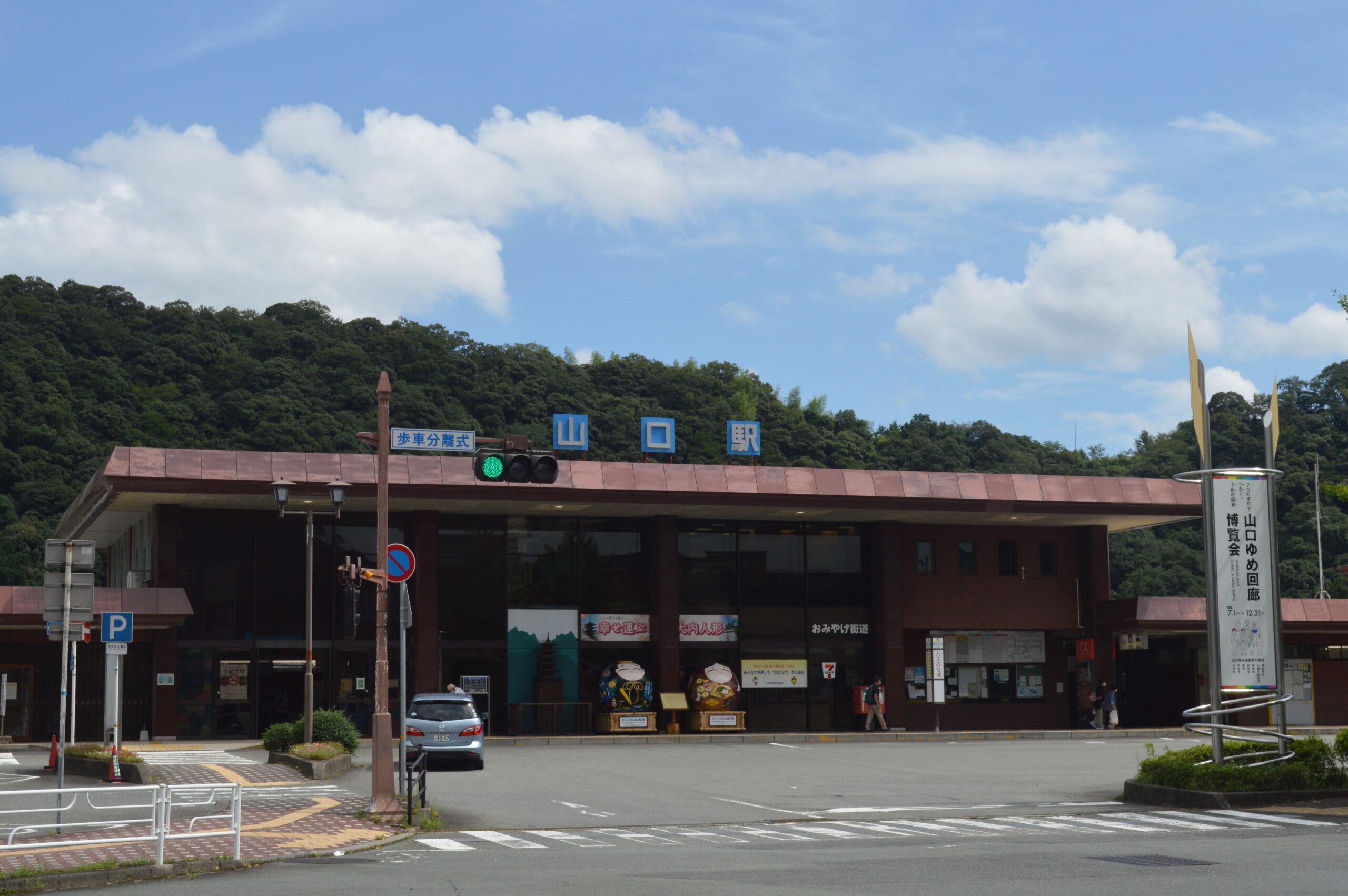
Saikotei's access page directs rail visitors to Yamaguchi Station and then a bus or taxi. It lists Noda Gakuen-mae for regular buses, about two minutes on foot from the facility, and Noda for the community bus, about three minutes away. Those short walks describe the final approach; they do not tell you how soon a bus will arrive.
Check a usable service for your travel date in both directions. For a reserved experience, leave room for the arrival process rather than aiming to reach the nearest stop at the appointment time. For a simple visit, decide how much waiting or taxi spending is acceptable before setting out.
The practical choice is a building visit that can fit around your day, or an experience around which you deliberately organize it. Confirm the current facility notices and any booking details before departure. This guide offers planning comparisons, not a firsthand inspection, a guaranteed quiet period or a confirmed reservation.
Research-based guide prepared by JAPANOVA. Traveler accounts are individual self-reports; comparisons are editorial analysis.