- Choose the railway outing before the pass
- Compare the current fares for your actual stops
- Separate a favorite train from the transport timetable
- What two travelers wanted from the same line
- Plan the station break and ticket purchase separately
- Give a transfer-day visit a clear stopping point
- Facility and shop information
Choose the railway outing before the pass
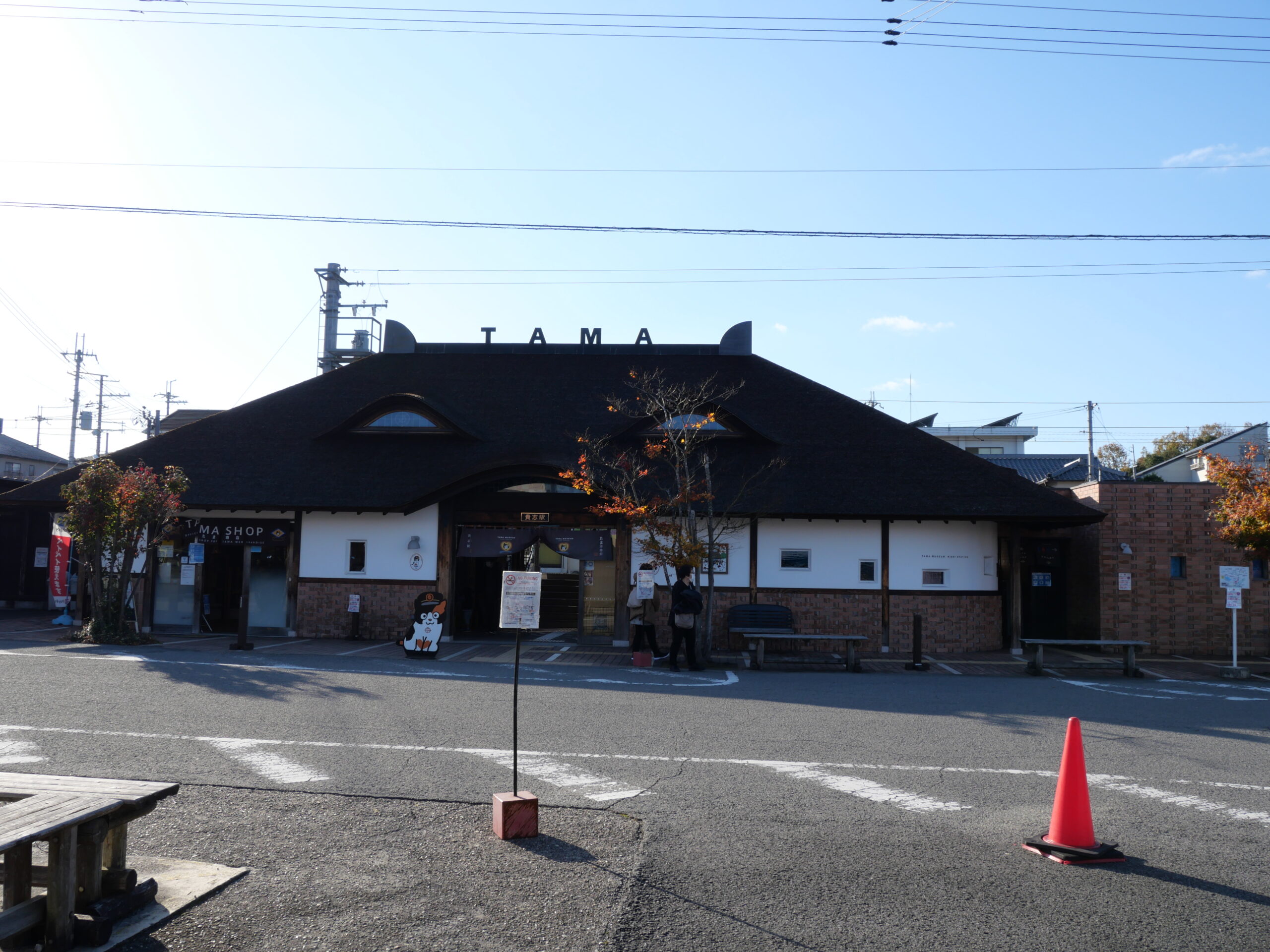
A ride on Wakayama Electric Railway can be a trip built around themed trains, a visit to Kishi Station, or a journey with stops along the way. Those are different purchases. Decide which one appeals before buying a day pass: unlimited rides do not automatically cost less than the journeys you actually want.
For someone breaking a longer journey in Wakayama, start with the time available after luggage arrangements and before the onward departure. Choose a return train before adding intermediate stops. This guide uses official information checked on October 21, 2026, and two individual travel accounts; JAPANOVA has not inspected the route in person.
Compare the current fares for your actual stops
The current official fare table lists an adult single journey between Wakayama and Kishi at 480 yen. A straightforward return therefore totals 960 yen. The adult one-day pass costs 1,200 yen, so it costs 240 yen more for that simple out-and-back visit.
Adding one stop does not automatically reverse the result. Wakayama to Kishi, Kishi to Idakiso, then Idakiso to Wakayama totals 480 + 370 + 370 = 1,220 yen in adult single fares. The day pass saves 20 yen on that particular three-ride plan. That modest difference is a reason to choose the stop for its own appeal, rather than add it just to justify a ticket.
The pass becomes more relevant when you genuinely want further rides or freedom to change your stops. Add the fares for your intended segments and compare the sum with the pass. These examples concern adult fares; check each child's category and applicable fares separately. Old reports describing an 800-yen pass or a 410-yen end-to-end fare should not be used as today's price list.
Separate a favorite train from the transport timetable
If a particular themed train is the main attraction, look at the operator's train-specific schedule as well as the ordinary departure times. The published timetable distinguishes weekdays from weekends and holidays. It also warns that assigned vehicles can change without notice because of inspections or other reasons.
Decide what you would do if your preferred train is unavailable. You could enjoy another service, shorten the excursion or choose a different day. Buying unlimited rides does not guarantee that a particular train will run, and waiting for another departure should not put your onward journey at risk.
For a stop at Idakiso, check both the arrival and the next useful departure before leaving the train. A short ride can still create a longer interruption when you add waiting and walking. Avoid borrowing a past traveler's minute-by-minute sequence: the useful plan is the one that works with your travel date.
What two travelers wanted from the same line
RailTravel Station's account, published in October 2023, describes riding the Ichigo Train from Kishi to Idakiso and taking an interest in the railway's depot setting. The writer had particularly wanted to ride the Tama Train Museum but found it out of service that day. The report shows how the rolling stock itself can be a reason for the outing, while also showing the limits of expecting one specific vehicle.
In a separate trip report, Himekat describes visiting Kishi and Idakiso with their husband. They rode several themed trains but were less enthusiastic about the decorative theme than some visitors might be. A quiet walk near Idakiso was an enjoyable part of their day. Their interest extended beyond the trains, and they did not need a long stay at Kishi to feel finished there.
Both accounts involve getting off along the line, but their priorities differ. The first is strongly interested in trains; the second finds value in an outing with walking. Use that contrast to decide what would make an intermediate stop worthwhile for you. Neither account establishes a standard visit duration, current animal attendance, today's vehicle assignments or a general visitor consensus.
Plan the station break and ticket purchase separately
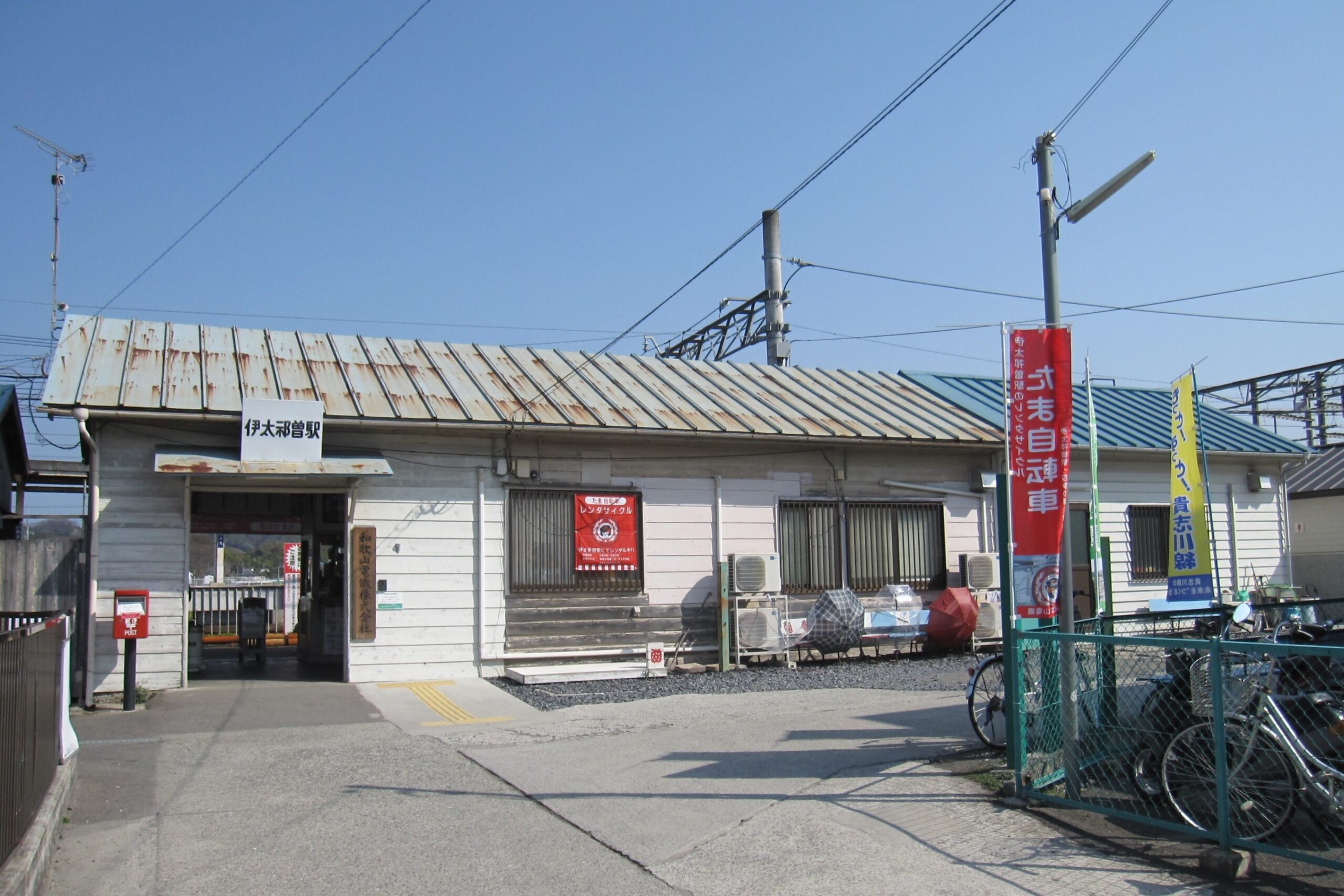
Kishi's official Tama Cafe and shop page lists cafe hours of 10 a.m. to 4 p.m. and shop hours of 10 a.m. to 4:30 p.m. It notes irregular maintenance closures and possible temporary closure during adverse conditions or service disruption. Plan a cafe break around current opening information rather than assuming it follows the railway's full operating day.
The cafe sells drinks, gelato and light food. Treat it as an optional pause, with a separate budget for refreshments and souvenirs. Its listed card and electronic payment methods do not apply to purchases of train tickets or stamps. A payment method accepted for coffee therefore does not settle how you can buy a rail ticket.
The day-pass page lists the Wakayama platform 9 counter and says the pass is not sold by JR ticket machines. It tells passengers seeking that counter to speak to staff at the staffed JR gate. It also lists other sales locations and digital options. Read the instructions for the format you choose before arriving; do not assume a screenshot or an unactivated purchase is ready to use.
Give a transfer-day visit a clear stopping point
Write down the last return that comfortably leaves time to collect luggage and find your onward platform. Then choose either Kishi alone or a route with a purposeful intermediate stop. Keep purchases and photographs within that plan rather than extending the trip because a pass allows more rides.
If you want a railway-focused day, leave room for waiting and a change of train. If the line is a brief diversion between other plans, individual tickets may better fit a simple return. The useful saving is the one attached to a visit you actually want, not a theoretical discount earned by spending the whole day riding.
Before departure, recheck fares, the day's timetable and any facility notice relevant to your stop. Confirm any essential access or baggage requirement directly. This guide does not promise a particular cat encounter, vehicle, locker or connection. Its purpose is to help you spend deliberately on the railway experience that suits your Wakayama visit.
Research-based guide prepared by JAPANOVA. Traveler accounts are individual self-reports; comparisons are editorial analysis.
Facility and shop information
- Tama Cafe and Tama Shop at Kishi Station — checked 2026-10-21