Tokai can become an excellent journey between bigger-city stays, but it needs a route of its own. Do not treat every place between Tokyo and Kyoto as an effortless stopover. For this guide, JAPANOVA groups Aichi, Gifu, Shizuoka and Mie under Tokai. Start by choosing whether the trip is mainly about mountain towns, coastal relaxation or cultural visits; then choose hotels that support that decision.
- Choose a route that your bookings can support
- Three different starting points
- Two routes expose different bottlenecks
- Build a short trip from one main contrast
- When an overnight stay earns its place
- Use heritage respectfully
- Keep the plan realistic before buying a pass
- Finish with a reserve option
- Decide whether a Takayama food walk fits your stay
- Facility and shop information
Choose a route that your bookings can support
Choose Nagoya plus Takayama if your priorities are a city base and mountain-town culture. Choose Nagoya plus a Mie extension for a culture-led route. Choose an Izu stay when the hotel and coast are the point of the trip. These are alternatives, not a single four-night checklist.
For a Nagoya–Takayama plan, a two-night stay in each gives each base one complete day. Put a Shirakawa-go visit on the plan only after checking both bus legs. A through journey toward Kanazawa needs separate attention to the onward bus, luggage and arrival deadline.
Three different starting points
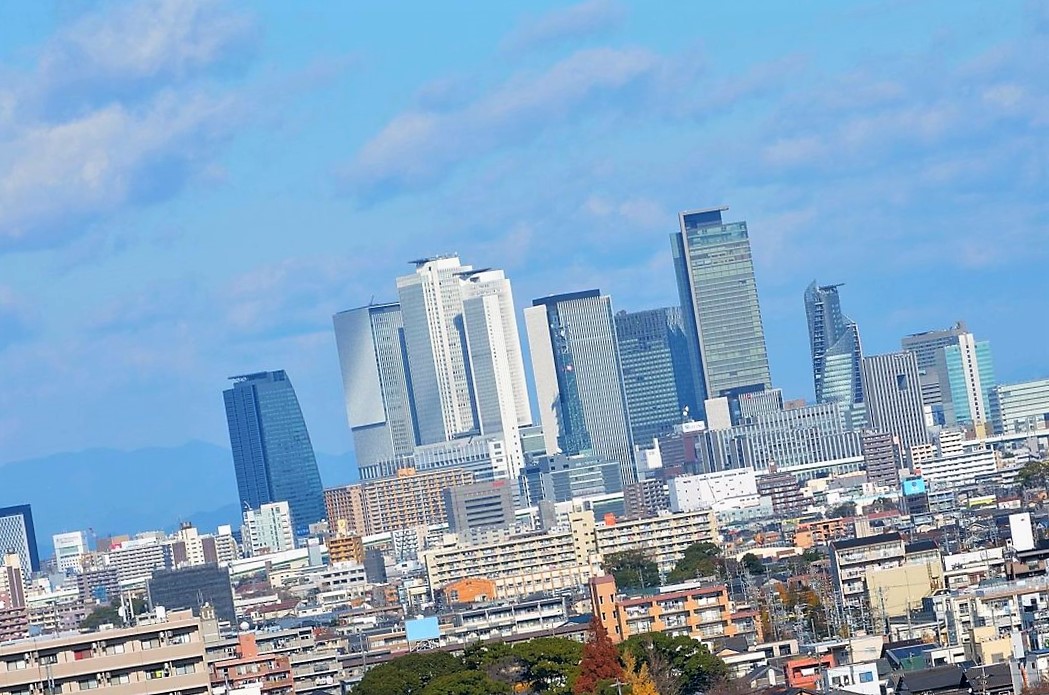
For mountain-town culture, look at Takayama and Shirakawa-go in Gifu. Gifu's official itinerary treats these as separate visits and includes a bus connection. That makes an important planning distinction: arriving in Takayama does not mean you have also reached Shirakawa-go. Research the onward leg and the return journey before fixing the day.
For a coastal stay, Shizuoka offers the Izu Peninsula and hot-spring areas. The prefecture has access from the Tokaido Shinkansen, but that fact alone says little about the final connection to a particular hotel. Begin with the property location, then work backward to the rail arrival point.
For a culture-led trip, consider Nagoya with an extension to Mie. Nagoya's Toyota Commemorative Museum of Industry and Technology presents textile and automobile machinery. In Mie, Ise-jingu and Iga's ninja-related attractions offer different subjects again. Choose which interests you more rather than trying to reduce all three to brief photo stops.
Two routes expose different bottlenecks
A traveler visiting in March and April 2023 moved from Takayama through Shirakawa-go toward Kanazawa, but found the direct onward bus full and made a transfer via Takaoka. A solo traveler visiting in November 2025 prebooked the Shirakawa-go onward leg, then found Takayama's compact old-town streets crowded on arrival while enjoying quieter time elsewhere in the town.
Neither account predicts bus availability or crowd levels on your dates. Together they suggest checking the constrained leg before settling the entire route, then leaving time to walk beyond the few busiest streets. If a village stop sits between two overnight bases, work out luggage handling and a realistic fallback connection. Treat these reports as historical examples of different journeys, not as a timetable or a reason to assume every Tokai destination feels alike.
Build a short trip from one main contrast
For four nights, an editorial starting point is two in a city and two in the place that supplies the contrast. That could mean Nagoya followed by Takayama, or a city stay followed by a coastal hotel. These are route concepts, not bookable packages; check actual transport and opening calendars for your dates.
Give each base one complete day without a hotel move. On transfer days, choose an optional activity that can be dropped if the journey takes longer than expected. Avoid placing the most important admission or a prepaid lesson immediately after a multi-stage transfer. A useful itinerary should still work when you remove an optional stop.
When an overnight stay earns its place
Ask what staying overnight changes. Does it allow you to attend the activity you most want without rushing the return trip? Does it reduce an awkward connection with luggage? Or does it merely add another check-in? Choose the overnight stay when it improves the experience, not because a map has a gap between pins.
Before choosing a room, compare the full price and inclusions. Check meal arrangements, arrival deadlines, bedding configuration and the route from the station. A lower headline price is not necessarily a lower trip cost if reaching the property requires an extra journey that your alternatives avoid.
Shortlist a hotel only after answering three questions: where do you arrive, where must you be the next morning, and what is the latest acceptable check-in? For a ryokan or dinner-inclusive rate, confirm the dinner arrival deadline and dietary arrangements directly. A room-only rate and a meal-inclusive rate are different products; compare the complete stay rather than the nightly headline.
If the mountain bus is unavailable, a second night in the same base with a local day may be a better fallback than buying an improvised chain of connections. Nohi's official timetable identifies which departures require reservations. Check the version and operating date, and do not assume a pass guarantees a seat.
Use heritage respectfully
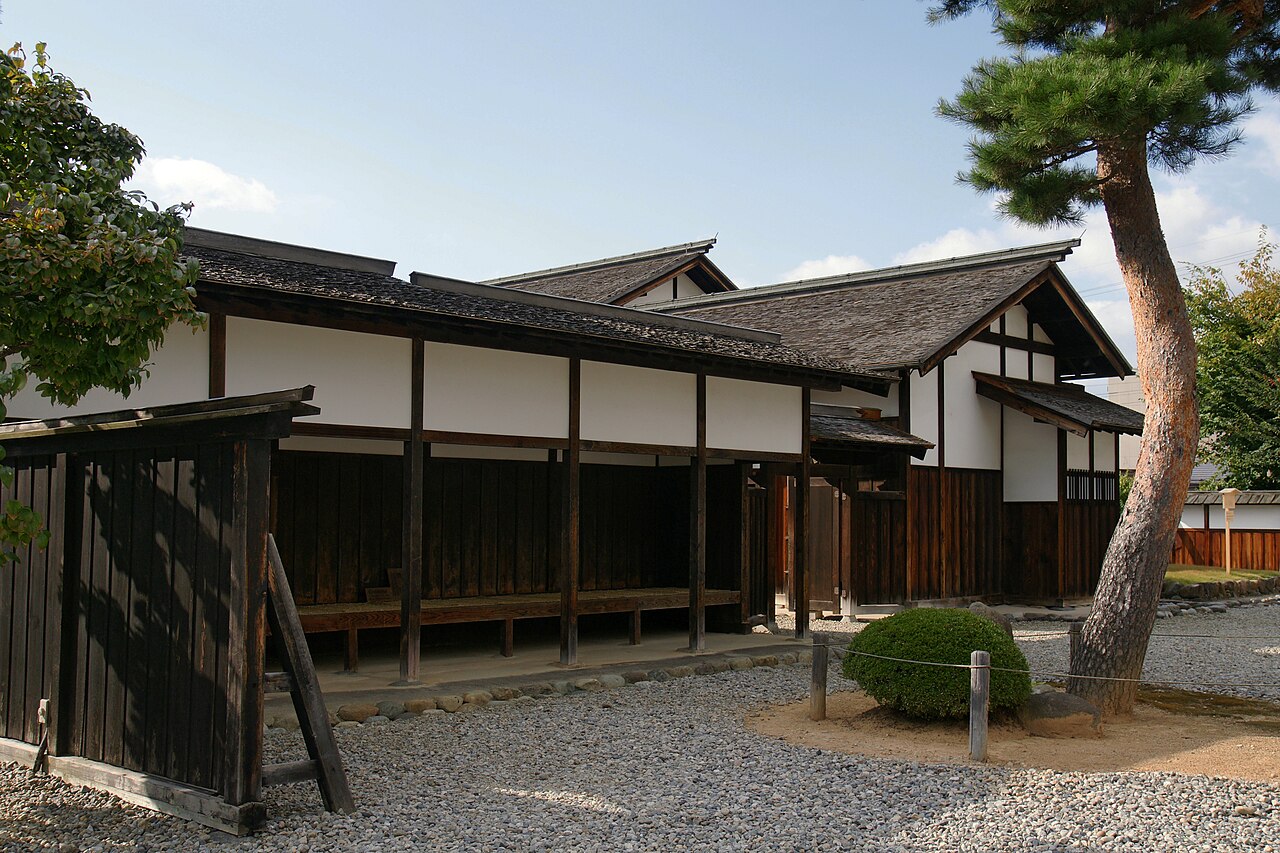
Shirakawa-go's traditional houses sit within a community where residents still farm. Stay within areas open to visitors and do not treat fields or private doorways as photo sets. For a workshop or guided visit, confirm the participant requirements and what is included. A cultural activity should be something you have time to understand, rather than another item squeezed between trains.
Keep the plan realistic before buying a pass
Make a list of the exact journeys first. Only then compare any rail or bus pass with individual tickets and its current restrictions. Do not let a pass dictate a route you would not otherwise want. The strongest reason to add a place is that it contributes a new experience, not that its name appears inside a coverage map.
Finish with a reserve option
Keep an alternative indoor visit or an unstructured neighborhood afternoon for a day when your outdoor plan is unsuitable. Leave the final transfer comfortably separate from a fixed flight or important appointment. A focused Tokai trip can connect several sides of Japan while still giving each stop enough attention to feel distinct.
Decide whether a Takayama food walk fits your stay
The two route reports above make the constrained bus leg a priority; neither is a review of this food tour. Put a prepaid Takayama activity on a settled town day, rather than assume it will fit immediately after a village stop or an uncertain connection. Independent food exploration lets you choose your own purchases and change direction when appetite or queues change. Compare a guide when help with ordering, food-culture explanation and a planned introduction would add value beyond the snacks themselves.
At our October 25, 2026 check, the linked private Takayama food walk was listed as approximately two and a half hours, offered in English, with only your own group participating. Its description focused on the Old Town and its inclusion panel listed local snack tastings. Do not assume that means a full meal or a fixed number of dishes. Ask what your selected option includes and compare the complete price with an independent walk and separately purchased food. We have not verified a particular menu or tasting quantity for your date.
The meeting instructions identified the front of Takayama Jinya's gate; hotel pickup and drop-off were excluded. A meeting outside the building does not establish admission to its interior. Confirm the current meeting point, start and finish, and arrange luggage separately. The listing said confirmation could take up to 48 hours and was subject to availability, so an unconfirmed request should not become the fixed anchor for your bus or hotel decisions. It marked the tour as not wheelchair accessible and included other participation cautions; check the current route and restrictions before booking if relevant to your party.
Food suitability also needs a specific answer. If allergies, dietary restrictions or avoiding alcohol affect your choice, obtain confirmation of ingredients, preparation and possible substitutions from the operator before booking; we have not established that this tour can accommodate those needs. At our check, the cancellation policy offered a full refund at least 24 hours before the start, with no refund or accepted changes inside that window; deadlines use the experience's local time. Recheck your option's terms. If the agreed food, explanation or timing does not fit, retain the independent town day and protect the onward connection. No current price, availability, allergen suitability or guaranteed bus connection is promised.
Research-based guide prepared by JAPANOVA. Traveler accounts are individual self-reports; comparisons are editorial analysis.
Facility and shop information
- Toyota Commemorative Museum of Industry and Technology — checked 2026-10-15