- Decide what fits between your trains
- Separate the permanent galleries from a special exhibition
- Check the calendar before treating it as a rainy-day plan
- Choose the tram route and make a luggage plan
- Two visits show different demands on the same stop
- Buy for the visit you can actually make
- Facility and shop information
Decide what fits between your trains
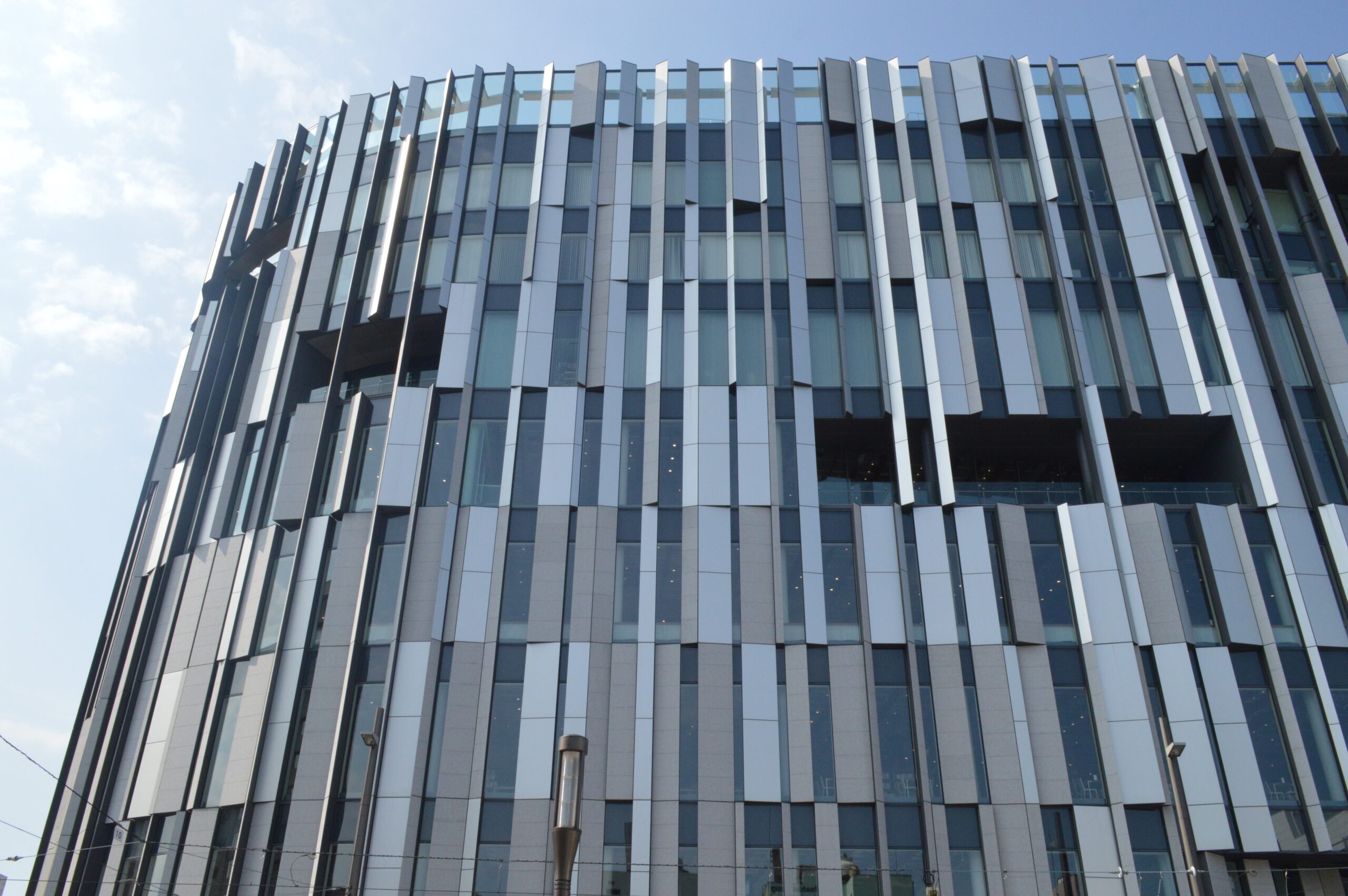
Toyama Glass Art Museum can be the focus of a city stop, but a transfer day needs more planning than an empty space in a railway timetable. Decide which galleries matter to you, where your luggage will go and when you must leave for the station. Then choose the ticket that fits that visit.
This guide addresses a museum stop rather than choosing a Toyama hotel district. It uses museum information checked on October 21, 2026, alongside two individual travel accounts. The planning recommendations are our analysis, not a first-hand museum inspection or a guaranteed connection itinerary.
Start with the train you cannot miss and work backward. Allow for collecting bags, reaching the tram stop, waiting, returning to the station and finding your platform. The time left after those tasks is your potential museum time. Do not count the whole interval between trains as time inside a gallery.
Separate the permanent galleries from a special exhibition
The museum lists permanent-exhibition admission at 200 yen for adults and university students. This covers the Collection Exhibition and Glass Art Garden. A special exhibition has its own admission price, so identify the exhibition you want before comparing tickets.
The Collection Exhibition is on the fourth floor and presents changing selections of contemporary glass. The sixth-floor Glass Art Garden features installations by Dale Chihuly. The free Glass Art Passage on floors two to four is a different display; seeing it does not mean you have visited both paid permanent galleries.
A special-exhibition ticket includes same-day access to the Collection Exhibition and Glass Art Garden under the museum's published arrangements. Check the current exhibition and ticket conditions before buying an additional permanent ticket. Paying twice for overlapping access does not improve the visit.
For a short stop, choose the gallery you most want to see first. For a longer visit, decide whether the special exhibition is genuinely part of your interest or merely an extra suggested by the ticket desk. A low permanent-admission price does not make the time needed for every gallery disappear.
Check the calendar before treating it as a rainy-day plan
The published general opening hours are 9:30 a.m. to 6 p.m., with last admission 30 minutes before closing. Regular closures include the first and third Wednesdays and the year-end period. Exhibition changeovers can also affect access, and special-exhibition dates and closures require their own check.
Check the museum's calendar for the actual date of your stop, then confirm which galleries will be open. A museum can be a useful indoor choice only when its opening arrangements match your journey. Do not buy an extra night or reshape a rail connection around an assumed opening day.
Last admission is an entry deadline, not a recommendation for how much time you need. If the only available slot puts you at the door near that deadline, reduce the plan or choose a different day. Keep your return journey independent of how long you hope the final gallery will take.
Choose the tram route and make a luggage plan
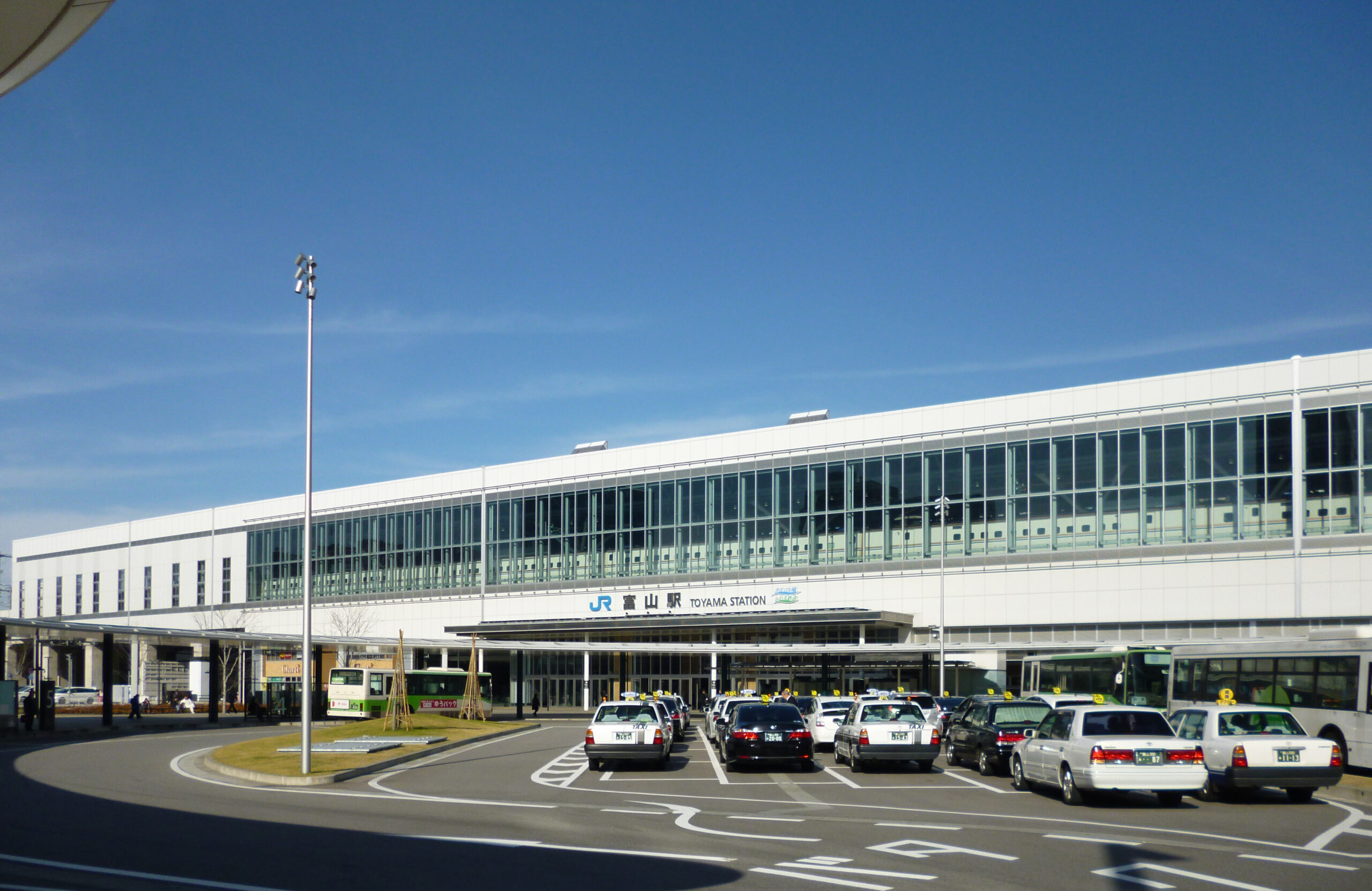
The museum's access guide identifies two tram approaches from Toyama Station: the Loop Line to Grand Plaza-mae, followed by about a two-minute walk, or a service toward Minami-Toyama to Nishicho, followed by about a one-minute walk. Confirm the destination before boarding and use current departure information rather than assuming the next tram serves your chosen stop.
The museum prohibits large luggage inside the galleries. Its visitor notice directs visitors to leave it at the desk before entering the exhibition area and also mentions coin lockers. These are options to investigate, not a guarantee that a particular suitcase will fit or that storage will be available on arrival.
If your bag is unusually large, ask the museum about the arrangement before committing to the stop. If you plan to use station storage, keep a fallback that does not depend on finding a spare locker. Do not leave luggage unresolved until a paid exhibition visit is about to begin.
Returning to collect bags adds another task to the departure plan. Put the collection point on the same route as your onward journey where possible, and decide what you will shorten if the storage search takes longer than expected.
Two visits show different demands on the same stop
One traveler based in Kanazawa described a Toyama day trip that included the glass museum and castle. That account shows how the museum fitted their day excursion; it does not establish a standard visit duration or prove that every traveler needs an overnight stay.
A separate account published in October 2026 described finding the station lockers checked by the writer full, then taking a large suitcase on the tram. The writer also contrasted enjoying the sixth-floor glass works slowly on that visit with an earlier family visit involving three young children and the attention that required.
The useful distinction is the work surrounding the gallery visit. A day visitor returning to the same base and an arriving traveler carrying luggage face different constraints. Neither account predicts today's locker availability. For families, leave room to adapt the gallery plan to your own children's pace rather than adopting another adult's leisurely visit as a schedule.
Buy for the visit you can actually make
Before paying, settle four details: the date and open galleries, the ticket covering your chosen exhibition, a realistic bag-storage arrangement and the point when you will begin the return journey. If one remains unresolved, keep the plan flexible.
For a compact transfer-day visit, prioritize one clear museum interest and protect the onward connection. If the special exhibition is the main reason for coming, give it room in the itinerary rather than treating it as a quick addition between trains. If the museum is closed or the remaining time is too short, changing the stop is preferable to turning a low-cost ticket into a rushed visit.
Use the official visitor information before travel and check it again when your date is close. These recommendations help structure a purchase and a journey; they are not a claim that a particular train, storage space or gallery entry will be available.
Research-based guide prepared by JAPANOVA. Traveler accounts are individual self-reports; comparisons are editorial analysis.
Facility and shop information
- Toyama Glass Art Museum — checked 2026-10-21
- Toyama Glass Art Museum — checked 2026-10-21
- Toyama Glass Art Museum — checked 2026-10-21
- Toyama Glass Art Museum — checked 2026-10-21
- Toyama Glass Art Museum — checked 2026-10-21