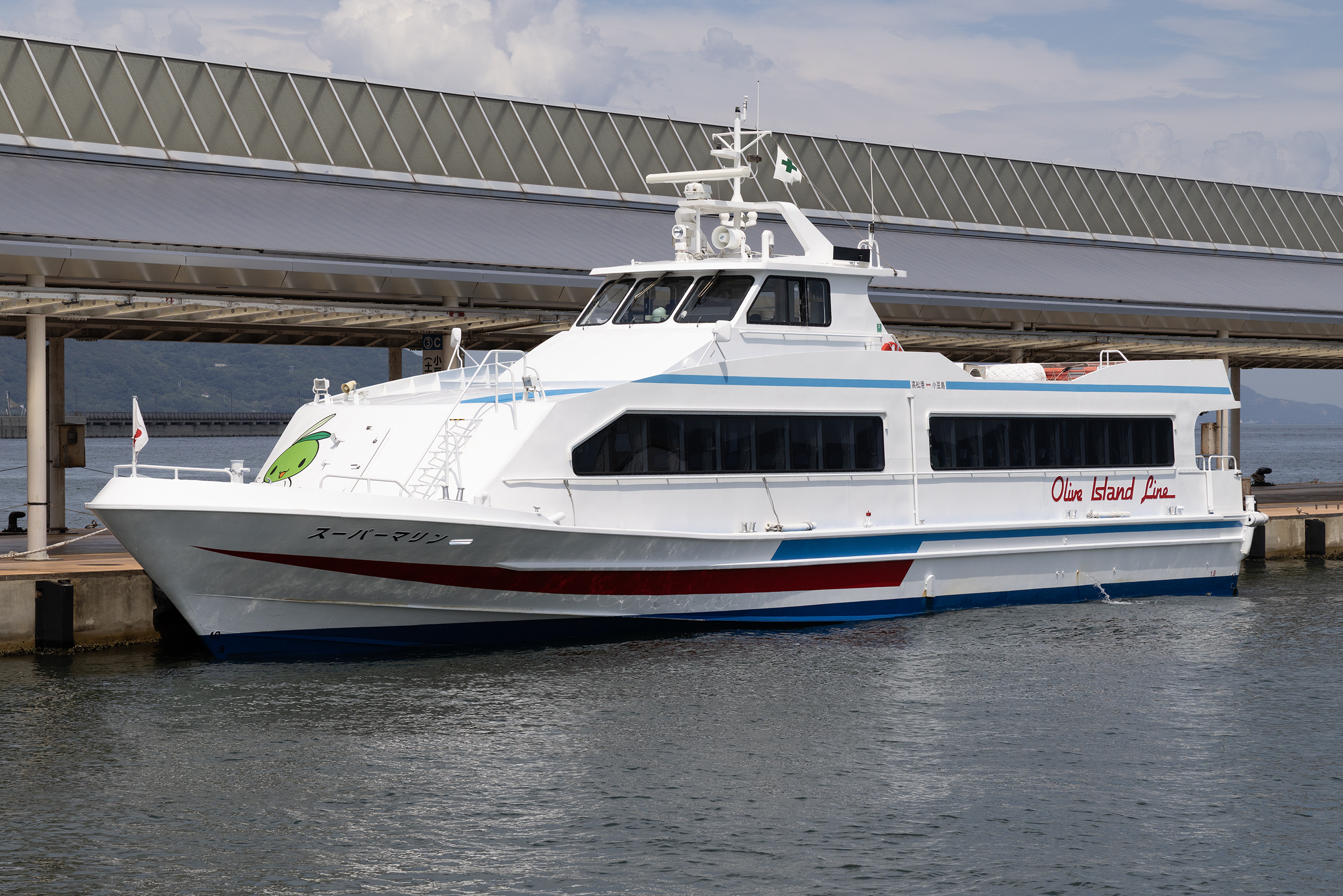
For a first Chugoku trip, decide between a southern rail route and a northern-coast chapter before comparing hotels. Hiroshima and Okayama fit the southern Sanyo corridor; Tottori, Matsue and Izumo call for a different transport plan. The aim is a workable holiday, not five prefectures collected between check-outs.
Quick choice: south, north or two bases?
Choose a southern base when the city days and onward journey you want follow the Sanyo corridor. Choose Tottori or a Shimane base when dunes or the northern coast are the main reason to go. Split the trip into two bases only when each has a distinct purpose and the transfer leaves useful time at both. These are editorial choices, not a claim that every named place is a convenient day trip.
Southern route: choose between Hiroshima and Okayama
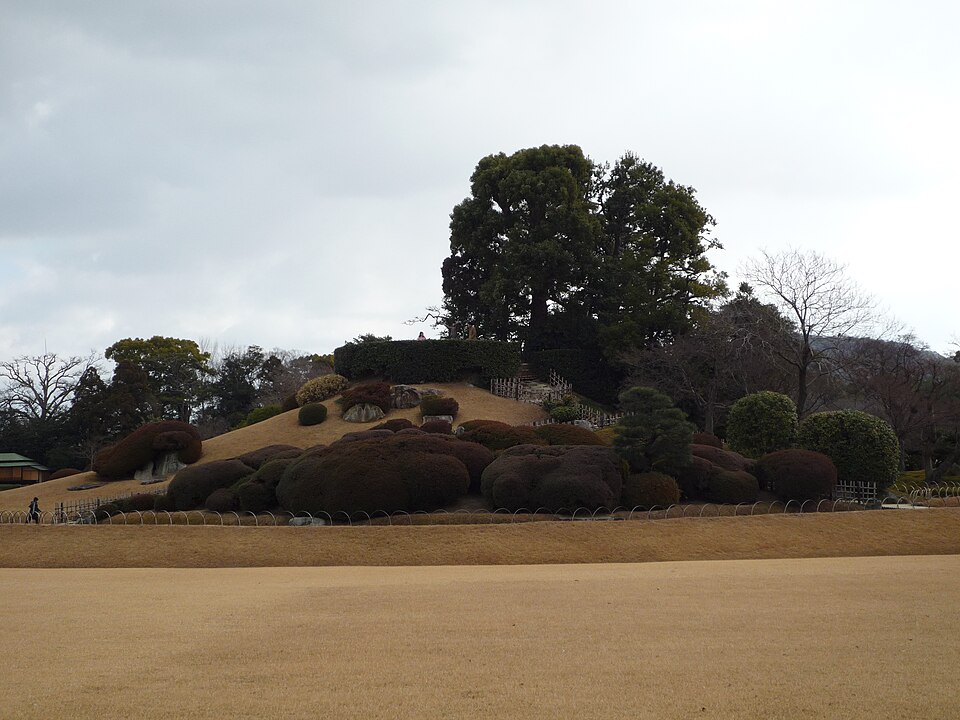
Hiroshima makes sense to investigate when the western part of the southern corridor is your focus. Okayama is an alternative when your interests lie farther east or your planned onward rail route uses that hub. Okayama Korakuen is one of the region's garden highlights; the winter photograph illustrates a different kind of day from the dunes, not current garden conditions.
When comparing two hotels, open the route from each entrance to the departure station you actually need. Add luggage handling and the final local journey at the destination. Our preference is to pay attention to this complete route before choosing a room because its nightly rate looks lower. A station-area room and a city-center room solve different problems.
Northern route: make Tottori an activity base or a stopover
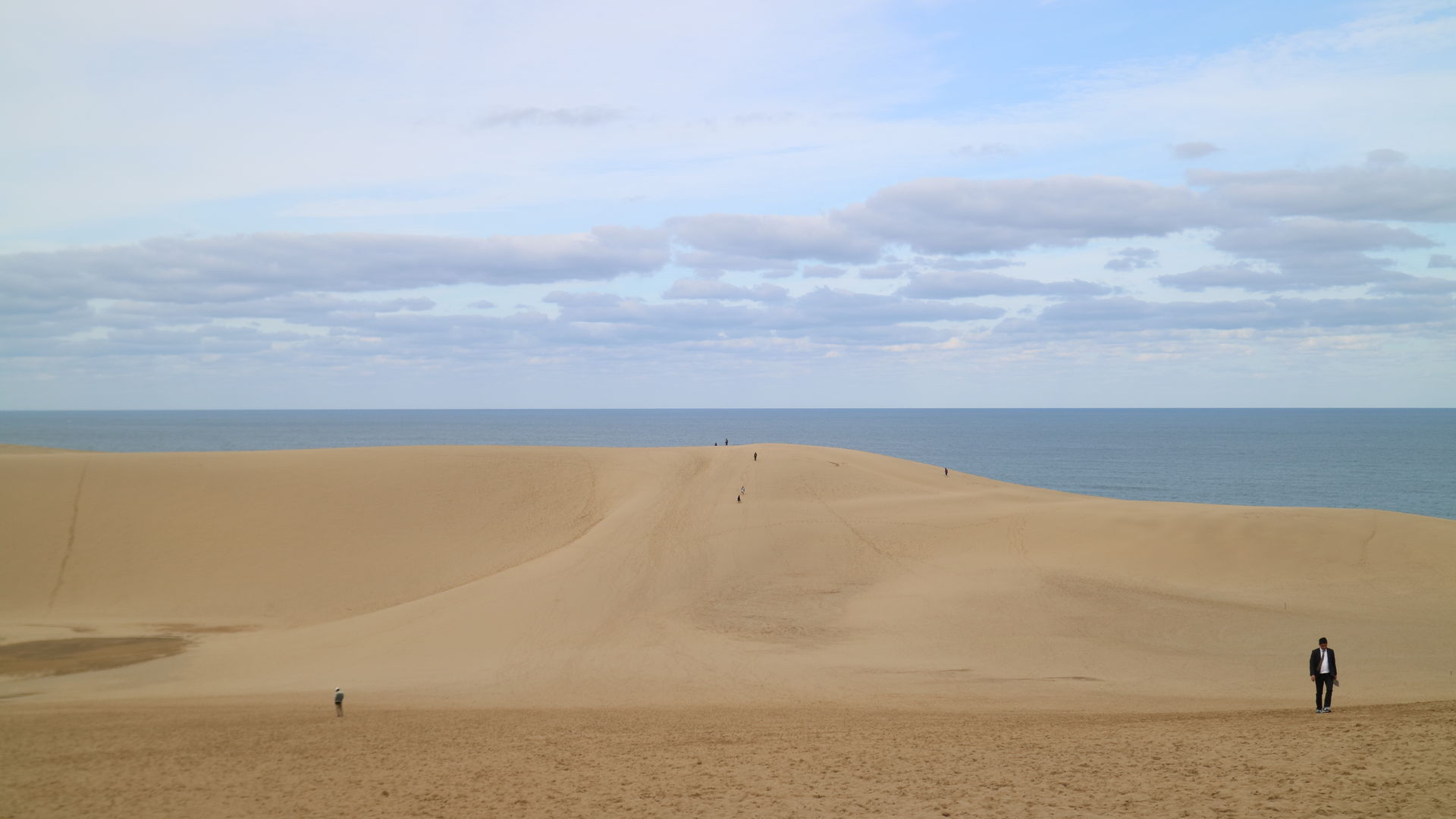
Two independent traveler reports show the decision clearly. One traveler dropped luggage at a Tottori hotel before a dunes paragliding session; another reached the dunes by bus and began a regional rental-car journey the next day. They share a destination but use it differently: an activity-centered stay versus an arrival stop before driving.
Our takeaway is to separate the arrival and activity or driving decisions. If the dunes are the reason to visit, put luggage storage and your meeting point ahead of a long onward drive. If Tottori is the first stop on a broader northern route, compare next-day pickup with collecting a car immediately after arrival. These are two self-reported anecdotes, not evidence of current bus schedules, activity availability or typical traveler satisfaction.
Give a north-south transfer its own space
JR West lists separate routes toward Tottori, Yonago and Izumoshi rather than a single continuation of the Sanyo Shinkansen. Before booking two bases, write down the actual hotel-to-hotel journey: departure stop, main service, changes, final local leg and luggage plan. Do not call it a sightseeing day until that journey leaves enough time for the sight you want.
For a short stay, our suggested structure is one arrival period, one main outing and one flexible day from the same base. For a longer stay, add a second geographical chapter instead of stretching every day trip farther from one hotel. This is pacing advice rather than a verified duration for a particular route.
Before you reserve a room or rail pass
First fix the dates and opening calendar of your priority attraction. Next test the transport on those dates. Then compare accommodation locations and refundable terms. Only after that compare any pass with the tickets for the exact route; include local journeys outside its coverage. The operator's ticket page below is a planning starting point, not a JAPANOVA affiliate offer.
Keep one fallback that works from the same base if weather or a missed connection changes the outdoor day. A coherent route with time to enjoy it is a better first purchase than a pass or room chosen before you know where you want to go.
Decide how much to combine in your Hiroshima day
Choosing the southern route does not oblige you to compress Hiroshima and Miyajima into one day. An independent visit lets you decide how long to spend at the places that matter to you. If time for reflection at the Peace Memorial Museum is a priority, protect that time before adding an island outing. Splitting the visits may suit your interests better than buying a busier schedule. This is our pacing recommendation, not a measured minimum visit time.
Compare a guide when you want explanation and help organizing a deliberately limited route. The linked Hiroshima and Miyajima product was listed on October 25, 2026 as about eight hours with a licensed local English-speaking guide and a choice of three or four sites. It is a customizable walking tour, not a promise to visit every place in the listing. Meeting the guide is on foot; a private vehicle is not included. Agree the exact meeting point, finishing point, stops and transport before treating it as part of your hotel-to-hotel plan. This product is not a transfer to Tottori, Matsue or another northern base.
Price the whole day rather than the guide alone. The listing puts transportation, ferry travel, entrance fees, lunch and personal expenses on the excluded side of its inclusions panel, and separately lists the Miyajima visitor tax there. Confirm which costs apply to your chosen route, current amounts and payment methods, including any guide expenses. We do not adopt the listing's individual attraction admission labels as proof of current opening or entry conditions. If walking distance, stairs or step-free access affect your choice, agree a suitable route rather than relying on a general accessibility label.
At our October 25 check, the cancellation policy offered a full refund for cancellation at least 24 hours before the start, with no refund or accepted changes inside that window; cutoff times use the experience's local time. Recheck the terms for your date and option. Keep the proposed eight-hour day separate from an uncertain arrival or a tight onward train: settle luggage and the required finishing time first. If the agreed stops or full cost do not improve the independent visit you want, retain your own plan instead. No current price, availability, queue bypass or guaranteed connection is promised.
Research-based guide prepared by JAPANOVA. Traveler accounts are individual self-reports; comparisons are editorial analysis.