Choose two priorities before choosing two nights
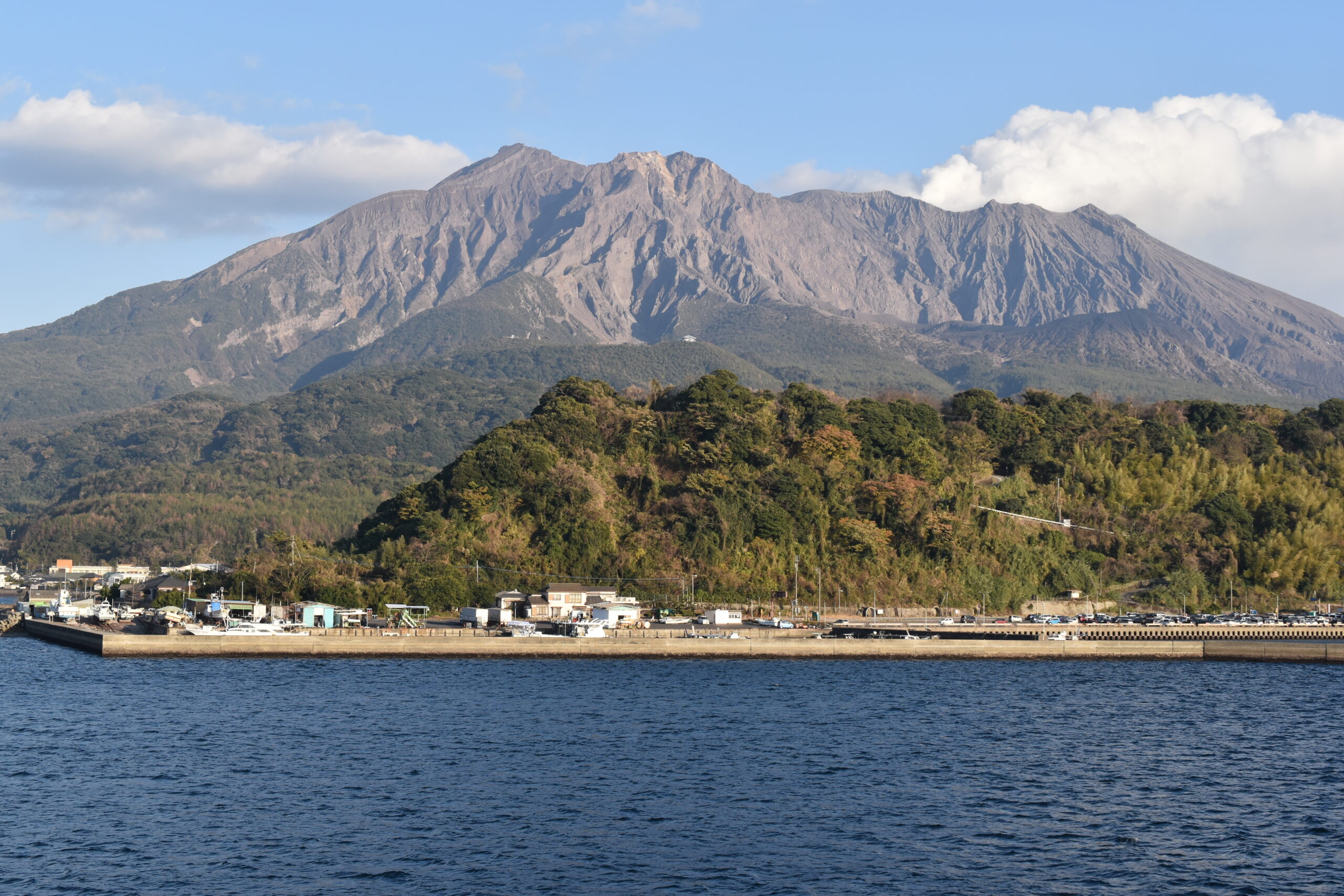
For two usable sightseeing days in Kagoshima, give Sengan-en one substantial block and keep a Sakurajima outing on a separate day. This is a suggested division for visitors interested in both places, not a claim that every trip needs two nights. Begin with your arrival and departure times: an evening arrival and morning departure do not create two full days of exploring.
Decide which experience matters most before booking accommodation or activities. If you want a particular workshop, plan around its actual availability. If the main reason for coming is an outing across the bay, leave room to change the order of your days. A garden photograph, a craft activity and a journey around Sakurajima make different demands on the timetable.
Keep the final day compatible with your onward travel. Add time to collect luggage and reach the departure point you will actually use. Avoid placing a fixed afternoon reservation immediately after an excursion whose return you have not worked out. The useful question is not how many attractions fit on a map, but which visit you would regret having to shorten.
Make Sengan-en the first day’s anchor
At our October 21, 2026 check, Sengan-en listed opening from 9 a.m. to 5 p.m., with final admission at 4:30 p.m. Its guide gives an exception to usual year-round opening on the first Sunday in March, the Kagoshima Marathon day. Check the calendar before treating any date as certain.
The listed general admission is 1,600 yen for visitors aged 15 and over excluding junior- and senior-high school students. Elementary, junior-high and senior-high school students pay 800 yen. Admission includes the residence and Shoko Shuseikan; consider those parts of the visit as well as the garden when deciding what the ticket is worth to you.
Start by selecting the areas you want to see. Do not assume that arriving just before the admission cutoff leaves enough time for the residence, museum and an activity. A workshop can become the central experience of a visit rather than an incidental stop. Confirm the activity, booking requirements and current charges directly before building the day around it.
Allow a meal and a break around your chosen block. If you prefer a city restaurant, make its reservation only after allowing a realistic return from Sengan-en. There is no advantage in paying for an activity and then spending it watching the clock for lunch.
Choose transport and luggage arrangements deliberately
Sengan-en’s current access page provides separate directions for rail, buses, airport arrivals and driving, with timetable links. Use the mode you actually intend to take. The page’s driving estimates from central Kagoshima or the ferry terminal are not walking times and should not be used to justify a quick stroll between outings.
Check both the outward and return service when planning a visit without a car. Include the approach to the stop or station and the time needed to leave the grounds. If your group has access needs, ask about the specific route and buildings you want to use, rather than assuming that a general transport description covers the whole visit.
The visitor guide lists paid lockers and a paid staff-storage option for oversized bags, with limited capacity and no advance reservation for storage. That can be useful, but it is not guaranteed space for every suitcase. Compare leaving luggage at your accommodation with carrying it to the entrance, especially if a departure-day plan depends on storing it successfully.
Keep a city walk or an unreserved meal as the flexible part of this day. Do not add a ferry crossing merely because you have finished the garden earlier than expected. First check whether the remaining daylight, local transport and return arrangement support the outing you actually want.
Give Sakurajima its own return plan
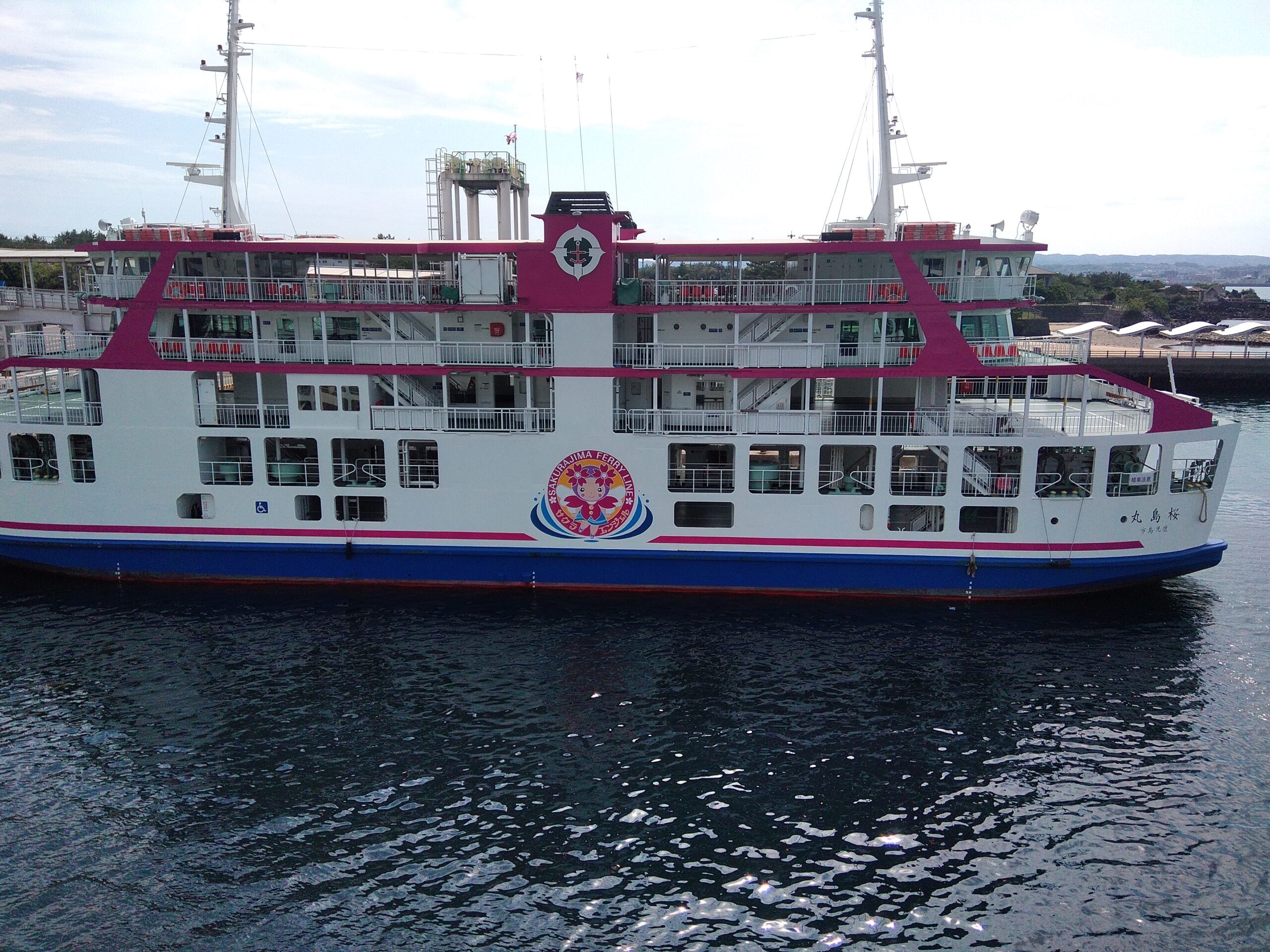
Before leaving for Sakurajima, choose what you intend to do after the crossing and how you will get back to the terminal. A ferry timetable does not establish the timetable of an onward bus. Work through the whole return, including the last part on the city side, before attaching an evening reservation or onward journey to it.
Do not rely on older descriptions of a 24-hour ferry. The operator ended that pattern on October 1, 2025, stopping departures in the midnight through 3 a.m. hours. Its notice says the terminals close after the final departure, so waiting inside overnight is not a fallback plan. Check the current timetable and operating notices for your date.
Choose a return with a margin instead of treating the final possible connection as a target. If conditions or services do not support the outing you planned, shorten or rearrange it rather than improvising a route from an old travel report. This suggested itinerary does not prescribe a hiking route or establish which paths are currently open.
You can reverse the garden and Sakurajima days. Preserve the flexibility until your dated admissions, activity reservations and departure arrangements make one order preferable. If only one outing strongly interests you, spend the spare time in a way that serves your trip rather than adding another paid stop to complete a list.
What two actual trips reveal about the tradeoffs
A traveler visiting in September 2024 went to Sakurajima in the morning but returned for a reserved handweaving activity elsewhere. They would have stayed longer without that commitment. On the following day, they spent about three hours at Sengan-en, including roughly two hours painting pottery. Their account shows how a chosen craft activity can determine the pace of a day.
A separate traveler in May and June 2025 visited Sakurajima after an early arrival in Kagoshima. Their later plan included Sengan-en after Yakushima, but they explicitly crossed that visit out after changing the route toward Kumamoto and a meeting with friends in Fukuoka. That is an omitted visit, not a second review of the garden.
The accounts point to different priorities: one traveler protected booked activities, while the other changed the route for the wider trip. Neither supplies current prices, pass coverage or operating hours. Use those experiences to test your own priorities, then use current provider information for the details before paying.
Our two-day division keeps the garden and bay outing from competing for the same small window. It is most useful when you genuinely want both. Choose the stay length after identifying those interests and the time available, and retain one part of each day that can move without losing a booking.
For visitors who want a guide, compare an optional guided day with this independent two-day split. The Viator listing checked for this guide offers about six hours with a licensed English-speaking guide and a choice of three or four sites. It is a walking tour with an on-foot meeting; a private vehicle is not included. Transport, admission, lunch and personal expenses cost extra. Sengan-en and Sakurajima appear in its customizable list as pass-by entries, so do not assume garden admission, a ferry crossing or time at both is guaranteed. Agree on the actual route, visits, extra costs and return time before committing. A guided day may help with interpretation and coordination; the independent split leaves more room for a workshop or a longer bay outing. Do not treat this option as a bundled two-day package.
Research-based guide prepared by JAPANOVA. Traveler accounts are individual self-reports; comparisons are editorial analysis.