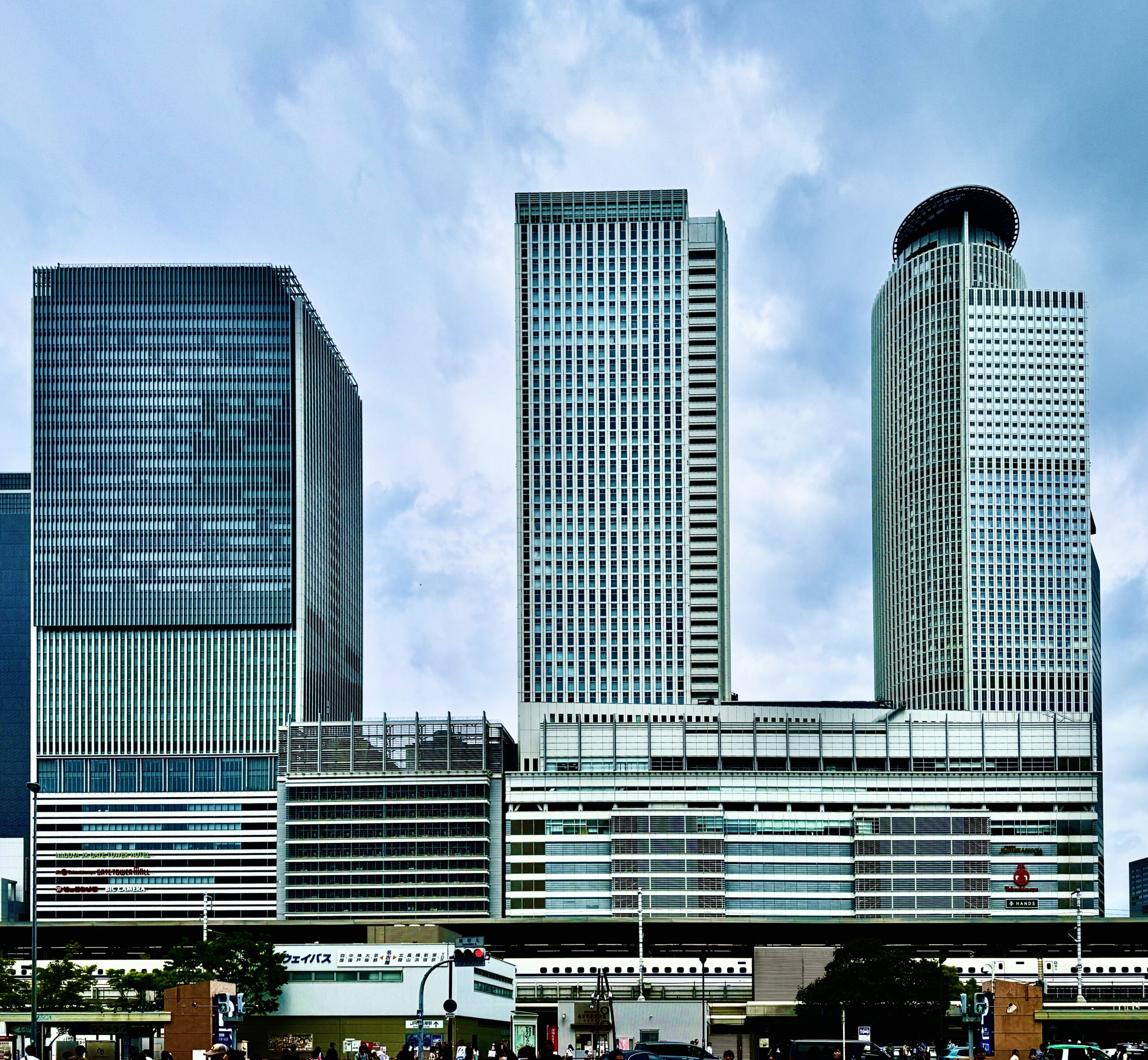
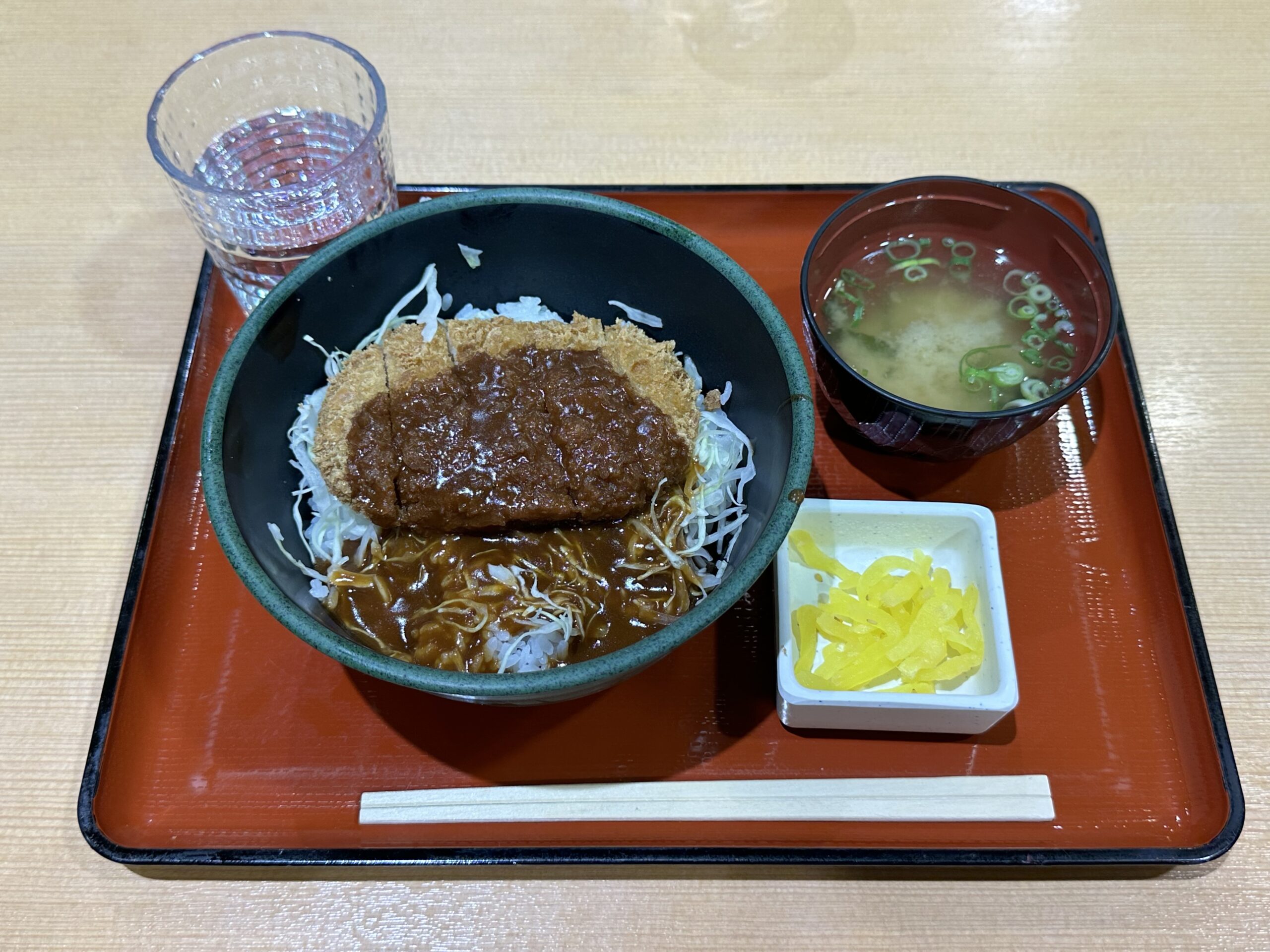
Yuba is a useful reason to plan lunch in Nikko rather than treating food as whatever remains between temple visits. The choice is how you want to try it: a single noodle or rice dish, several preparations in one set, or a smaller snack. Those formats have different demands on appetite and time. Choose the format before committing to a restaurant or building a sightseeing day around a meal photograph.
Choose a preparation, not just the word yuba
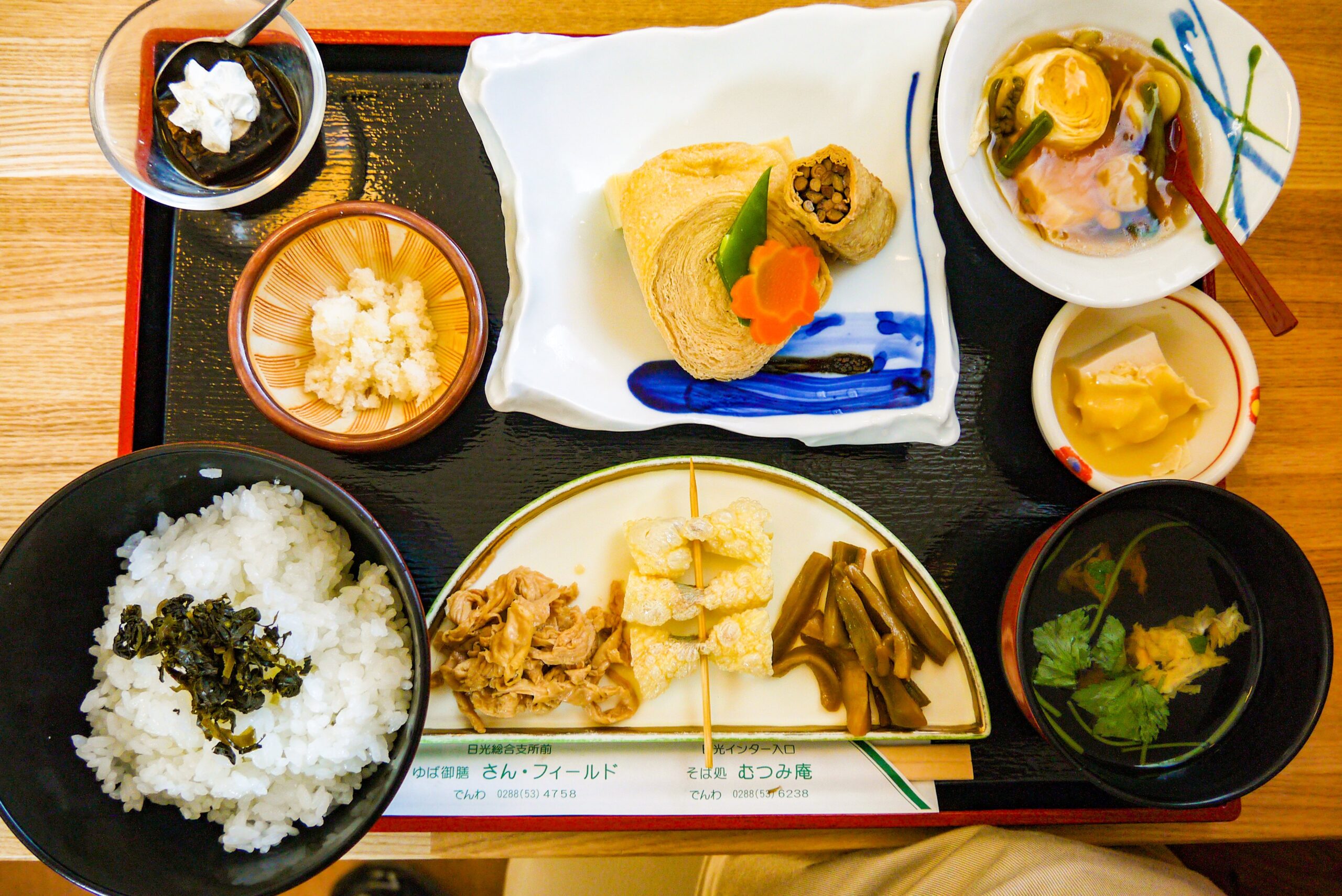
Nikko's official guide describes yuba as the skin lifted from heated soy milk. It can be served in sashimi style, fried or incorporated into dishes such as udon and manju. A restaurant's use of the word therefore does not tell you whether the main experience will be delicate, chewy, crisp, hot, cold, savory or sweet. Read the complete dish description.
For a first taste, choose a preparation that fits the meal you want. A noodle bowl gives yuba a supporting role in a familiar format; a set can let you compare several treatments. Ask what is included and whether a photographed spread is one person's order. If you are unsure about the ingredient, ordering the largest possible course is not the only way to experience a local specialty.
A set meal can be interesting without needing a large portion
A 2012 first-person Nikko lunch account describes three family members ordering different yuba sets. The writer found the preparations varied and enjoyed the initial bites of a warm rice bowl, but eventually found its sauce too sweet and the amount more than they wanted. A separate April 2025 trip report describes trying local yuba dishes during a slower, peaceful Nikko visit.
The accounts show different meal contexts rather than an agreed verdict on the best restaurant. Our inference is to match the portion and schedule to your own interest. If you mainly want to discover the ingredient, a focused dish may be enough. If comparing preparations is the point of lunch, leave time and appetite for a set. These historical personal reports cannot establish today's portion, recipe, price or wait, and neither makes yuba universally appealing.
Place lunch in the part of Nikko you will actually visit
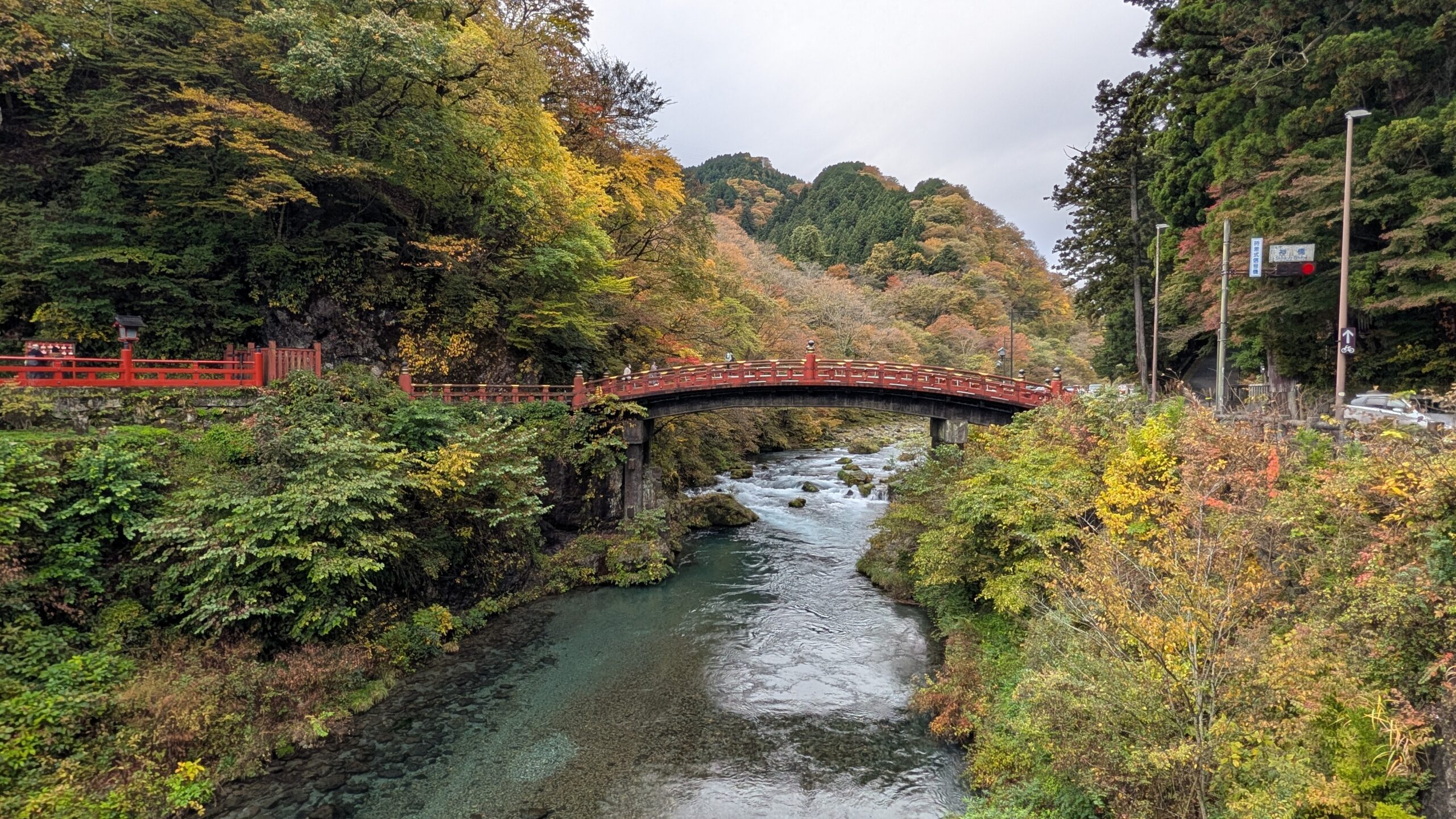
The official food itinerary treats lunch as a distinct stop and lists yuba, soba and other choices. Work backward from your day's scope: staying around the heritage area is different from adding a mountain excursion. A restaurant that looks close on a city-wide map may not fit a short stop between timed transport connections.
Choose one primary meal option and one practical fallback in the part of town you expect to reach. Confirm opening day, last order and whether reservations are needed directly with the business. If the meal is essential, protect its place in the day; if sightseeing is the priority, avoid a fixed course that turns every delay into a missed booking. This is a planning choice, not a forecast of bus congestion or restaurant queues.
Soybean food does not automatically mean a vegetarian meal
Yuba's basic ingredient does not establish the contents of the dish served around it. Ask about stock, sauces, toppings and other set components as well as the yuba itself. For allergies, explain the specific restriction and ask about preparation and shared equipment; do not rely on an English name, a photograph or removing a visible topping.
Hoshinoyado's official cuisine page describes its own yuba-based cooking. Use a provider's information to investigate the actual meal, then confirm whether it is available to you on the date and plan you want. A ryokan's cuisine photograph does not mean that every lunch guest can order it without a reservation or that it is included in a room-only stay.
Check the complete meal before you reserve
For a single dish, check the tax-inclusive total and any required additions. For a course, confirm the number of diners, serving time, cancellation policy and ingredient restrictions before booking. Do not use a historical traveler's bill as a current quote. If your return transport is fixed, leave a realistic margin for ordering, eating and paying instead of budgeting only the time when food is on the table.
A snack is a separate decision from lunch. If you choose a yuba-related sweet, check what kind it is rather than expecting a savory tofu dish. Keep one main food goal and leave the rest optional. A well-placed meal can add a distinctive part of Nikko to the day without requiring you to sample every yuba preparation or abandon the sights you came to see.
Research-based guide prepared by JAPANOVA. Traveler accounts are individual self-reports; comparisons are editorial analysis.
Facility and shop information
- Hoshinoyado — checked 2026-10-19