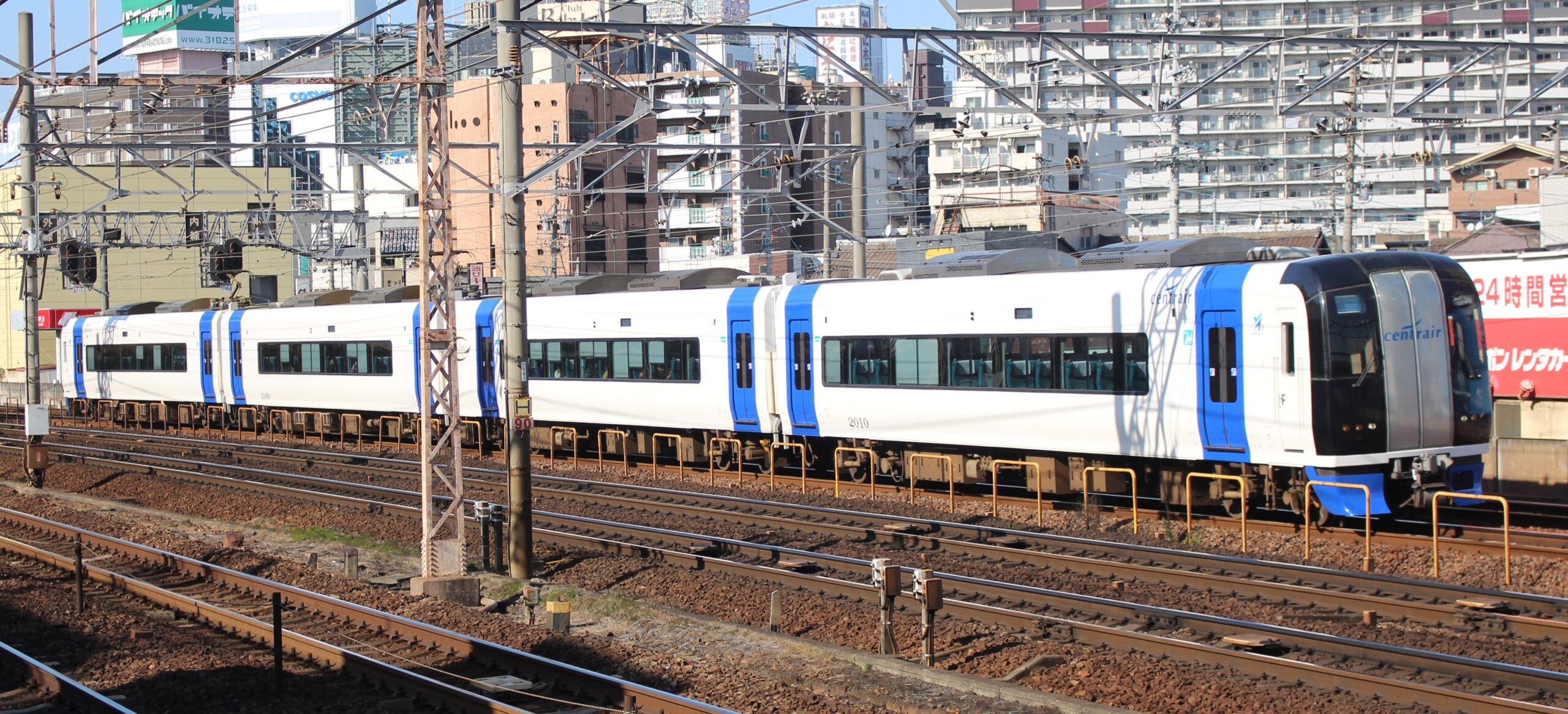
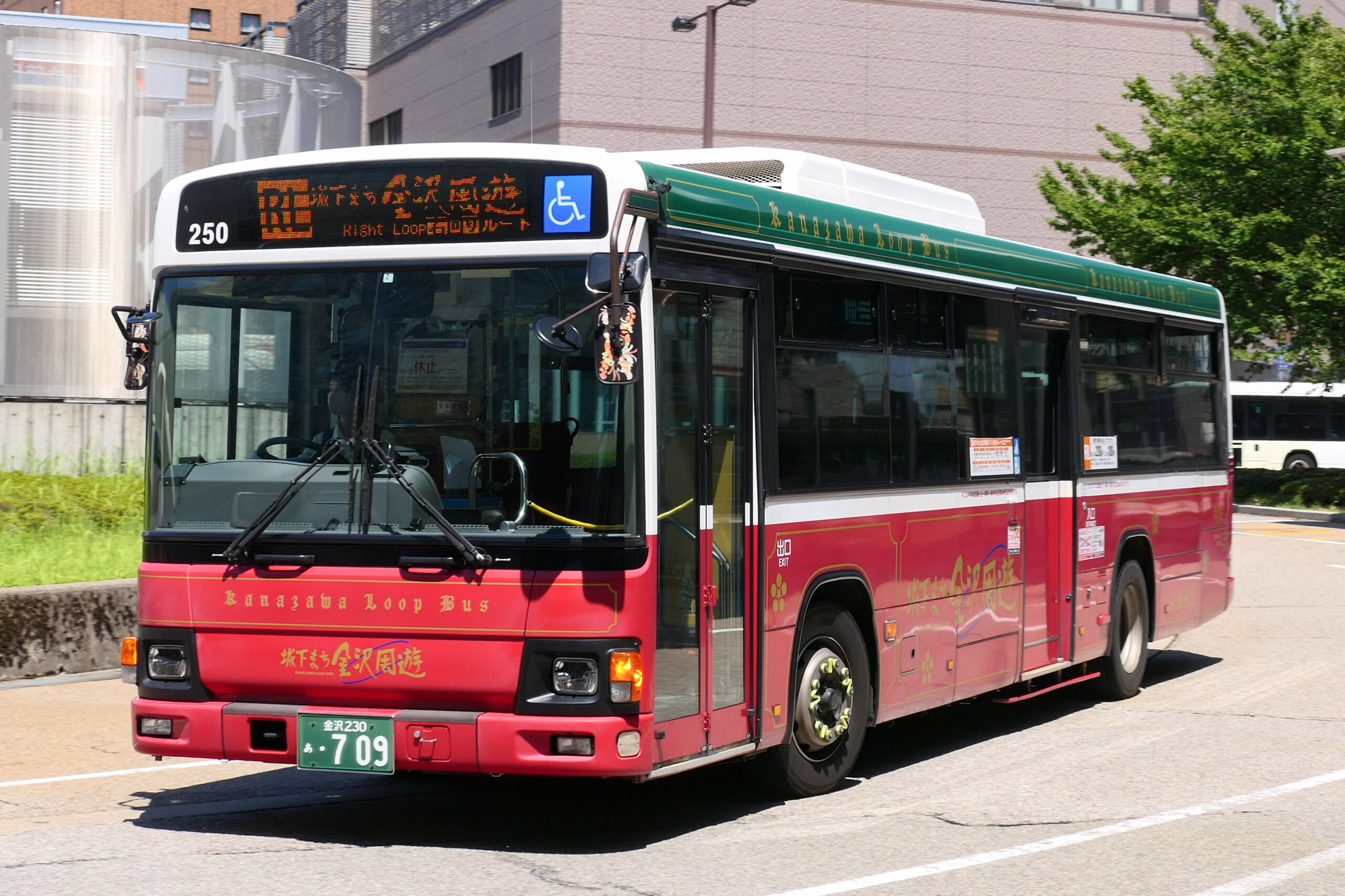
A Kamakura day can become a rush between famous names, but Hase offers a more coherent starting point: pair Hasedera with Kotoku-in, then choose whether you still want a coastal break or a larger journey. The two temples are close enough to consider together, yet they reward different kinds of attention. Give them a real visit before deciding to add a forest trail, Enoshima or the rest of Kamakura.
Use Hase as the arrival for this particular pair
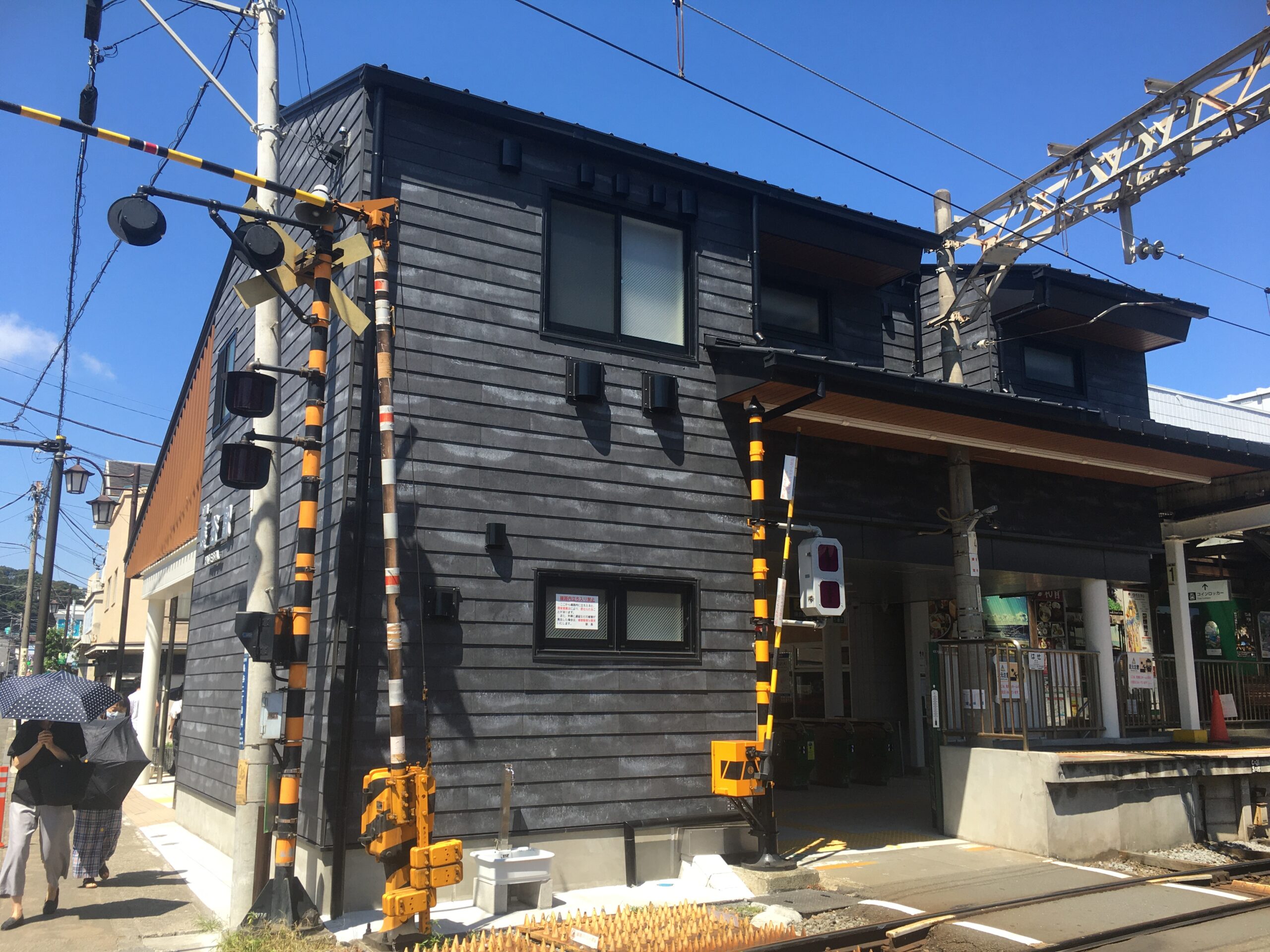
Hasedera's official Japanese access information describes reaching the temple from Enoden Hase Station. Kotoku-in's own directions also use Hase and identify Hasedera among the nearby sites. This gives the pair a practical access anchor. Check your actual arrival route from Tokyo or your accommodation rather than assuming every Kamakura outing should begin with the same station-to-shrine walk.
Save both entrances before leaving the station. Hasedera and Kotoku-in are separate temples with separate visitor arrangements; a ticket or queue at one does not cover the other. Agree which is your main priority, especially on a late arrival. If time becomes short, having one clear priority is more useful than rushing both merely to complete the pair.
Give Hasedera time beyond the name on a checklist
Investigate Hasedera's grounds and current visitor information before deciding the pace. Its official guide distinguishes the usual admission window from the extended April–June period. Confirm the date-specific information directly rather than using an old English traveler's receipt as a current fee or treating the closing time as the latest sensible arrival.
A temple visit includes more than moving from an entrance to one object. Leave room to follow the permitted route, pause where it is appropriate and respect signs about photography or access. If stairs, walking surfaces or a particular building are important to a group member's ability to visit, ask the temple about that exact route beforehand. A destination described as close to a station is not therefore fully accessible in every part.
Visit Kotoku-in as a distinct stop
Kotoku-in is the temple associated with Kamakura's Great Buddha. Its official information provides access from Hase and separate details for visiting the grounds and the statue's interior. Check what is open and what your chosen admission covers; do not assume the interior is included or available just because you can enter the grounds.
The temple also sets photography conditions, including permission for commercial photography. Follow the on-site rules and any restrictions on equipment. This guide uses access and coastal context photographs instead of treating a photographer's copyright license alone as proof of permission for every commercial use inside a temple. When planning a visit, keep the distinction between enjoying a personal photograph and arranging a professional shoot clear.
Two day trips warn against adding every attractive extension
An April 2023 report describes visiting the coast, Hasedera and Kotoku-in, then finding the beginning of the Daibutsu hiking trail harder than the writer expected from easy-hike descriptions. A separate honeymoon report published in December 2025 describes adding Hasedera after earlier temple stops took less time than expected, and particularly appreciating its main hall.
Both writers enjoyed a temple-focused Kamakura visit, but their routes were different. The first account gives a concrete warning about assuming a forest trail is a casual link between sights; the second shows the value of leaving enough flexibility to add a temple that interests you. These are historical self-reports, not current trail-condition assessments or a universal time allowance. Our inference is to choose an extension for its own demands, not add it because a map draws a convenient line.
Choose a coastal pause or a bigger outing deliberately
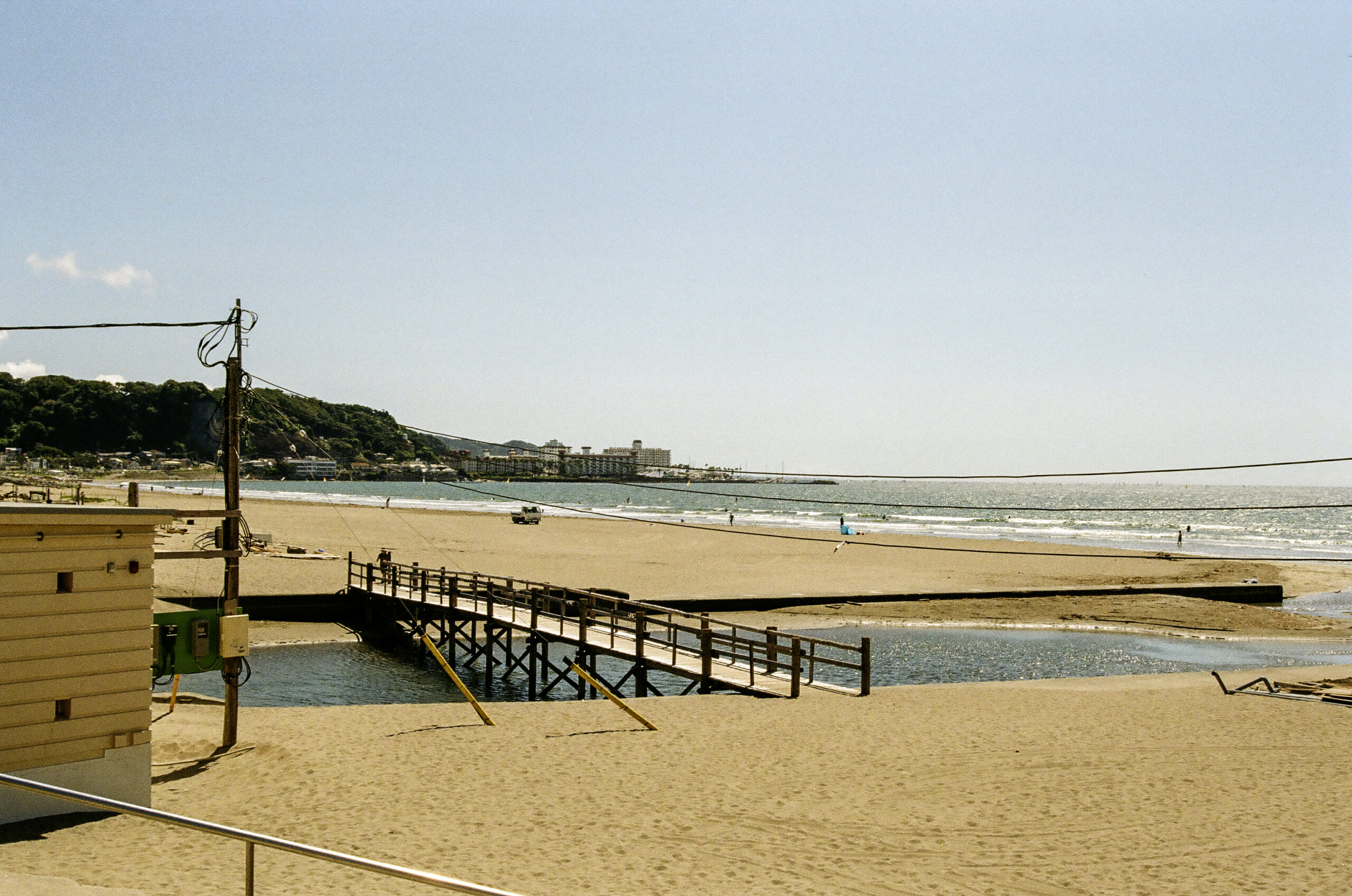
If your group wants a break after the temples, investigate a nearby coastal walk as a separate, optional part of the day. Check the route you intend to use and current conditions; a beach photograph is not evidence that swimming or another activity is permitted or suitable today. You can appreciate a sea view without turning the afternoon into a second ambitious itinerary.
If hiking is the main attraction, consult current local trail information and prepare for that specific route before setting out. Do not enter a closed path or rely on a multi-year-old report's description of steps, vegetation or signs. Combining a hike with the temples can be worthwhile, but it should be a planned physical activity rather than the assumed shortcut back to your train.
Before buying any day pass or tour, compare it with the journeys you will actually make. An attractive pass name does not make every extra destination necessary. Check temple admission separately, then keep lunch and the return journey realistic. For a first Hase visit, two considered temple stops and one optional break can be enough; the rest of Kamakura will still be there for another day.
Research-based guide prepared by JAPANOVA. Traveler accounts are individual self-reports; comparisons are editorial analysis.
Facility and shop information
- Kamakura Hasedera — checked 2026-10-19
- Kotoku-in — checked 2026-10-19