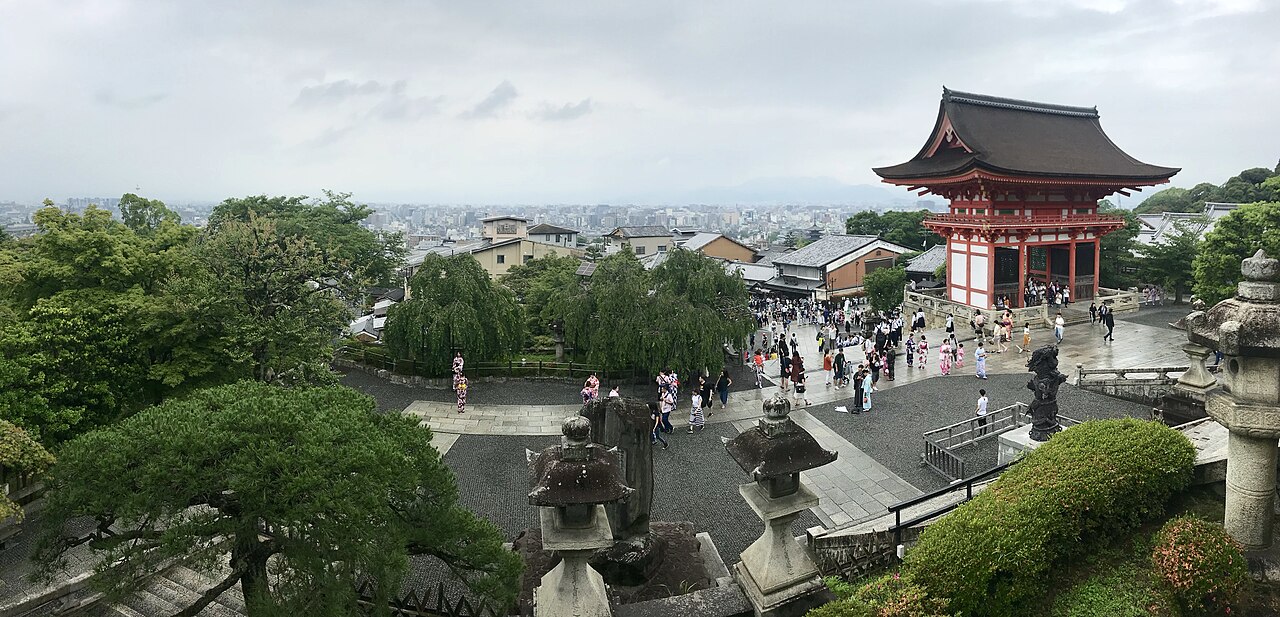
Hokuriku rewards a food plan with variety. Seafood is an obvious starting point, but making every meal a large seafood bowl can obscure the differences between prefectures. A more useful approach is to give each stop a different purpose: seasonal fish in Toyama, a wider local-cuisine search in Kanazawa, noodles in Fukui, and rice or sake in Niigata.
- Choose the meal before choosing the restaurant
- Toyama: ask about the season
- Kanazawa: compare meal formats
- A market meal can take more than one form
- Fukui: make space for soba
- Niigata: taste the staples deliberately
- Plan the meals around the journey
- Compare independent meals with optional guided time
- Facility and shop information
Choose the meal before choosing the restaurant
For a flexible sightseeing day, plan a market browse with a fallback sit-down meal. For a meal you would regret missing, choose a reservation with a clearly stated course, price and cancellation policy. For a non-seafood contrast, investigate Fukui soba or Niigata's rice-based food culture rather than ordering a second large fish bowl out of habit.
A seafood photograph is a reason to ask what is in season, not evidence that the pictured dish is being served today. Build your plan around a meal format and a spending limit you choose, then check the actual menu.
Toyama: ask about the season
Toyama's official food material highlights firefly squid and white shrimp in spring and Himi winter yellowtail in the colder season. Treat these as pointers for questions, not a guarantee about any restaurant's menu. Ask what is available that day, whether the fish is served raw or cooked, and whether an advertised set changes with the catch.
If a particular ingredient is the main reason for your trip, confirm it before making a nonrefundable restaurant booking. A seasonal photograph can remain on a website after the dish disappears from the current menu. Leave room for a substitute rather than building the whole journey around one plate.
Kanazawa: compare meal formats
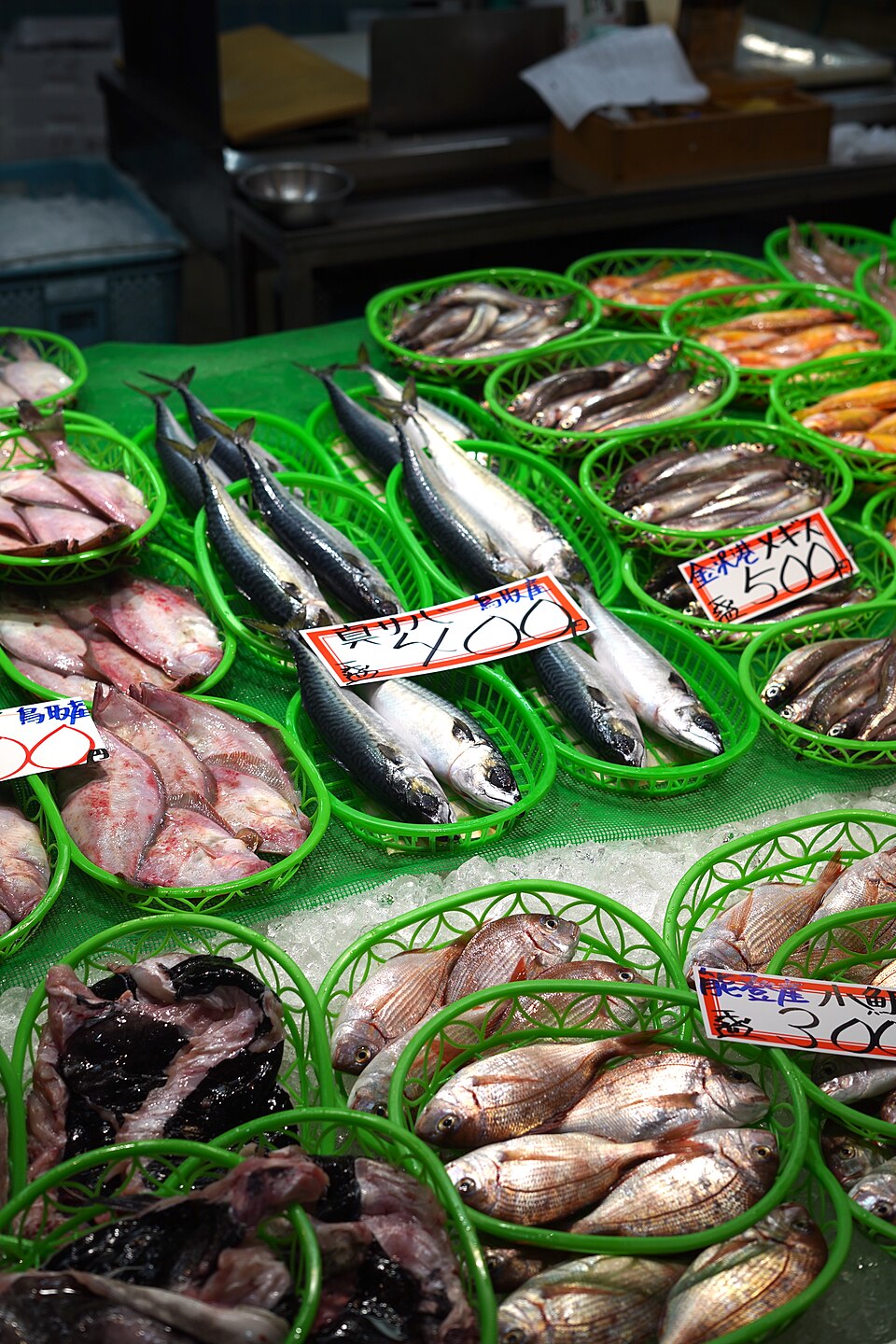
Kanazawa's official directory covers sushi, local specialties, cafes and fermented foods. Use those categories to design contrasting meals: perhaps one seafood lunch, a different local dish for dinner, and a separate sweets break. The directory also offers dietary filters, but the business should confirm whether its current preparation meets your needs.
Decide whether you want a flexible casual meal or a reservation that structures the evening. For the latter, check the complete cost, course contents, duration, language arrangements and cancellation rules. A famous name matters less than a meal that fits your appetite and the rest of the day.
Before joining a line, decide what would make the wait worthwhile: a particular ingredient, a seated rest, or the experience of trying several small foods. A long queue is not proof that the restaurant suits your dietary needs. Ask where food may be eaten, keep shop entrances clear, and avoid assuming every purchase can be eaten while walking.
Omicho's own site separates fish sellers, food shops and restaurants and provides a market map. Start there to identify a genuine dining business rather than treating a raw-fish display as a restaurant menu. Contact the individual shop about today's hours and ingredients.
A market meal can take more than one form
One family's May-June 2025 account describes browsing Omicho Market for small bites and enjoying a Kanazawa curry dinner there. A January 2025 food traveler instead wanted something warm at the market for breakfast; on a different day they chose table-service sushi near Kanazawa Station because the conveyor line was long. They also observed that another sushi option had little line in the morning.
These individual meals cannot predict your wait or establish a best stall. They do show why a food plan should specify the experience you want: sampling small purchases in permitted eating areas, sitting down for a meal, or warming up before sightseeing. Check the current vendors and hours, then leave room to change course when a queue or the weather alters your appetite. No one report proves the market is uniformly busy or that every visitor should order the same dish.
Fukui: make space for soba
Echizen soba is a useful change of pace. The regional guide describes buckwheat noodles commonly served with grated radish and a soy-and-dashi broth. Do not infer dietary suitability from the noodles alone: ask about the broth, toppings and preparation. A simpler-looking dish can still need careful ingredient checking.
Niigata: taste the staples deliberately
Niigata's specialties include rice and sake. Hegisoba, whose noodle dough includes seaweed, offers another point of comparison with Fukui's soba. Rather than ordering everything at once, choose one main meal and one smaller tasting opportunity. If you want to learn about a product, ask whether explanations are available in English before booking an activity advertised as a tasting.
Plan the meals around the journey
Reserve only the meals that would disappoint you to miss. Leave a backup near the hotel for arrival night and keep a transfer-day lunch flexible. For every fixed booking, save the business's address, confirmation and cancellation deadline. Check the return journey before adding a distant dinner to the schedule.
Keep a short tasting note after each meal: what you ordered, how it was prepared, and what you would choose differently. That makes the next order more informed without turning your holiday into a competition to finish a regional checklist. The aim is a sequence of distinct meals that fits your route and preferences.
Compare independent meals with optional guided time
The two traveler accounts above illustrate different aims: several small purchases, a hot breakfast or a seated meal. Choosing independently lets you adjust portions and stops as appetite and queues change. Guided time may suit someone who values explanations of local food and help planning a sequence of stops. Neither account reviewed a paid tour. Hiring a guide does not itself establish a queue-free visit, a reserved restaurant seat or a tasting substantial enough to replace lunch. Decide which meal experience you want before comparing paid options.
The link below opens a Kanazawa experience directory, not one fixed package or an endorsement of every result. At our October 25, 2026 check, it displayed market tastings, evening food outings, cooking experiences and city walks alongside excursions outside the city. Narrow your comparison to the meal or neighborhood that fits your day. Establish exactly which food and drinks are included, what is ordered and paid for separately, whether transport or guide expenses add to the total, and whether the activity is private or shared. Compare that complete arrangement with the dishes you would choose independently; we have not established a current price or a saving for your dates.
Before committing, confirm the selected option's language, meeting and finish locations, duration, dietary arrangements, walking and seating requirements, confirmation process and cancellation deadline. Ask whether a tasting replaces a meal or leaves time and appetite for lunch. Ingredient and allergy assurances must come from the actual operator; conditions from one product cannot establish another's suitability. Keep the return journey and a fallback meal separate from the booking. A search result or a free-cancellation badge does not confirm that these arrangements fit your party.
One listing shows why an exact finish time matters. On October 25, we checked Taste of Kanazawa (Food tasting in Omicho Market & Higashi Chaya), product 88437P25. Viator described about two hours, while the operator's page said up to or about two and a half hours and also showed a 09:30-11:30 schedule. We could not establish which timing applied to a selected booking and do not recommend booking that product until the operator confirms the applicable start and finish in writing. This is a warning about that listing, not every experience in the directory. Do not plan an onward train around the shortest displayed duration; keeping an independent market meal remains a useful alternative.
Research-based guide prepared by JAPANOVA. Traveler accounts are individual self-reports; comparisons are editorial analysis.
Facility and shop information
- Omicho Market — checked 2026-10-19