Nagoya Station and Sakae are both useful hotel search areas, but they should not be treated as interchangeable labels for the city center. The right choice depends on when you need the railway hub and where you want to spend the hours after sightseeing. Make that decision before comparing attractive room photographs or chasing a small difference in the nightly rate.
Stay by Nagoya Station when departures shape the trip
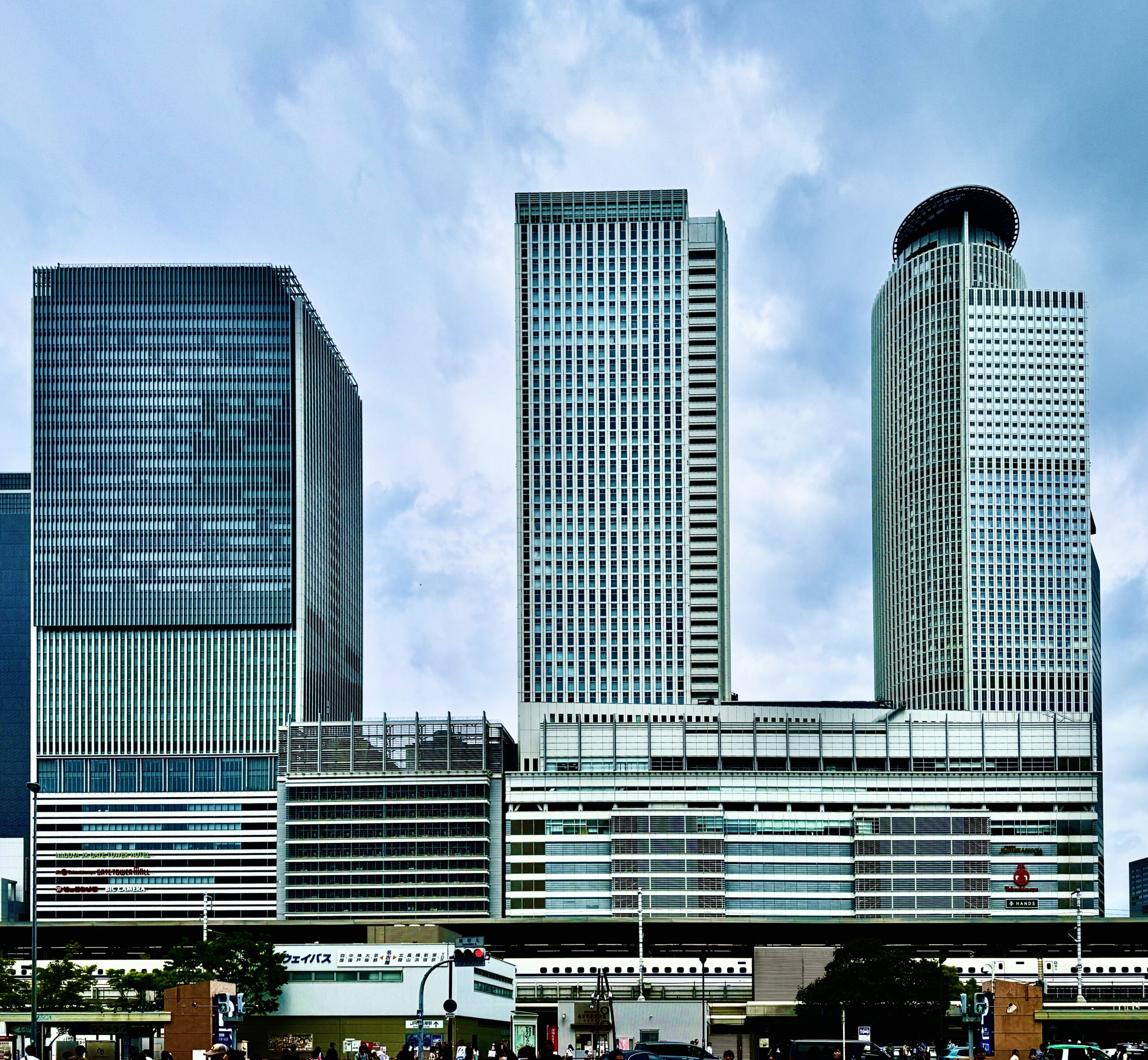
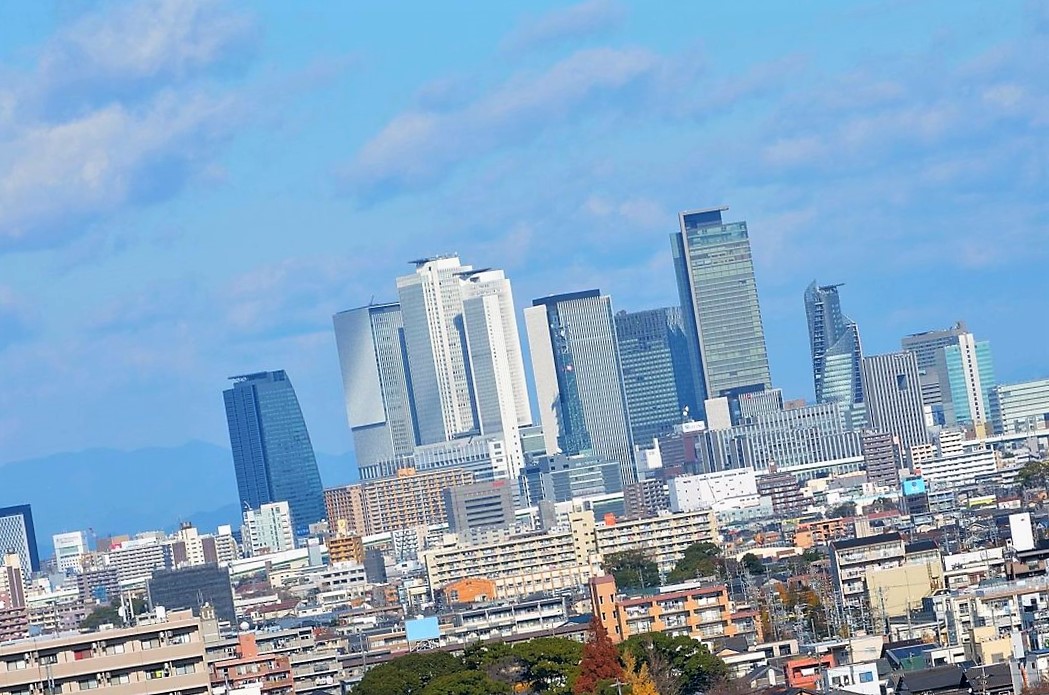
Nagoya's official visitor guide describes the station area as a hub for JR, subway, Kintetsu and Meitetsu services, with large commercial facilities around it. Consider this area if your stay is short, your arrival is late or you plan onward rail travel early the next morning. These are reasons to reduce the final transfer with luggage, not proof that any nearby hotel is the best one.
Nagoya Marriott Associa is an example of a hotel located directly above the station, as described by its official information. That demonstrates the difference between an integrated property and a general nearby address. It does not tell you the current rate, the route from your particular train or whether the room suits your group. Read the actual access instructions before reserving.
Choose Sakae when your evenings are the priority
The official accommodation directory treats Sakae and Fushimi as another search area. Give it serious consideration when you want your hotel near the city activities and dinners you have chosen there. A hotel base should serve the parts of the day you repeat. Spending one transfer on arrival can be a sensible trade if the rest of your stay revolves around that address.
The Royal Park Hotel Iconic Nagoya provides a concrete Sakae example. Its official access page describes an underground connection from Sakae and Sakaemachi stations, with specified access hours. This is a useful reminder to check more than the phrase connected to the station. A route available in the afternoon may need a different entrance late at night.
What two stays tell us about choosing a base
A solo traveler reporting an August 2023 trip stayed in Sakae while pursuing anime and manga interests. Another visitor, writing in 2024, described enjoying the streets, bars and underground Sakae area while staying between the science-museum area and the television tower. Their accounts support different reasons for using the center: a focused trip objective and enjoyable time around the hotel.
Neither account compares identical rooms in both districts, and neither proves that Sakae is better for every visitor. Their useful common feature is a defined purpose. Copying a hotel area without copying the traveler's activities can produce the wrong result. Write down what you want from the evening, then check whether it is actually near your candidate property.
Check the route beyond the station name
For each hotel, map the trip from your arrival service, the first morning outing and your onward departure. Confirm the hotel entrance rather than measuring a straight line to a station pin. If an underground connection matters to you, read its operating hours and any alternative route. Add time to find the entrance instead of assuming a building above a station has a lobby beside every gate.
If you are considering Sakae for a stay dominated by daily excursions from Nagoya Station, count those repeated journeys. If you are considering the station area for several city evenings in Sakae, count those returns too. This makes the tradeoff visible without pretending there is a universal distance or price threshold that settles it.
Compare room terms before comparing districts
Align the number of guests, beds, cancellation deadline, breakfast and total stay price. Check whether your chosen room is smoking or nonsmoking and whether the bed configuration suits everyone. An appealing area does not compensate for a room that fails your basic requirements. Likewise, a cheaper nonrefundable booking is not equivalent to a flexible reservation you may need to change.
If you will arrive late, confirm the hotel's check-in arrangements directly. If you want to leave luggage before check-in or after checkout, verify the property's policy rather than extrapolating from another guest's trip. These practical questions often matter more than choosing which district wins a broad online recommendation.
A simple decision for a short stay
Start at Nagoya Station when the trip's arrival and departure logistics dominate. Start in Sakae when your actual city plans and evenings justify that base. Then compare individual properties on the same conditions. There is no verified cheapest area for all dates, and the example hotels are location references rather than personal recommendations. Reserve the room and route that work together.
Research-based guide prepared by JAPANOVA. Traveler accounts are individual self-reports; comparisons are editorial analysis.
Facility and shop information
- Nagoya Marriott Associa / JR Central Hotels — checked 2026-10-19
- The Royal Park Hotel Iconic Nagoya — checked 2026-10-19