Champon and sara udon give you two different ways into Nagasaki's noodle cooking. Choose champon when you want a soup-based meal; choose sara udon when the attraction is noodles under a thickened topping, and ask which noodle style the restaurant serves. If you have two meal windows, try one at each. If you have one, choose the texture you want rather than trying to order an entire city's food culture at once.
- Make the choice by soup and noodle texture
- Choose a meal location that fits the day
- Read the current notice before planning around Shikairou
- Two diners show why portion and expectation matter
- Check ingredients before relying on the photograph
- Give each meal its own place in the visit
- Facility and shop information
Make the choice by soup and noodle texture
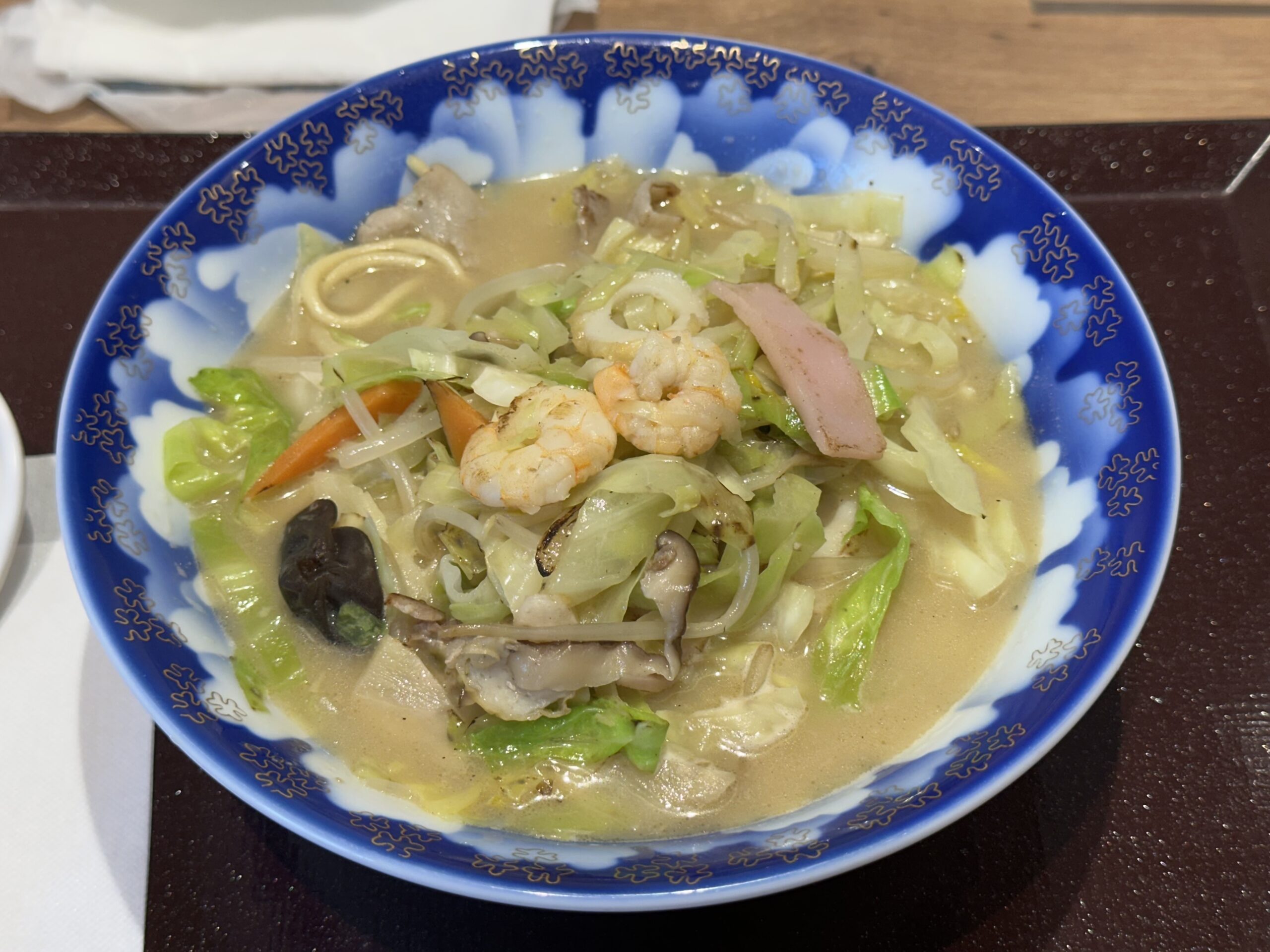
Nagasaki's official visitor guide distinguishes champon, where noodles and ingredients are cooked with the soup, from sara udon served on a plate with a thickened topping. Sara udon can involve thin or thick noodles; the name does not guarantee one texture everywhere. Ask whether the restaurant's version uses crisp thin noodles or a softer, thicker style.
Do not picture the familiar thick white udon noodle simply because the name contains udon. Look at the actual menu description and photograph. If two people want to compare dishes, check the restaurant's per-person ordering and sharing arrangements before assuming one plate will serve the table. Appetite and serving size matter more than collecting two names on a checklist.
Choose a meal location that fits the day
A station meal can work on arrival or before departure, provided you leave enough time for cooking and payment. A meal in the Oura area can fit a day already planned there. A Chinatown stop makes more sense when you genuinely want time in that neighborhood than when you are crossing town only to follow a ranking.
Shikairou's official site explains its connection with both dishes and gives the restaurant's Matsugae-machi address. Its historical role is a reason to research it, not a promise that you will personally prefer its bowl or get a table immediately. Compare its location and current admission arrangements with the rest of your day before making it the fixed center of a short visit.
Read the current notice before planning around Shikairou
The restaurant's October 2026 operating notice separates final admission from closing and warns that admission can end earlier when crowded. It also states that ordinary restaurant reservations are not accepted, with separate conditions for private-room course bookings. Do not pay a reservation intermediary on the assumption that it can secure an ordinary table.
A city tourism listing can supply useful background while still showing different admission details from the restaurant's latest notice. For a time-sensitive meal, prioritize the restaurant's dated operating information and confirm again before going. Build an alternative nearby, especially when your meal must finish before a ship, train or attraction reservation. A published closing time is not permission to join the queue at the last minute.
Two diners show why portion and expectation matter
A September 2024 travel diary described trying thin-noodle sara udon at Soshurin in the station's Kamome Market and returning later for champon. The writer strongly enjoyed the sara udon but initially found the champon broth lighter than expected, then adjusted it with table seasonings. A different 2026 solo-travel account described being surprised by the size of an airport sara udon order.
These are not competing scores for a single restaurant: the places, meals and expectations differ. The shared lesson is to look beyond the dish name. Ask about portion size, taste the broth or topping before adding seasoning, and compare like with like. JAPANOVA does not treat either reaction as proof that champon is bland, sara udon is huge, or a station branch represents every kitchen in Nagasaki.
Check ingredients before relying on the photograph
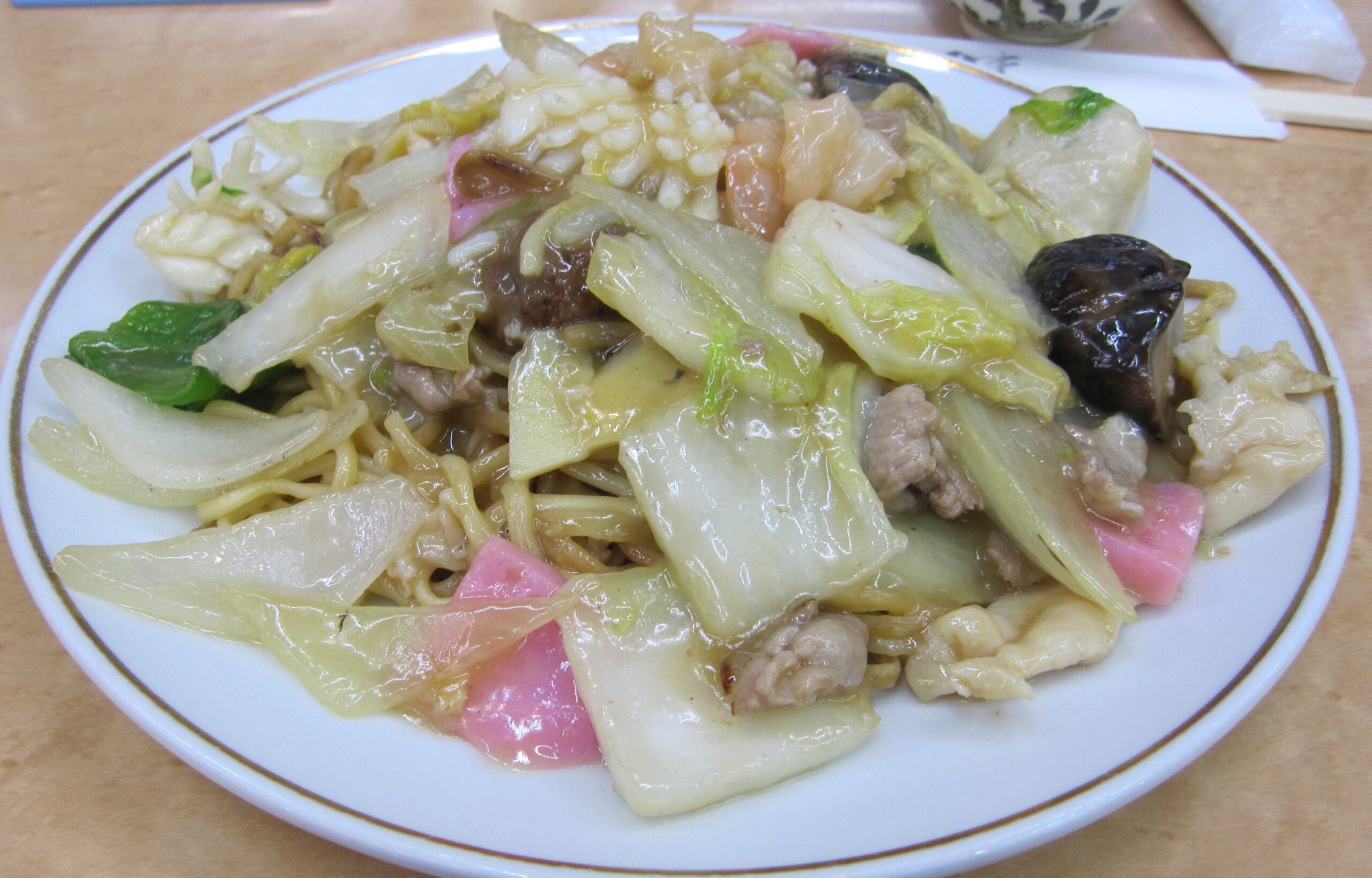
The official guide's descriptions include seafood, vegetables and meat ingredients. The exact combination varies by dish and restaurant, so check the actual serving if you avoid pork, shellfish or another ingredient. Removing a visible topping is not the same as changing the stock, sauce or shared preparation equipment.
The champon photograph here records a meal at Soshurin in February 2026. The sara udon photograph records a different historical serving at Horaiken. They illustrate the contrast between a soup bowl and a plated meal, not the current portion or recipe at Shikairou. Use the shop's own current menu when deciding what you will order, and ask about anything the wording does not settle.
Give each meal its own place in the visit
For a short overnight stay, an editorial approach is one noodle lunch and a different dinner, leaving the second noodle dish for the following day only if it still appeals. That creates a better comparison than forcing two large servings into one hurried sitting. If traveling alone, prioritize the dish you are most curious about and keep the other as a reason to return.
Before setting off, confirm the exact branch, menu, final admission and payment arrangements. Keep a realistic margin for cooking rather than using another traveler's waiting time as a guarantee. A satisfying Nagasaki food plan is one where you can enjoy the meal at its own pace and still make the rest of your day work.
Research-based guide prepared by JAPANOVA. Traveler accounts are individual self-reports; comparisons are editorial analysis.