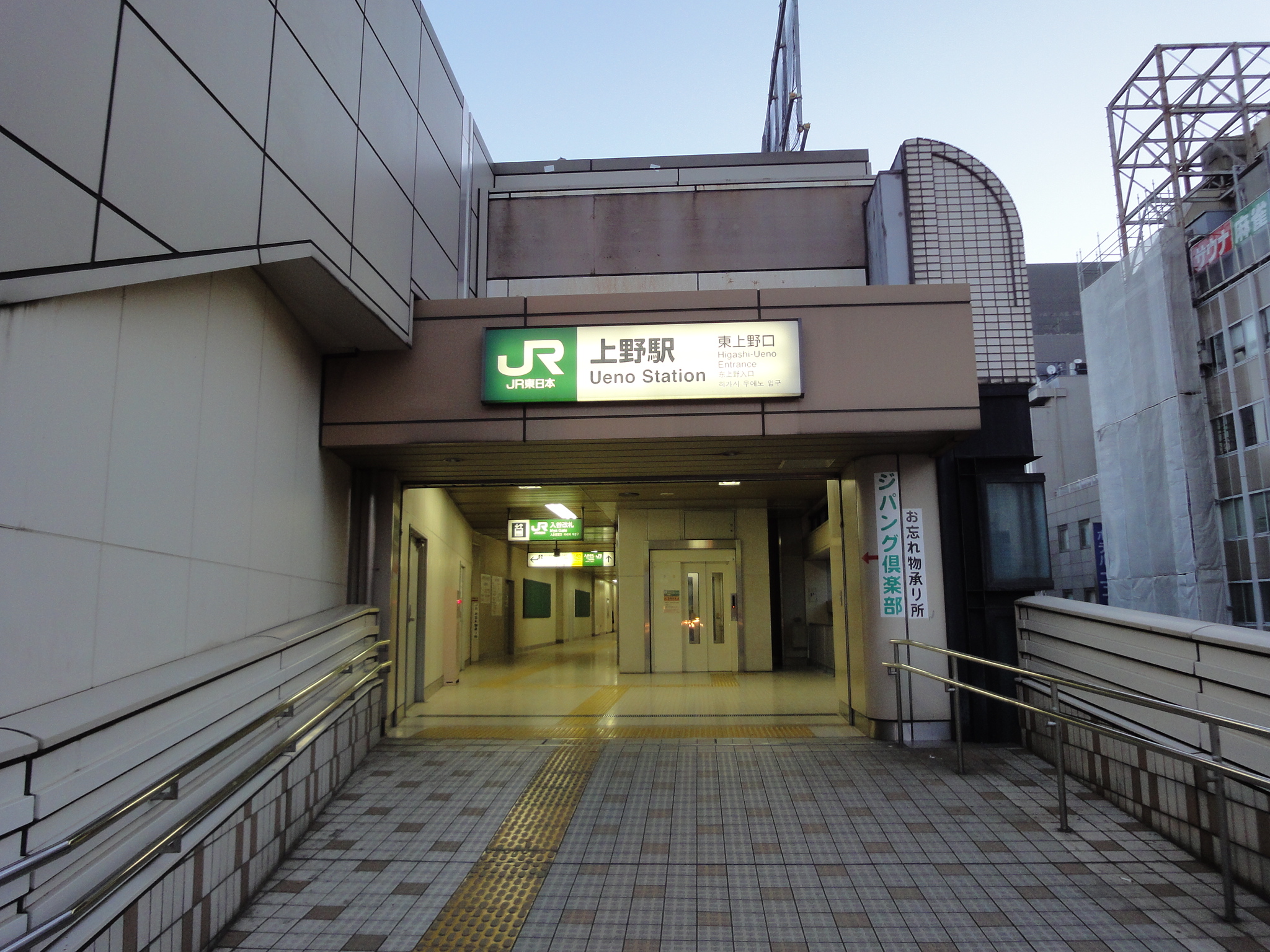
Echizen oroshi soba is a useful food to plan around in Fukui, but choosing a famous bowl without checking the journey can turn lunch into the day's main logistical task. Start by deciding where you will already be: Fukui Station, Echizen-Takefu or somewhere requiring a separate trip. Then choose whether the noodles are your whole meal or one part of a larger combination.
What oroshi soba actually means
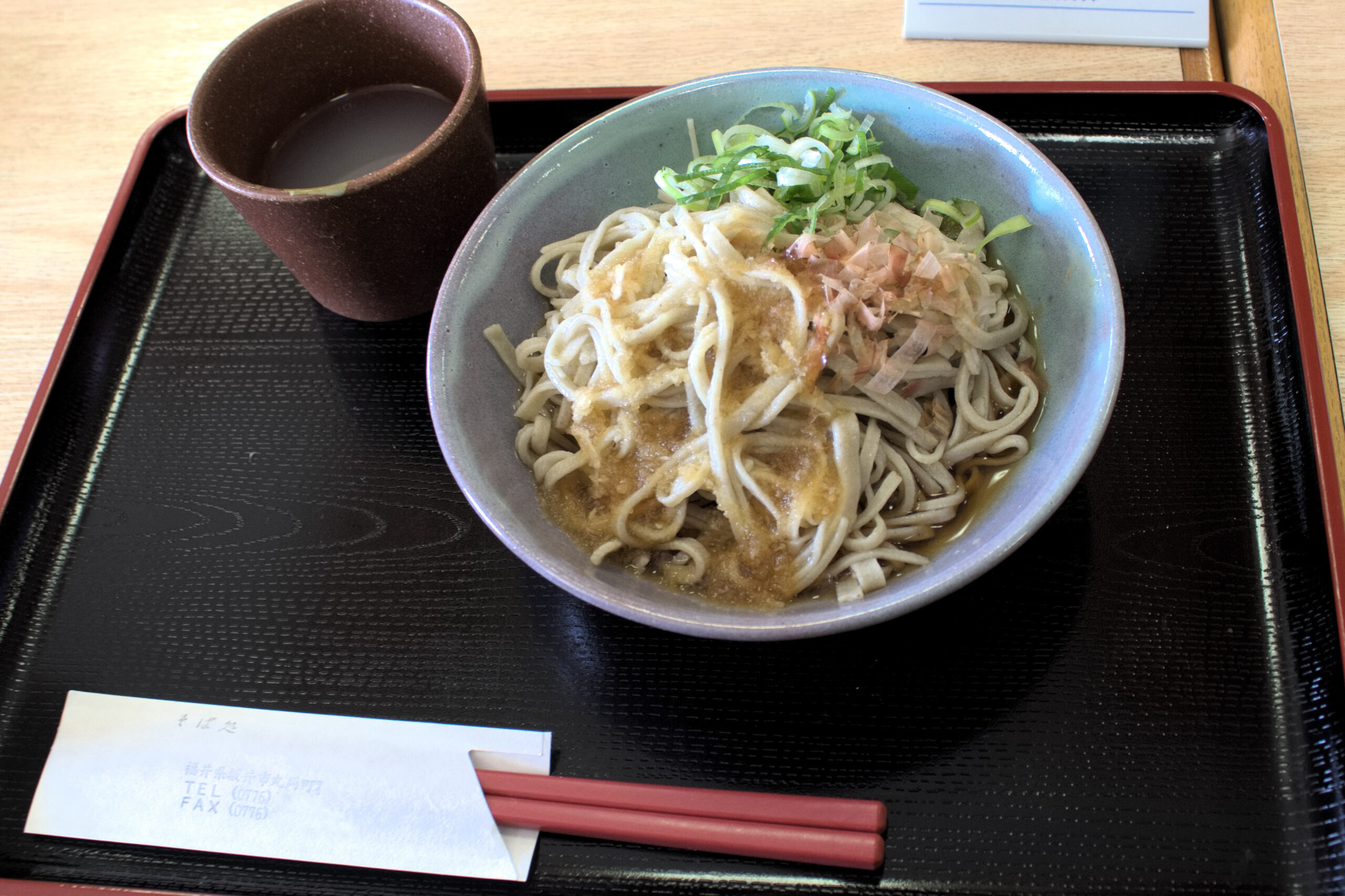
Japan's agriculture ministry describes this Fukui dish as soba served with grated daikon radish. That is the defining idea to recognize on a menu. It does not mean every restaurant uses an identical noodle thickness, radish strength, topping or serving arrangement. Read the actual dish description and ask how the restaurant suggests combining the noodles and liquid if it is unclear.
Do not assume a noodle dish is vegetarian simply because no large piece of meat is visible. Confirm the broth and toppings with the restaurant if ingredients matter to your choice. Similarly, the word soba alone does not establish the exact flour mixture or preparation conditions of the dish in front of you. Ask about your requirements before ordering.
Pick a route before picking a famous shop
A station-area restaurant can be the right choice on a day with onward travel because it keeps lunch near a place you already need. A restaurant in another town or a rural setting can make sense if visiting it is part of the experience you want. Neither is inherently more authentic or better value simply because of its location.
Mark lunch on the same map as your morning activity and next train. Add the journey back, the time to order and eat, and a backup meal if the first choice cannot accommodate you. A bowl that looks inexpensive online is not necessarily an economical stop after adding a separate journey made only to reach it.
Two meals show why the setting matters
One traveler reported eating oroshi soba near Fukui Station after a dinosaur-museum day and enjoying grilled mackerel sushi alongside it. A Japanese travel account published in August 2026 describes a more extensive regional trip with soba in a separate architectural setting and additional soba with sauce katsudon in Tsuruga. The first is a compact end-of-day meal; the second belongs to a much broader route.
Both accounts combine noodles with another local food, but they do not establish that everybody needs a large set or should copy either itinerary. The useful comparison is the meal's role. Decide whether you are looking for a convenient introduction, a leisurely destination lunch or an opportunity to try several dishes. Their individual enjoyment does not prove current portions, waiting times or menu availability.
A station-area meal or a Takefu stop
Amida Soba's official site identifies its Fukui Station-area restaurants and provides the information to check the individual location. Use that directly rather than relying on an old review's directions. Match the branch name carefully; similarly named restaurants and multiple locations are not interchangeable when you are fitting lunch between trains.
For an Echizen-Takefu stop, the roadside station's official floor guide lists Echizenya and an oroshi-soba combination with a mini sauce katsudon. The guide gives shop-specific hours and warns that hours can vary. A facility's shopping or rest-area schedule is not necessarily its restaurant schedule. Confirm the particular restaurant before treating it as a guaranteed meal at your arrival time.
Keep the side dishes intentional
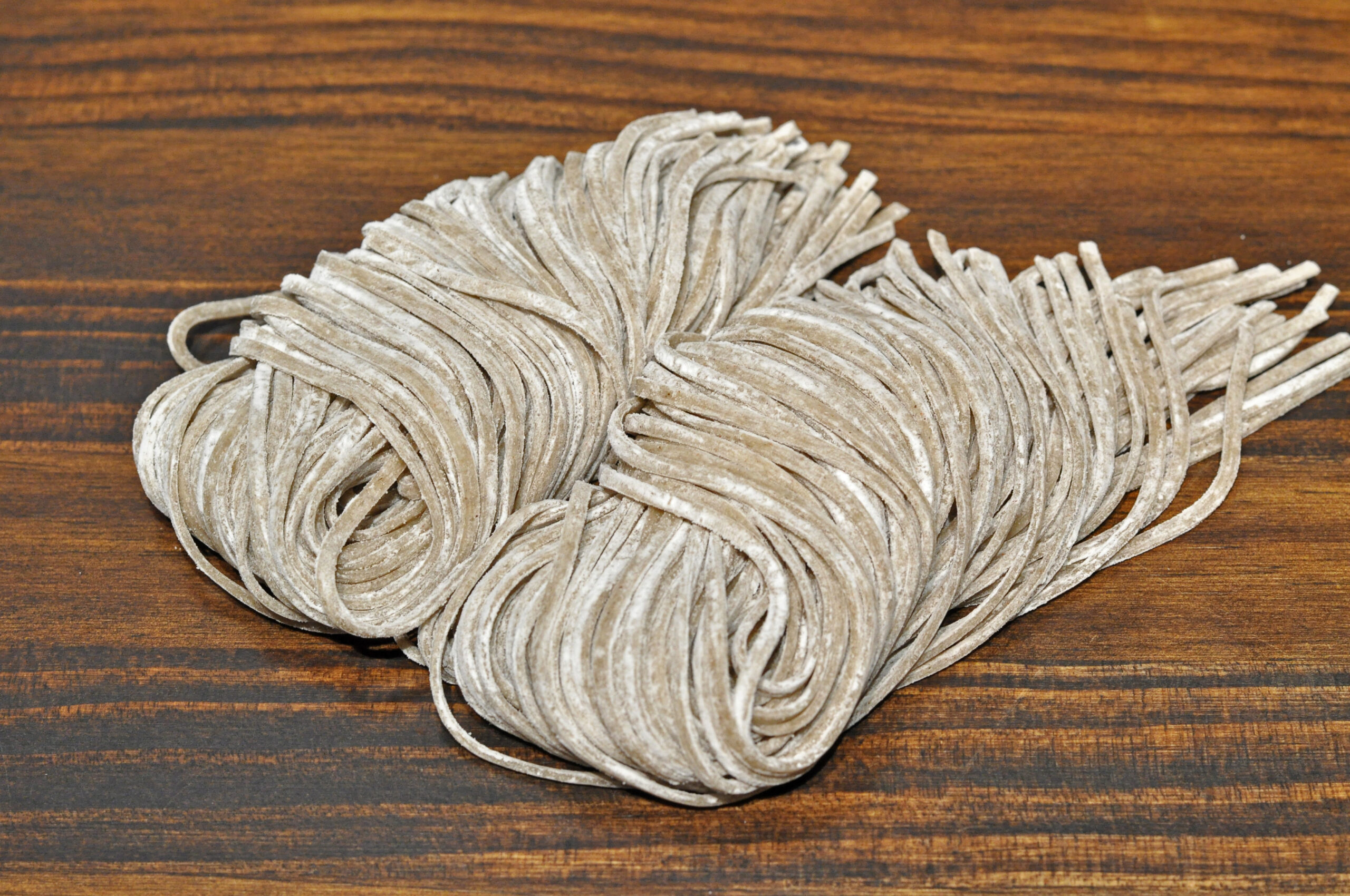
Choose between a single noodle dish and a combination because of appetite and interest. If the purpose is to understand the noodles, a simple order can be enough. If you want to compare regional foods in one sitting, a smaller side serving may serve that purpose better than automatically ordering two complete meals. Check the actual size descriptions and total.
If you are traveling with someone, confirm whether sharing is acceptable before using it as a strategy. Do not assume an inexpensive-looking set includes drinks or a particular topping shown in a photograph. The meal photographed in a guide may be historical or made in another setting; the menu at your chosen restaurant defines what you are buying.
Questions to settle before ordering
Confirm the branch, opening day, current service hours, ingredients and total price. Keep your departure time realistic, especially if a second transport connection follows lunch. If you need to choose between a relaxed nearby bowl and a rushed journey to a better-known name, the nearby meal may fit your trip better. That is a route decision, not a judgment on which kitchen makes the best soba.
Research-based guide prepared by JAPANOVA. Traveler accounts are individual self-reports; comparisons are editorial analysis.
Facility and shop information
- Amida Soba — checked 2026-10-19
- Roadside Station Echizen-Takefu — checked 2026-10-19