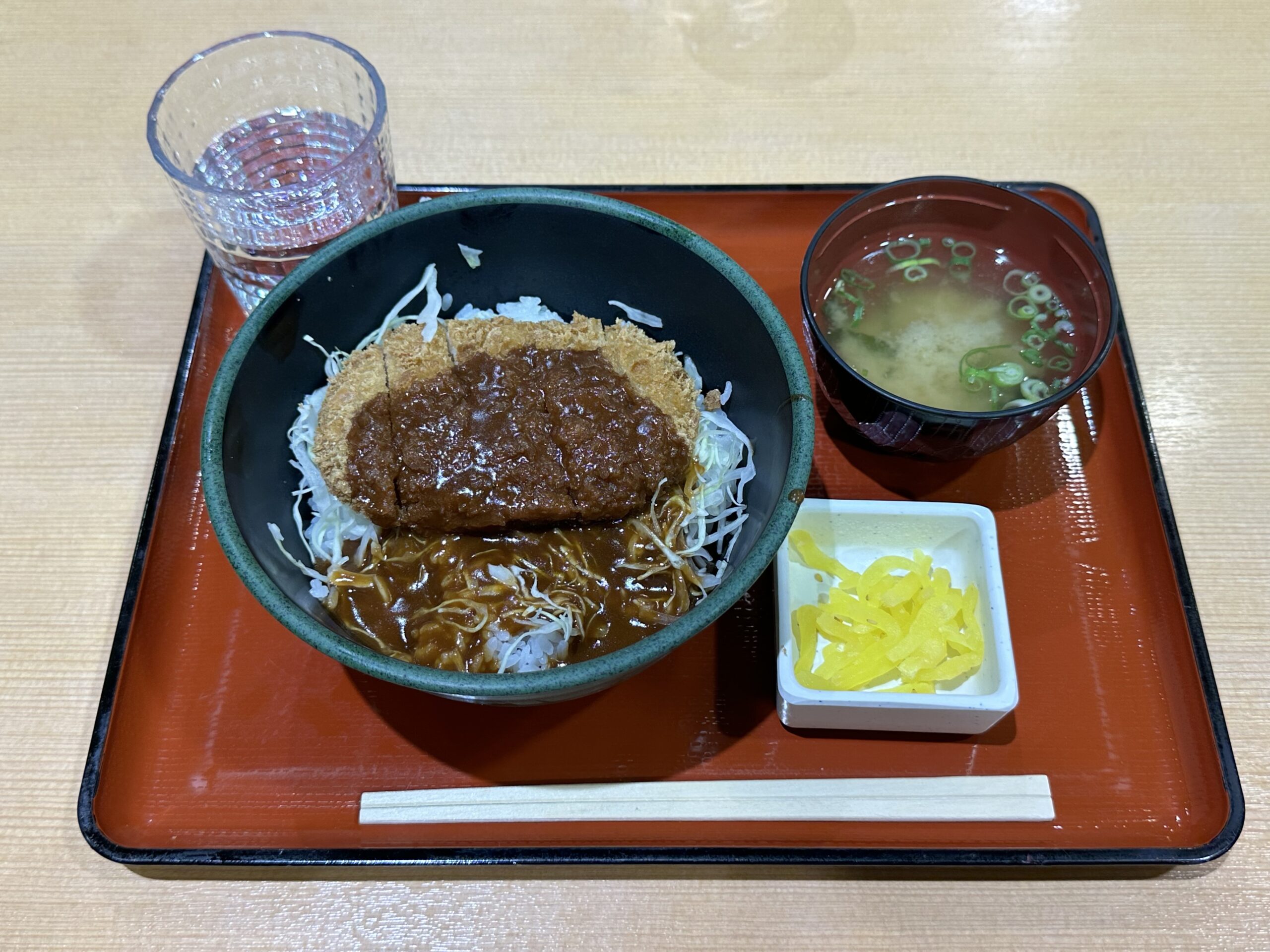
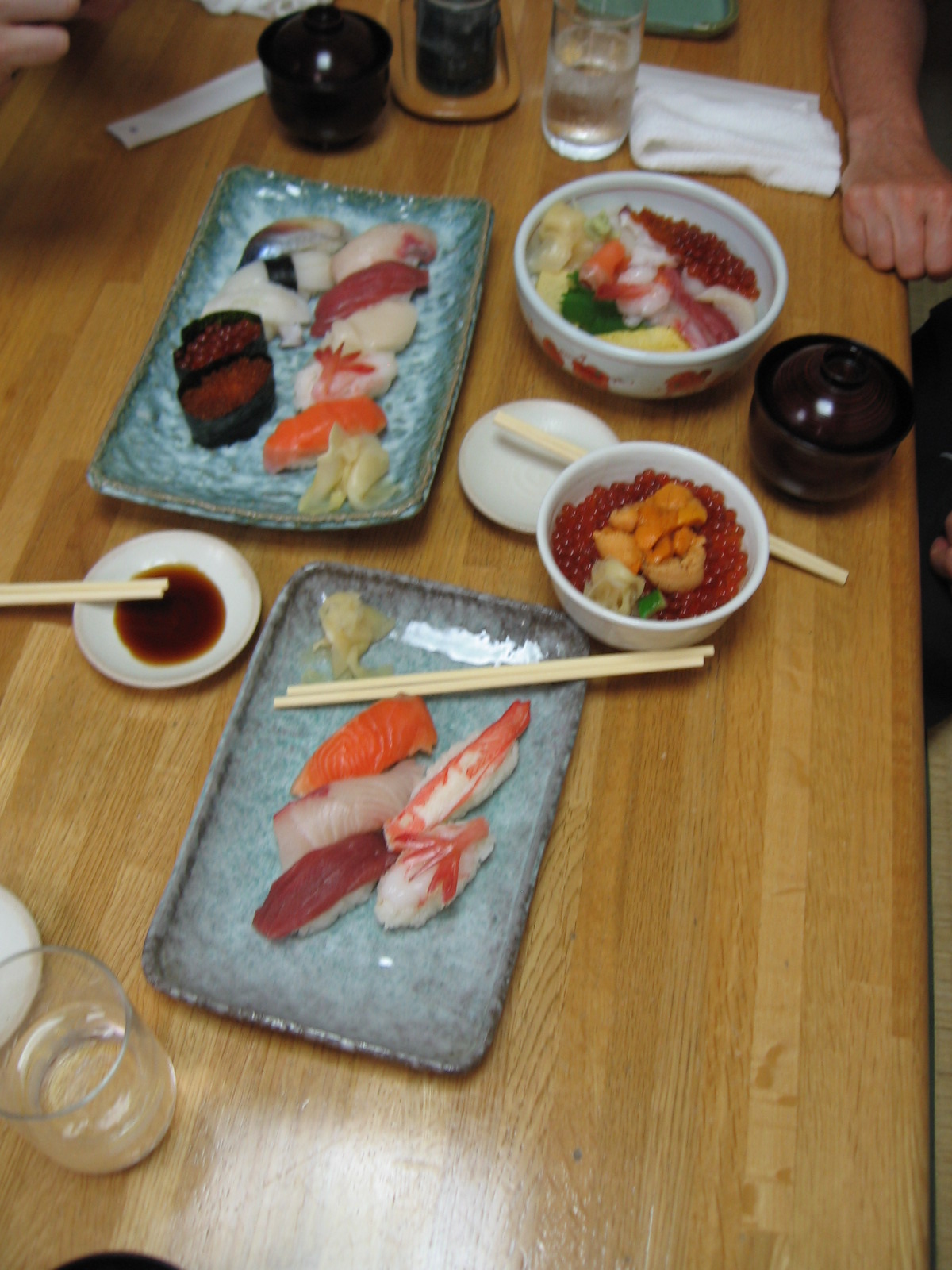
Kuromon Market can be an enjoyable food stop without becoming an expensive attempt to eat everything associated with Osaka. The important decision happens before the first purchase: are you browsing with a few tastes, or trying to assemble a complete lunch? Give those plans different budgets. An impressive seafood display is an invitation to inspect what is being sold, not a reason to buy without understanding the portion and total.
- Choose a market tasting or a complete lunch
- Compare the item before comparing the price
- Why visitors can leave with opposite impressions
- Plan where to eat before buying
- Use the official map to keep a backup
- A simple first-visit spending plan
- Facility and shop information
- Fit Kuromon into the wider Kansai trip
Choose a market tasting or a complete lunch
The market's official directory includes seafood, meat, fruit, sweets and restaurants. This variety is useful, but it also makes it easy to lose track of spending across several small purchases. For a tasting visit, select one item you strongly want and leave room for an optional second choice. For lunch, compare a complete meal with the combined cost of separate snacks before committing.
If you are with a group, agree whether you are sharing or ordering individual portions. Ask each seller whether sharing and eating at their space are acceptable. One person's budget can disappear quickly if every suggested stop becomes a purchase. It is perfectly reasonable for the group to browse together while choosing different amounts of food.
Compare the item before comparing the price
Check the serving size, number of pieces, preparation and total payable. If something is priced by weight, establish the amount you are buying before cooking or ordering begins. If a display price is unclear, ask. A lower-looking number does not establish better value when the products, portions or included preparation differ.
Do not use a photograph or an old video as a current price list. Likewise, a premium-sounding ingredient name does not tell you whether the particular item suits your appetite or budget. Compare what is actually offered at the counter. Keep at least part of your budget unspent until you have seen more than the first appealing display.
Why visitors can leave with opposite impressions
One traveler reporting in 2026 found Kuromon crowded and more expensive than they wanted, so they ate elsewhere. A separate October 2019 trip report describes enjoying breakfast at Kuromon, with sushi and okonomiyaki among the preferred choices. The contrast does not establish that one visitor was correct and the other mistaken: one judged the market against their budget, while the other found a breakfast format they enjoyed.
The useful lesson is to keep an alternative. You can enjoy looking at a market without accepting every price, and you can eat nearby without treating that as a failed visit. These are historical self-reports, not a current price comparison or a guarantee about crowds. We have not independently tasted the food or established a representative visitor consensus.
Plan where to eat before buying
Find out whether the seller has a designated eating space, expects you to stay near the shop or offers another arrangement. Keep circulation routes and shop entrances clear. Do not assume that an arcade described as a food-walk destination gives permission to eat in any doorway or use another business's seating. Follow the local instruction rather than a slogan.
Before accepting packaging, think about where it can be returned or discarded. Ask the seller if necessary. If your group needs a proper rest, a seated restaurant may serve you better than balancing several purchases while standing. That is a comfort and logistics decision, not a claim that sit-down food is always cheaper or better.
Use the official map to keep a backup
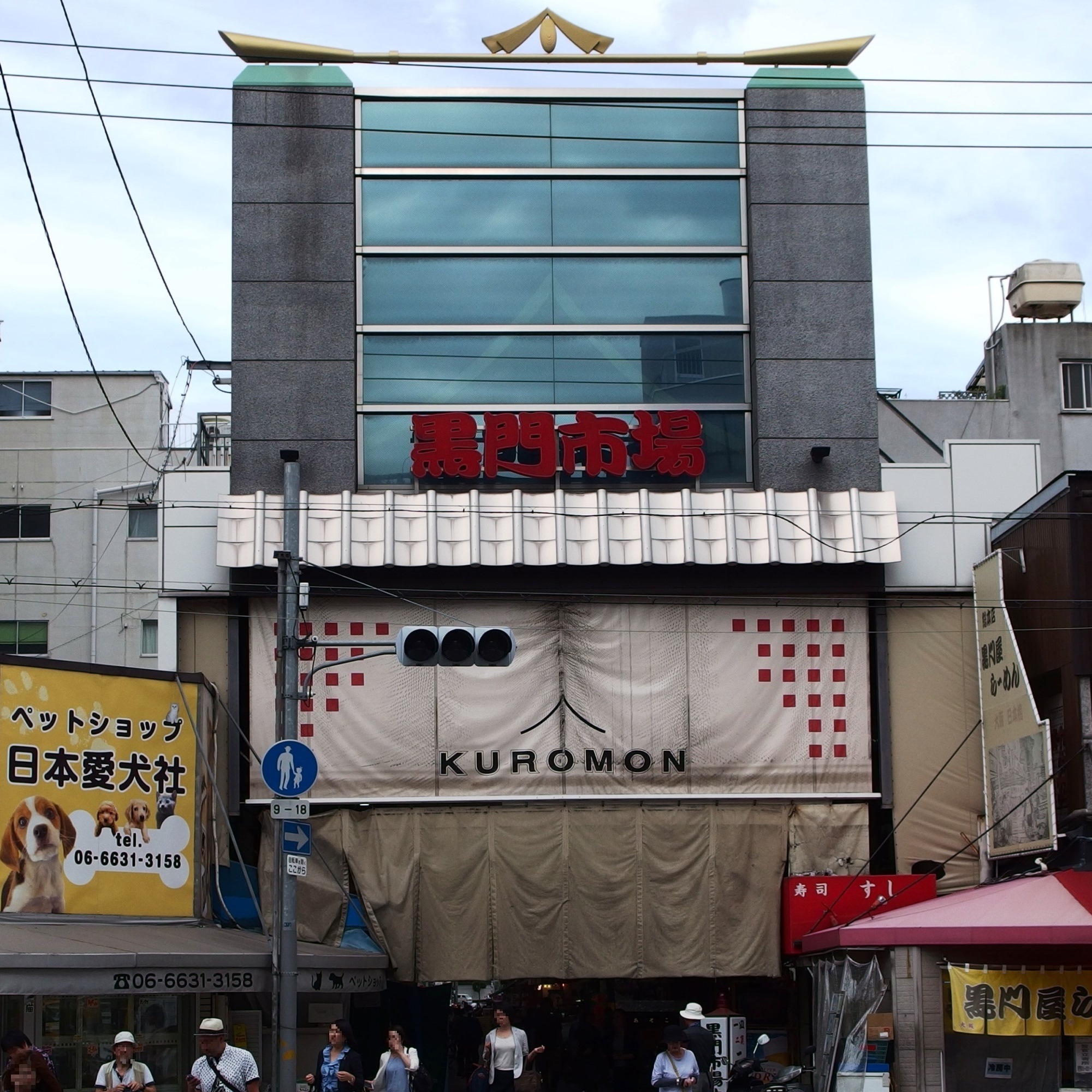
The official store map and directory help distinguish restaurants from shops selling products. Use them to identify a small shortlist, then check the individual business's current information. Do not assume one market-wide opening time guarantees that every shop will be serving when you arrive. A short list with a backup is more reliable than a route dependent on several particular counters.
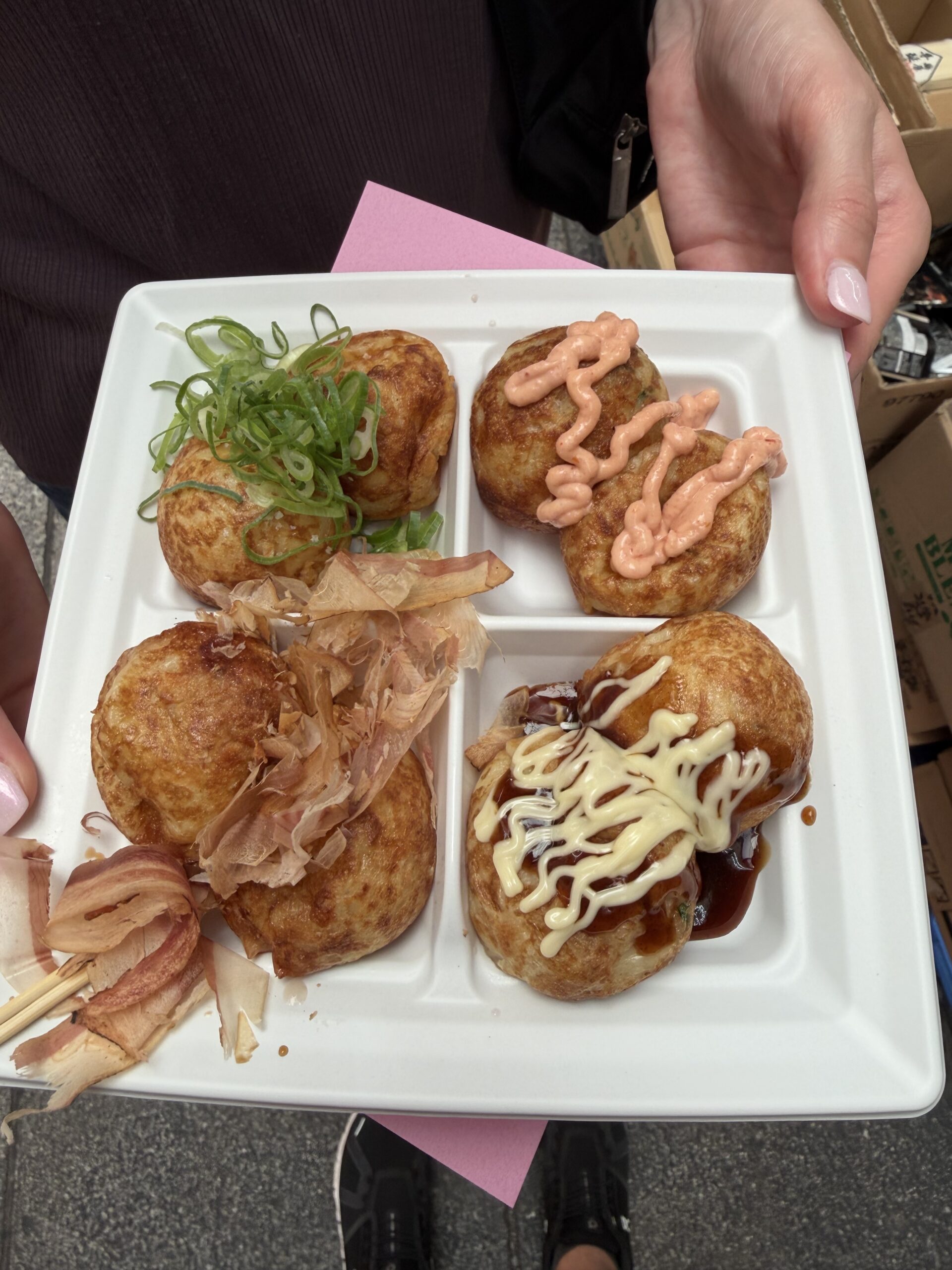
If you want a guided introduction, compare the Kuromon walking tour offered by MagicalTrip on Viator with choosing your own purchases. The listing describes about two hours in English, a maximum of seven travelers, and five or six food samples with a guide. It mentions takoyaki, but confirm the actual menu and portions rather than treating the photograph in this article as an included serving. Additional snacks and drinks cost extra. Meet near Kintetsu Nipponbashi Station Exit 10 at the location in your booking instructions. Compare the total tour price plus extras with your independent tasting budget; guidance does not guarantee cheaper food or a complete lunch. The listing marks the route as not wheelchair accessible and contains contradictory gluten-free information. If you have dietary requirements, obtain direct confirmation before booking; do not rely on a promise of allergy-free food. Check the dated cancellation conditions and arrival instructions. An independent visit gives more control over portions and spending; a guided visit adds coordination and interpretation.
A simple first-visit spending plan
Set your total before entering. Start with a short look around, choose one purchase you genuinely want, and reassess appetite and remaining money before the next. Keep a nearby meal as an alternative. When a portion or price is unclear, resolve it before ordering. Kuromon works best when you make deliberate choices rather than turning a lively browsing stop into a checklist of expenses.
Research-based guide prepared by JAPANOVA. Traveler accounts are individual self-reports; comparisons are editorial analysis.
Facility and shop information
- Kuromon Market — checked 2026-10-19