Toyama Black ramen is a reason to make a deliberate meal choice, rather than assume that every regional noodle bowl will taste equally gentle. At Nishicho Taiki, the restaurant itself describes a strongly seasoned soy-sauce soup and salty bamboo shoots, originally served as an accompaniment to rice. That is useful information before ordering. Decide whether a concentrated, peppery bowl appeals to you, then choose the amount and setting that fit your day.
Choose intensity before choosing a large bowl
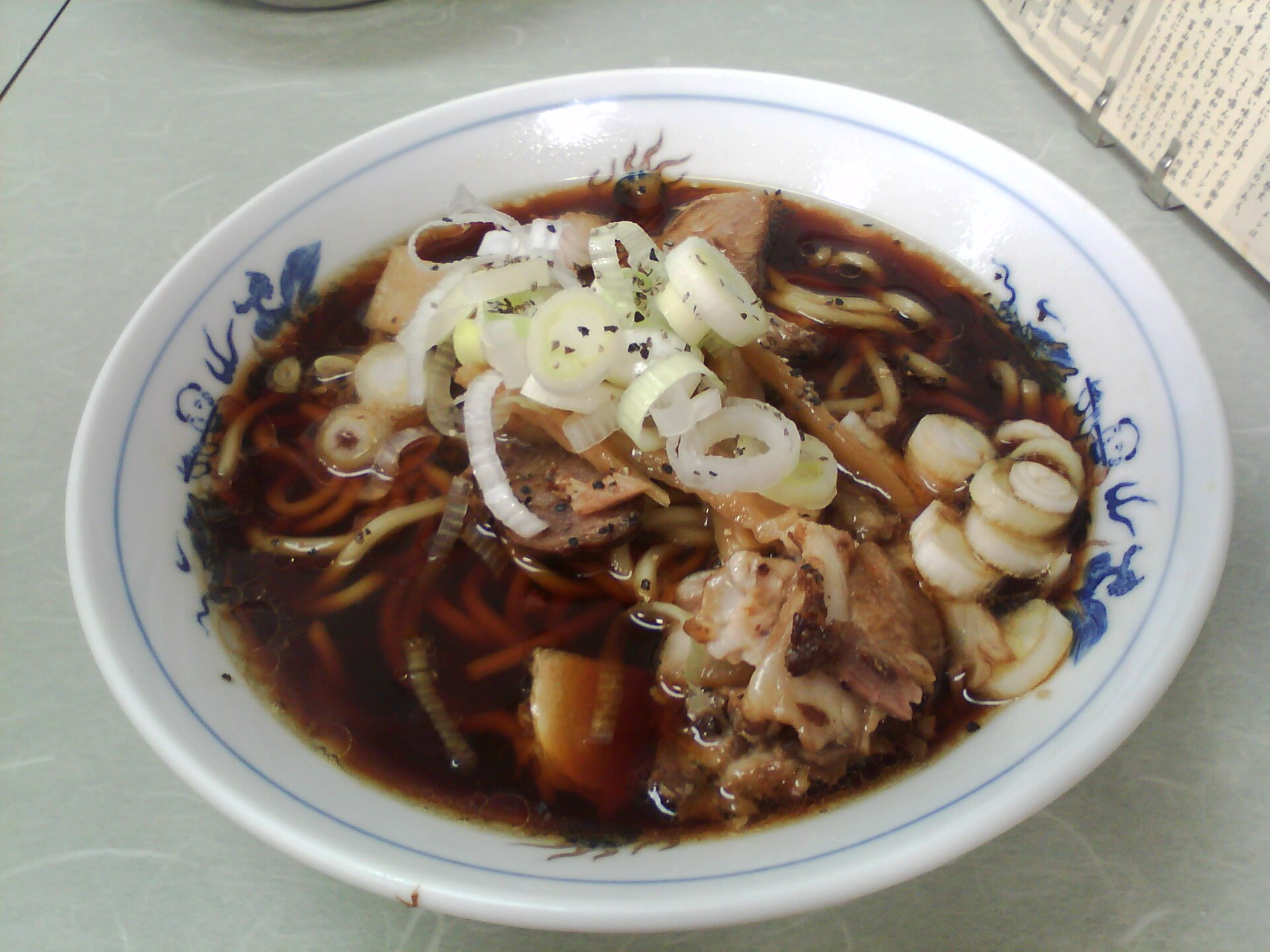
The dark appearance does not tell you exactly how the meal will taste to you. Taiki's own explanation identifies thick, firm straight noodles, hand-cut pork, coarse pepper and chopped spring onion. It tells diners to mix the noodles, pork and bamboo shoots into the soup first. Follow the particular shop's explanation rather than assume a photograph supplies all the instructions.
If you are unsure about strong seasoning, begin with an ordinary portion instead of upgrading because you have arrived hungry. You can enjoy the noodles and toppings without treating an empty soup bowl as a personal achievement. Anyone with a dietary requirement should ask about the actual ingredients and preparation before ordering; a dark soy-sauce broth does not establish suitability for a particular diet.
Use the shop menu to build a realistic budget
On the official menu checked on October 19, 2026, an ordinary bowl is listed at JPY 950, a large bowl at JPY 1,400, and the ordinary-bowl-and-rice set at JPY 1,100. The page says its displayed prices include tax and can vary slightly by branch. These are menu observations, not a promise of the price or stock at your eventual visit.
That makes portion size and rice a more useful starting point than automatically adding several extras. The restaurant recommends rice alongside the strongly flavored noodles. Compare the set with the individual items on the menu in front of you, and include drinks only if you want them. Leave room in both your appetite and budget for other food you have intentionally planned later.
Why two diners reacted differently
In Nina Cataldo's first-person account, originally published in 2017 and later updated, she expected an extremely salty meal but found the soup lighter than she had anticipated. She particularly enjoyed the pork and the pepper's kick. Her account describes an outing with her host family, including a short wait; those circumstances do not describe every branch or today's service.
Haru Yoshida's October 2025 account describes visiting the station branch with a friend and finding the seasoning distinctly concentrated and salty. Planning more food later, the writer chose an egg rather than rice and used it with the noodles. That historical personal choice is not dietary advice or a promise that an uncooked ingredient is appropriate for you.
Both writers found something to enjoy, but their reactions to intensity differed. Expectations, appetite and individual taste matter more than a universal label such as delicious or too salty. JAPANOVA's inference is to treat strong seasoning as a selection criterion and start with a manageable order. These two accounts cannot establish a representative rating or predict your own reaction.
Pick the branch that fits your journey
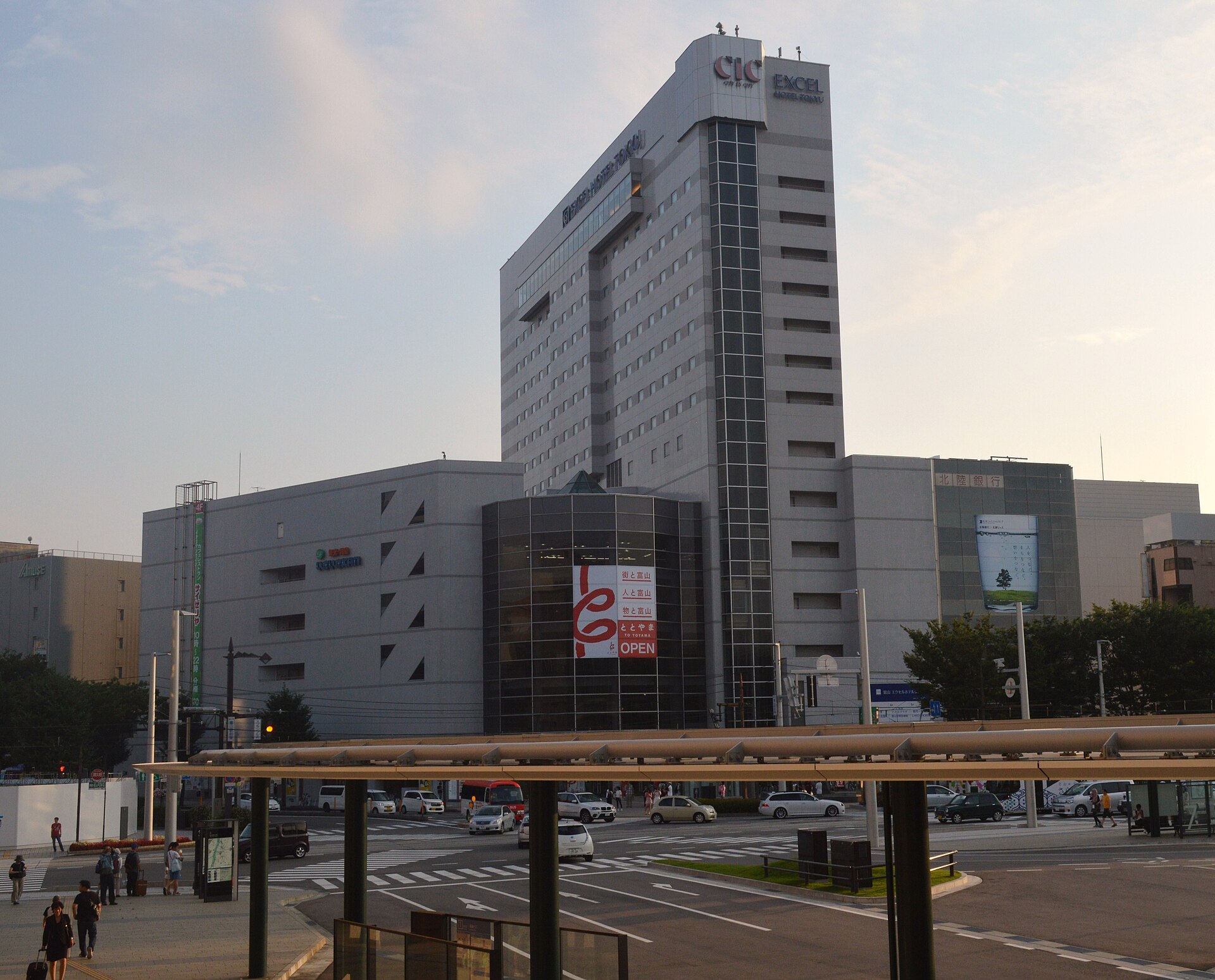
Taiki's official shop list distinguishes its Nishicho main branch from its Toyamarche branch inside the station complex and other locations. The main branch is associated with the central tram area; the station branch can be easier to combine with a rail arrival or departure. Check the actual branch name, address, opening information and closing day before using a saved restaurant pin.
Do not carry the seating description from an old diary into a different shop. The operator currently lists different seating arrangements at different branches. If you have a large suitcase, accessibility needs or a fixed departure, ask the specific branch what is practical. A station address helps with geography but does not guarantee immediate seating or enough time to eat.
Keep the rest of your food day flexible
Make this a main meal if the dish is your priority, rather than squeezing a large bowl between several other substantial meals. If you are exploring central Toyama anyway, the main branch may fit naturally into that route. If you are changing trains, work backward from the platform and leave enough time for ordering, eating and finding your departure.
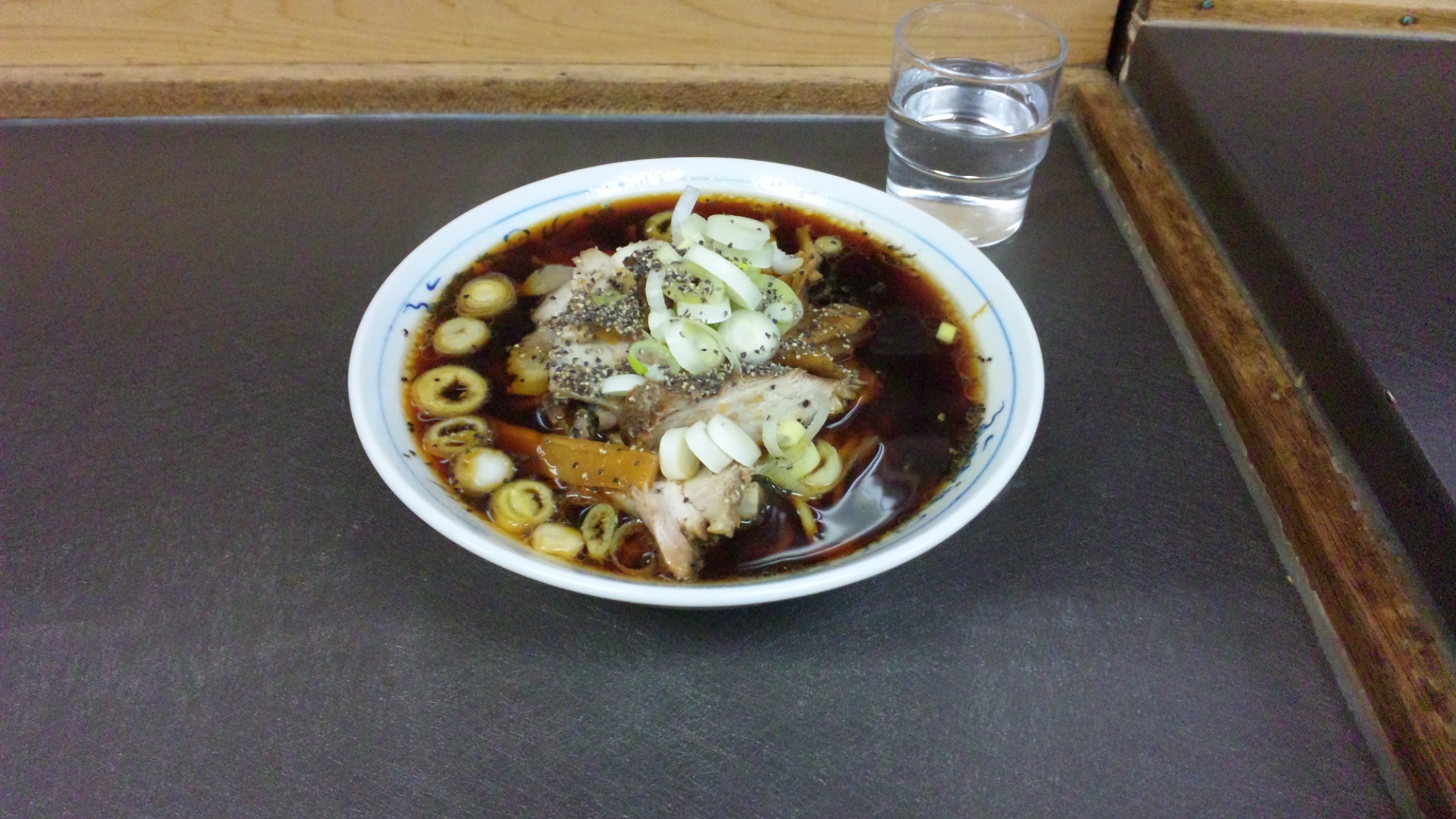
The photographs show examples of Toyama Black ramen, rather than a portion-size guarantee for every shop. The appearance of toppings can vary. Compare the actual menu and any staff explanation instead of assuming your order must reproduce a photograph exactly. A second restaurant visit is optional; you do not need a comparative tasting tour to have a worthwhile regional meal.
Make the order you actually want to finish
Before paying, settle three things: the branch you intend to visit, the portion you realistically want, and whether rice belongs in your meal. Recheck the displayed total and any ingredient concerns. If the concentration sounds unsuitable, choose another meal without treating that as a failed Toyama experience. A good food decision matches the traveler as well as the destination.
Research-based guide prepared by JAPANOVA. Traveler accounts are individual self-reports; comparisons are editorial analysis.
Facility and shop information
- Nishicho Taiki — checked 2026-10-19
- Nishicho Taiki — checked 2026-10-19