The most useful first decision for a Kansai trip is where to sleep. Kyoto, Osaka and Nara can all appear in the same itinerary, but that does not mean a different hotel every night improves it. Begin with the places where you want to spend your mornings and evenings. Then decide whether one base serves those plans or a split stay removes journeys that would otherwise feel repetitive.
- One base or two: the practical answer
- Choose your base from your priorities
- A six-night starting point
- What two schedules reveal about flexibility
- When one hotel makes more sense
- Keep Nara's scope clear
- Add a different perspective, not just another name
- Decide what a paid activity would add
- Leave room for the city around the sights
- Facility and shop information
- Turn the base decision into an arrival plan
One base or two: the practical answer
Choose one base if you strongly prefer unpacking once and your actual routes work from that hotel. Split Kyoto and Osaka if you want substantial mornings and evenings in both cities. For a six-night first trip, three nights in each is a useful starting template; it is not a rule and does not cover the whole region.
A Kyoto-heavy traveler should not choose Osaka solely because a room looks cheaper before adding the repeated journeys. A traveler prioritizing Osaka evenings should not automatically book every night in Kyoto. Compare the hotel plus the journeys you will actually take, using the same room and cancellation conditions.
Choose your base from your priorities
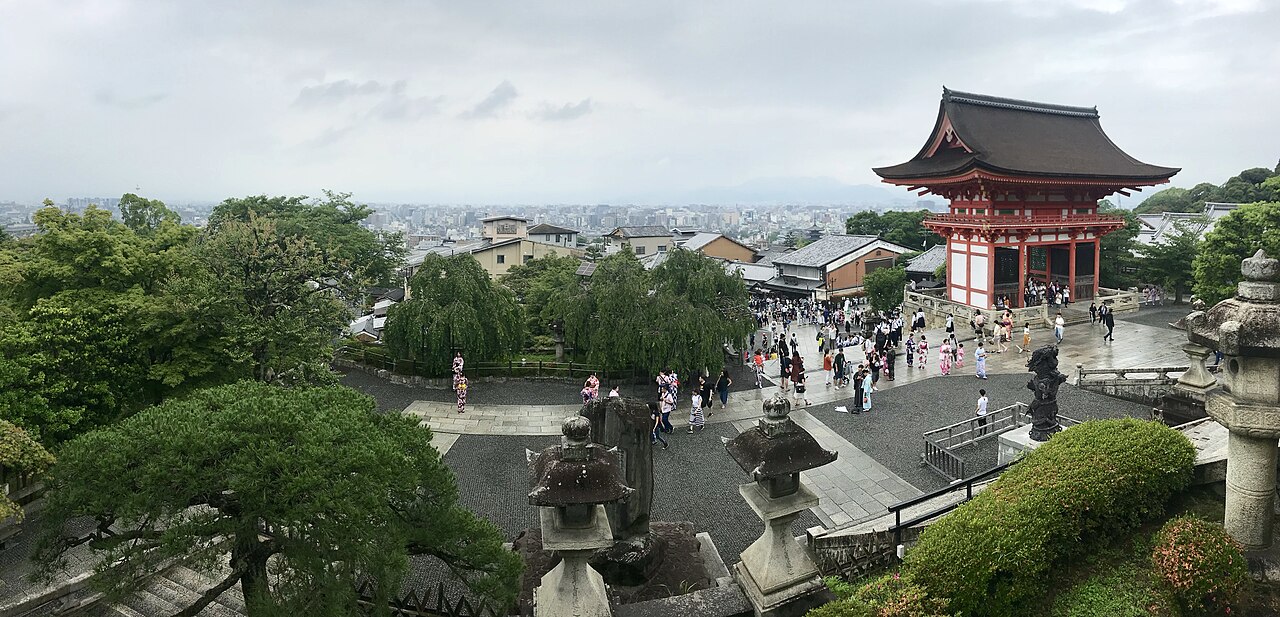
If most of your planned visits are in Kyoto, consider staying there for that part of the trip. If your interests are spread among Osaka and other regional destinations, compare an Osaka base against your exact journeys. Nara's official travel information shows connections from both Kyoto and Osaka, making it a candidate to consider from either. Use actual hotel addresses and destination stations when comparing routes.
Do not decide from the city name alone. A property with an appealing room may still require a connection before every day's first activity. Map three real trips: arrival to hotel, hotel to your main attraction, and hotel to your onward departure. This usually tells you more than the hotel's distance from an abstract city center.
A six-night starting point
For a first visit focused on Kyoto and Osaka, consider three nights in each, with Nara as a separate day from whichever hotel gives the better journey. This is a suggested balance, not a claim that it covers the whole region. Keep arrival day light. Give Kyoto two complete days with geographically focused plans, then move to Osaka on a day without a hard-to-change morning booking.
From Osaka, use one day for your main city interests and another for either Nara or a different regional excursion. The remaining time can absorb the transfer, a second neighborhood, or a slower morning. If your priorities clearly favor one city, change the split. Equal hotel nights are a planning device, not an obligation.
What two schedules reveal about flexibility
One couple visiting in November 2023 used Nara as a day on the way from Osaka to Kyoto. In Kyoto, their early Fushimi Inari visit still had people in places, while Kiyomizudera later felt much busier. A traveler visiting with their spouse in April 2024 chose a solo day exploring Nara Prefecture while their spouse shopped in Osaka. Their shared Fushimi Inari visit was crowded at 8:30 a.m.; the writer returned alone after waking at 5 a.m. on another day and found it quiet.
The lesson is about choices, not a magic arrival hour. Decide whether Nara is a short stop or a substantial chapter before filling the Kyoto days. At a popular Kyoto sight, leave room to change the order or shorten the visit if the atmosphere differs from what you hoped for. Two seasonal anecdotes cannot establish a reliable crowd schedule or the right amount of time for every traveler.
When one hotel makes more sense
A single base is worth considering if unpacking once is important, you have bulky luggage, or the places you most want to see work well from that address. Compare the cumulative travel time with the effort of moving hotels. Two additional journeys might be preferable to a hotel change; repeated long cross-region trips might not be. Calculate that tradeoff from your own route rather than adopting a universal rule.
Make a two-column comparison before reserving: one hotel for six nights versus two hotels for three nights each. Include the room totals, airport and onward journeys, travel to your main activities, baggage arrangements and the time used by checkout and check-in. Count a hotel change as part of the day, even when the train trip itself looks short.
For each candidate, check the station entrance and the route to the room with luggage. A property's phrase 'near Kyoto Station' or 'central Osaka' is not enough to decide which neighborhood serves your plans. Check the exact address, bed configuration, arrival cutoff and cancellation time before paying.
Keep Nara's scope clear
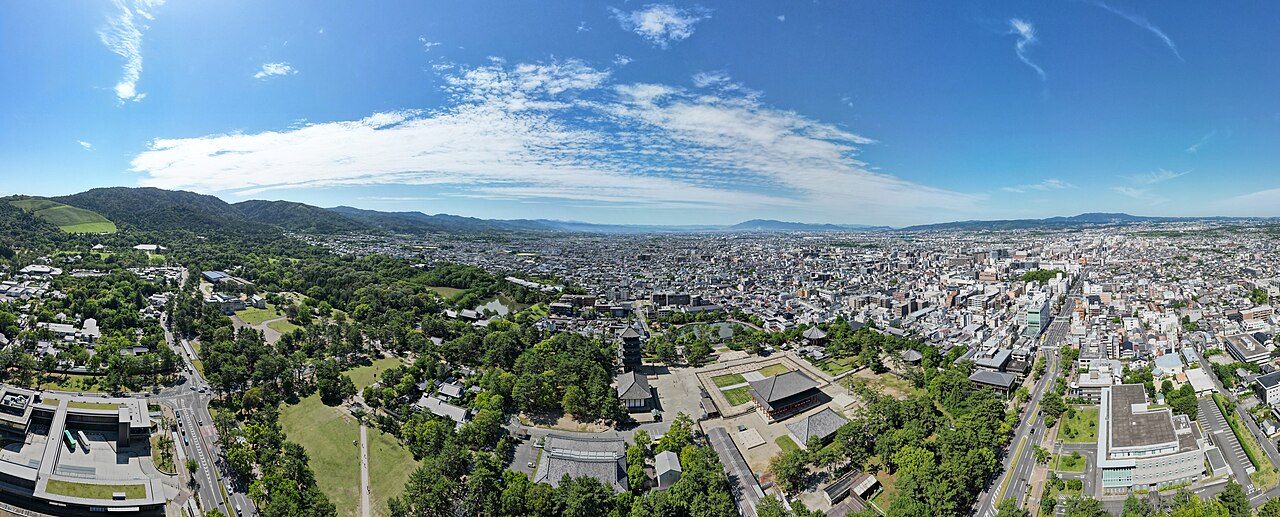
Nara Park and Naramachi belong to a city visit. The prefecture also contains mountain and pilgrimage areas that should not be silently folded into the same day. JR Nara and Kintetsu Nara are different arrival points, so choose the one that suits your route and first destination. Save the return option before you set out.
Add a different perspective, not just another name
Osaka's regional guide points toward Kobe, Himeji, Shiga and Wakayama as well as Kyoto and Nara. That breadth is an invitation to choose, not a requirement to collect all of them. Add a place when it brings a theme missing from your existing plan. If the excursion merely replaces time you wanted in your main destination, leave it for a later trip.
Decide what a paid activity would add
Begin with a day you can enjoy independently: choose a small area, check the places you actually want to enter, and leave room to stop or change direction. The two traveler accounts above show the value of that flexibility. They do not establish that a tour would improve the same day. If your main priority is wandering at your own pace, a paid activity may add a timetable you do not want.
Consider a guided option when you want explanation or help organizing a specific part of the visit. Before comparing prices, write down the question you want a guide to answer or the task you want the service to handle. A longer list of stops is not automatically better value. Compare a focused activity with the independent plan you would otherwise choose, rather than assuming you need a full-day booking.
For any listing you shortlist, check the meeting and finishing points against your actual hotel. Confirm whether transport, admission, food and any guide expenses are included; add exclusions to the amount you would pay. Check language, group size, walking demands, start time and cancellation deadline for the exact option and date. A listing's location label does not establish hotel pickup, and a price shown on a results page is not a quote for your party.
For the suggested Kyoto–Osaka split, keep a fixed-start activity away from the hotel-change morning unless baggage storage and the onward journey are settled. If a booking would force you to rush checkout or abandon the flexible day you wanted, keep the independent plan. The optional Viator link below opens Kyoto tours and activities for comparison. It is not a hotel reservation page, a transport pass, or a recommendation of every result; inclusions and refund rules must be checked on the individual product.
Leave room for the city around the sights
In Kyoto, follow restrictions on photography and respect residential streets. Geiko and maiko are working people, not an invitation for unrequested photographs or pursuit. Plan enough time that you can follow local instructions without feeling that a delay has ruined the whole day.
Before paying, check accommodation terms, admission calendars, exact transport routes and any reservation deadlines. Put one optional item on each day and be willing to drop it. A successful first Kansai trip gives you a clear sense of its different places; it does not need to prove how many train journeys you can fit into a week.
Research-based guide prepared by JAPANOVA. Traveler accounts are individual self-reports; comparisons are editorial analysis.
Facility and shop information
- Kiyomizu-dera Temple — checked 2026-10-19