A good food trip through Kyushu needs more than a list of dishes. The most useful plan leaves room to compare flavors, enjoy an unhurried meal and change your mind when something interesting appears. Choose a few regional specialties as anchors, then arrange the rest of the trip so that eating does not become another race between bookings.
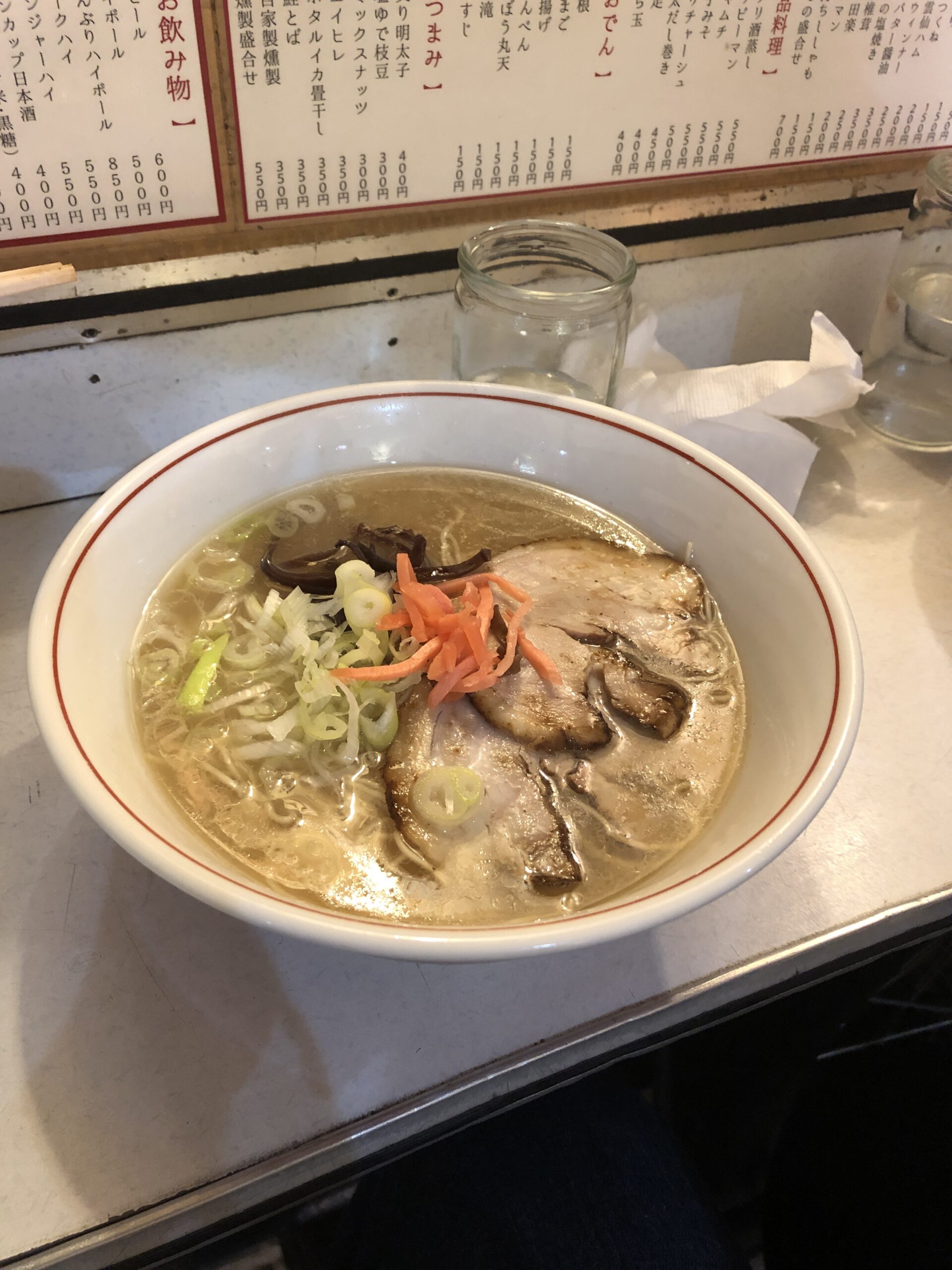
Kyushu's official food guides emphasize variety between its prefectures. Hakata ramen, Miyazaki chicken nanban, Kumamoto's Japanese Brown beef and Kagoshima's Kurobuta pork represent different directions for a meal. These associations do not mean that every restaurant serves the same version or that a familiar dish name tells you all its ingredients.
Use Fukuoka to begin, not to finish the list
A northern-Kyushu traveler reported abandoning an intended yatai meal because the stalls were too crowded. That one evening is not evidence of typical waiting times. Our practical rule is to decide how long your group wants to wait, keep a nearby restaurant alternative and avoid making a final train depend on getting a stall seat.
Fukuoka's ramen and evening food stalls are prominent in the regional tourism guide. If they interest you, set aside an evening that allows for the experience rather than squeezing it between an arrival and a late onward departure. Have another meal option in mind if the place you hoped to visit is unavailable.
Do not treat a stall visit as the only authentic way to eat in the city. The sensible choice is the setting that fits your group, appetite and needs on that particular evening. A seated restaurant and a short, informal stop can play different roles in the same holiday without needing a ranking between them.
Let the onward route change the menu
If your journey takes you toward Kumamoto or Kagoshima, the regional food guide points to different meat traditions. If Miyazaki is already part of the route, chicken nanban provides another local lead to investigate. Choose specialties where they naturally fit your travel plans instead of adding a long transfer for a single meal you have not booked.
For a western route, the tourism organization highlights sweets along the Sugar Road through Saga and Nagasaki. This suggests a useful contrast to a sequence of substantial lunches and dinners: allow a separate pause for a small sweet rather than treating it as an extra obligation at the end of every meal.
Plan a rhythm, not a tasting marathon
Our suggestion is to give each day one food priority. It might be a particular style of lunch, a dinner worth reserving or time to explore a food area. Keep the other meals flexible. This leaves room for a delayed train, a larger-than-expected lunch or simply wanting something different.
When you choose accommodation, check how the evening meal fits the journey back. Avoid making an early departure the next morning depend on a tightly packed late-night schedule. Food is a reason to enjoy the place where you are, not just another item to collect before changing hotels.
Ask about the actual dish
A separate traveling couple reported vegetarian and omnivore plans at their Kurokawa accommodation; some vegetarian dishes omitted meat or fish without a replacement. Compared with the spontaneous yatai plan, this was a meal arranged through accommodation, yet advance arrangement did not by itself settle what would be served. These self-reports are not a current assessment of any property or a certification of dietary suitability.
Our conclusion is to ask what a meal plan includes, not just whether a vegetarian plan exists. Explain the ingredients you cannot eat, ask about stock and preparation, and confirm the answer with the venue before choosing a nonrefundable meal-inclusive stay.
If you have dietary requirements, contact the venue about ingredients and preparation before relying on a regional dish description. Confirm your needs with the place that will serve the meal; this article does not certify any restaurant or dish as suitable. Use current menus and booking information for prices, availability and cancellation conditions.
The strongest food itinerary is one you can remember as distinct meals rather than a blur of famous names. Let regional specialties guide your curiosity, build variety into the day, and leave enough space to enjoy what is in front of you.
Build a meal plan you can actually use
Use one priority meal per day. On a transfer day, make that meal flexible unless the connection leaves ample margin. On an accommodation-focused night, establish the required arrival and dinner arrangements before choosing your transport. Keep a written dietary confirmation with the booking details if food requirements determine where you can stay.
When comparing meal-inclusive accommodation with room-only options, compare the full arrangement: meals provided, accepted arrival time, dietary response, cancellation terms and the availability of alternatives nearby. We have not verified live rooms, menus or restaurant seats, so there is no bookable property recommendation or claimed saving in this guide.
Choose between your own dinner and a guided food evening
An independent Fukuoka evening lets you choose portions and change restaurants when queues or appetite change. Consider a guided food evening if explanation of local dining customs and help with the sequence of stops would add value. The two accounts above point to different checks: a crowded yatai calls for a fallback, while a prearranged meal still needs a precise dietary answer. Neither traveler reviewed the optional experience below. Buying a tour is not evidence of a guaranteed stall seat, an allergy-safe kitchen or a queue-free evening.
At our October 25, 2026 check, the linked Hakata yatai-and-izakaya experience was listed as about three hours with an English-speaking local guide. Its description allowed joining other travelers, with a maximum of six in the additional information. The inclusion panel specified one food item and one drink at a yatai, followed by yakitori, sashimi, a small side dish and two drinks at an izakaya. Additional food and drinks were excluded. Compare that defined arrangement with the restaurants and portions you would choose independently; it is not unlimited eating or a tasting tour across Kyushu. No fixed venue, current price or portion size is verified here.
The meeting instructions named Exit 2 of Kushida Shrine subway station, with a guide holding a stuffed toy, and the end point was the same station. Confirm those details and your actual start time before traveling. The listing said confirmation could take up to 48 hours and was subject to availability, so an unconfirmed request should not dictate an onward train or a meal-inclusive hotel's dinner time. Ask about the actual walking route, seating and access if those affect your party. Although general accessibility labels appear on the listing, they do not establish that each stall and seat will meet your needs. Age eligibility, the types of included drinks, non-alcoholic substitutions, ingredients and dietary accommodations have not been established; obtain a clear response before booking when relevant.
At our check, cancellation at least 24 hours before the start qualified for a full refund; cancellation within that window was non-refundable, and changes within it were not accepted. Cutoffs use the experience's local time. The policy also required a minimum number of travelers: cancellation for insufficient numbers would lead to an alternative date or experience, or a full refund. Recheck your selected option's terms and retain a dinner fallback. If its menu, schedule or confirmed dietary response does not suit you, keep the independent meal plan rather than treating the paid activity as the essential reason for the trip.
Research-based guide prepared by JAPANOVA. Traveler accounts are individual self-reports; comparisons are editorial analysis.