A first Hokuriku trip works better with a clear center of gravity. Rather than attempting a different prefecture every day, choose the experience that matters most and build the route around it: Kanazawa's culture, Toyama's coastal food, Fukui's heritage, or Niigata's rice and sake. This guide uses JAPANOVA's Hokuriku grouping of Niigata, Toyama, Ishikawa and Fukui. Regional definitions vary, so the label is a browsing aid rather than a transport promise.
Choose your route in one minute
Choose Kanazawa plus one second base if you want a manageable culture-led trip. Choose a Niigata-led route if rice, sake or Sado is the reason for traveling. Avoid booking a hotel in each prefecture simply to cover the map: Niigata City and the Toyama–Kanazawa corridor are different routing decisions.
For five days, our suggested culture route is arrival in Kanazawa, one complete Kanazawa day, a transfer to Toyama or Fukui, one complete day there, and onward travel. This is a planning template, not a promise that specific trains, attractions or rooms are available.
Start with the journey you actually want
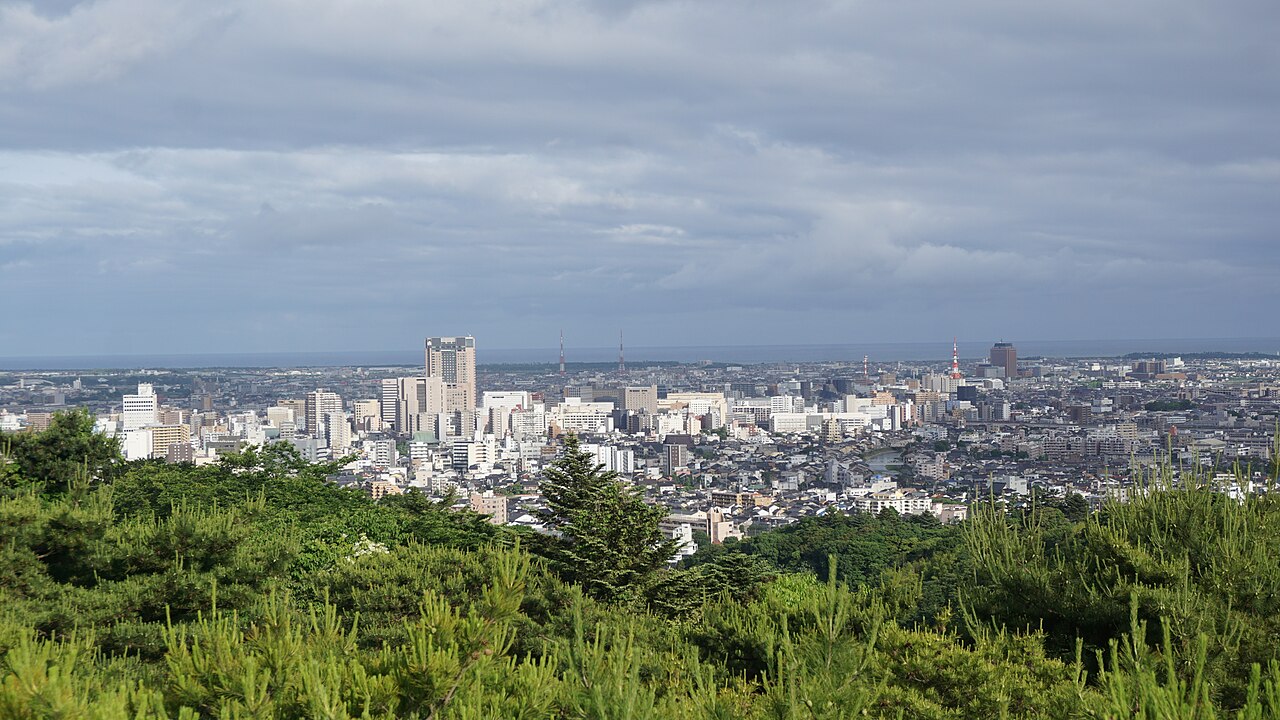
Kanazawa is the natural starting point for an art-and-culture plan. For a food-led visit, compare it with Toyama rather than treating both as interchangeable seafood stops. Fukui offers a different mix, with Eiheiji, the dinosaur museum and coastal Tojinbo among its main draws. Choose one of those as the day's anchor; a list containing all three is not yet a workable itinerary.
Niigata deserves its own decision. Niigata City and Echigo-Yuzawa are on the Joetsu Shinkansen, while the Hokuriku Shinkansen serves the Myoko area. A prefecture appearing in the same website category does not make its destinations one simple rail corridor. Before booking a hotel, enter the actual origin and destination stations in the transport operator's journey planner.
A practical five-day outline
For a culture-led first visit, consider two nights in Kanazawa, two in either Toyama or Fukui, and a final day for onward travel. This is an editorial starting point, not a timed tour or a claim that every attraction fits. On the arrival day, choose an undemanding neighborhood walk and dinner. Keep the first complete day for your main cultural interest rather than an early hotel move.
Use the third day to transfer and orient yourself. Give the fourth to the experience that justified the second base. The fifth should contain room for packing, station navigation and your next journey. If your flight or long-distance connection is fixed, do not make an unverified rural connection the final link in the plan.
For a Niigata-led visit, reverse the logic: build around Niigata first and add another prefecture only after checking the full journey. Sado is reached by ferry; an island visit adds another transport decision and should have its own allowance for the outward and return legs. Do not append it as an unnamed spare afternoon.
Match the hotel to the hardest day
Write down the meeting point or departure station for the most demanding excursion. A hotel close to that point may be more useful than one chosen only for a scenic address. Compare the complete walk-and-transfer chain, especially if you will have luggage, children or limited mobility. A booking description saying a property is near a station is not enough: identify which station and which entrance.
Compare three hotel candidates using the same checklist: final room total, station entrance, first excursion meeting point, luggage storage and cancellation deadline. For two nights, a slightly higher room price can be worth considering if it removes journeys you would otherwise repeat; calculate the actual difference rather than assuming a station hotel is always cheaper.
Kanazawa's official accommodation search separates the Station, Omicho Market and Korinbo/Samurai District areas and lets you filter for room and accessibility preferences. Use those areas to shortlist, then check the hotel's own current room description. A district label does not establish walking time, step-free access or a guaranteed quiet room.
Keep food flexible
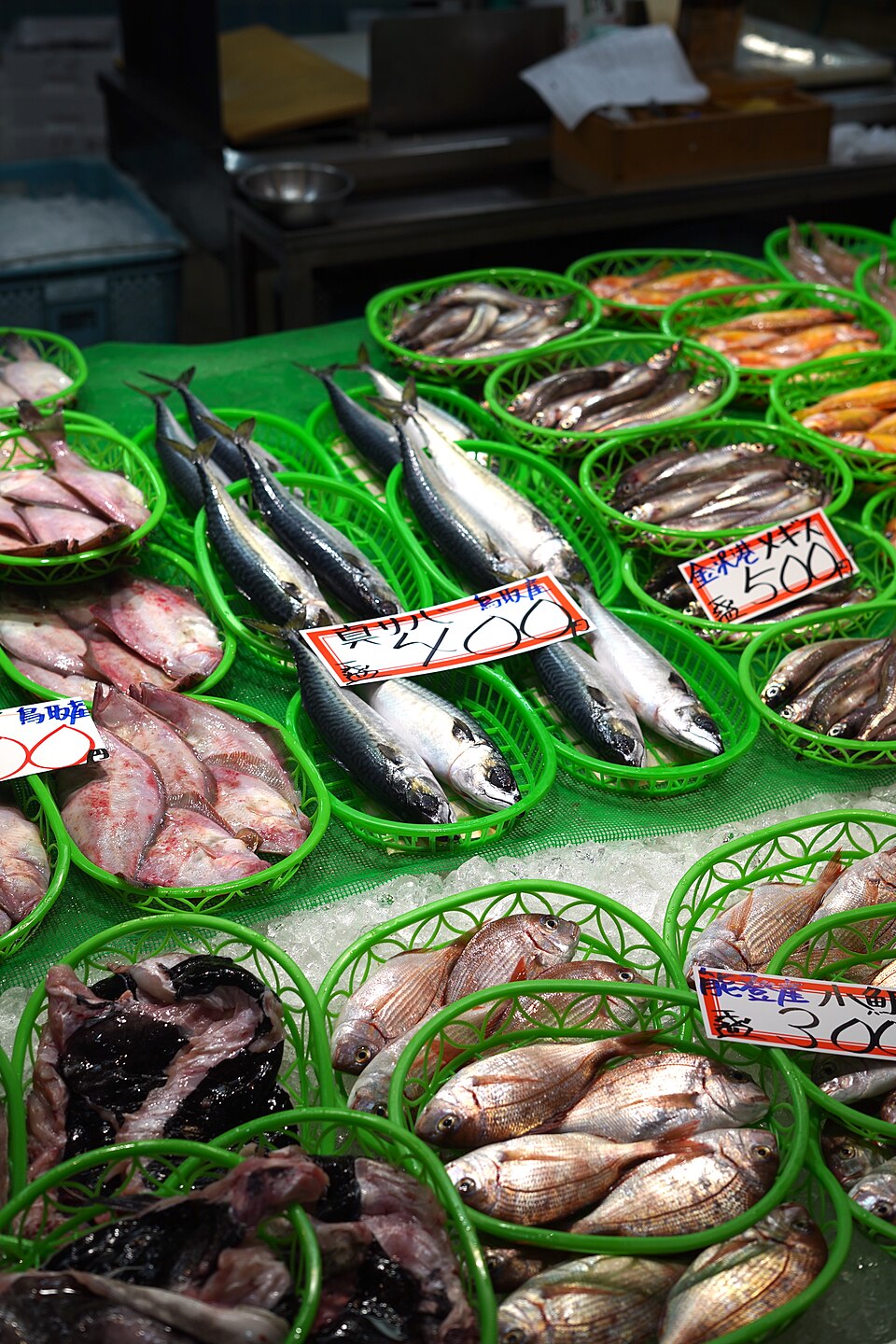
Kanazawa's official restaurant directory includes sushi, local dishes, cafes and fermentation-focused businesses. Use that range to avoid making every meal a repeat of the same seafood experience. In Niigata, rice and sake provide another organizing idea. Choose one meal that matters enough to reserve, then leave other meals adaptable to your location and energy.
Before committing to a reservation, check the current menu, dietary suitability, cancellation terms and last ordering time with the business. A tourism listing is a discovery tool, not confirmation that a particular dish will be served on your date.
How two Kanazawa visits shaped their days
A family visiting in May and June 2025 gave Kanazawa about two and a half days, mixing major sights with casual bites at Omicho Market. A winter food-focused couple visiting in January 2025 chose hot food at the market on a cold morning. On another day, they selected table-service sushi near Kanazawa Station when the conveyor option had a long wait.
The contrast is useful when deciding what a Kanazawa base should do. A market visit can be an open-ended part of a sightseeing day or a planned meal, depending on weather, appetite and queues. Keep a second eating option nearby, and decide which sights deserve fixed time. These are two self-reported trips in different seasons, not a measure of typical crowding, restaurant quality or the ideal length of stay. Confirm current opening details before building a day around any one venue.
The final route check
Put every proposed day on a single sheet with an anchor, access plan, meal window and fallback. If two anchors compete for the same hours, remove one before paying for anything. Keep a city-based option for a day when outdoor plans are unsuitable. The reward for a smaller route is the chance to notice differences between places, rather than remembering only the transfers.
Choose the purpose of your Kanazawa guided time
The two visits described above show different uses for a Kanazawa base: a relaxed mix of sights and market bites, or a food-led stay with alternatives when a queue or cold weather changes the meal. Neither account establishes that a guide is necessary. Choose independent time if you want to linger, change lunch plans or decide the next stop as you go. Consider guided time when historical explanation and help connecting a small number of chosen sites would improve the day you already want.
At our October 25, 2026 check, the linked private Kanazawa walking tour offered a licensed local English-speaking guide with a customizable itinerary: two or three sites for four hours, or three or four for six hours. Confirm the option you are buying and agree the stops. The attraction list is a selection menu, not a promise to visit every listed place. We do not treat its brief stop durations or admission labels as verified visiting times, opening conditions or ticket entitlements.
Meeting the guide is on foot within the designated Kanazawa area; a private vehicle is not included. Transportation, entrance fees, lunch and other personal expenses are listed as exclusions. Ask for the proposed route and its additional costs, including who pays any guide expenses, before committing. Compare that total with your independent plan. The listing's general accessibility labels do not establish the suitability of your chosen streets, entrances or transfers; confirm the actual route if walking distance or step-free access matters.
Protect the hotel and onward-travel decisions already made. Agree the meeting point, finishing point and luggage arrangements, and leave a buffer before a train to Toyama or Fukui. The guide product is not an intercity transfer. At our check, the cancellation policy allowed a full refund at least 24 hours before the start, with no refund or accepted changes inside that window; deadlines use the experience's local time. Recheck the terms for your chosen date and option. If the agreed explanation, stops and total cost do not add enough value, retain an independent Kanazawa day. No current price, availability or guaranteed connection is promised.
Research-based guide prepared by JAPANOVA. Traveler accounts are individual self-reports; comparisons are editorial analysis.
Facility and shop information
- Omicho Market — checked 2026-10-19