A first gyutan meal in Sendai is easier to choose if you decide what you want to learn about the dish. Are you curious about grilled beef tongue itself, comparing thick and thinner cuts, or simply looking for a local lunch before a train? Those are different orders. A long queue or an impressive multi-plate photograph cannot tell you which one fits your appetite, budget and departure time.
Start with the grilled tongue, then inspect the set
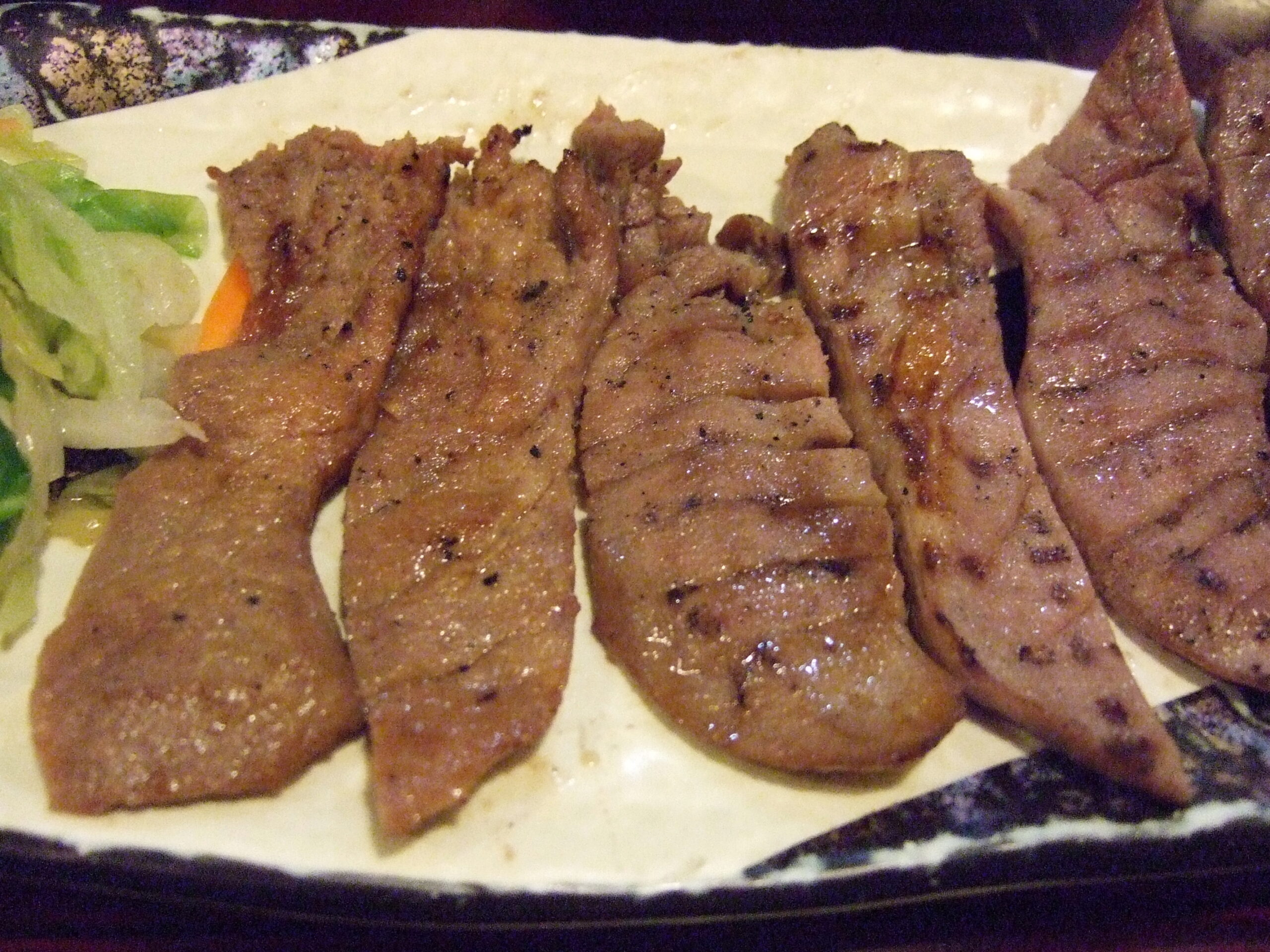
Japan's national tourism organization identifies grilled beef tongue, gyutan, as a Sendai specialty and notes restaurants around the station area. Rikyu's official material describes its sliced, seasoned and charcoal-grilled preparation and provides menu and branch information. That establishes a local food to investigate, not a guarantee of tenderness at every restaurant.
Compare the actual set components and amount of meat before ordering. Read whether rice, soup and other sides are included, whether an upgrade changes the cut or quantity, and whether the photograph contains additional dishes. If you are trying tongue for the first time, one clearly described set is an easier comparison than several upgrades and a separate stew chosen at once. Ask staff if a menu term is unclear rather than guessing from the price.
What contrasting diner reports tell you about texture
Olivia Ng's September 2026 account compares meals at Zenjiro and Kisuke and prefers the thick-cut experience at Zenjiro, describing its tenderness favorably. Amy and Ryan's earlier Yakisuke meal account instead describes several pieces as harder to bite than expected, while enjoying the seasoning and soup.
These are different restaurants, cuts and visits. They cannot establish that one business is always superior or predict the piece you will receive. Their useful common thread is that texture matters, and their difference is a reminder that 'gyutan' does not describe a single identical eating experience. Our inference is to choose the cut deliberately and keep expectations more specific than 'the city's famous meat must be tender'. If firm texture is something you dislike, investigate alternatives on the actual restaurant menu before committing the whole group.
Keep the sides in proportion to the meal
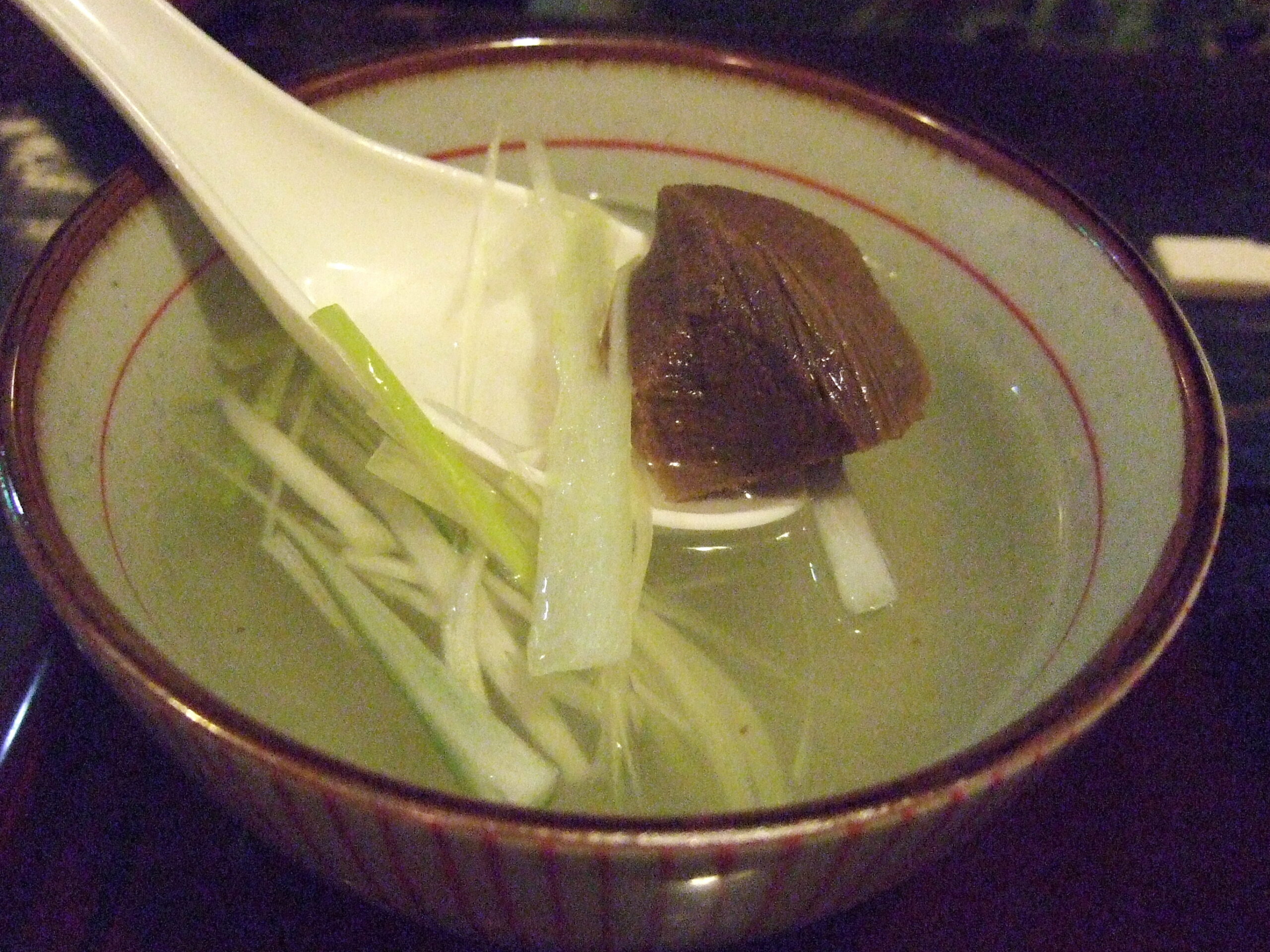
A set can be more than the meat on its main plate, so compare it as a complete meal. Identify which components interest you and whether any are optional. If a side is unfamiliar, ask what it is and try a small amount before mixing it into your rice. That keeps one unwanted texture or flavor from determining the rest of the meal.
The Yakisuke account also found a curry much spicier than the writer preferred. That is an individual's tolerance, not a reliable heat scale for today's menu. It nevertheless illustrates a useful decision: adding curry is a separate choice, not a necessary part of understanding grilled tongue. For a first visit, you can focus the order instead of making the meal larger because a combination looks like a bargain.
Station meal or a restaurant elsewhere in Sendai?
A station-area meal is worth investigating when you have luggage or an onward journey, but allow time to find the restaurant, order, eat and return to the correct platform. Being in a station does not guarantee a short queue or quick service. Check whether the restaurant is inside or outside a ticketed area and whether reaching it affects your ticket arrangements.
If the meal is the day's priority, a restaurant elsewhere may fit a more flexible schedule. Use the business's official branch information for the precise location and current hours. Do not travel to a branch solely on the assumption that an old review describes its current menu. Decide in advance when a queue would make you switch to your backup instead of risking an expensive missed connection.
Check the price and ingredients of the order you will buy
This guide gives no invented citywide price band: menus, portions and dates differ. Compare the tax-inclusive total for the selected cut and full set, then add drinks or extra dishes separately. If two people share, check the restaurant's ordering requirements and avoid assuming one set can cover everyone. Takeaway is another product and should be compared using its own current menu.
For dietary restrictions, ask about sauces, soup, sides and preparation rather than treating grilled meat as an ingredient-free choice. A member of the group who cannot or does not want to eat tongue needs a confirmed alternative, not a vague promise that every specialist will have something suitable. A successful Sendai food stop is a deliberate meal that fits your trip, not a claim to have settled which restaurant makes the best gyutan.
Research-based guide prepared by JAPANOVA. Traveler accounts are individual self-reports; comparisons are editorial analysis.