- Choose the museums before the ticket
- What the Kururin pass actually covers
- A smaller combination can cost less
- Use opening hours to set a realistic stopping point
- Check which art museum and which exhibition
- Decide whether you want admission or interpretation
- Two visits suggest different ways to spend the time
- Facility and shop information
Choose the museums before the ticket
A short stay in Akita does not automatically call for a citywide museum pass. Start with the places you want to enter and the time left after your train journey. For a transfer-day visit, one exhibition and an unhurried break may be a better purchase than several hurried admissions.
The useful choice is between a focused visit, a small combination of museums and a broader cultural day. A ticket can reduce the cost of a route you already want; it cannot create the hours needed to enjoy it. Decide which visit you would keep if your arrival were delayed, then treat the others as optional.
This guide compares ordinary adult admission using official information checked on October 21, 2026. Special exhibitions and individual eligibility can change the calculation. Confirm the exhibition you actually want to see before paying, rather than relying on an old travel diary or a museum's abbreviated English name.
What the Kururin pass actually covers
The city's Kururin touring pass costs 1,000 yen and allows one visit per person to each participating facility, within one year from issue. It is sold at participating facilities, cannot be combined with other discounts, and is not refundable or reissued. The city advertises nine facilities; that is coverage, not a sensible target for every short stay.
At the Satake Historical Museum and Senshu Museum of Art, coverage is for the permanent exhibitions. Other exhibitions need a separate check. The prefectural Akita Museum of Art is a discount benefit rather than an included admission: special-exhibition treatment varies. The Gururu city-loop bus fare is not included.
Write the exact museum and exhibition beside each planned stop. A city pass, a museum-specific annual passport and a two-museum combined ticket solve different problems. Do not choose between them by the word “pass” alone.
A smaller combination can cost less
Neburi Nagashi Kan, the city's folklore and performing arts center, lists admission with the Old Kaneko House at 130 yen. Its exhibits introduce local performing traditions, and it has a Kanto pole challenge corner. Do not interpret that as a promise of a scheduled professional performance on your date.
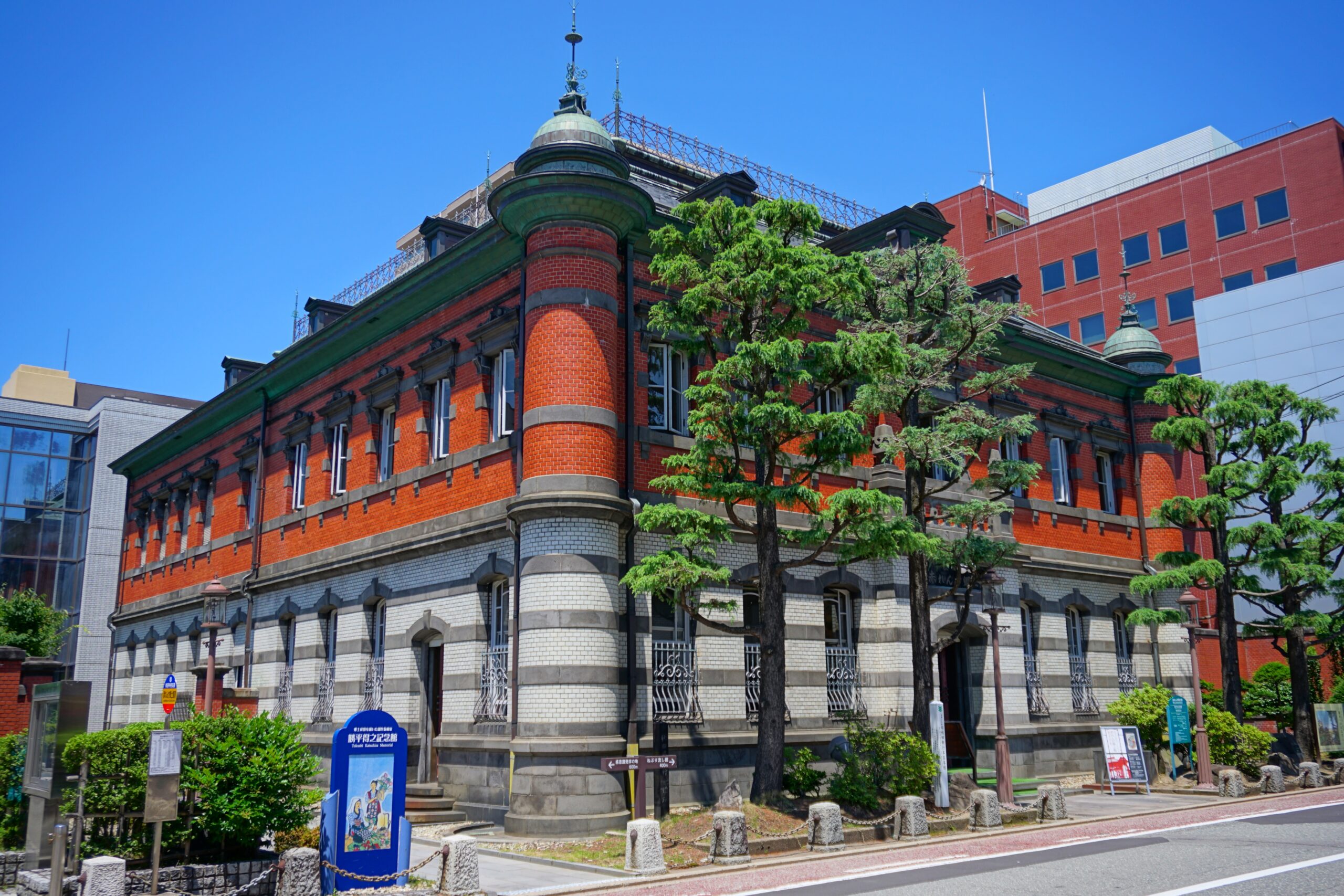
Akarengakan lists a separate ordinary admission of 310 yen. A combined ticket covering Akarengakan and Neburi Nagashi Kan with the Old Kaneko House costs 370 yen, compared with 440 yen bought separately. If those are the visits you want, the smaller combined ticket is the relevant comparison.
Add the Satake Historical Museum's 500-yen permanent exhibition and that combination totals 870 yen. Add the 150-yen Kubota Castle Osumiyagura turret as well and the total becomes 1,020 yen. Against that specific selection, the 1,000-yen city pass saves only 20 yen. These are our calculations from the listed ordinary fees, not a package sold as that route.
The point is to price the likely day rather than every possible stop. Missing the turret changes the comparison; adding a museum solely to make a ticket appear worthwhile changes the day. Check any free-admission eligibility first: the listed Satake, turret, Neburi Nagashi Kan and Akarengakan admissions are free for high-school students and younger.
Use opening hours to set a realistic stopping point
The Satake Historical Museum lists 9 a.m.–4:30 p.m. and an approximately fifteen-minute walk from Akita Station's west exit. It also lists exhibition-change closures, so the walking estimate alone does not establish that you can visit. Its special-exhibition charges vary, and the touring pass does not cover those charges.
Neburi Nagashi Kan and Akarengakan normally open 9:30 a.m.–4:30 p.m., with entry requested by 4:15 p.m. Both have year-end closures; Akarengakan also lists irregular exhibition-change closures. The turret normally opens 9 a.m.–4:30 p.m. and closes from December 1 through March 31. A winter trip therefore needs a different calculation from the four-stop example above.
For an arrival afternoon, choose the must-see interior first. Work backward from its admission cutoff and your onward departure, allowing for bags, walking and a meal. Last entry is not a suggested arrival time for an exhibition you care about. If the usable window is small, buy only what you can reasonably visit and leave the wider circuit for another stay.
Check which art museum and which exhibition
Senshu Museum of Art and the prefectural Akita Museum of Art are different facilities. Senshu's ordinary permanent exhibition is 310 yen for adults; its special exhibitions have their own prices. Its published hours are 10 a.m.–6 p.m., with entry until 5:30 p.m., subject to its closure calendar.
The prefectural museum also lists 10 a.m.–6 p.m., with ticket sales ending at 5:30 p.m. At our check, its fee page applied special-exhibition pricing for October 3–November 29, 2026: ordinary adult admission was 1,000 yen. Do not carry that price into another exhibition or assume that a city-pass discount always has the same value. Ask about the actual exhibition and ticket combination before buying.
Choose the art you want to see first. If an exhibition is the main reason for your Akita stop, give it the best part of the available afternoon. A longer opening day can be useful, but it is not a reason to leave an important visit until its final half hour.
Decide whether you want admission or interpretation
A museum pass pays for eligible admissions, not a guide. If you want English-language interpretation across the city, compare the private Akita city-center walking tour supplied by Tomio Yokouchi on Viator with your own route. The listing describes approximately four to six hours and includes English guiding. Lunch and admission fees for you and your guide, public transport and optional gratuities are excluded. Add those costs to the guide price before comparing it with an independent museum day; this is not a substitute for the ticket calculation above.
The advertised route includes Akarenga-kan, the folklore museum and Senshu Park, with other city stops. Confirm which places your booking will actually visit, their opening dates and how much time remains for the exhibition you care about. Meeting and return are at Akita Station; follow the main ticket-gate instructions in your booking. The listing says it is not wheelchair accessible and that confirmation is subject to availability. Check the current cancellation deadline before paying. A private guide can add interpretation and coordination, while visiting independently gives you more control over pacing and stops. Neither approach guarantees lower admission costs.
For a focused Akarenga-kan visit, its official page also offers volunteer explanations inside the museum at no guide charge, with admission still payable. Volunteers are not permanently on site; request the service at least three days ahead. Confirm availability and language directly rather than assuming English is offered. That limited museum service is worth comparing with a paid city walk when one interior is your main interest.
Two visits suggest different ways to spend the time
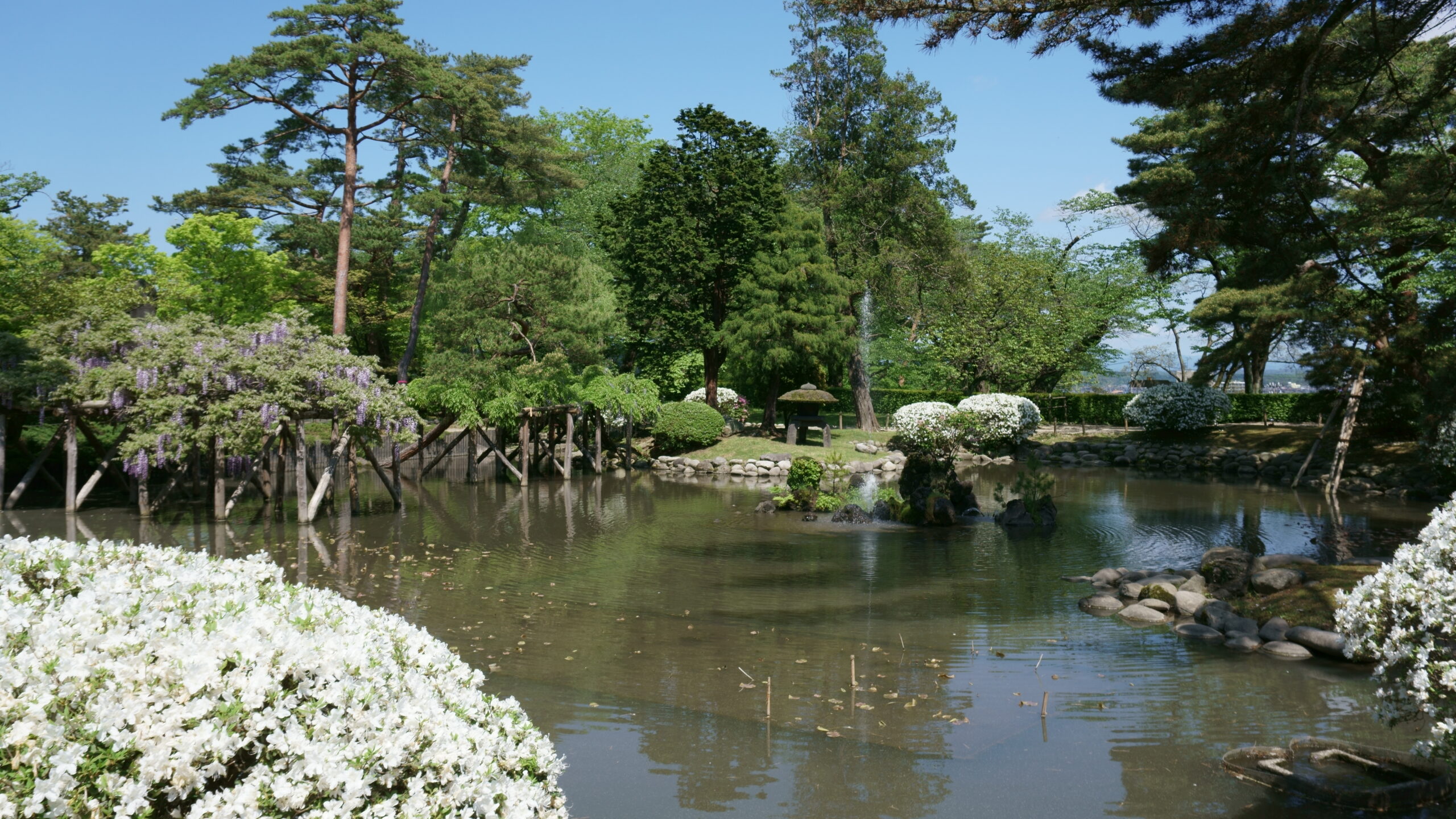
A traveler reporting a September 2019 trip arrived in Akita late, stayed two nights and spent the next morning walking in Senshu Park before heading to Kakunodate around midday. They enjoyed the slower pace. That account supports a modest city stop; it does not show that every visitor needs a museum circuit or a pass.
In a July 2018 report, another traveler deliberately bought a city pass and visited several museums. They found more to see than expected, but chose not to add an outlying park and residence because doing so would consume time needed for the city. Their enjoyment of the prefectural art museum depended on the exhibition. Their historical prices are not the current prices used above.
Both experiences make a case for selecting rather than collecting stops. For a park-focused morning or one exhibition, compare individual admissions. For several specific covered interiors, total the applicable fees and consider the pass. For an uncertain transfer day, keep the optional visits optional until you know your arrival time. Buy the route you want to experience, with enough time to experience it.
Research-based guide prepared by JAPANOVA. Traveler accounts are individual self-reports; comparisons are editorial analysis.
Facility and shop information
- Satake Historical Museum — checked 2026-10-21
- Neburi Nagashi Kan and Old Kaneko House — checked 2026-10-21
- Akarengakan — checked 2026-10-21
- Kubota Castle Osumiyagura — checked 2026-10-21
- Senshu Museum of Art — checked 2026-10-21
- Akita Museum of Art — checked 2026-10-21