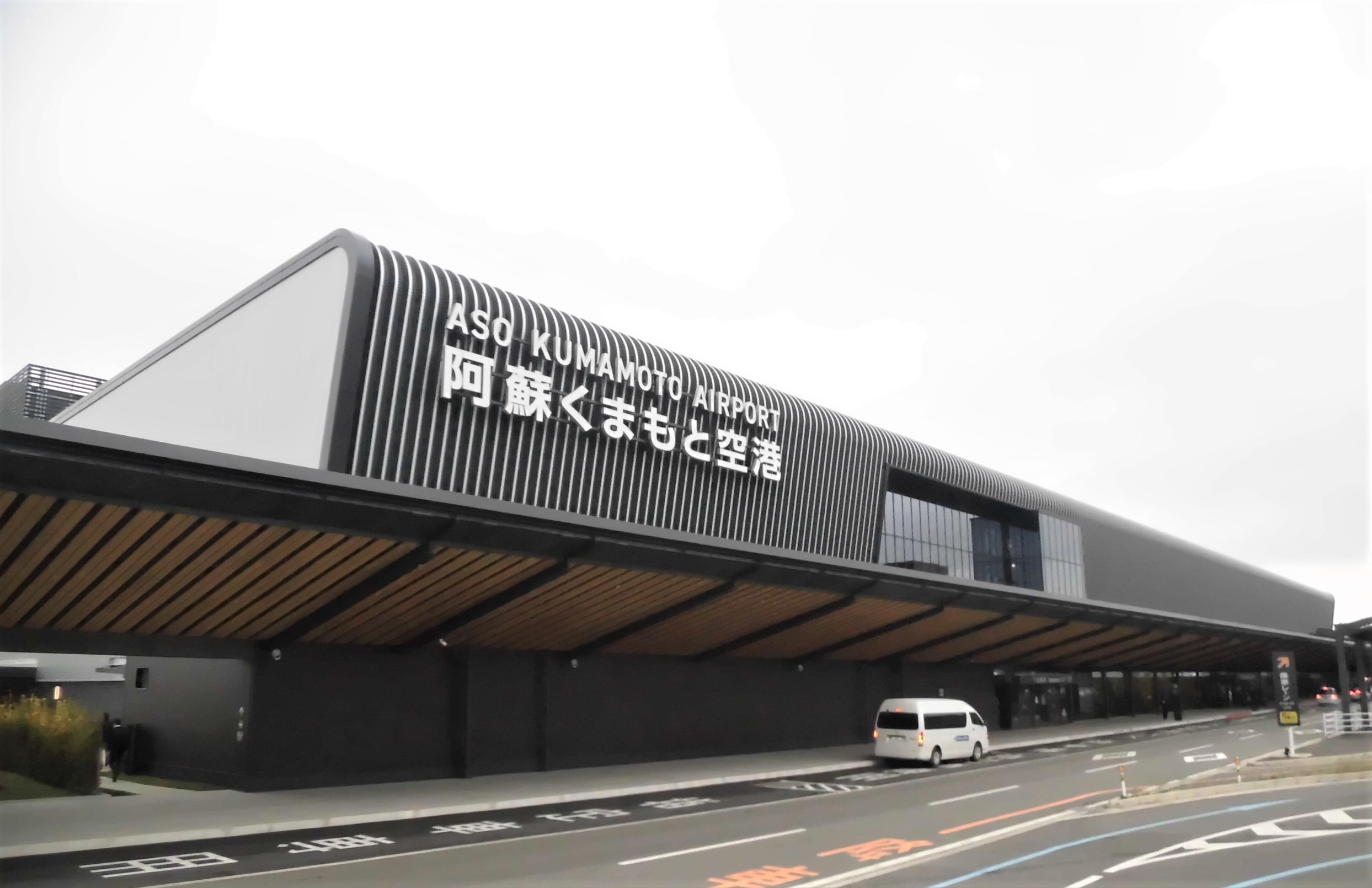
For central Kumamoto, the airport journey is a choice between a city-bound bus and a road link to Higo-Ozu Station followed by rail. The best option depends on your final address, luggage and connection, not only the advertised running time. There is also a recent cost change: the Airport Liner is no longer free. Check current information before using an old trip report to decide your route.
Start with the address you actually need
Mark whether you are going to Kumamoto Station, the Sakuramachi bus terminal area, another downtown stop or a destination along the railway. Those are different endpoints. A bus that serves a useful downtown stop may avoid a later transfer; a rail journey may suit a station-based itinerary. Check the specific bus or train departure and the walk after it rather than comparing two routes that finish in different places.
If your hotel gives detailed airport directions, read them beside the current operator or airport information. A map pin in central Kumamoto is not a complete arrival plan. Save the full hotel name, reception address and final walk before flying. That small preparation can prevent an unnecessary trip across town with bags.
Direct buses suit a clear downtown destination
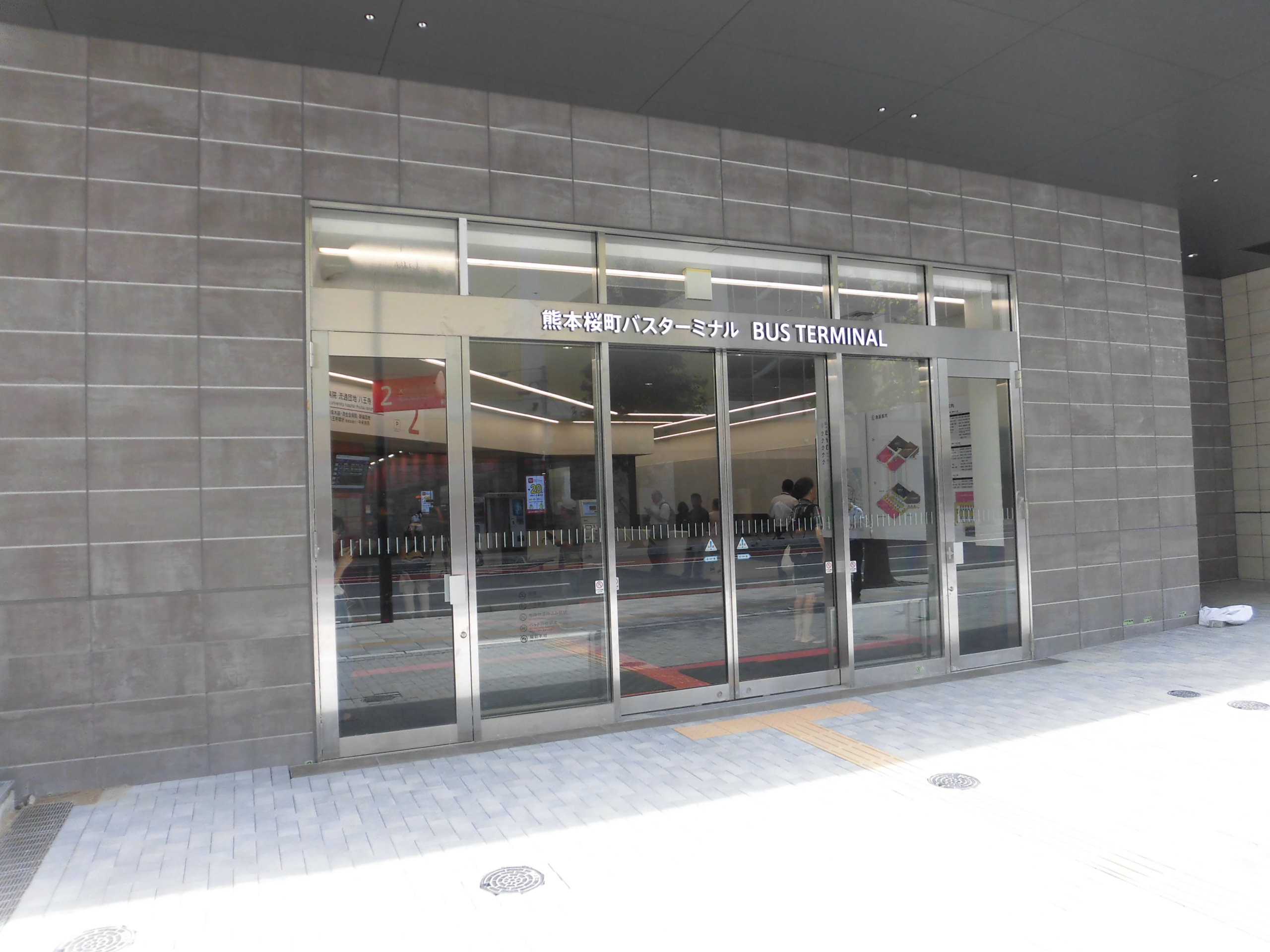
The airport's access information distinguishes city-bound limousine services and their boarding points. Its FAQ directs ordinary limousine passengers to bay 4 and a separate rapid Sakuramachi service to bay 3. Check the current board and stop list on arrival; a historical terminal photograph is not a current bay instruction.
A direct bus can be attractive when it reaches the stop you need without another interchange. Compare departure time, the actual served stop, luggage arrangements and expected arrival margin. Road conditions can change the journey, so avoid promising a hotel arrival based only on a scheduled running time. If one service is full, the airport FAQ says passengers may need the next bus; possession of an ordinary plan is not a guaranteed seat on the first departure you see.
The Higo-Ozu option now includes a paid road link
The Airport Liner connects the terminal with Higo-Ozu Station, where passengers can continue by train. It is not a train station inside the airport. The airport's dated notice says the liner became JPY200 from July 1, 2026. Its current access table also lists that fare, while an older FAQ still describes the connection as free. Use the dated notice and current table when budgeting.
Add the liner fare to the rail fare and any onward city transfer. Check the waiting time between road link and train, not only each vehicle's running time. A rail-based route can still be useful for a destination along the line, but a 2023 account showing a free shuttle should not be used to declare today's cheapest option. The timetable you can actually catch matters as much as the fare comparison.
Two actual journeys show different advantages
Peanut's account of a September 2023 departure described deliberately using rail to Higo-Ozu and the Airport Liner, with station signs helping the transfer. An April 2026 account by ゲーシー described taking a direct airport bus toward downtown and continuing through Sakuramachi on a longer journey.
Both are useful completed-trip examples, but they solve different problems: the first followed a rail-and-shuttle connection, while the second valued a through road journey to downtown. Neither proves today's travel time or boarding capacity. JAPANOVA's inference is to compare the number and location of transfers you will personally make. The liner's July 2026 fare change also means neither account should substitute for a current price check.
Protect a flight connection with a fallback
For travel back to the airport, work backward from the airline's required arrival time, not the flight departure alone. Include the walk from your accommodation, the wait for transport, any interchange and the airport arrival process. A route that looks efficient with a perfect connection can become awkward if the first leg is late.
The airport FAQ says buses generally do not wait for delayed flights, with possible handling of the final service. Do not treat that possibility as a personal guarantee. Check the last useful departure and available alternatives for your specific flight. If arriving late, decide what you will do when baggage collection takes longer than expected instead of assuming the last bus will remain at the curb until you appear.
Make the route comparison before buying
For each option, write the final stop, earliest realistic departure, number of changes, total fare components and final walk. Prefer the direct bus when its stop and departure reduce effort for your actual accommodation. Compare the Higo-Ozu connection when its rail destination or timing fits your onward journey and you understand both legs.
Confirm current payment and ticket instructions at the airport or through the official access page. Save the dated Airport Liner notice if your guidebook still calls it free, but follow current on-site directions if boarding arrangements change. A reliable arrival plan is one with a clear destination and an acceptable backup, rather than a route chosen from an old low price or someone else's best-case travel time.
Research-based guide prepared by JAPANOVA. Traveler accounts are individual self-reports; comparisons are editorial analysis.
Facility and shop information
- Aso Kumamoto Airport access — checked 2026-10-19
- Aso Kumamoto Airport July 2026 fare notice — checked 2026-10-19
- Aso Kumamoto Airport FAQ — checked 2026-10-19