Decide whether the zoo merits an overnight
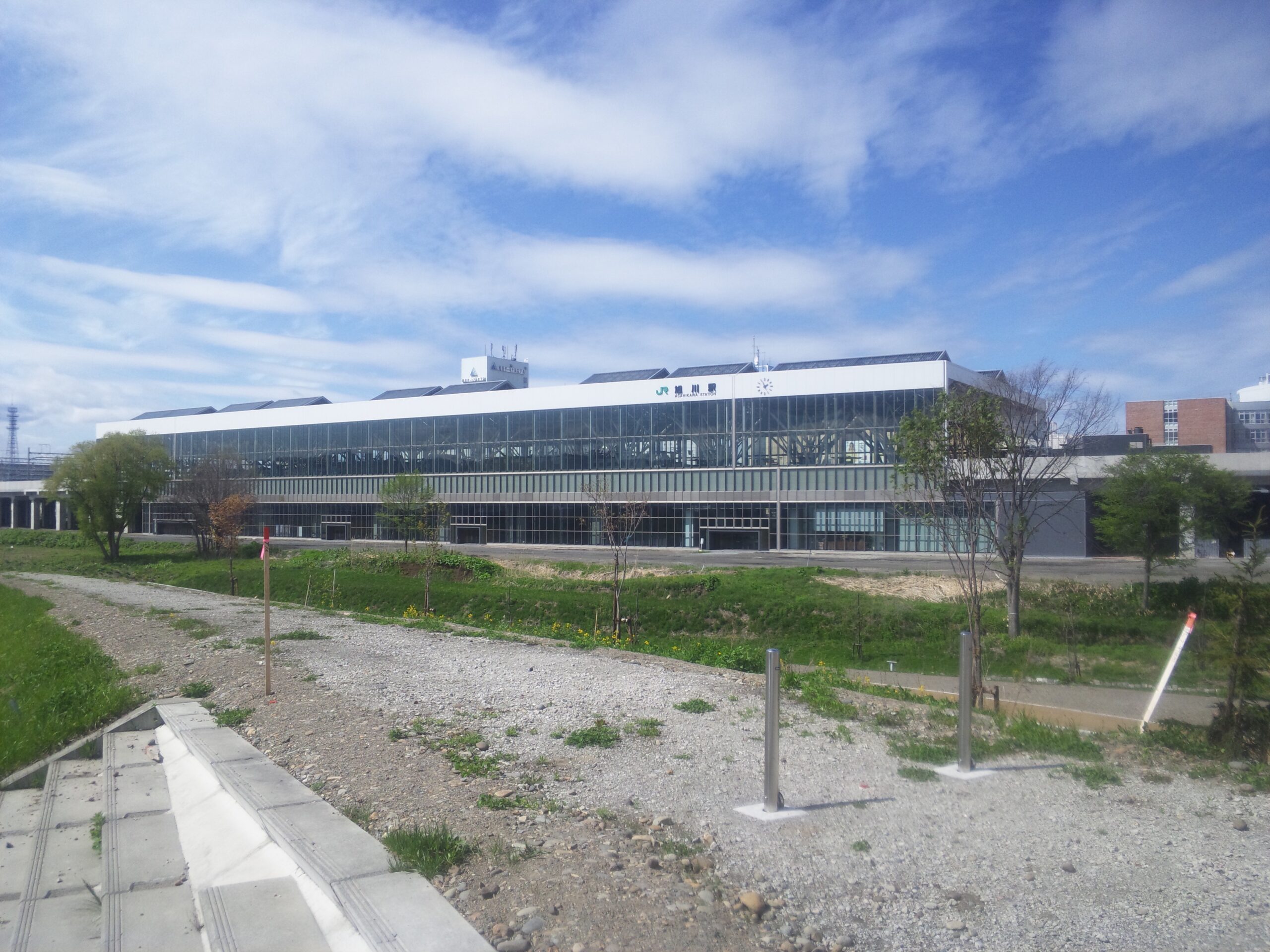
If Asahiyama Zoo is the main reason for visiting Asahikawa, compare a focused day trip with a local overnight before buying tickets. The useful distinction is how much time you want inside and what the journey leaves available, rather than whether a map makes the destinations look close.
A day trip can suit someone who wants one visit and prefers to keep the same hotel. An overnight deserves consideration when it creates time you will actually use at the zoo or supports the next part of your journey. It is less persuasive if it simply adds packing, luggage storage and another check-in without improving either day.
Start with the date, available opening hours and your return journey. Then decide whether you want a single continuous visit or two visits across a stay. A product called a two-day ticket does not necessarily allow two unrestricted days. Check the entry conditions before choosing accommodation around it.
Read the calendar before making an arrival-day plan
The official calendar checked on October 21, 2026 lists October 16–November 3 opening from 9:30 a.m. to 4:30 p.m., with admission ending at 4 p.m. The next regular opening period begins November 11, leaving a November 4–10 gap. An autumn itinerary cannot assume that the zoo opens every day.
For November 11–December 29, 2026, ordinary hours are 10:30 a.m. to 3:30 p.m., with last admission at 3 p.m. The next listed period is January 2–April 7, 2027, with the same ordinary hours. Check dated exceptions rather than extending a summer schedule into winter.
The penguin walk is described separately as an activity during the winter snow-covered period. Winter opening alone does not promise that it runs on your date. Confirm the current event notice and daily schedule before making that the reason for an expensive journey. A past visitor’s 11 a.m. sighting is not a timetable for your trip.
On a transfer day, work backward from the time you must leave the zoo. Allow for the onward journey and luggage collection, then judge whether the remaining visit is worthwhile. Last admission is a cutoff, not a recommended arrival time.
Compare a single visit with the overnight ticket
The current ordinary adult single-entry ticket is 1,000 yen, and children of junior-high school age and younger enter free. A separate announced change raises ordinary adult admission to 1,400 yen from April 29, 2027. Price your actual travel date.
The current 1,000-yen omotenashi ticket is for guests staying at accommodation within Asahikawa, with proof of the stay required at purchase. It allows entry from noon on the first day and entry by noon on the following consecutive day. The noon condition on day two concerns entry; it is not stated as a noon departure deadline. This is not an unrestricted two-day product.
An ordinary zoo annual passport currently costs 1,400 yen. Compare its conditions if your intended visits do not fit the overnight ticket. Do not assume an existing ticket can be converted later: the zoo says its ticket windows cannot change purchased tickets into other types, and refunds are generally unavailable. Check the relevant seller and ticket conditions before paying.
Choose the stay for the visit it enables, not solely for a possible admission saving. Extra transport and accommodation can matter more than the difference between ticket prices. If you only want one visit, keep that simpler option in the comparison.
Include the local bus and the bags in the decision
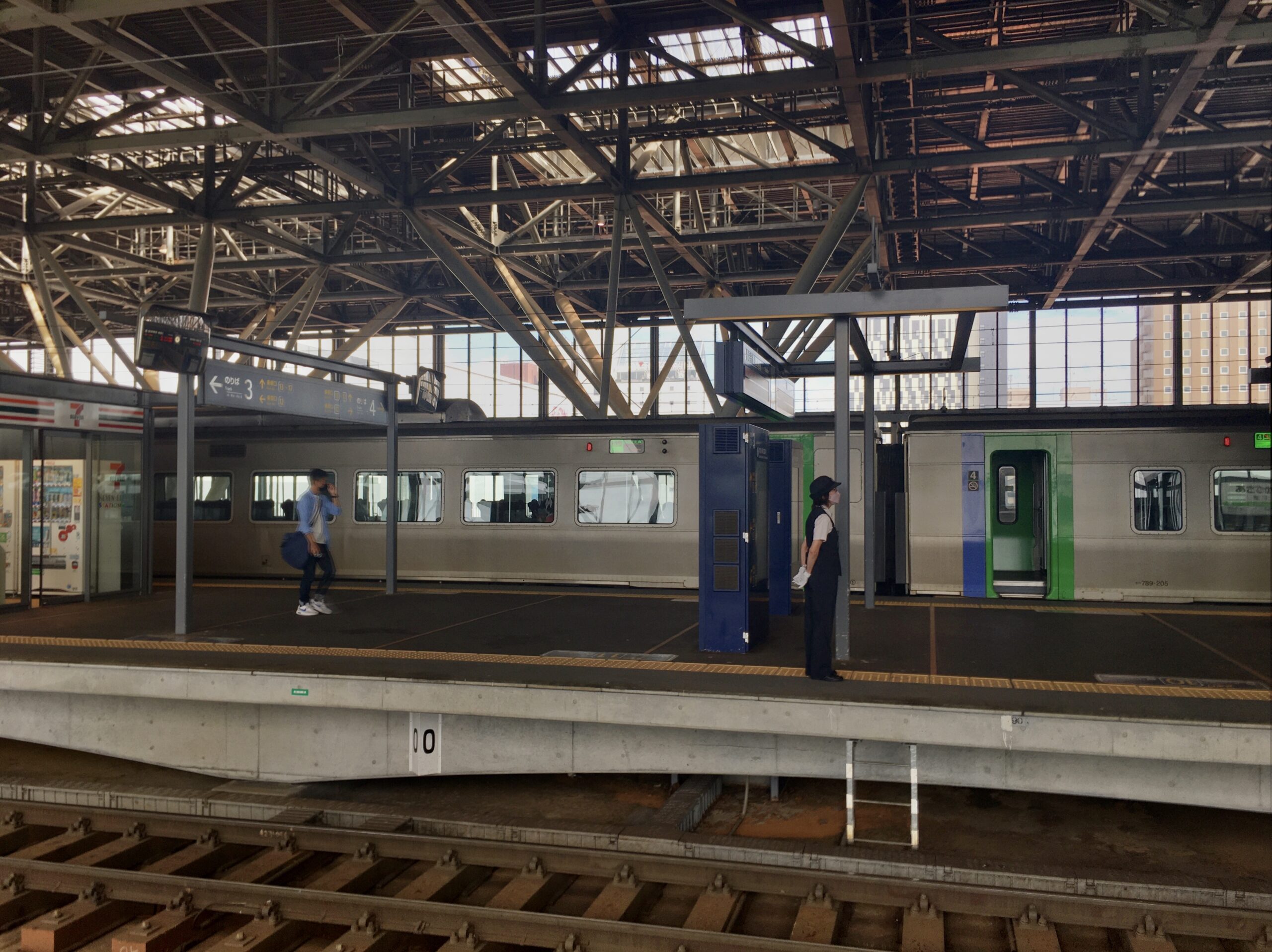
The zoo’s access guide gives an approximate forty-minute ride from Asahikawa Station, using the station’s number 6 bus stop. Treat that as an estimate for the ride, not the entire transfer from a train. Add time to reach the stop, wait and enter the zoo.
At our check, the bus operator’s published table covered the summer period through November 3, 2026. Its station-to-zoo adult fare was 670 yen one way, following the September 1 revision. Use the timetable for your own date, particularly across the seasonal change. Do not extend those listed departure times into the winter opening period.
For that route, the operator identifies Asaca and DoCARD as the usable IC travel cards. Do not assume that another transport card you used elsewhere will work. Check payment arrangements beforehand. A return ticket purchase requires two tickets under the operator’s stated vending-machine instructions.
If carrying a suitcase, decide where it will stay before choosing a tight connection. The zoo lists lockers at its gates with different dimensions and quantities. Check your bag against the relevant size and allow an alternative; a published locker count is not a reservation. Its rules also say there is no re-entry, so do not plan to leave for lunch and return on the same ordinary visit.
Choose a return with room for a delay. A hotel nearer the beginning of the local journey can help some itineraries, but an overnight does not remove the bus ride or guarantee an event. Compare the whole sequence rather than buying a room first and trying to justify it afterward.
Two winter visits show different reasons to choose a format
One solo traveler reporting a February 2024 trip took an early train from Sapporo and then joined a long bus queue in Asahikawa. They reached the zoo around 10:45 a.m., saw the penguin walk and spent time with other exhibits before returning toward Sapporo. Their experience shows why the local connection deserves attention, even when the main train journey works.
A different traveler in January 2026 chose an organized outing including Biei sights and the zoo because they did not feel comfortable driving in frozen conditions. They enjoyed the broader trip but said the zoo was a bundled stop rather than an attraction they would have chosen independently. That preference is not an assessment of current animal-care standards.
These accounts support different decisions. A zoo-focused visitor may value control over the visit length; someone interested mainly in other scenery should inspect every included stop before buying a tour. Neither account proves that an overnight is necessary or that a combined outing is right for everyone.
Before paying, settle three things: whether the zoo itself interests you, whether your date provides enough usable time, and whether the ticket fits the visits you intend to make. Then compare a day trip, local overnight and organized outing on those terms. Keeping the plan smaller can be the better purchase when it protects the experience you actually want.
Research-based guide prepared by JAPANOVA. Traveler accounts are individual self-reports; comparisons are editorial analysis.
Facility and shop information
- Asahiyama Zoo — checked 2026-10-20
- Asahiyama Zoo — checked 2026-10-20
- Asahiyama Zoo — checked 2026-10-20
- Asahiyama Zoo — checked 2026-10-20
- Asahiyama Zoo — checked 2026-10-20
- Asahiyama Zoo — checked 2026-10-20