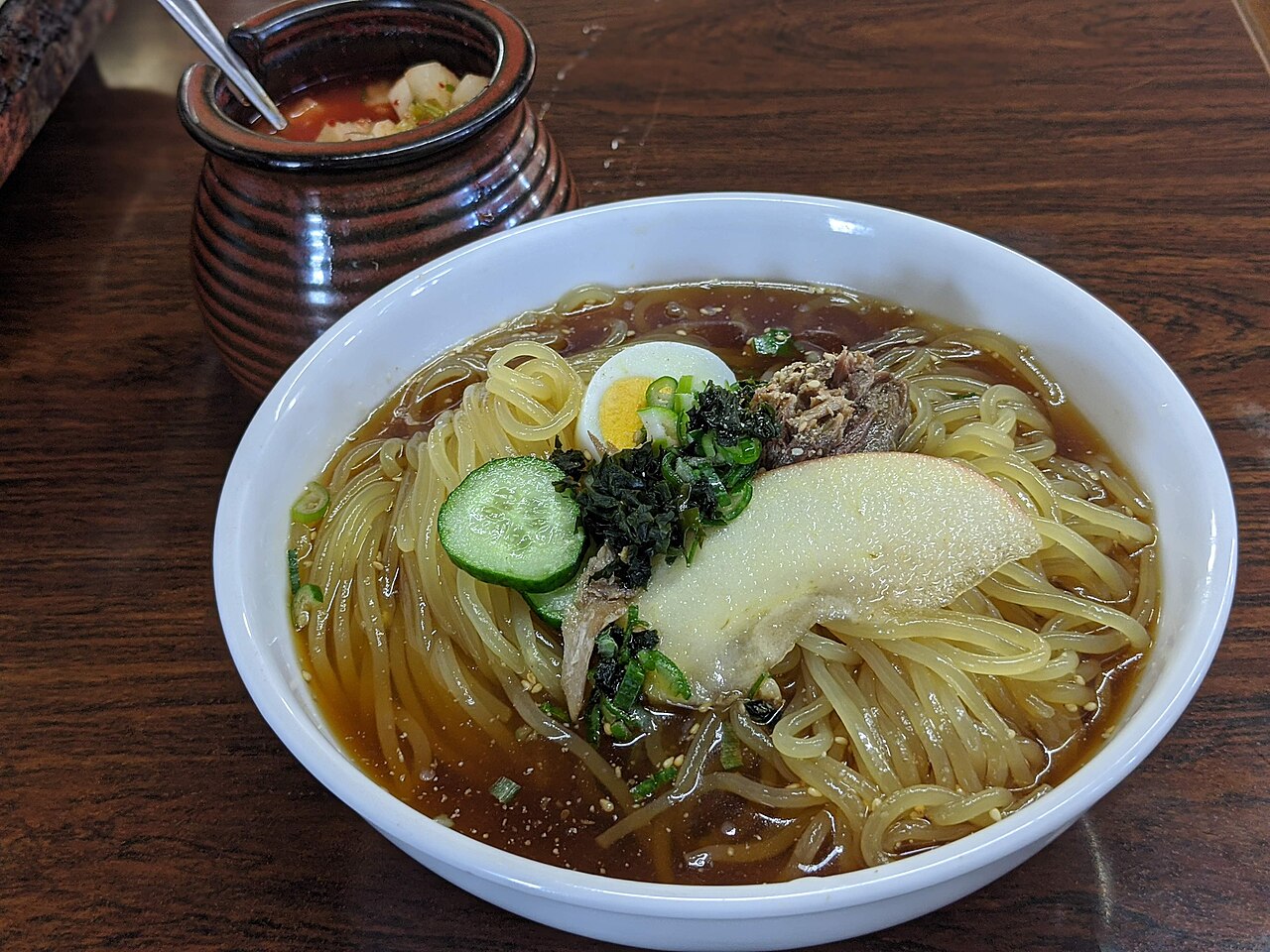
Hitsumabushi makes one meal into a small tasting sequence: eel and rice first on their own, then with condiments, then with liquid added, before returning to the style you prefer. For a visitor to Nagoya, that can be more useful than treating the meal as an expensive photograph to collect. Understand what is included, decide on your portion and leave yourself time to compare the stages without rushing toward another reservation.
Budget for a meal rather than an eel photograph
Atsuta Houraiken's English Honten menu checked on October 19, 2026 lists its standard hitsumabushi at JPY 4,950 including tax. The listed meal includes accompaniments such as condiments and a clear soup. The larger option costs more. This is one operator and branch's displayed menu, not a citywide price or a guarantee for your travel date.
Use it to decide whether eel is a priority meal in your own budget. Compare the actual menu for the branch you intend to visit, including portion size and anything ordered separately. Drinks and additional dishes can alter the total. If the standard meal is already a substantial spend for you, there is no requirement to add extras simply because other diners do.
Use the four portions as a comparison
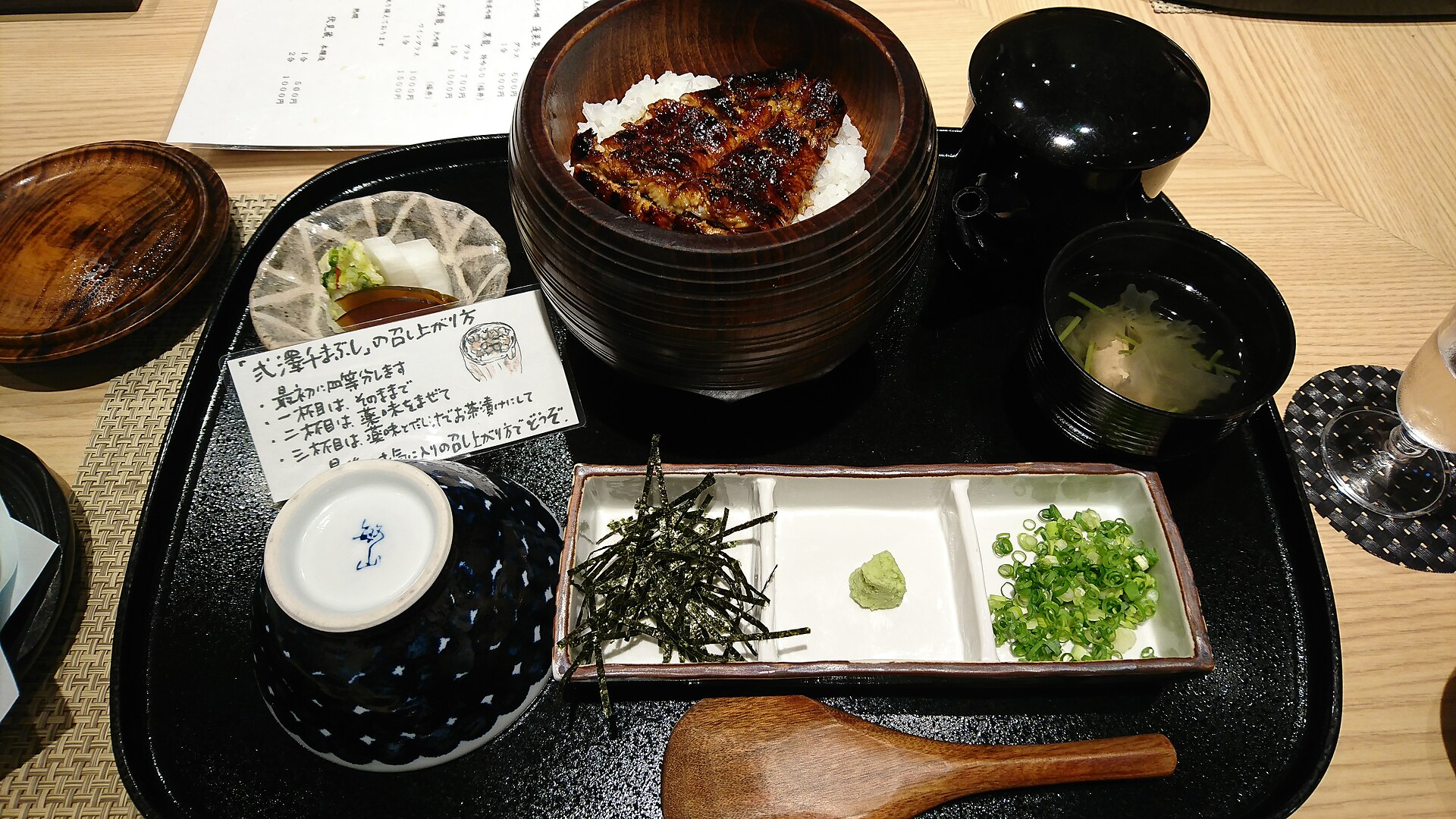
Houraiken explains its sequence as a first serving plain, a second with condiments, a third as ochazuke, and the last in your favorite style. Divide the meal progressively into the small bowl rather than changing the entire container at once. That leaves something to compare and lets the final portion reflect what you actually enjoyed.
Start by noticing the eel and rice together. Add condiments to the next serving, taking care not to use everything before you understand their effect. For the liquid stage, follow the restaurant's own instructions about what to pour. Do not assume that every accompanying vessel serves the same purpose or that every restaurant uses an identical liquid or recipe.
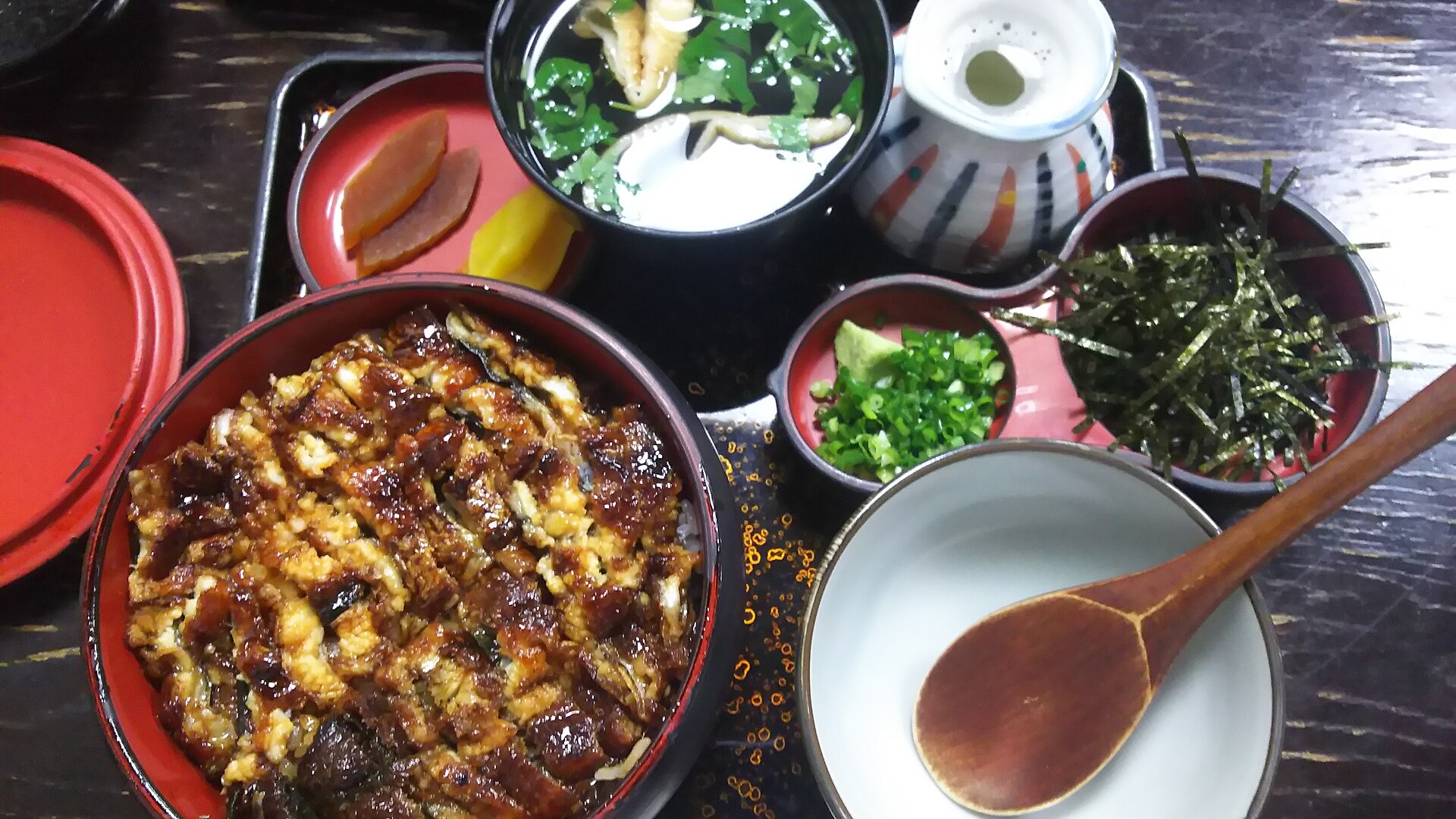
The photographs illustrate hitsumabushi served at other named restaurants: Nisawasen in Nagoya and Daikantei in Tsu. They are not photographs of an Houraiken meal or a promise of its present presentation. A comparable serving arrangement helps explain the method, while the actual menu and staff explanation should determine how you eat your own order.
Two diners preferred different stages
The Golf Japan writer's first-person main-branch meal, published in 2021, describes following the four-part sequence and preferring the condiment stage, especially the wasabi combination. The writer also found the amount of rice filling. Their historical arrival and seating account is useful context for that outing, rather than evidence of today's wait or guaranteed table style.
Lim Yian Lu's separate public narrative compares an earlier Houraiken visit with a later meal at Ibashou. The writer preferred aspects of Houraiken's charred eel, yet found the tea stage at Ibashou particularly memorable and enjoyed the less hurried setting. Only the publicly available comparison is used here; subscriber-only itinerary material is not part of this research.
These accounts agree that the meal rewards trying more than one combination, but do not identify the same favorite. One prefers condiments; the other describes a liquid stage as an outstanding bite at another restaurant. JAPANOVA's inference is to preserve enough rice and eel to revisit your own favorite. A tasting sequence is more useful than searching for one correct response to it.
Choose a branch and understand the booking conditions
Houraiken lists multiple locations, so check the exact branch before saving directions or interpreting a reservation instruction. On the Honten English page, advance reservation information refers to courses and requires arranging them ahead; it is not a promise that a same-day ordinary hitsumabushi order comes with a reserved seat. Confirm the current conditions directly for what you want to eat.
Build a waiting allowance around your own onward commitments. If a long wait would make you miss a train or event, decide in advance when you would choose another meal. Two historic diners cannot predict today's queue, and a famous name does not remove closing days, service limits or the need to match the correct address.
Keep portion size and dietary questions separate
A larger portion is an appetite decision, not automatically better value for a traveler who wants to enjoy the full sequence comfortably. If you are unsure what a particular set includes, ask before ordering. Do not assume that sharing, substitutions or a small version will be available at every branch because another restaurant offers them.
For dietary restrictions, ask about the complete meal, including sauce, stock and side dishes. A photograph cannot establish ingredients or preparation. If staff cannot resolve an essential requirement, choose another suitable meal rather than turn a special lunch into an experiment. The eating method can be explained in advance; individual suitability needs an answer from the actual kitchen.
Leave time to enjoy the meal you paid for
Set aside enough attention to taste each version and choose your last serving deliberately. Recheck the current branch menu and total before joining a queue, and keep any later appointment realistic. A satisfying Nagoya eel meal comes from choosing a manageable order and discovering your preferred combination, rather than copying somebody else's favorite bite or rushing through four stages as a checklist.
Research-based guide prepared by JAPANOVA. Traveler accounts are individual self-reports; comparisons are editorial analysis.
Facility and shop information
- Atsuta Houraiken Honten — checked 2026-10-19
- Atsuta Houraiken — checked 2026-10-19