Shikoku is an appealing place to build a trip around a few strong interests. Its four prefectures, Kagawa, Ehime, Kochi and Tokushima, offer different starting points, and a first visit does not need to circle the whole island. Begin with the experience you most want, then choose an arrival point and accommodation that support it.
The plan below is a framework for making that choice. It does not assume that a mountain excursion, a temple visit and an evening food outing all fit comfortably into the same day. The aim is to protect time at the destination rather than fill every open square on the map.
Start with one anchor
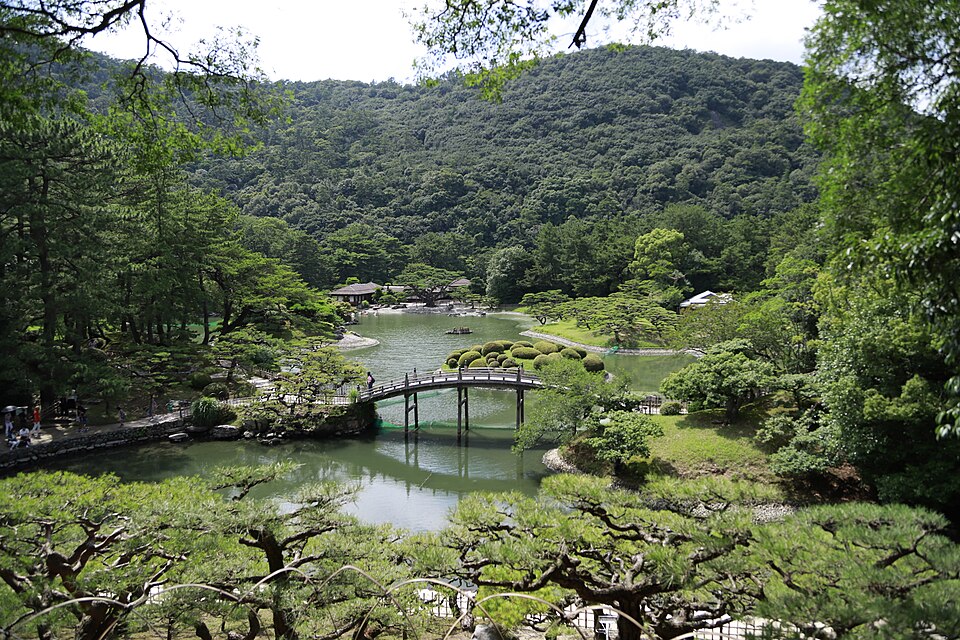
Kagawa is worth investigating for an udon-focused visit and sights such as Ritsurin Garden. Ehime offers the Matsuyama area and Dogo Onsen. Kochi's regional highlights include Kochi Castle and Hirome Market. Tokushima introduces the Awa Odori tradition, pilgrimage heritage and the Oboke and Iya area. These associations help narrow your research; they do not replace checking each attraction's access and calendar.
Choose the anchor that would still make the trip worthwhile if you had to drop an optional outing. For some travelers that is a city and its food. For others it is a particular landscape or a day exploring a cultural tradition. Booking around that priority is more useful than selecting a hotel halfway between unrelated interests.
Make the arrival point work for you
The regional transport planner treats Takamatsu, Matsuyama, Kochi and Tokushima as separate station and airport destinations. Use that distinction when comparing flights, trains, buses or ferries. The name Shikoku on a route description is not enough; work through the final journey to the place where you actually intend to stay.
Compare arrival and departure arrangements together. Returning to the same point may simplify your bookings, while leaving from a different city may suit a trip with two chapters. Decide only after checking the actual services on your dates. A map can suggest a useful shape, but it cannot establish a workable connection.
City time and countryside time need different treatment
A solo visitor reported using trains, buses and occasional taxis without a rental car. A separate couple used a car during their Shikoku journey but still described a rushed Naoshima-and-Teshima day and a full island bus. The agreement is that both trips required local planning; the difference is how much flexibility the travelers expected from their mode of transport. These two self-reports do not establish which mode is best for everyone.
Our conclusion is to choose the base and travel style together. A car can solve part of a countryside route while leaving ferry and island-bus dependencies untouched. A smaller public-transport itinerary can be a deliberate choice rather than an inferior version of a driving loop.
If your priorities are urban attractions and meals, start by investigating accommodation near the local transport you will use most. If your main interest is an excursion outside the city, first check the complete return journey. Do this before assuming a distant attraction will function as an easy day trip.
For the Oboke and Iya area, investigate the exact place you want to visit rather than searching only for the area's name. For any mountain outing, give current conditions and the route itself a separate check. An attractive photograph should help choose your interests, not determine how little time you allow for reaching them.
Treat pilgrimage heritage with care
Shikoku's 88-temple pilgrimage is one of the island's defining cultural traditions. A first visit can include learning about the pilgrimage and visiting a temple without presenting a short outing as completion of the route. Keep your ambitions specific: which temple, what access, and how much time to behave respectfully rather than rush through?
If you want a walking component, research the particular section and your return arrangement. Do not infer that adjacent numbers mean adjacent places or that a general pilgrimage overview describes today's route conditions. Your plan should match your preparation and the experience you actually intend to have.
A useful first itinerary shape
For a short visit, our suggestion is one base with a main city day and one carefully researched excursion. Add another base only when it offers something materially different and the transfer leaves enough usable time. Keep a flexible period for weather, fatigue or an interest you discover after arrival.
Before booking, check the opening days of your anchors, the last local service back, and the location of your accommodation relative to the relevant station or stop. Avoid buying a transport pass solely because it carries the island's name; compare its actual coverage with your chosen journeys.
Shikoku does not need to be completed in one visit. A trip that gives one or two places attention can provide a clearer sense of the island than a hurried loop. Let the priorities shape the route, then make the timetable prove that the route works.
Choose accommodation around the hardest journey
For a Takamatsu-based garden and city visit, compare the walk and local journey from each hotel to the places you intend to use. For an island day, check the port journey as well as station proximity; a room beside a rail station is not proof of a simple ferry connection. For countryside time, write down your last workable return before committing to a distant base.
Our booking order is: choose one anchor, test access and the return, compare hotel locations, then decide whether a pass or a short rental period actually helps. Check meal arrangements if a late return affects dinner at your accommodation. We have not inspected or compared individual hotels, so proximity and cancellation terms are checks for you to verify rather than property endorsements.
Decide what paid guidance would add to a Takamatsu day
For a Takamatsu city day, independent visits leave you free to linger in a garden, change a meal plan or drop a stop. Consider paid guidance when explanation, help choosing a workable sequence or conversation about local culture matters enough to justify the extra cost. Agree on the actual route, language, walking pace and breaks before paying. The two traveler reports above compare their own transport choices; neither is a review of a particular guided product, and hiring a guide does not by itself remove the connection problems they describe.
The link below opens a Takamatsu experience directory, not one fixed package or a recommendation of every listing. At our October 25, 2026 check, it displayed city walks, vehicle-based tours, island outings and food or cultural experiences. Compare the exact option with the day you could arrange independently. Establish whether transport, admission, meals and any guide expenses are included or charged separately, then compare the complete cost. Confirm the meeting and finish locations, start time, duration, confirmation process and cancellation deadline for your selected option; terms from one listing must not be applied to another. A listing in Takamatsu results does not establish that every departure is from your hotel, the city or the same port.
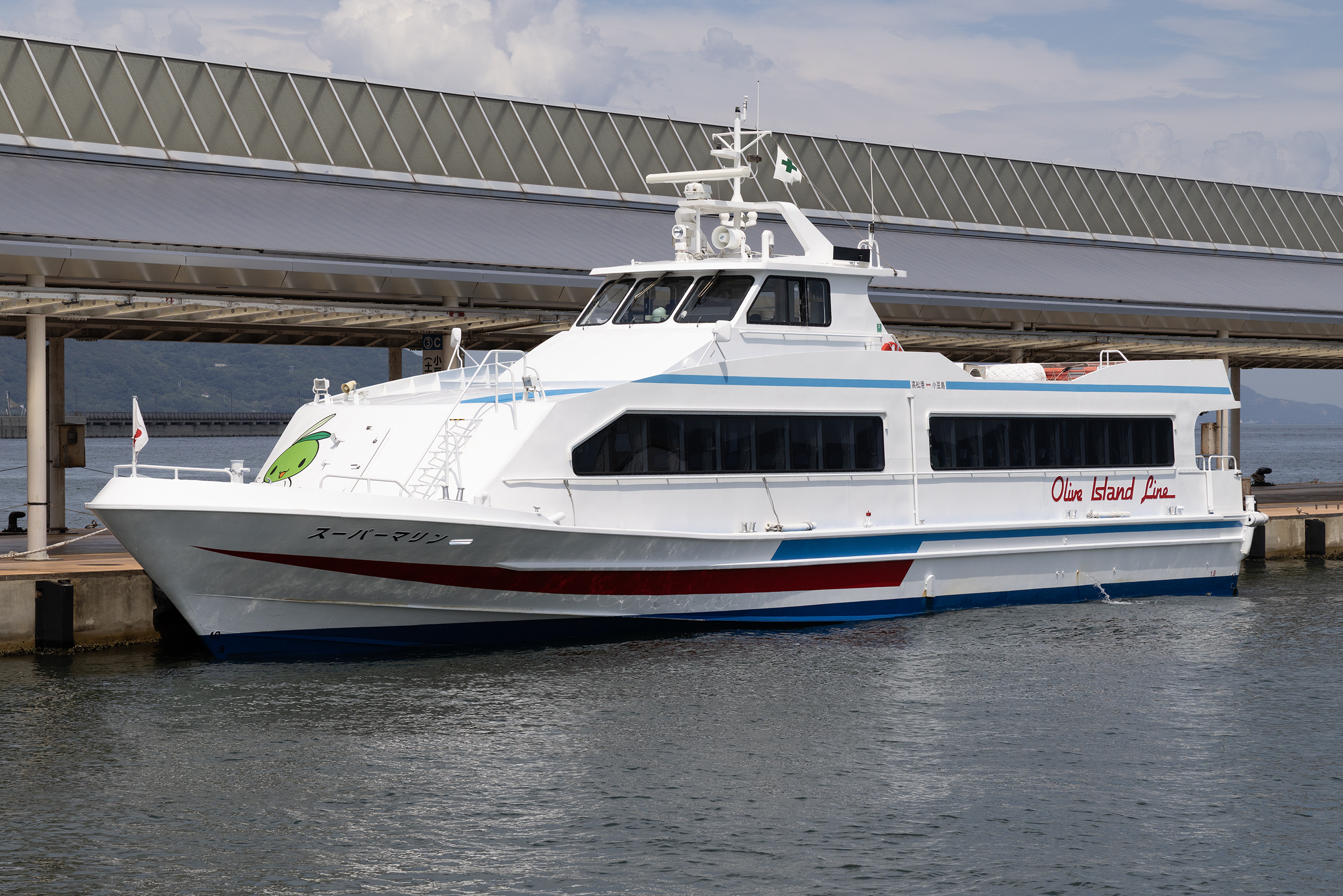
Keep island logistics as a separate decision. Before relying on an excursion, establish who arranges ferry tickets, island transport and any timed museum admission, and what happens if a sailing or connection cannot be used. A general directory link does not reserve any of those things. Avoid combining Naoshima and Teshima simply because both appear within reach on a map. Protect the return sailing and onward accommodation plans, and ask whether the operator's finish point and contingency arrangements actually fit them. A city-only day remains a useful alternative when an island plan cannot be made workable.
One half-day listing illustrates why the details matter. On October 25, we checked the Takamatsu Customized Half-Day Tour with Licensed Local Guide, product 92136P132. Its inclusion panel excluded entrance fees, while its itinerary labeled Ritsurin Garden admission free. A sentence about covered guide entry fees also appeared in the exclusions column. We could not reconcile those cost statements and do not recommend booking that product until the operator provides clear written confirmation of what your party and guide would need to pay. This warning concerns that listing, not every experience in the directory. It does not establish that garden admission is free, and a cancellation badge is not a substitute for resolving the total cost before purchase.
Research-based guide prepared by JAPANOVA. Traveler accounts are individual self-reports; comparisons are editorial analysis.