The most useful transport question for a Shikoku trip is often the one asked last: how will you get back from the place you want to visit? Before comparing passes or choosing a rental car, write down the final local journey for each important outing. That step helps reveal whether your plan needs a different base, a different departure time or fewer stops.
Shikoku's official transport directory lists railways, buses, ships and airports separately. It also points to several local railway operators alongside JR Shikoku and JR West. A regional travel plan can therefore involve more than one company and more than one kind of ticket. Treat that as a research task, not a reason to assume travel must be difficult.
Build the day from both ends
Start with the full name of your destination and the stop closest to its entrance. Identify the operator for that local leg and check the return options for your date. Then work backward to the intercity service and finally to your accommodation. Repeat the exercise for the evening journey.
Record the departure point precisely. A city name, station name and port name may refer to different places. If a connection changes modes, include time to move between them, find the boarding point and deal with luggage. Avoid accepting an itinerary simply because a journey planner displays two times that nearly meet.
Use trains where they support your route
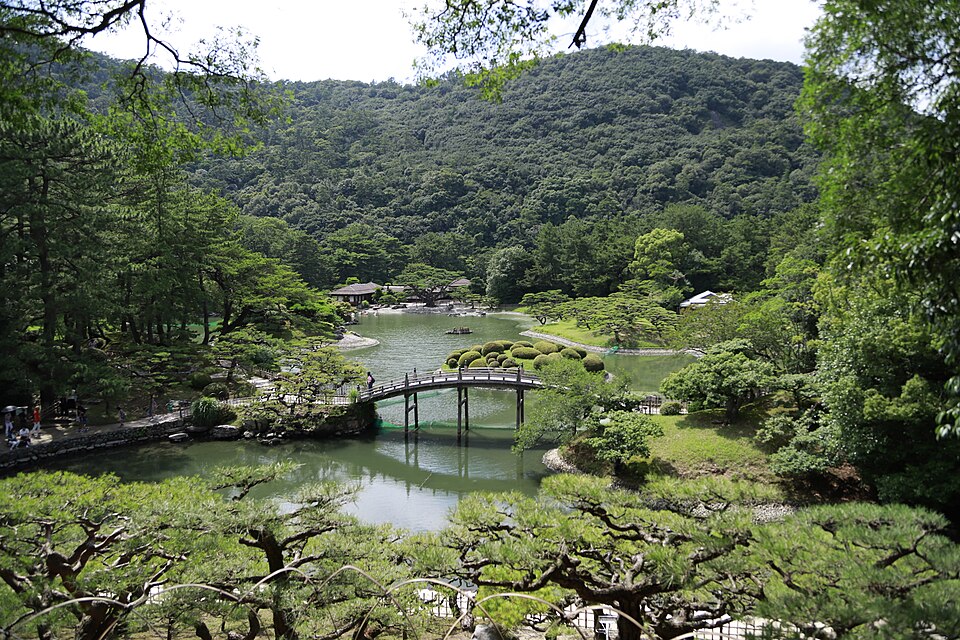
One solo visitor calculated their own fares and chose to travel without a rail pass. That does not prove a pass is poor value for your dates: it shows why your own list of journeys must come first. For a city-and-garden day in Takamatsu, for example, compare the actual hotel-to-garden route and operator rather than adding an intercity pass simply because you are visiting Shikoku.
The official directory includes JR Shikoku, Kotoden, Iyotetsu, Tosaden and Tosa Kuroshio among its rail links. This makes checking the operator especially valuable when comparing ticket products. A pass branded for the region still has terms, and a station near your hotel does not prove every part of an outing is included.
First price the journeys you intend to take. Then compare a relevant pass using its current eligibility, validity period, covered routes and reservation conditions. Treat any saving as the result of that comparison, not an automatic benefit. This guide does not quote a pass price or promise coverage for a particular local bus or ferry.
Compare buses and ferries on the whole journey
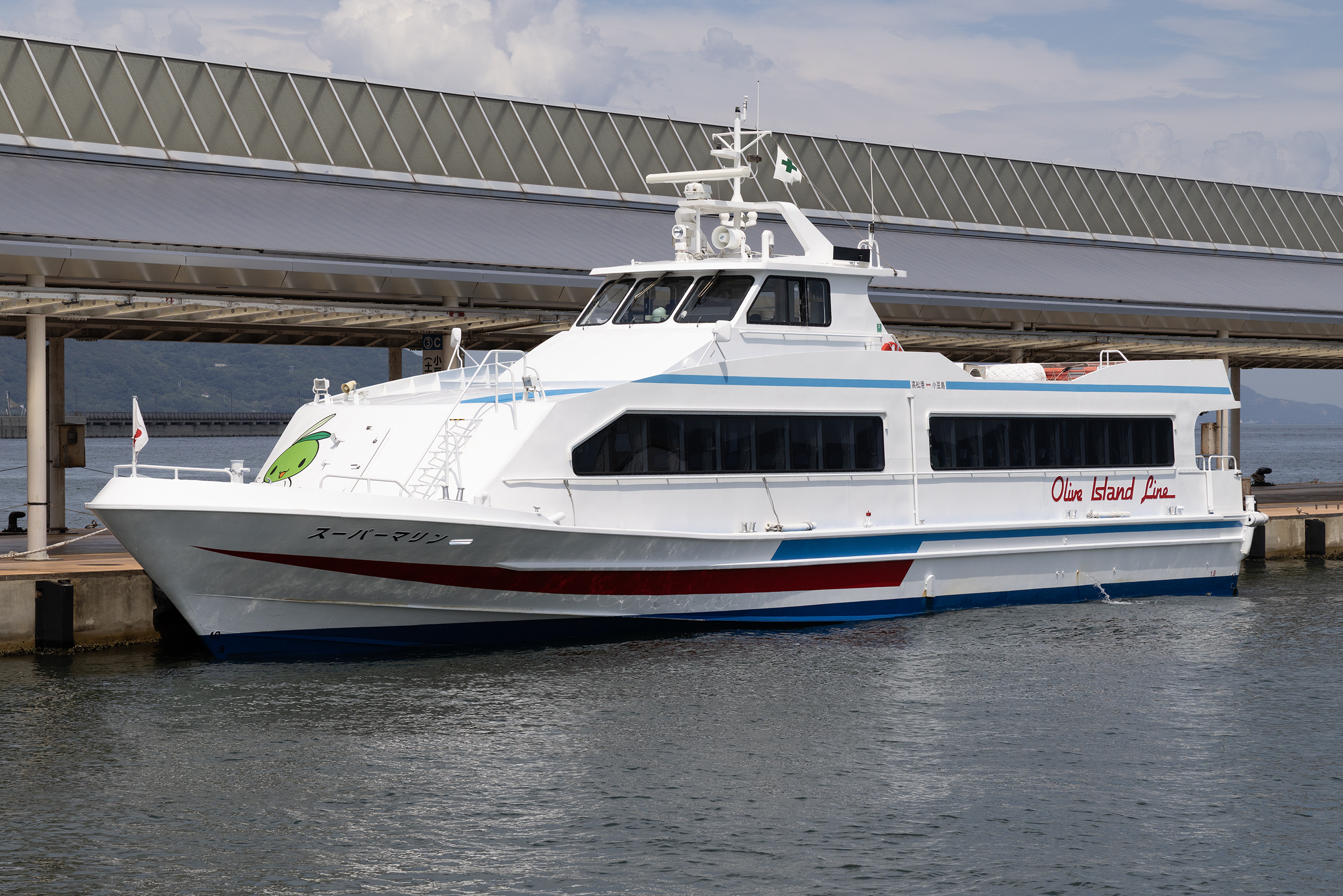
A separate couple traveled partly by car yet reported that a combined Naoshima-and-Teshima day felt rushed and a full island bus complicated their return. Compared with the solo traveler's fare calculation, this is a capacity problem rather than a ticket-price problem. Neither individual account predicts crowding on your date; together they make a useful two-step test: price the route, then check the weakest connection and a fallback.
The regional planner includes expressway buses and ship operators as well as rail. When one of these fits your route, compare the complete journey rather than only time on board. Check where you arrive, how you continue and whether the connection still works if the first service is delayed.
For an island or port-based outing, decide your return service before filling the day with attractions. Keep current operating information separate from a general route description. A route existing in an official directory is not a guarantee that every departure will operate on your travel date.
When a car enters the comparison
If several desired stops do not fit the public-transport schedule, investigate a rental car for that portion of the trip. Compare the complete cost, pickup and return arrangements, driving requirements and parking before deciding. Do not add a car automatically to a city-focused itinerary just because another traveler used one elsewhere on the island.
A strong Shikoku transport plan has few hidden steps. Know the last local connection, identify who operates it, and make the rest of the day fit around a realistic return. The reward is more freedom at the destination, with fewer decisions left to the platform or roadside.
A dated pass change worth checking before purchase
JR Shikoku's October 2025 notice says Iyotetsu stopped being included in the ALL SHIKOKU Rail Pass from March 7, 2026. An older generic pass PDF still lists Iyotetsu, so do not rely on an undated saved guide for a Matsuyama calculation. Check the current terms at purchase and budget for excluded journeys. The presence of an operator in a regional transport directory is not the same thing as pass coverage.
The same notice distinguishes the Takamatsu–Tonosho Shodoshima Ferry service from excluded high-speed boats and other routes. Identify the exact vessel service and operator before counting a ferry leg as covered. No current ticket price or saving is claimed here.
Your comparison sheet before buying
Write one row per intended trip: date, start and end stops, operator, ticket required, reservation needed and fallback. Add the fare shown by the operator when you check it. Total only the journeys the pass actually covers, then compare that with its purchase price and validity dates. Separately budget excluded city transport and local links.
For a rental-car alternative, compare the complete rental period, pickup and return location, parking and required driving documents. Choose the option that makes the planned days work. A pass does not secure every seat, and a car does not remove a ferry or island-bus constraint.
Research-based guide prepared by JAPANOVA. Traveler accounts are individual self-reports; comparisons are editorial analysis.