Kawazu's early cherry blossoms can bring spring color to an Izu trip before the main blossom season in many other Japanese cities. They cannot be reserved like a hotel room. The useful decision is how much flexibility to preserve while balancing your train journey, accommodation and the actual state of the flowers. Build a visit that remains worthwhile if blooming is early, late or interrupted by rain.
- Treat February as a search window rather than a guarantee
- Compare actual visits on nearly the same calendar date
- Choose your base before reserving an expensive journey
- Give the riverside walk a turnaround point
- Separate flower conditions from festival services
- Make the final decision with current reports
- Facility and shop information
Treat February as a search window rather than a guarantee
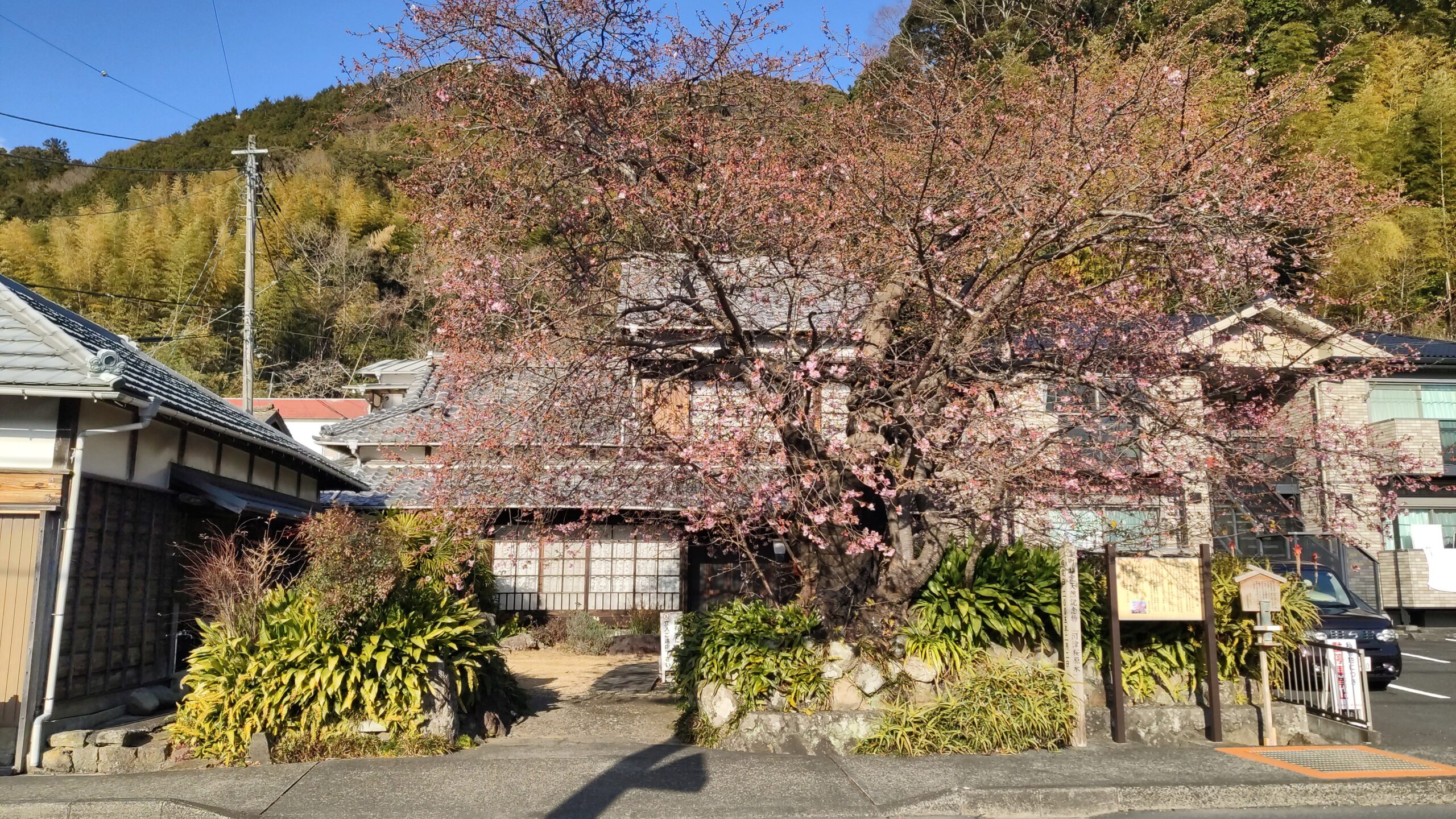
Start looking at current local reports before choosing a fixed blossom day. Distinguish the town of Kawazu from photographs of the same cherry variety elsewhere in Japan. The name of a tree variety does not mean a photograph was taken beside the Kawazu River. For planning, you need a location, an observation date and an indication of whether the trees are opening, near their best or losing petals.
Decide how much flowering you need to justify the journey. A photographer seeking a full pink riverside has a different threshold from someone already staying nearby who would enjoy a short walk among partially opening trees. Being honest about that preference makes it easier to postpone, change the outing or go with realistic expectations. A forecast is an aid to that decision, not a guarantee.
Compare actual visits on nearly the same calendar date
Raina Ong's February 17, 2026 first-person report found the riverside blossoms at their best. A subsequent update recorded heavy rain removing many petals on February 25. Cassandra Lord's separate February 18, 2025 visit found most trees only beginning to flower, with wet weather and even hail. The dates were almost identical, but the experience was markedly different.
These are two different writers' on-site reports published by the same travel publication, rather than a representative sample of visitor reviews. Both describe a walkable concentration of flowers and visitor activity; their contrasting bloom stages show why copying last year's date is unreliable. JAPANOVA's inference is to favor recent dated observations over a fixed anniversary. Neither historical report establishes the conditions for your future visit or a universal peak week.
Choose your base before reserving an expensive journey
Compare a long day trip with adding Kawazu to an Izu stay you already want. A day trip may avoid changing hotels but makes a disappointing bloom report more consequential if the entire excursion depends on it. An overnight stay can spread travel effort, yet it introduces accommodation cost and a cancellation deadline. It does not provide control over the weather or flowers.
Before reserving, compare the total journey from your actual hotel, the return services and the flexibility of your fare. Check the operator for the specific train you intend to take. A map or another traveler's elapsed time is not confirmation of a through service or a seat. If you have to travel on a fixed day, make the wider Izu setting part of the reason to go rather than promising yourself one particular floral scene.
For accommodation, compare location and cancellation conditions before room photographs. Decide whether you want to sleep near Kawazu or elsewhere on your Izu route, then account for both directions of travel. Avoid buying an inflexible stay simply because a past festival poster lists convenient dates. The date on which you must decide about a booking may matter more than the date on which someone photographed peak bloom last year.
Give the riverside walk a turnaround point
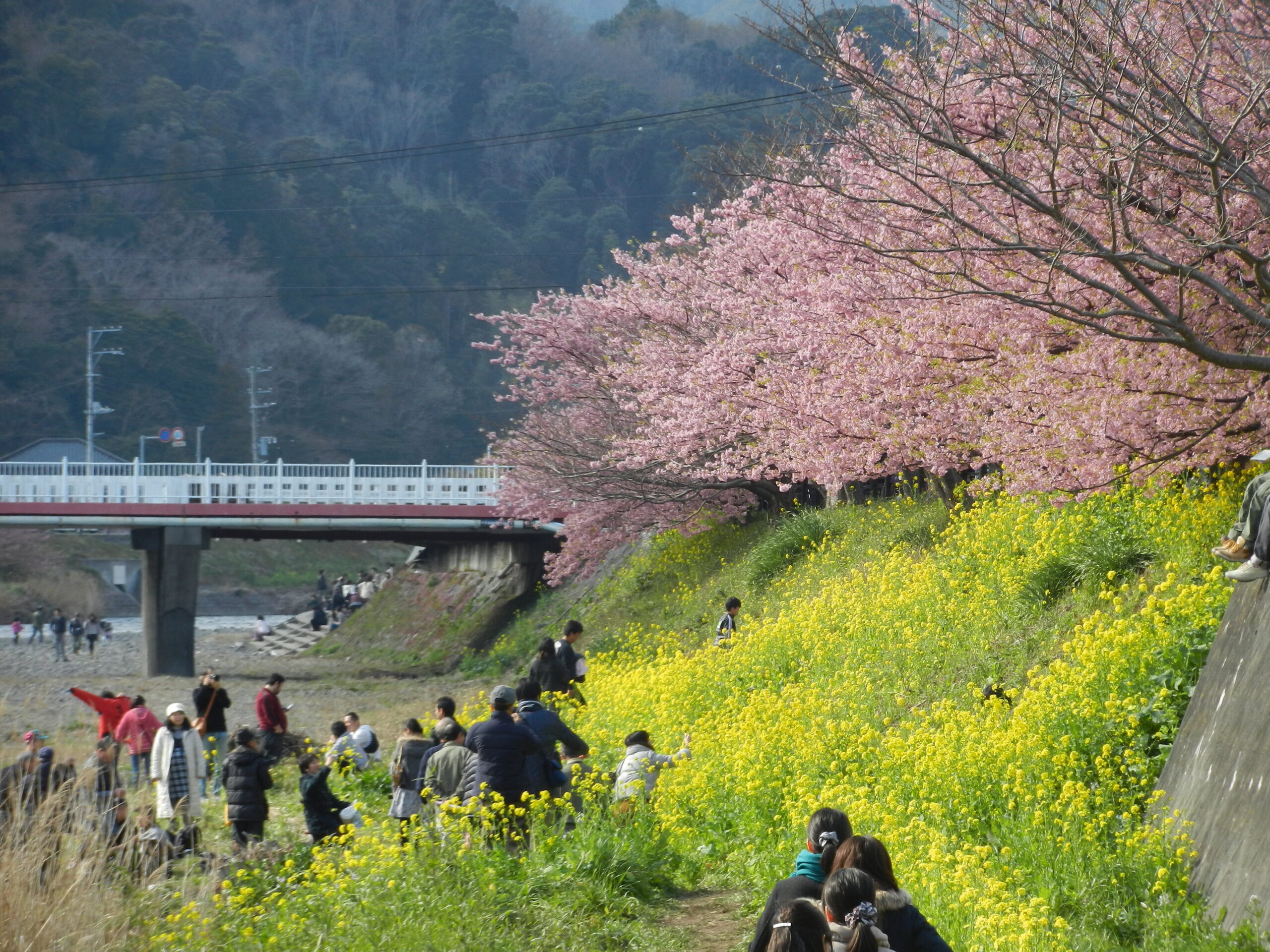
Choose how far you want to walk before setting off. You do not need to complete every stretch of river or add every nearby attraction to make the visit worthwhile. Allow time for stopping, a rest and returning to the station. In a group, agree on a meeting location and a maximum walking commitment so a photographic pause does not turn into separation.
Ong's 2026 observations describe heavier visitor activity near the station and quieter sections farther along the blossom route. That is useful evidence of variation on one particular visit, not a promise of an empty path. Walk farther only if your time and energy allow it. Do not leave established public access simply to reproduce a riverbed photograph, and follow current barriers and local instructions.
Separate flower conditions from festival services
The official festival website still displays the completed 2026 event period of February 7 to March 8. That is historical event information as checked in October 2026. It does not confirm the next festival's dates, future illumination, stall availability or the best bloom day. Wait for the relevant year's announcement before planning around those services.
An evening outing needs its own return plan. Do not assume daylight facilities and transport arrangements continue unchanged after dark. If a specific restaurant, illumination or activity is central to your visit, verify that service independently of the blossom report. Flowers can look attractive outside an organized event period, while an event can operate before the trees reach their best.
Make the final decision with current reports
Close to departure, review the newest official local update, the weather, transport notices and your booking deadlines together. If conditions no longer match your priorities, use the alternative day you planned rather than treating sunk travel spending as a reason to force the outing.
A successful Kawazu visit is more than arriving on a famous date. It is choosing a sensible amount of travel for the flowers actually available, enjoying the riverside at a pace you can manage, and leaving enough flexibility for a season that changes every year.
Research-based guide prepared by JAPANOVA. Traveler accounts are individual self-reports; comparisons are editorial analysis.
Facility and shop information
- Kawazu Cherry Blossom Festival Committee — checked 2026-10-19