Yoshinoyama's cherry blossoms spread across a mountain landscape rather than one flat park. That changes the accommodation decision. A day trip can be rewarding when you choose a manageable section and protect your return journey; an overnight stay can give you more time, but only if its location and arrangements match the visit you want. Start with the part of the mountain you hope to experience, then choose how to reach it.
- Choose an elevation zone before booking a room
- Compare a day trip with a stay on the mountain
- What two historical visits say about crowds and purpose
- Use the relevant year's transport arrangements
- Plan a walk that still works when you turn back early
- Keep your blossom expectations separate from your booking
Choose an elevation zone before booking a room
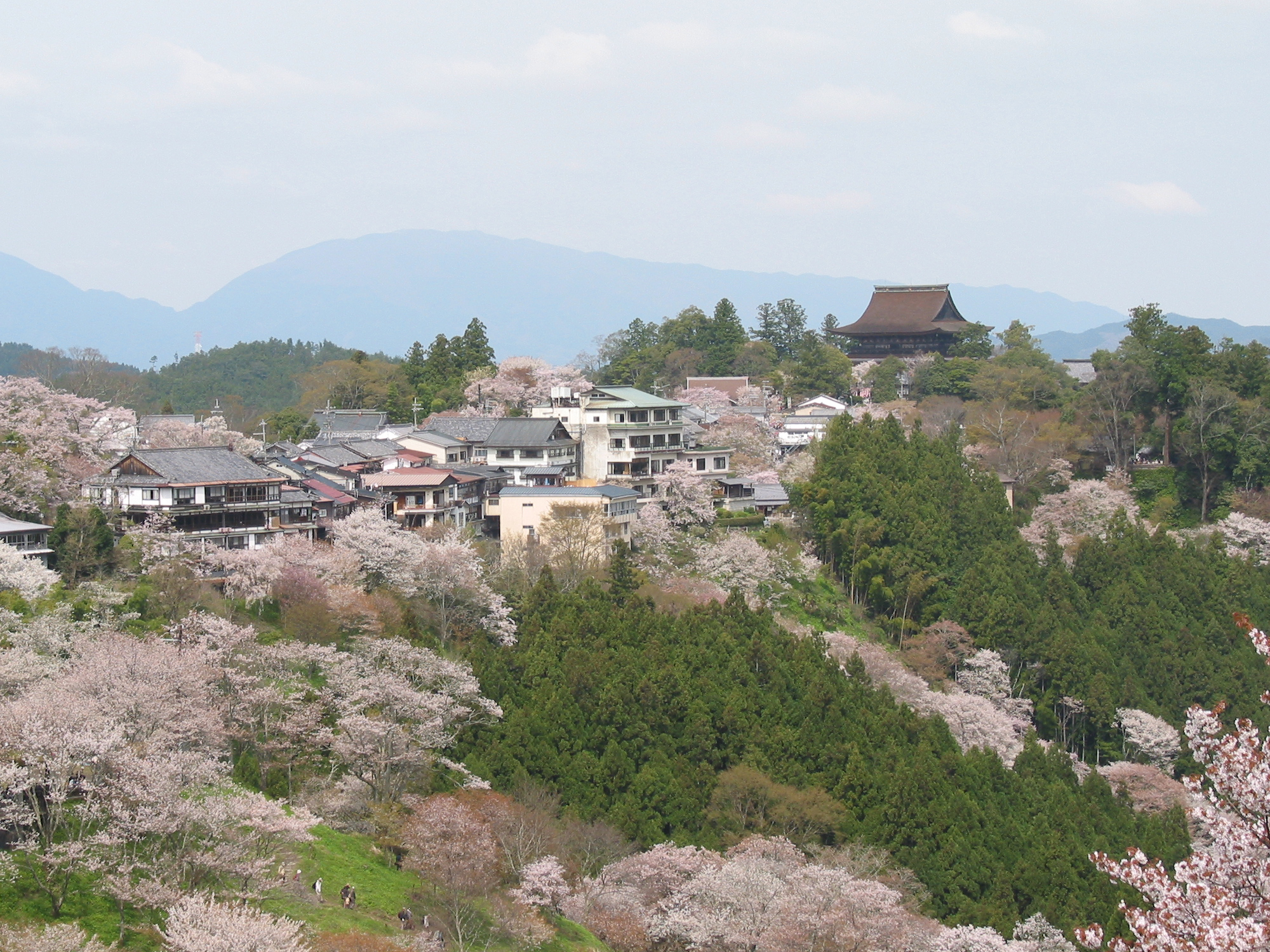
The official tourism association describes four areas: Shimosenbon, Nakasenbon, Kamisenbon and Okusenbon. Their elevation and local growing conditions differ, so the entire mountain does not reach its best simultaneously. Treat broad seasonal guidance as a starting point and read current observations for the area you intend to visit. A general announcement that Yoshino is blooming is not a guarantee for every viewpoint.
Choose one main area and an optional extension. Someone wanting a broad landscape view may make a different choice from someone interested in a particular temple or ceremony. Do not assume the highest or farthest section is automatically the best. Check the walking route, the amount of climbing and the latest sensible turnaround before adding a viewpoint to a plan that already contains several stops.
Compare a day trip with a stay on the mountain
For a day trip, work backward from the train you can realistically reach after descending. Include time between your final viewpoint and the station, plus any transport waiting. Your plan should still work if lunch takes longer or you shorten the walk. Avoid making an evening reservation elsewhere so tight that the return journey controls every moment on the mountain.
For an overnight stay, ask the property about its exact location, luggage access, check-in deadline, meals and the route from the current public transport stop. A mountain address does not establish a convenient walk with a suitcase. If you hope to go out early or remain outside later, confirm how that fits the property's arrangements. Staying overnight buys time, but does not buy a particular bloom stage or an empty road.
Compare cancellation deadlines and the complete cost before deciding. If the overnight premium would make the whole trip depend on perfect flowers, a flexible day trip may suit you better. If a relaxed mountain evening is independently appealing and the property works for your needs, the additional night may have a clearer purpose. Neither option is universally superior.
What two historical visits say about crowds and purpose
Stefan Schauwecker's April 16, 2012 first-person report describes different bloom stages up the mountain, a steepening route above the middle area and busy transport despite a weekday. Yoshino Life's separate April 2017 account, written by a resident describing local outings, recalls a lively but congested mountain road and valued observing religious ceremonies alongside the blossoms.
Both found a rewarding visit amid other people, while their emphasis differed: landscape and route choices versus the mountain's living ceremonial setting. These are historical individual observations, not evidence of current timetables, future event dates or typical queue lengths. JAPANOVA's inference is to decide what gives your day meaning beyond one photograph and leave room for shared streets. No firsthand JAPANOVA visit is implied.
Use the relevant year's transport arrangements
The tourism association's access page distinguishes ordinary transport from cherry-season arrangements and warns that ropeway operation is seasonal. The spring information available when checked in October 2026 describes the completed 2026 season. Do not treat its bus routes, fares or temporary traffic restrictions as confirmed arrangements for a future spring. Use the new year's notice when published and then check the relevant operator.
The access guidance also notes a substantial elevation difference and recommends suitable walking shoes. A bus or ropeway may remove part of the ascent without removing the walk from its stop to your chosen destination. Match the actual boarding point and destination to your route. Do not simply write take the shuttle in an itinerary without knowing which service it refers to.
If you plan to drive, check the current year's traffic and parking guidance before committing to a car-based day. A hotel reservation or a road shown on a map does not establish unrestricted access during blossom season. For public transport, check both outbound and return arrangements and any reservation requirements for the exact service. Keep a copy that remains available when your connection is unreliable.
Plan a walk that still works when you turn back early
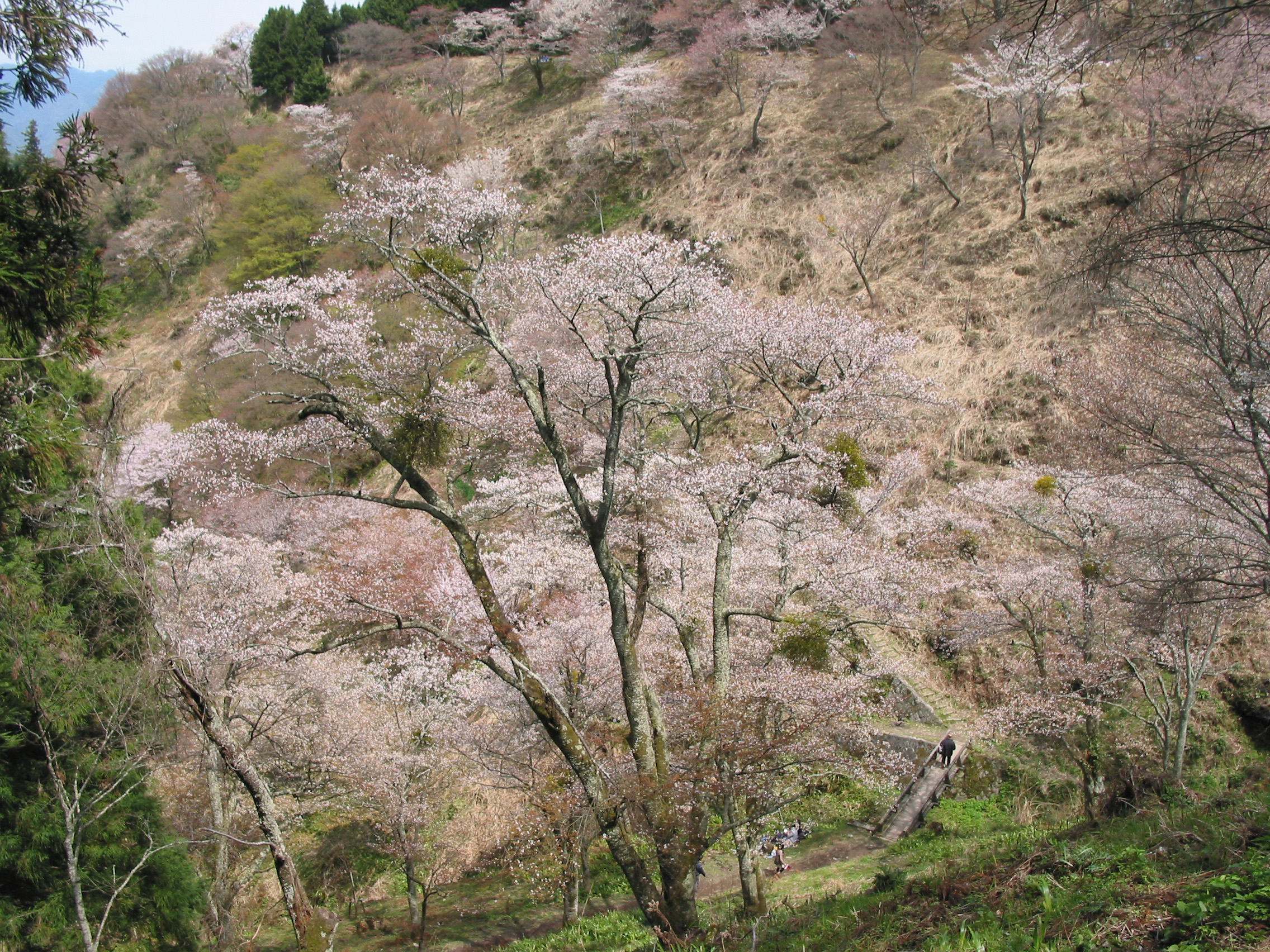
Create a shorter version of the outing with one main view and an achievable return. Add another section only after considering weather, remaining daylight and your group's energy. Steeper roads and repeated stops make a mountain visit different from walking the same distance on flat city streets. Leave time to sit, eat and find your way without hurrying.
Keep entrances and narrow routes clear when photographing. Follow notices around temples, shrines and private premises, and ask before treating an appealing building or terrace as public access. A religious site is more than a backdrop for the seasonal landscape. If you want to attend a ceremony, verify the current event and visitor arrangements rather than borrowing a date from a resident's old account.
Keep your blossom expectations separate from your booking
Close to the trip, compare the newest area-specific bloom report, the weather and the transport notices with your cancellation deadlines. Decide whether to retain the original zone, shorten the plan or choose another outing. Avoid turning a forecast into a certainty simply because accommodation is already booked.
The strongest Yoshinoyama plan gives you a clear reason to visit, a sensible walking limit and a reliable way back. An overnight stay then becomes a deliberate way to spend more time on the mountain, while a day trip remains a complete visit rather than an attempt to cover every elevation before the last train.
Research-based guide prepared by JAPANOVA. Traveler accounts are individual self-reports; comparisons are editorial analysis.