A photograph of Nagoya Castle's tower can create the wrong expectation: a ticket does not currently mean climbing inside that keep. The castle's official website says the main keep is closed because of age and earthquake-resistance concerns. The useful decision is whether the palace and grounds are the experience you want. If they are, the closure need not erase the whole visit; if a tower interior is essential, make another plan.
Separate the keep from the palace
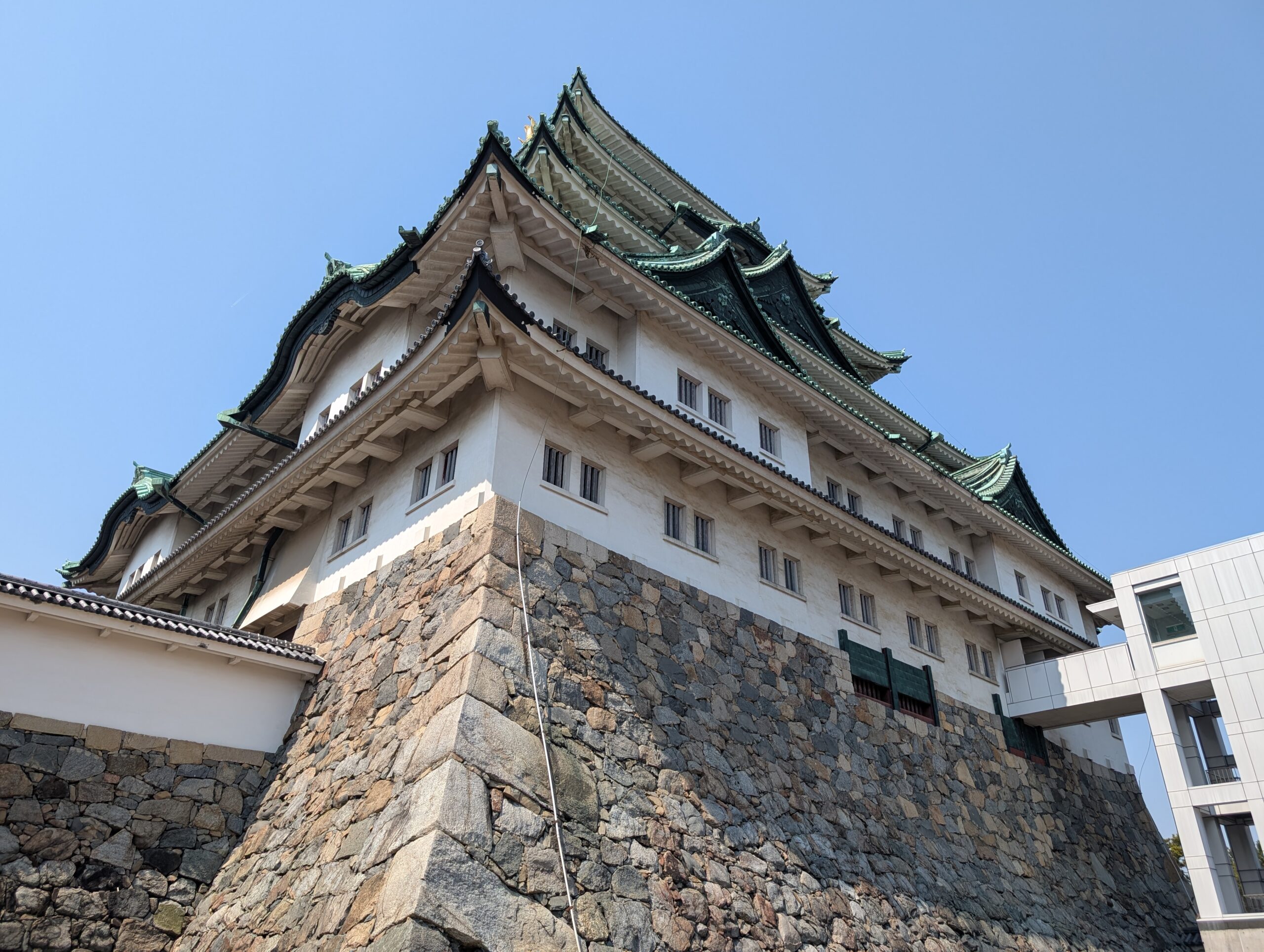
The keep and Hommaru Palace are different structures. The official castle description identifies the keep as a postwar reconstruction and currently closed. The palace visitor page describes reconstructed woodwork, fittings and decorated interiors made by skilled craftspeople. Do not describe the whole complex as one intact original building, and do not interpret an outdoor tower photograph as evidence of interior access.
Before buying, check the current official visitor notices and the opening arrangements for the areas you most want. A general castle opening time may not describe every interior. Save the palace name as well as the castle name in your itinerary. That simple distinction prevents spending the morning following an old review about an attraction that is not currently available.
Choose the visit for what is open
The palace is worth comparing when you enjoy reconstructed historical interiors, decorative details and the way a residence communicates status. It is a different proposition from climbing a defensive tower or looking for an elevated city view. Choose by those interests rather than assuming a reconstruction has no value or that every castle provides the same experience.
For a short Nagoya stay, compare the castle with the other activity it would replace. A focused palace-and-grounds visit can work better than fitting several distant museums into the same day. If you are making a separate rail journey mainly for a castle, the travel time and total expense deserve more scrutiny than they do when you are already staying in the city.
Two accounts expose the expectation gap
In an April 2025 discussion, a visitor said the reconstructed palace impressed them despite initially low expectations. In a different discussion, a traveler who reported visiting in November described seeing the notice that the main keep was closed. Their observation should not be stretched into a current construction-progress report, and the first visitor's enthusiasm is not a promise that every traveler will enjoy the palace.
The common lesson is to name the building you want to experience. The palace-focused account supports looking beyond the tower silhouette; the closure-focused account shows why an old castle recommendation is incomplete without an access check. JAPANOVA's suggestion is to decide whether decorative interiors and outdoor grounds justify your visit before paying. Neither account supplies a representative rating or today's queue length.
Prepare for the palace interior
The official palace page asks visitors to remove shoes, store large luggage, avoid touching decorative surfaces and turn off flash. Read the posted instructions on arrival and prepare your camera before entering. A quick photograph is not worth risking contact with a screen or interrupting the flow through a room. Keep food and drink outside where required.
The same page warns that interior lighting is subdued and that air conditioning and toilets are not installed in the palace. Plan personal comfort and facilities before going through the interior, especially in demanding weather. If wheelchair access matters, the page identifies a northern approach and palace-use wheelchairs; contact the site for your precise requirements rather than treating that statement as a complete step-free-route audit.
Build a grounds-and-palace route
Use the official map to connect your entrance, palace and the outdoor views you want before choosing the next city stop. Give the interior a protected place in the schedule rather than leaving it until just before closing. Check its current admission cutoff independently from the time the outer grounds close.
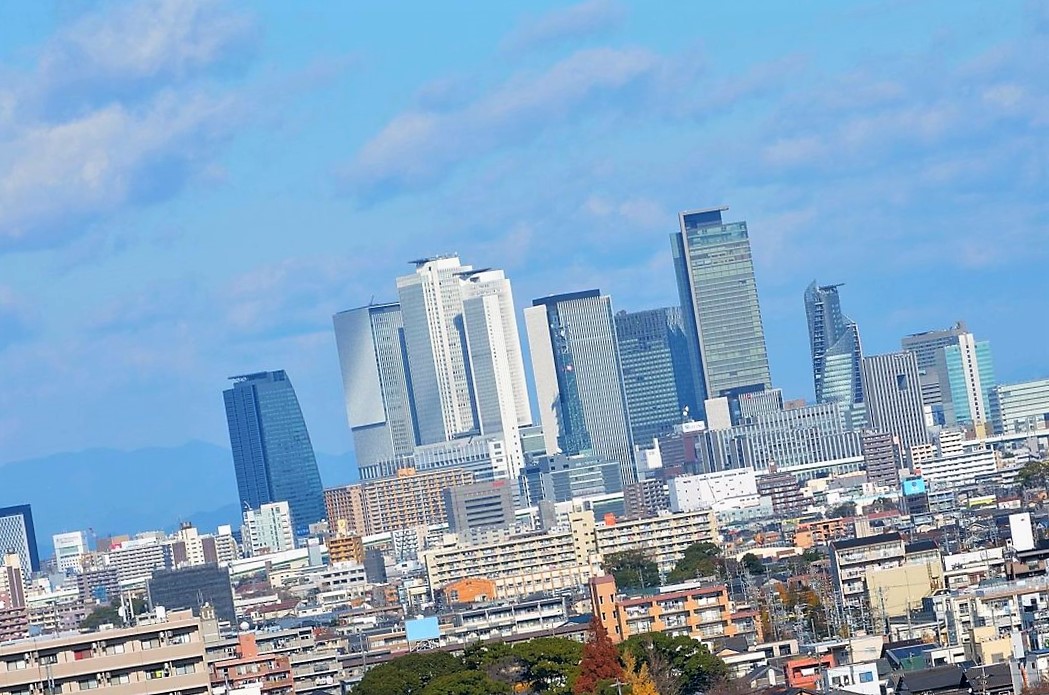
On the grounds, leave time to understand the relationship between the buildings and walls. A broad view and a closer architectural detail can tell you more than collecting every marked feature without stopping. The photographs here show the keep exterior and wider Nagoya context; they do not show a current palace room, an open tower entrance or the amount of crowding you will encounter.
Buy admission for the experience you want
The official palace page says palace entry requires a Nagoya Castle ticket even though there is no separate palace admission charge. Read the current total and any relevant concession conditions before purchase. Do not use a traveler's old receipt as your budget or assume an attraction pass includes an interior without checking its terms.
Keep the booking decision simple: choose this visit for the palace, grounds and architectural context that are actually accessible. Reconsider it if climbing a keep is the central purpose. Confirm the notices again shortly before going, arrive with the right expectations and allow the visit to be good at its own strengths.
Research-based guide prepared by JAPANOVA. Traveler accounts are individual self-reports; comparisons are editorial analysis.
Facility and shop information
- Nagoya Castle — checked 2026-10-19
- Nagoya Castle Hommaru Palace — checked 2026-10-19