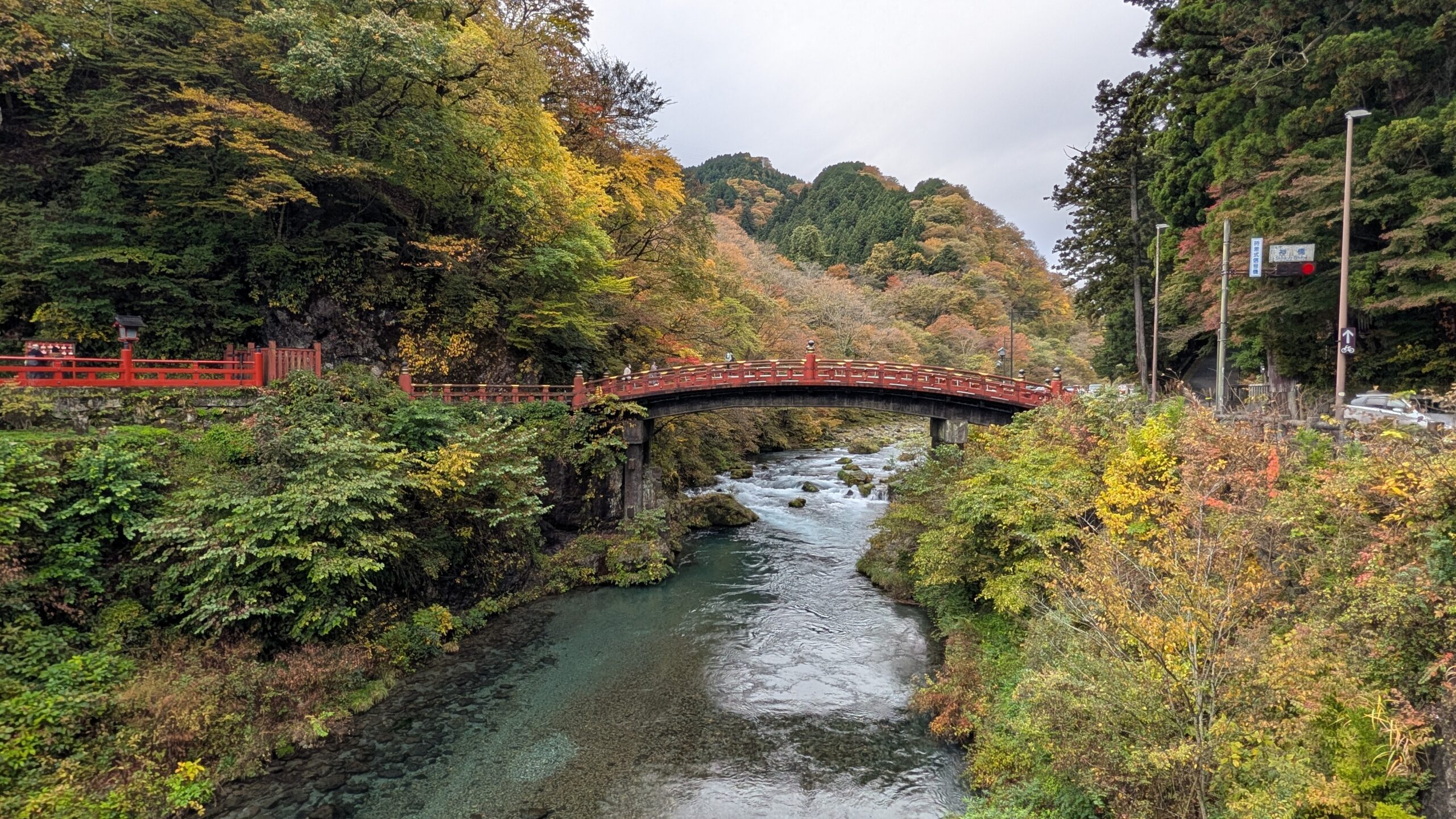
A satisfying Kansai sightseeing plan gives each day a distinct character. If every day becomes a race between famous landmarks, the differences between places can disappear. Instead, choose one theme for the morning and a compatible contrast for the afternoon. Keep the second half optional until you understand how much time the first visit needs.
- Choose the day you actually want
- Kyoto: choose one area before crossing the city
- Early is relative, even within one city
- Nara: balance major monuments with streets
- Hyogo: decide between a castle focus and a port-city focus
- Respect makes the route work
- The night-before test
- Fit a guided Kyoto walk into the day you chose
- Facility and shop information
Choose the day you actually want
Choose Higashiyama for a Kyoto day centered on Kiyomizu-dera and nearby streets. Choose Arashiyama for a different Kyoto setting rather than automatically adding it to the same day. Choose Nara for a major-monument visit with park and old-town walking. Choose Himeji for the castle, or Kobe when the port-city setting is the point of the excursion.
These are day shapes, not a race to collect six names. Pick one essential visit and one nearby option. A guided walk is worth comparing when historical explanation or local navigation is what you want; independent visiting can suit travelers who prefer to pause or change course.
Kyoto: choose one area before crossing the city
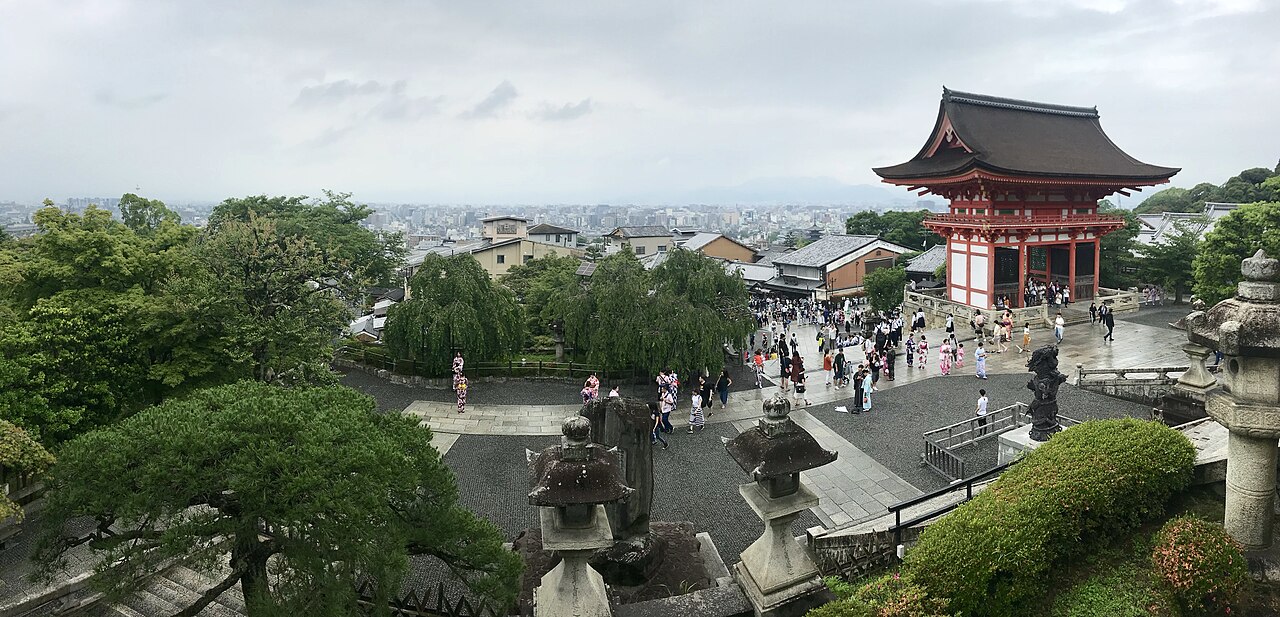
Higashiyama, including Kiyomizu-dera and Gion, offers one cluster to consider. Arashiyama offers another, with its own temples, landscape and bamboo scenery. Do not assume that listing both means you have planned the journey between them. Start with one area, identify the attraction that matters most, and build the rest of the day around nearby stops.
Choose a meal break as part of the route rather than adding it after the sightseeing schedule is full. Give yourself a place to pause and decide whether the optional stop still appeals. An afternoon with fewer destinations can leave more time for details you would otherwise walk past.
Early is relative, even within one city
A visitor in November 2023 described an early Fushimi Inari visit as busy in parts yet manageable for them, then found Kiyomizudera intensely crowded later that day. An April 2024 visitor found Fushimi Inari already busy at 8:30 a.m. but experienced a much quieter solo return after waking at 5 a.m. on another day. On another morning, they saw few people on Sannenzaka and Ninenzaka at 7 a.m. before crowds built near Kiyomizudera.
These are personal observations from different dates, not a promise that a clock time will empty a shrine or street. Pair nearby sights according to what matters most: a calm walk, time inside a temple, or a less demanding start. Check each site's current access and opening information, and keep a second plan when a busy approach changes the feel of the outing.
Nara: balance major monuments with streets
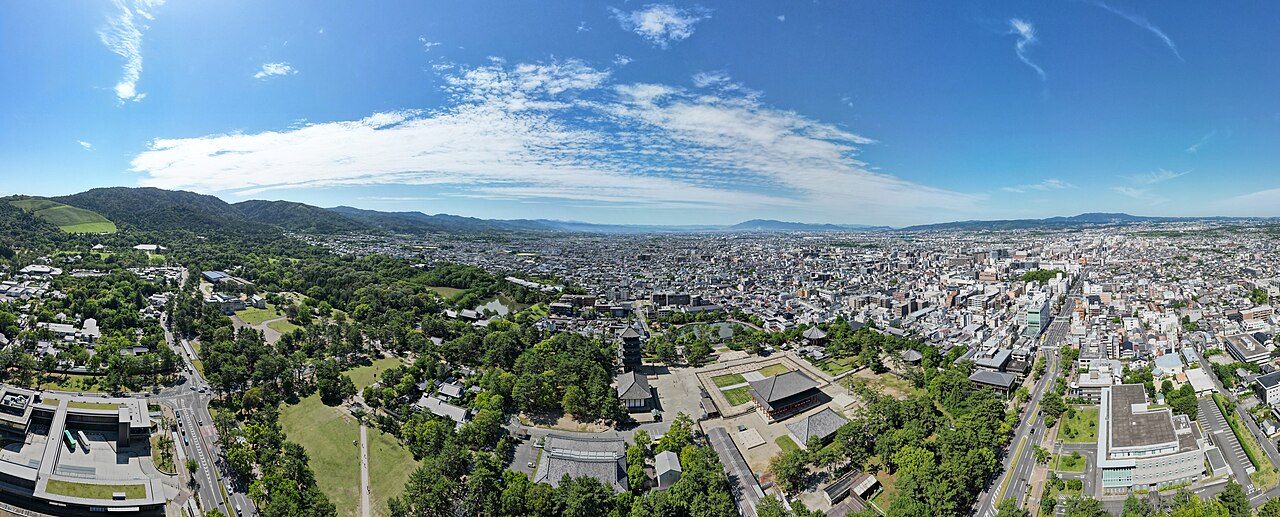
Nara Park, Todaiji and Naramachi suggest a day combining a prominent historic site with a different kind of urban walking. Select the main visit first, then check how the walking route connects to your chosen arrival station. Avoid treating the whole prefecture as one park: mountain and pilgrimage destinations call for a separate plan.
Before the day begins, check admission arrangements and any access needs directly. A photograph of a building does not show every stair, slope or entrance procedure. If someone in your group needs a gentler day, agree which part is essential and which part can be omitted without disappointment.
Hyogo: decide between a castle focus and a port-city focus
Himeji Castle and Kobe's port-city setting offer different sightseeing ideas. Choose Himeji if the castle is the reason for the excursion; choose Kobe if you want the city setting to shape the day. Combining them should follow a checked journey plan, not the assumption that two names within one prefecture must be close enough for a relaxed visit.
Respect makes the route work
Kyoto's guidance asks visitors to follow photography restrictions and avoid stopping or following geiko and maiko. Build your photographs around places where you are welcome to stop. Keep residential doorways clear and move on when a street is busy instead of waiting for people to disappear from your frame.
The night-before test
Write down the opening information for the main site, the actual station or stop, and your return option. Then ask what you would remove if the first visit takes longer than planned. If the answer is nothing, the day is probably too full for the experience you want.
Carry a shorter list than you think you need. A clear choice between two different kinds of day is more useful than a ranking that sends you everywhere. Save the unused options for a return visit, when you will have a better sense of which places deserve more time.
For a paid walk, check the meeting point, actual route, walking demands, group size, language and cancellation deadline. Find out whether attraction admission and transport are included. Do not buy a second ticket for something already included, and do not assume an attractive tour title covers every place named in this guide.
For a self-directed temple day, confirm the site's own access and visiting information before reserving meals around it. A quiet street at dawn does not mean temple interiors are open at that hour. Keep an indoor or shorter option if weather or crowds changes the day.
Fit a guided Kyoto walk into the day you chose
Use your chosen neighborhood as the first filter. If Higashiyama is the point of the day, compare a walk whose actual route serves that area; do not let an appealing Arashiyama listing quietly turn it into a cross-city checklist. Independent visiting keeps the meal break, temple time and optional stop under your control. A guide is worth comparing when explanation of a particular district or help navigating it matters more to you than changing direction freely. The two historical crowd reports above are not reviews of any guided product, and they do not show that paying for a tour avoids crowds.
The optional link below opens a Kyoto tours-and-activities directory. At our October 25, 2026 check, it mixed neighborhood walks with longer city tours and trips involving other destinations or departure cities. Treat it as a place to shortlist, not as one itinerary or a recommendation of every result. Read the actual start, finish and route: a Kyoto label alone does not mean the meeting point is near your hotel, that it covers both Higashiyama and Arashiyama, or that it fits your separate Nara or Himeji day.
Compare one guided block with the independent morning or afternoon it would replace. Ask what explanation, language, group size and pace you are paying for, then check stairs, slopes and opportunities to rest against your party's needs. Add any excluded admission, transport, meals or guide expenses to the price of the selected option. Do not assume hotel pickup, priority entry or an interior visit from a title or meeting point. A dawn street walk and a temple's opening hours are different things; keep the temple's own visiting information in the plan.
Before paying, check confirmation timing, cancellation deadlines and weather arrangements on the individual product for your date. Protect the meal break and return journey rather than adding the booking on top of every stop already listed. A guide does not replace the need to respect photography restrictions or residents in Gion. If the proposed route removes the flexibility you wanted, keep the independent day. We have not verified a specific product's inclusions, accessibility, refund terms or availability through this directory; those need a separate check before booking.
Research-based guide prepared by JAPANOVA. Traveler accounts are individual self-reports; comparisons are editorial analysis.
Facility and shop information
- Kiyomizu-dera Temple — checked 2026-10-19