The train from Chubu Centrair to Nagoya is not a choice between a tourist train and no train at all. Meitetsu offers different services and car types, and the distinction that matters at the gate is whether your seat requires a supplement. Decide whether you want the reserved first-class product, then compare the departure and final connection. That prevents both an accidental underpayment and an unnecessary upgrade.
- Choose the seat product before entering the platform
- Separate the ordinary fare from the seat supplement
- Two airport journeys show different priorities
- Choose by the next useful departure
- Navigate Nagoya as a transfer rather than an arrival label
- Make the return journey fit your flight
- Facility and shop information
Choose the seat product before entering the platform
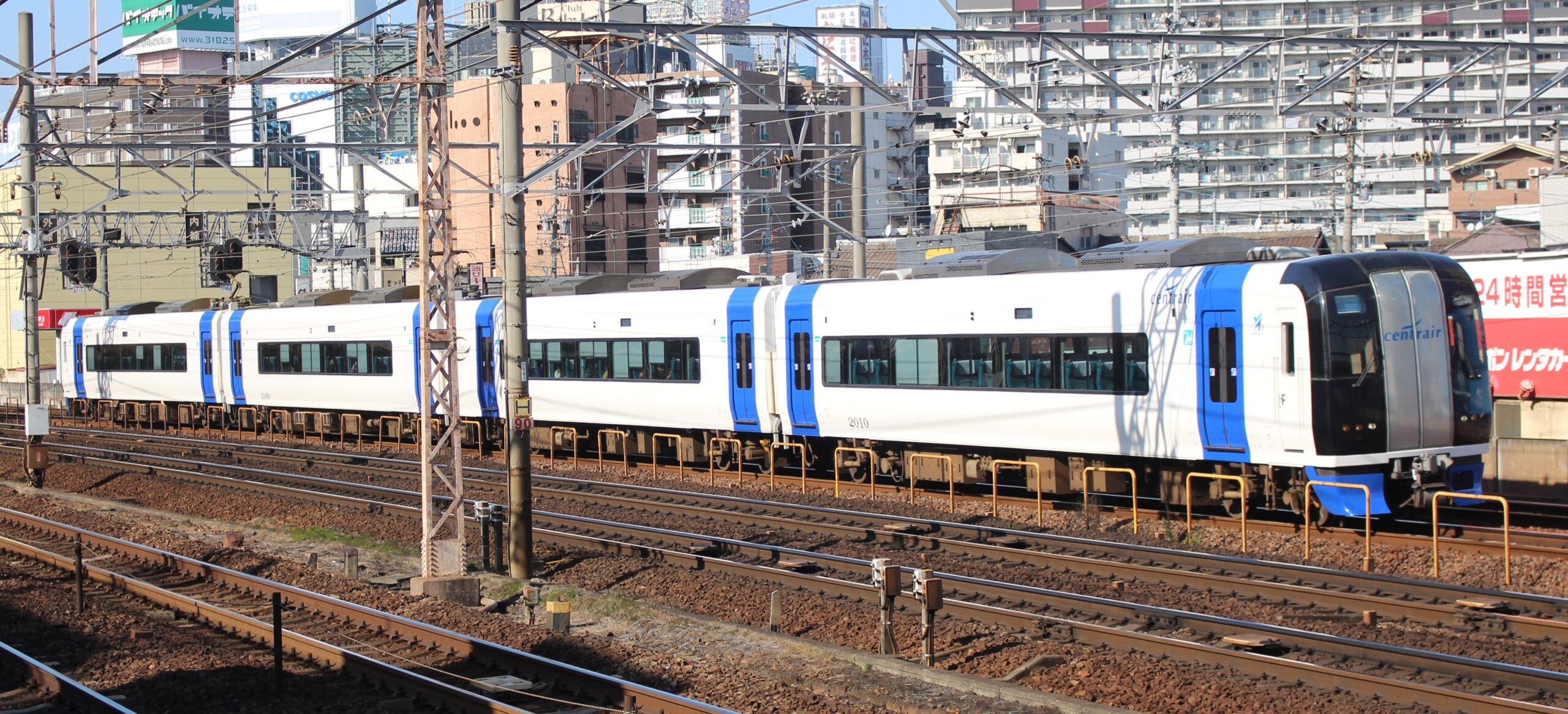
Meitetsu's airport guide says every car on μSKY is first class. A regular train fare alone therefore does not cover riding it. Other rapid limited-express and limited-express services can combine first-class and ordinary cars. The operator says ordinary cars on these mixed trains require only the regular ticket. Check the displayed car type rather than assuming every train with express in its name has the same purchase requirement.
The practical comparison is comfort and a seat reservation against the ordinary-car option actually available. After a long flight, a known seat may be worth paying for. A traveler with little luggage and a convenient ordinary-car departure may prefer to keep the cost down. Neither choice establishes that one whole train category is always the best value. Your party size and actual service time change the calculation.
Separate the ordinary fare from the seat supplement
Confirm both components before paying: the journey fare and any first-class ticket, called a μticket. Read the departure, destination, car and seat details if reserving. A small supplemental price shown on a screen should not be mistaken for the entire airport journey. Equally, possession of a regular fare ticket does not establish a first-class reservation.
Use the operator's current purchase instructions for the payment method you intend to use. If buying online, read what must be shown and whether an exchange or other step applies. Avoid keeping only a payment email while losing the actual ticket instructions. When uncertain, explain your exact destination and chosen car to staff before boarding rather than trying to solve the question in a moving train.
Two airport journeys show different priorities
A rider's December 2025 log records a μSKY journey from the airport to Meitetsu Nagoya, identifying a specific train and its actual duration. A separate summer 2025 travel diary describes starting from Kanayama and choosing μSKY despite having tried to save a little on the initial fare. Both are actual reported rides, but they record different starting points and priorities.
The first illustrates why a particular service matters more than an advertised minimum journey time. The second shows that a modest fare-saving decision and a seat upgrade can coexist. JAPANOVA's inference is to compare the total journey you will take, rather than treating cheapest and fastest as fixed labels. Neither old trip proves today's fare, departure pattern, available seat or time from the train to your hotel.
Choose by the next useful departure
Centrair's official airport page directs train passengers through Access Plaza and explains the additional first-class ticket requirement. The railway's guide also separates the boarding arrangements for μSKY from other trains. Follow current platform displays on the day. A train photograph is a way to recognize the service, not an instruction to board without checking its destination.
Compare the departure you can realistically catch after immigration, baggage collection and walking to the station. Booking an ambitious train in advance does not make those processes finish sooner. If flexibility is important, check change conditions before committing. A later premium train may not reach your final destination before an earlier ordinary-car service, so compare the live itinerary rather than the train's reputation.
Navigate Nagoya as a transfer rather than an arrival label
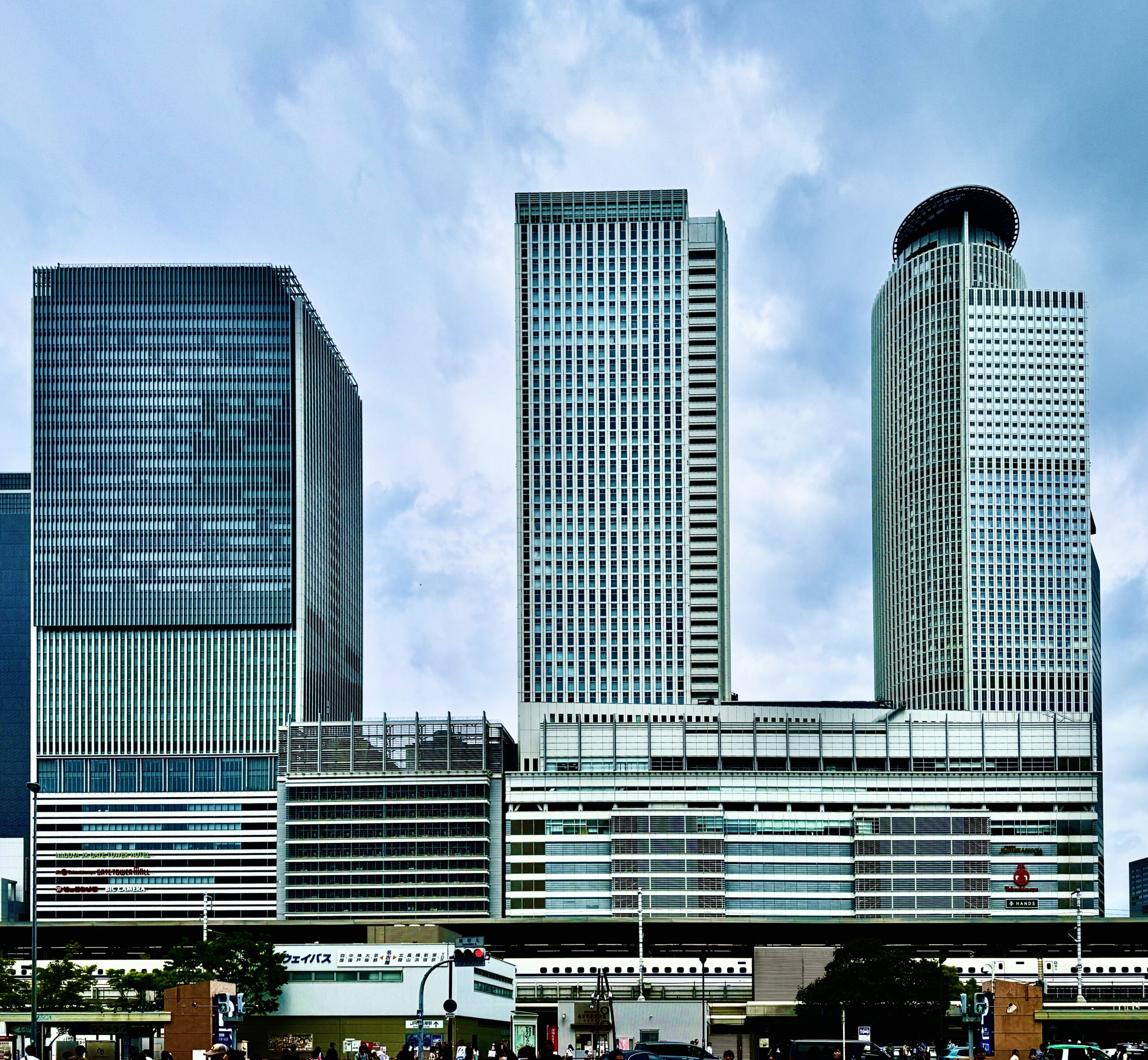
Write the complete destination, including the rail operator or subway station you need after Meitetsu. A search result ending at Nagoya Station does not necessarily include the walk to your next platform or hotel entrance. Save that final section in advance and leave a margin if you are connecting with a reserved departure.
For accommodation near another station, check whether changing earlier is useful instead of automatically traveling to central Nagoya and retracing the route. Do not apply someone else's Kanayama decision without checking your own itinerary. The small advantage of one transfer can disappear if it introduces stairs, an awkward luggage route or a connection your party cannot comfortably make.
Make the return journey fit your flight
Work backward from the airline's required airport arrival, allowing for the correct terminal and the walk from the railway. A minimum train-running time is not a hotel-to-check-in time. Check current operating information, the last useful departure and a fallback before a late or early flight.
For the final purchase, compare total fare, seat requirement, departure flexibility and the connection beyond the train. Choose μSKY when its particular seat and service solve a problem you value. Choose an ordinary-car alternative when it fits the route and your comfort needs. The useful saving is the one that leaves you with a journey you understand.
Research-based guide prepared by JAPANOVA. Traveler accounts are individual self-reports; comparisons are editorial analysis.
Facility and shop information
- Centrair — checked 2026-10-19