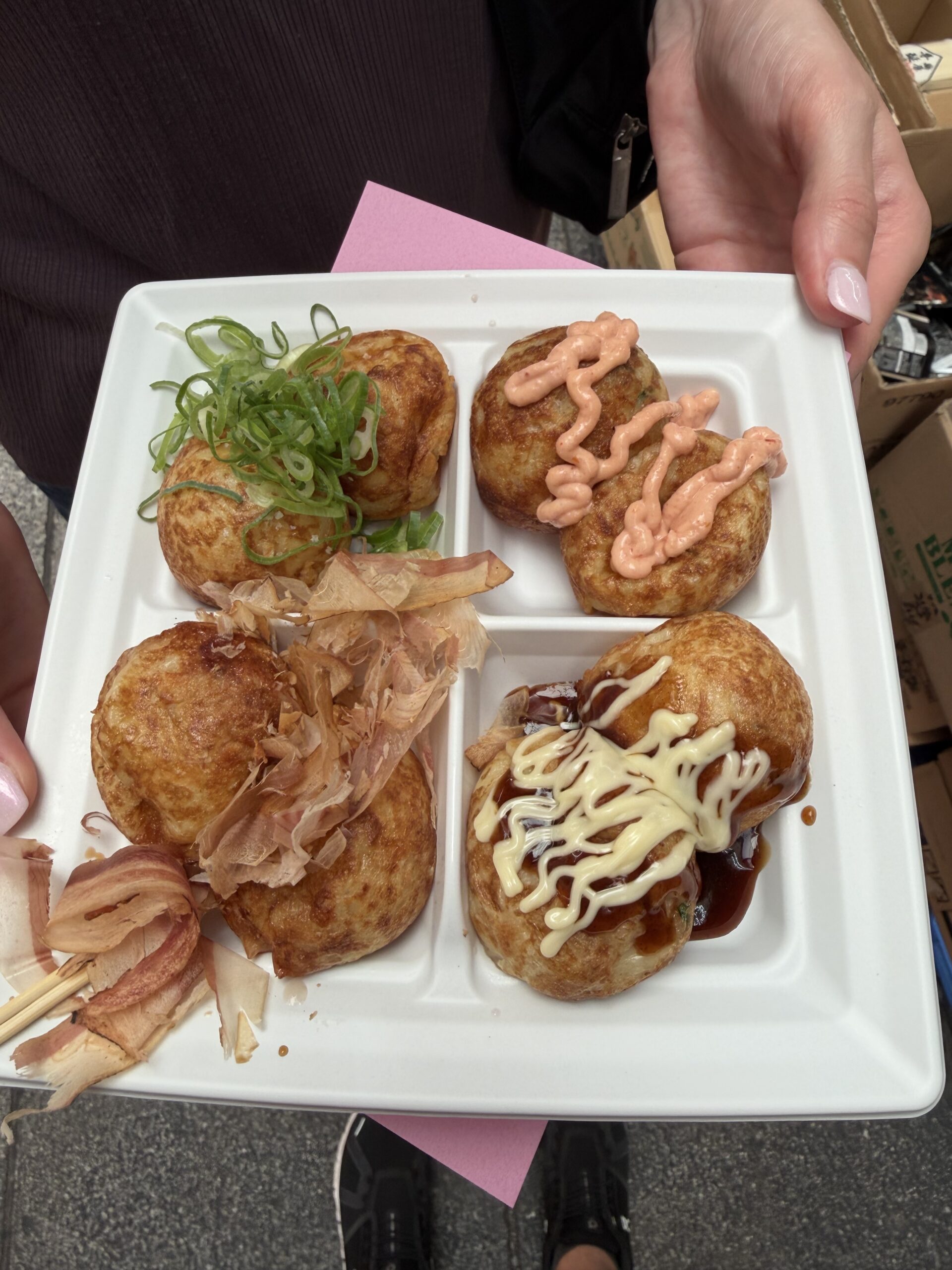
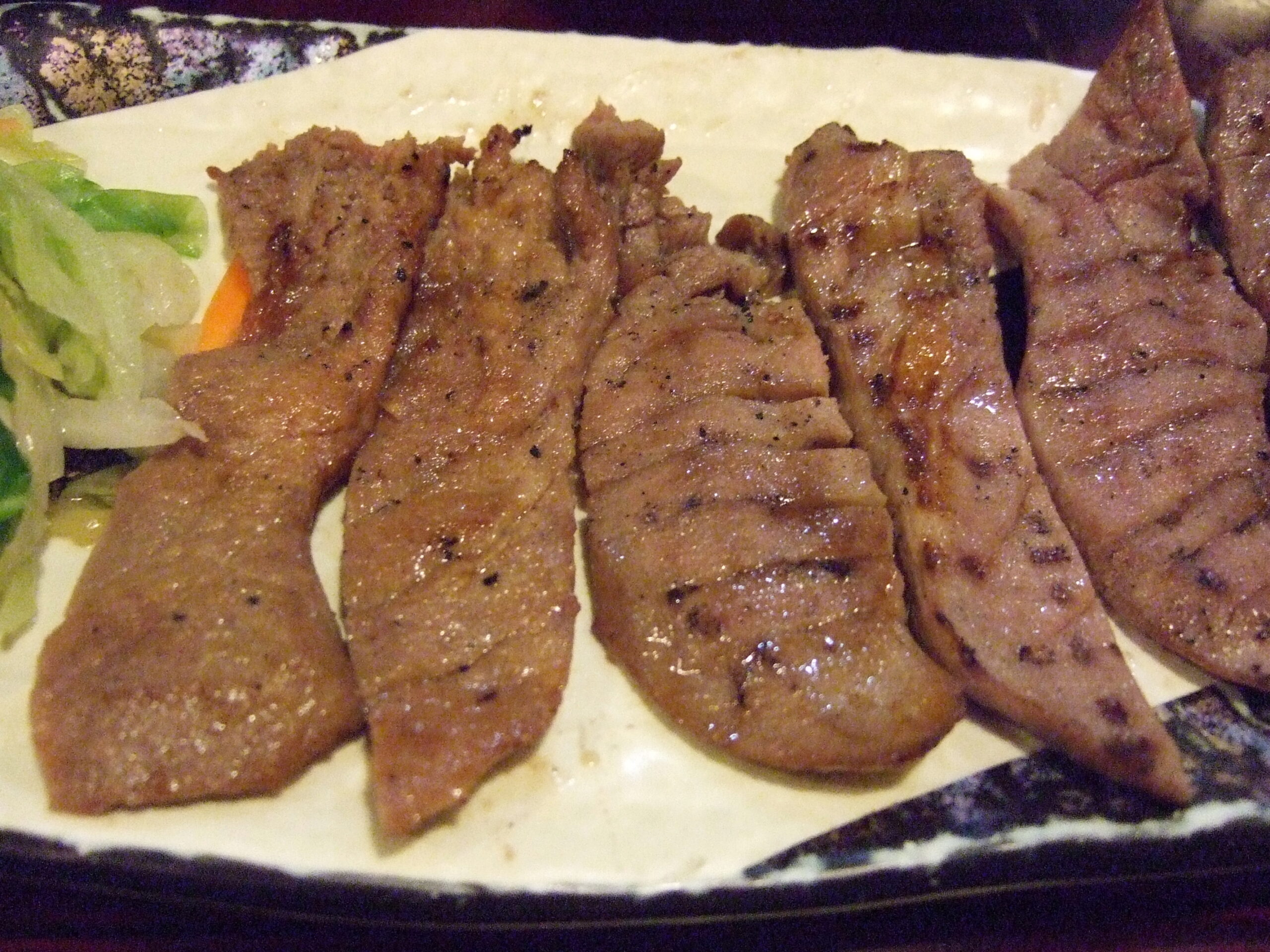
For an Otaru day trip, decide whether seafood is the main event or a convenient lunch between the canal and shops. A rice bowl beside the station, a seated sushi meal and a succession of small purchases use the day differently. Trying to fit all three into one afternoon can leave you full before the meal you most wanted. This guide compares the formats rather than naming an untested 'best' restaurant.
Sankaku Market or Sushi Street: choose the meal format
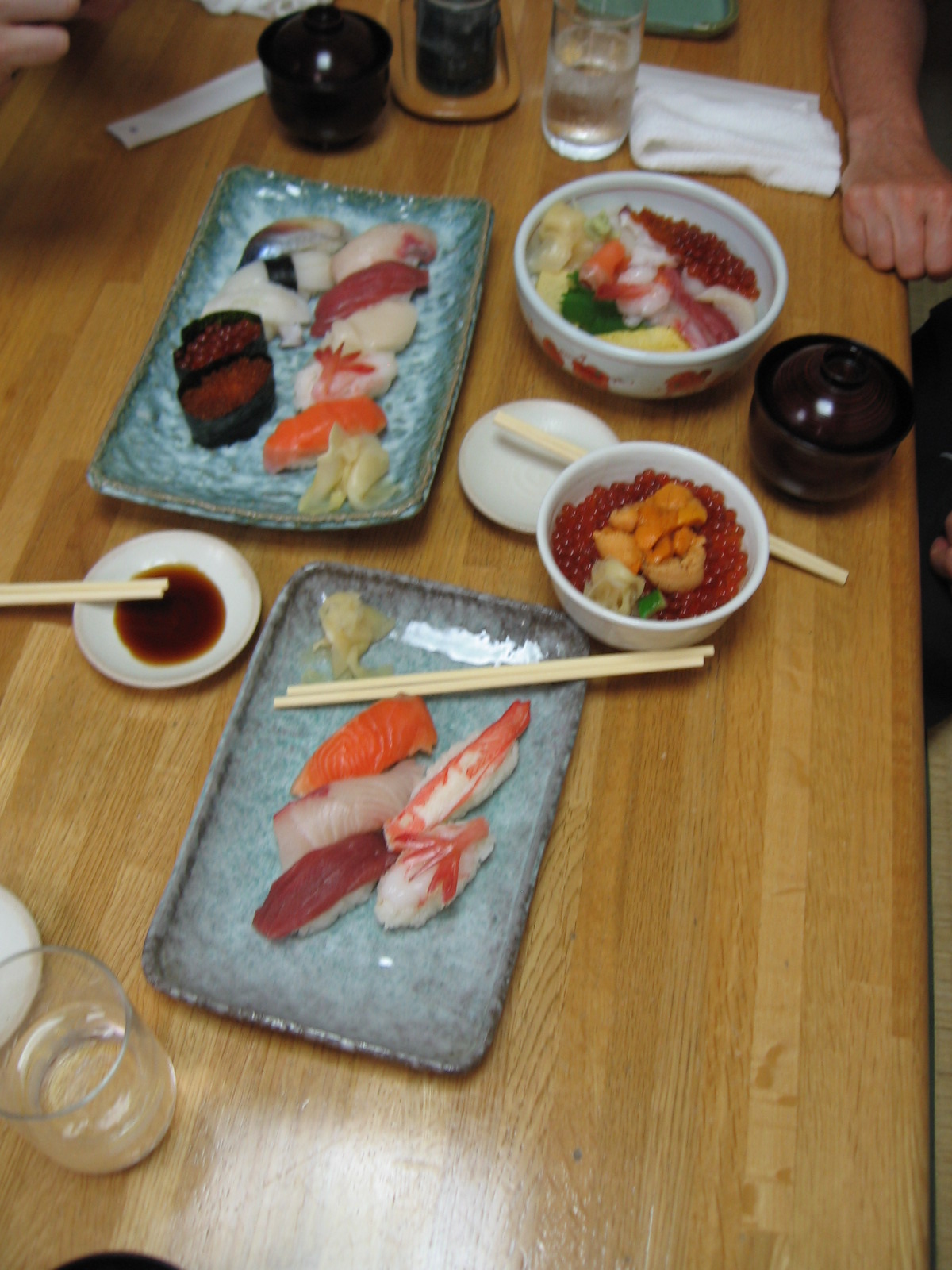
Hokkaido's official guide places Sankaku Market beside JR Otaru Station and describes seafood rice bowls and grilled-fish meals among its dining options. Its Sushi Street listing instead describes a concentration of sushi restaurants around Hanazono, with opening days and hours varying by business. These are two places to investigate, not a claim that all food in either area is equal.
Choose a bowl if you want a recognizable combination of toppings over rice and can find a menu that fits your spending limit. Choose a sushi restaurant if selecting individual pieces or a defined set is the experience you want to spend time on. Ask about the actual contents, quantity and tax-inclusive total. A seafood photograph does not establish that every topping is local, seasonal, available today or included at the displayed starting price.
Two market meals, two different appetites
A November 2024 solo trip report describes a substantial Sankaku kaisendon and feeling too full afterward, then choosing to walk around the canal and shops. A separate March 2017 visit reported by fluffyteacakes describes a smaller rice bowl followed by sharing a hairy crab.
Both writers enjoyed seafood, but their meals left different room for the rest of the visit. The useful lesson is about portion planning, not a prediction of the bowl you will receive. If sweets or another lunch booking matter, ask about rice size and avoid adding a large extra dish before seeing your first order. If sharing crab appeals, confirm the total price, cooking charge if any, portion and where you will sit before agreeing. The old reports' prices, wait times and assumptions about stall ownership are not current operational evidence.
Make the food plan fit the walk
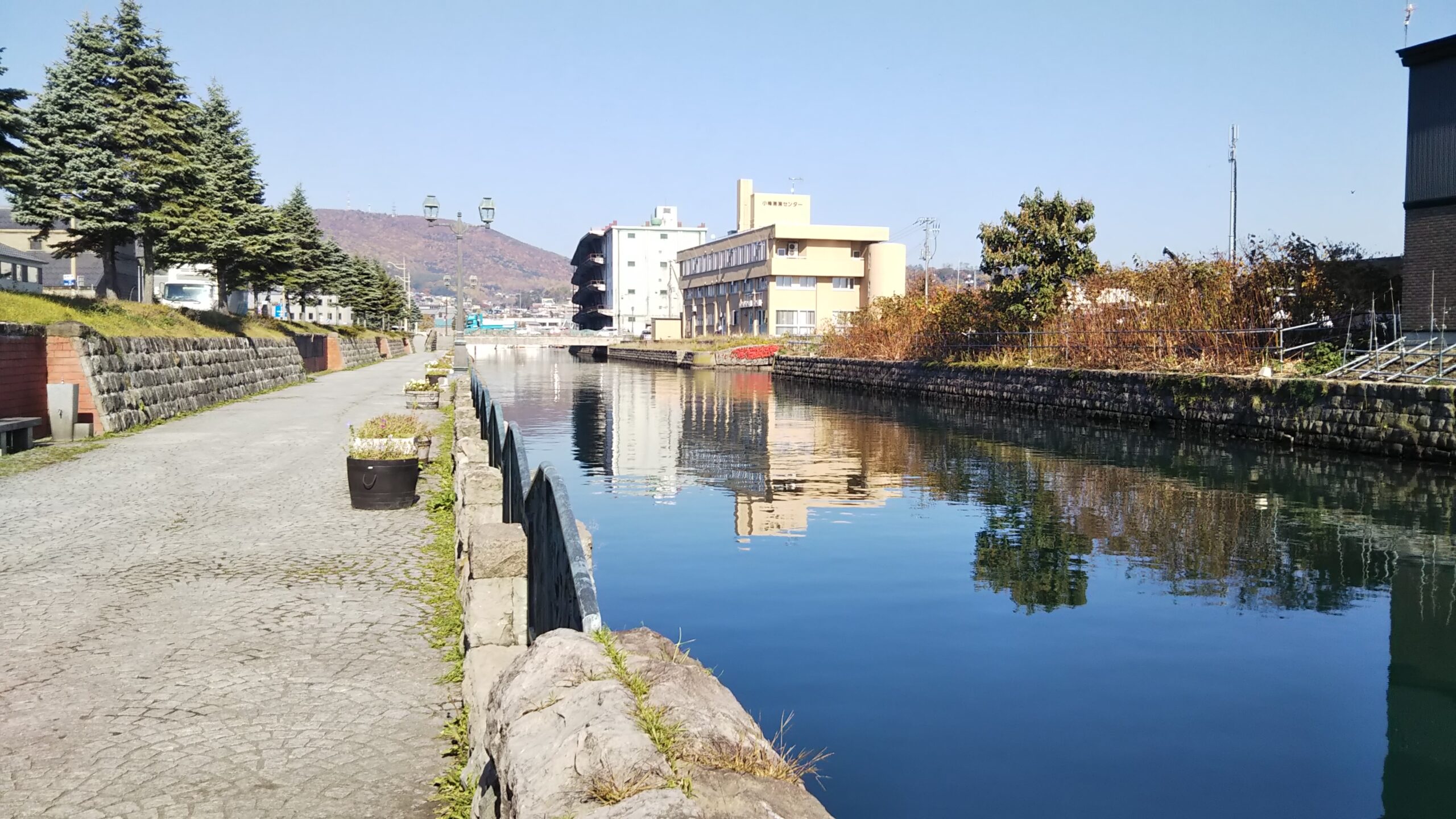
For an arrival-day bowl, save the business location before leaving the station. For a sushi meal later in the day, check the restaurant's own booking and closing information first, then arrange the sightseeing around it. Avoid planning a full bowl immediately before a fixed sushi course just because both are on a must-eat list.
A practical sequence is one substantial seafood meal, a canal walk and a smaller break if you still want it. Another is a light arrival snack followed by a booked meal. Neither is a timed itinerary: your arrival, appetite and shop opening days determine which works. Keep one fallback that does not require you to cross town. A shop directory organized by neighborhood is more useful here than a list whose restaurants turn out to be far apart.
Raw fish, cooked alternatives and ordering questions
If someone in the group does not want raw seafood, look for a clearly described cooked meal before joining a queue. The official market guide mentions grilled-fish sets, but that does not guarantee a particular dining shop has one on your date. Ask the business directly about stock, preparation and any restrictions. Do not treat a rice bowl with vegetables or a garnish as vegetarian.
For a mixed group, agree whether you are sharing dishes or ordering separate meals and whether everyone is comfortable with the same ingredients. A photograph with many toppings can conceal an item someone cannot eat. Confirm substitutions before ordering; removing a topping yourself is not an allergy-management plan. When language is an obstacle, point to the exact menu and use a short written explanation of the ingredient you must avoid.
Before paying for a seafood experience
Check the complete cost of the meal you actually selected, not the cheapest number on the menu or an old travel account. For a course or reservation, confirm the cancellation terms and whether every member of the group must order the same format. For a market purchase, clarify whether the quoted amount is per piece, portion, weight or whole animal.
Eat in the place designated by the business and keep entrances and market aisles clear. Save the receipt and the restaurant name if you want to remember the meal later. Your best Otaru lunch is the one that fits your preferences and leaves enough of the day to enjoy the town, rather than the one that wins a competition for the largest number of seafood dishes.
Research-based guide prepared by JAPANOVA. Traveler accounts are individual self-reports; comparisons are editorial analysis.
Facility and shop information
- Sankaku Market — checked 2026-10-19