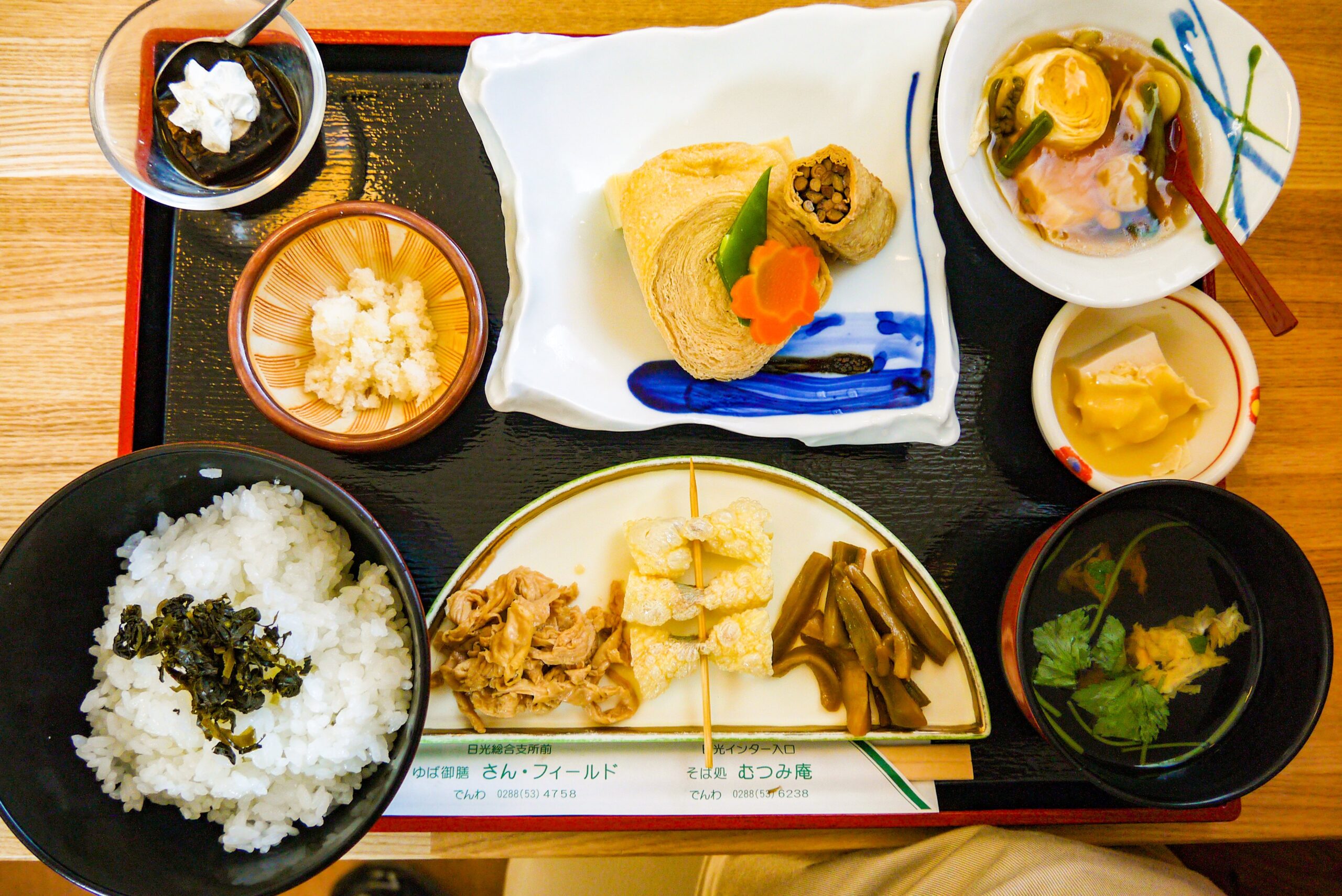
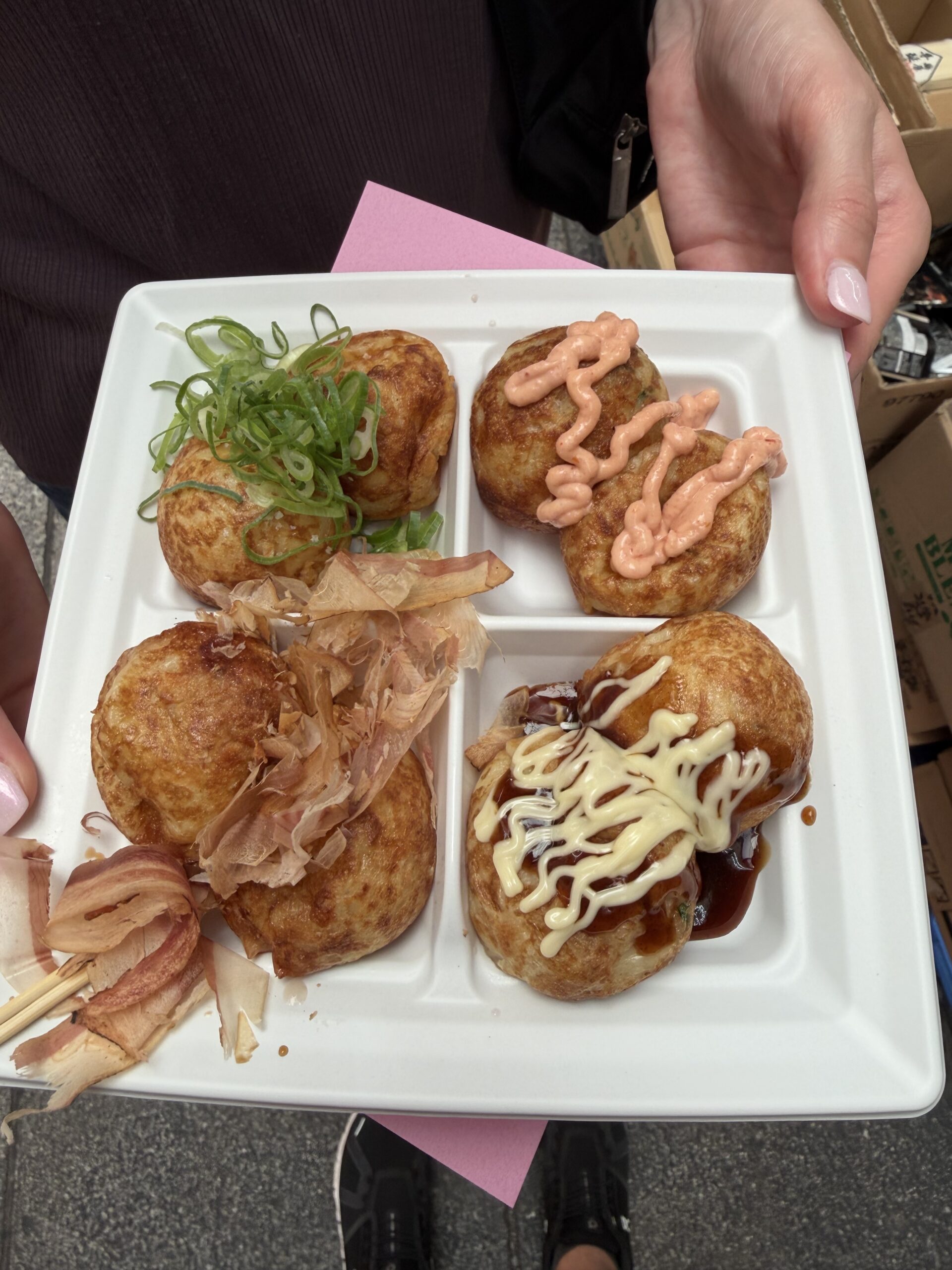
Okayama gives you a useful choice between two very different rice-based local meals: demi-katsudon and barazushi. The first centers on a fried pork cutlet and demi-glace sauce; the second combines sushi rice with seafood and seasonal vegetables. For a short visit, choose the kind of meal you want before choosing a famous shop. You do not need two large lunches to experience the difference.
- Choose a cutlet bowl or a sushi meal
- Demi-katsudon: compare the sauce and the serving
- Two visits point to preference, not a universal winner
- Barazushi: check the ingredients and the format
- Keep the meal inside a realistic city walk
- Check today's shop information before committing
- Facility and shop information
Choose a cutlet bowl or a sushi meal
Choose demi-katsudon when the appeal is a hot, sauced cutlet over rice. Choose barazushi when you want a sushi-based meal with a mix of toppings, and can check which ingredients that particular serving contains. Neither name alone tells you the portion size, included sides or total price.
Okayama Prefecture's official food guides describe variation among demi-glace sauces and barazushi toppings. Treat the dishes as local categories with different restaurant interpretations. An attractive photograph from one restaurant is not a reliable menu for another. If there is only one free lunch on your itinerary, choose by your appetite and ingredients rather than trying to satisfy a checklist of regional specialties.
Demi-katsudon: compare the sauce and the serving
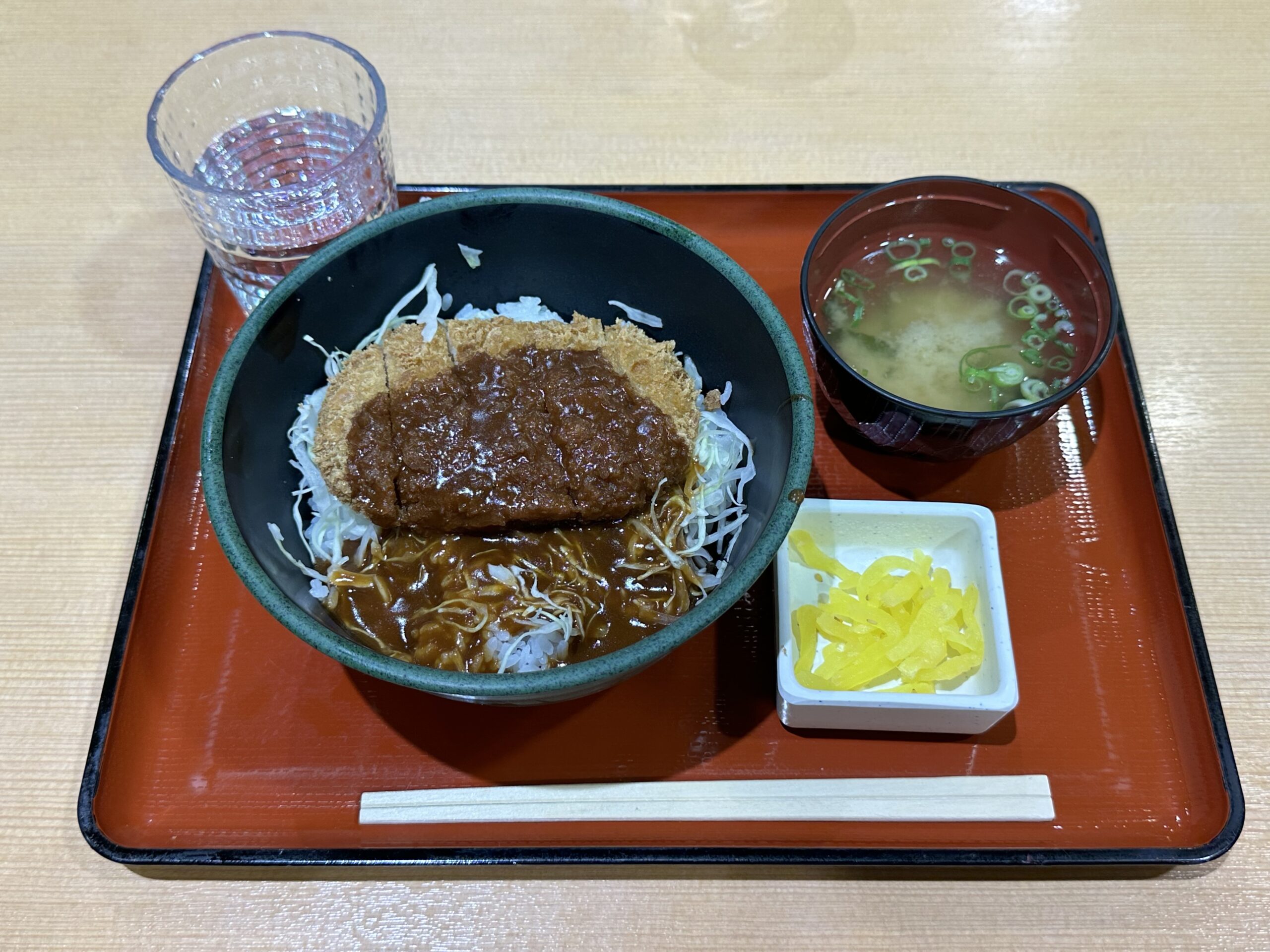
Demi-katsudon is not simply the familiar egg-bound katsudon with a new place name. Its defining comparison is the demi-glace-covered cutlet. Ask whether the menu item is the local sauce version or an egg-bound alternative, particularly if the same restaurant offers both.
For a first order, compare a single bowl with any tasting combination available on the current menu. A two-style set can help people who specifically want to compare sauces, but only if its total amount suits the meal. Do not presume a set called small is two tiny samples or that a family member's bowl can be shared without checking the shop's ordering rules. If you prefer a crisp cutlet with less sauce, ask what adjustments are possible before paying.
Two visits point to preference, not a universal winner
A first-person account published in January 2017 described a meal at Nomura: the writer liked the rich demi-glace version, while the writer's wife particularly favored the conventional egg-bound bowl. A separate December 2025 diary described finding demi-katsudon at Katsudon Jokamachi during a first stay in Okayama.
Both accounts show the dish fitting into an ordinary city visit, but they do not establish that all sauces taste alike or that a famous shop is essential. The older couple's differing favorites are particularly useful: a local specialty can be interesting without becoming every diner’s preferred bowl. JAPANOVA's practical suggestion is to order the style you actually want, and use a comparison set only when you want both—not because an itinerary tells you a particular sauce must win.
Barazushi: check the ingredients and the format
The prefectural guide describes Okayama barazushi as seafood and seasonal vegetables over sushi rice, and lists both restaurant and boxed-meal options. Those are different ways to use the same meal window. A seated lunch makes sense when you want time to ask questions and eat without managing luggage. A boxed meal may fit a rail departure, but you must check the vendor's storage and consumption instructions.
Do not assume all toppings are raw, all toppings are cooked or that removing visible seafood makes a serving suitable for a particular diet. Ask about the actual ingredients, preparation and any cross-contact requirements. A colorful display is a useful introduction to the food; it is not an allergen declaration. If you need a change, confirm it before ordering instead of treating a preassembled box as customizable.
Keep the meal inside a realistic city walk
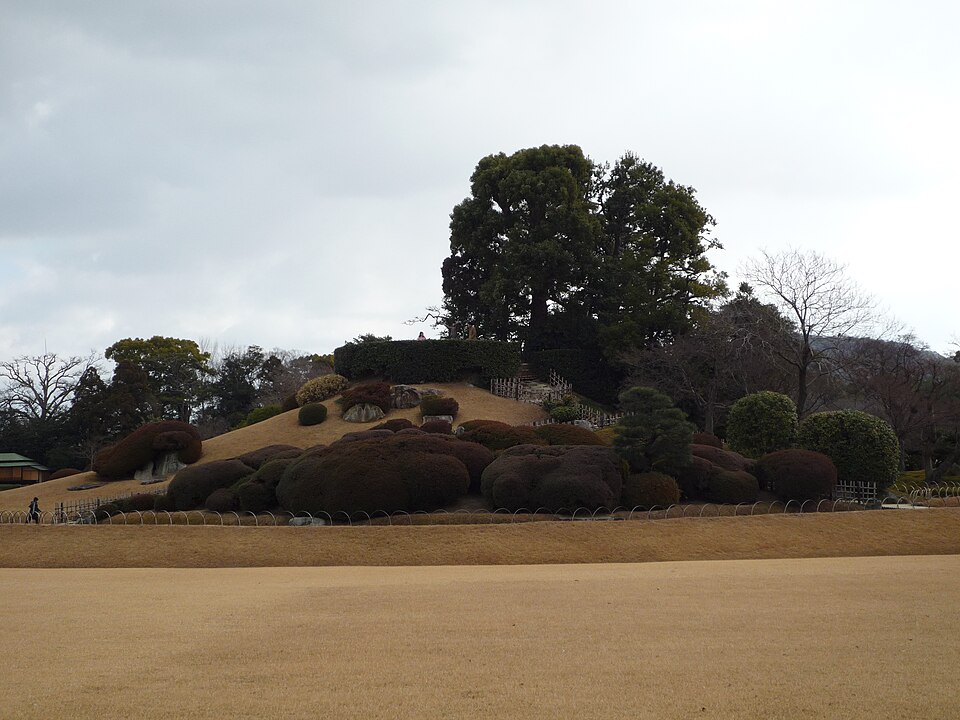
Choose the restaurant after drawing the rest of your day. A lunch around the station can fit a transfer day; a central-city meal can fit the walk between the station and sightseeing. If Korakuen is part of the plan, leave a separate meal window instead of assuming a long garden visit, a queue and a fixed departure can all absorb the same spare hour.
The illustrated demi-katsudon in this guide was photographed at Kibi Service Area, not at Nomura or a station restaurant. It shows the meal format, not the current portion at the place you may book or visit. Likewise, the garden image is route context rather than a restaurant view. Keeping those distinctions clear is more helpful than using unrelated food photographs as promises.
Check today's shop information before committing
The official Azuma Sushi page is one place to start researching barazushi and its Sansute Okayama menu. For any chosen shop, confirm the exact branch, current menu, last-order policy, dine-in or takeaway format and payment options. A tourism article from 2024 or a traveler's old receipt should not set your 2026 meal budget.
Compare the full meal: bowl or box, sides you actually want, drinks, and any travel needed to reach it. Save a second nearby option in case your first choice is closed or the wait would jeopardize a train. A good Okayama food stop should give you a distinct local meal while still leaving enough time to enjoy the city around it.
Research-based guide prepared by JAPANOVA. Traveler accounts are individual self-reports; comparisons are editorial analysis.
Facility and shop information
- Azuma Sushi — checked 2026-10-19