You can build a worthwhile Kagawa udon day without renting a car, but it needs a different plan from a countryside restaurant crawl. Start with Takamatsu and a small number of reachable shops. The objective is to enjoy different bowls and understand the ordering styles, rather than spend the whole day collecting distant restaurant names.
Choose two bowls before choosing six shops
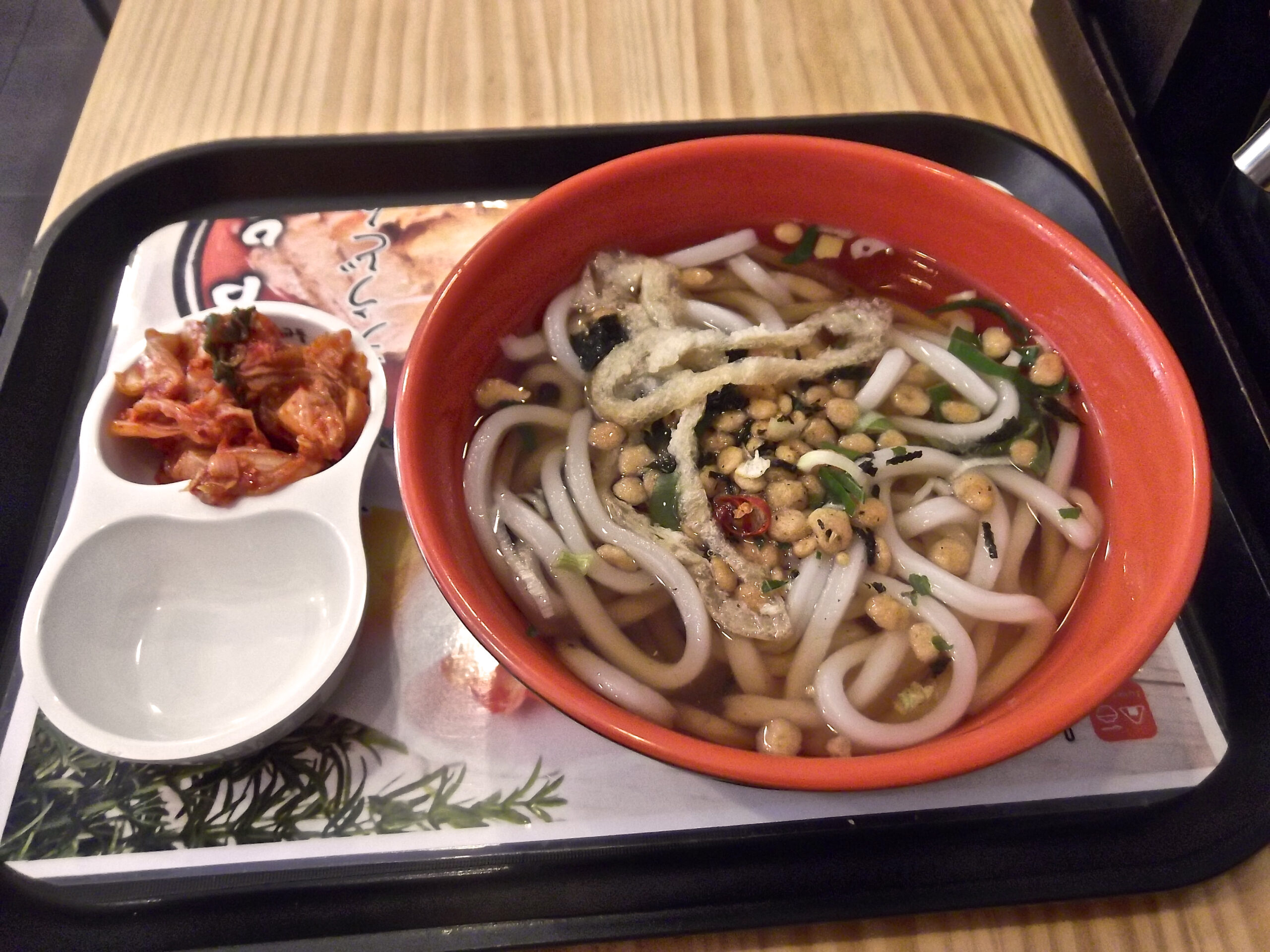
For a first visit, use two meals as the working plan: one simple bowl that lets you focus on the noodles, and one contrasting preparation or topping. Treat a third shop as optional. A small bowl at one restaurant need not equal a small bowl somewhere else, and tempura, rice sides and drinks can change both appetite and cost.
Make a short list within a single walking and public-transport area. Check each exact branch and its service hours before fitting it around a garden visit, train or ferry. Do not assume a rural shop you saw in a video is a short detour from Takamatsu. If reaching one restaurant becomes the main activity, decide whether that journey is worth giving up the rest of the day.
Understand the shop style before joining the line
Kagawa's tourism association separates self-service shops from other restaurant styles, while Takamatsu's official udon map identifies service types. That matters more than memorizing a universal script. Look for where people take trays, order, pay, collect water and return bowls. Read the signs and ask staff if the sequence is unclear.
Self-service can include more than carrying a tray: the prefectural shop guide describes Sakaeda's main store as a place where customers warm noodles and add broth themselves. That does not establish the procedure at every Sakaeda branch or every Kagawa shop. Do not pick up a basket, open a hot-water lid or handle communal equipment merely because a different restaurant worked that way. Wait for the local instruction.
Use Takamatsu as the practical starting point
An urban plan lets you keep a meal near the rest of the day rather than organizing an entire journey around restaurant opening times. Udon Baka Ichidai's own website supplies a Takamatsu address in Taga-cho and shop information. The official udon map is useful for finding other city options and checking their ordering format.
Compare walking routes and transit with the actual entrance, not a map pin that only marks the block. Save a backup nearby whose menu and hours you have also checked. For a busy counter, decide your noodle type, temperature and size before reaching the staff. A picture of the exact menu item can help you communicate, but it does not guarantee English service or a special modification.
Two accounts show why branch and timing matter
A first-person diary published in December 2025 described ordering a small hiya-atsu bowl with egg tempura at Sakaeda Minamishinmachi in the shopping arcade. The writer preferred this temperature to a very hot bowl. A different set of firsthand comments about Sakaeda's main store described a quicker, workday-lunch atmosphere and fewer tempura choices close to closing.
Together, these accounts make branch, serving choice and timing useful planning questions. A preferred bowl in an arcade does not prove that the main store offers the same service window, procedure or atmosphere. These are individual historical experiences, not a forecast of your wait. JAPANOVA's suggestion is to put the less flexible shop first and leave a later option that is actually confirmed open, rather than promising yourself dinner at an udon shop simply because it is famous.
Keep the food comparison clear
When comparing two bowls, change one main feature at a time. You might choose a plain preparation first and a different sauce or topping later. Ask what comes with the order and whether additions are charged individually. A full tray can make an inexpensive noodle stop a much larger meal without you noticing until checkout.
Check dietary needs at the restaurant. The appearance of noodles, vegetables or tofu does not confirm the ingredients of broth, sauce or frying oil. If a requirement cannot be explained or confirmed, choose a different meal rather than relying on a traveler's description of a similar-looking bowl. Photos here illustrate historical udon meals and the garden context; they do not guarantee a menu item at a particular shop today.
Fit the bowls around one other good stop
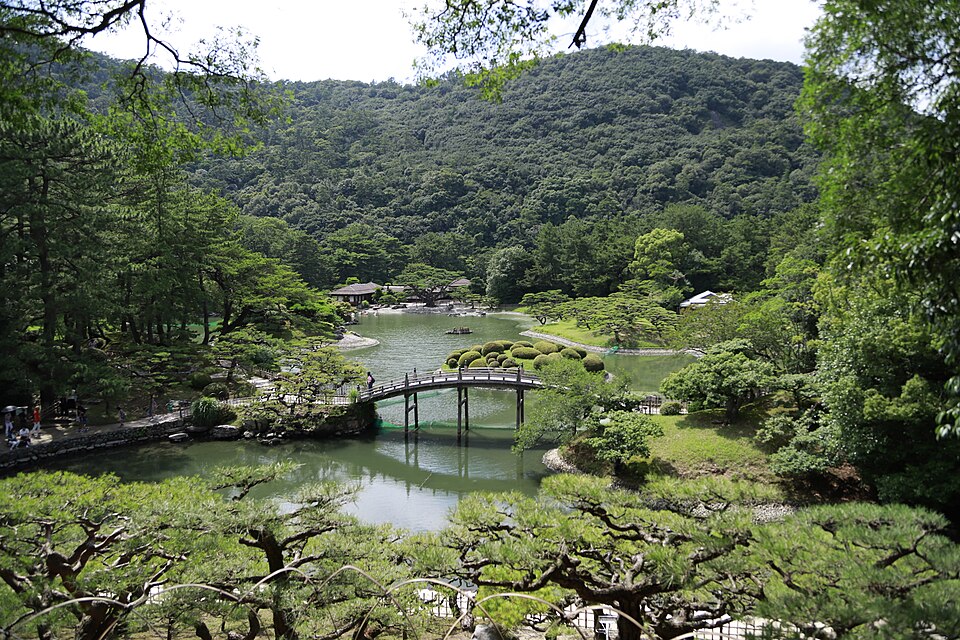
Combine your meals with one activity you genuinely want, such as a garden visit, instead of inserting an extra restaurant whenever the map leaves a gap. Leave room to walk, rest and digest. If a queue would threaten a ferry or reserved train, switch to the backup or a simpler meal.
A car becomes worth considering only when the countryside restaurants themselves are the reason for the trip and the full route is feasible. For a first taste of Kagawa, a focused Takamatsu day can provide a much better comparison than a rushed list of remote stops. Check current shop information again before setting out and keep the final bowl optional.
Research-based guide prepared by JAPANOVA. Traveler accounts are individual self-reports; comparisons are editorial analysis.
Facility and shop information
- Udon Baka Ichidai — checked 2026-10-19