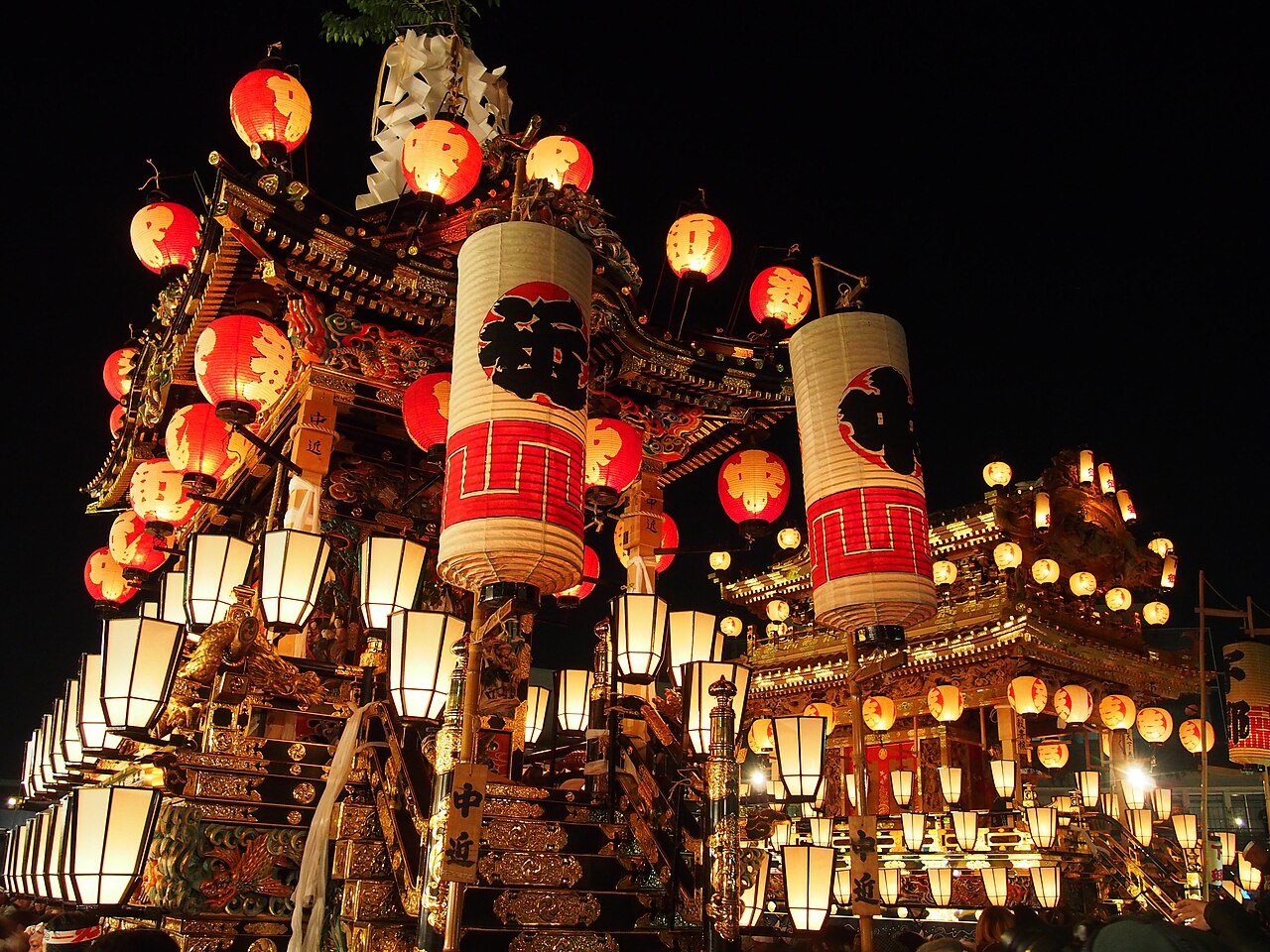
Aizu lacquerware shopping is most rewarding when you decide whether you want a finished object or the experience of decorating one. A beautiful bowl that suits your daily routine and a workshop piece that records a journey offer different kinds of value. Suzuzen lets you investigate both possibilities, but an activity reservation, a shop visit and the care of a finished purchase need separate decisions.
- Start with the object you will actually use
- Treat a workshop as a reservation rather than casual browsing
- Compare making a memory with choosing a finish
- Leave room for design and instructions
- Use the buildings as context rather than a product guarantee
- Ask how the purchase will travel and live at home
- Facility and shop information
Start with the object you will actually use
Before comparing decorative patterns, choose a purpose: a bowl for a meal, a small dish, a mirror or another object you genuinely want at home. Consider where it will live, who will use it and how it will fit among things you already own. That gives you a more useful question for the shop than asking which item is the most authentic souvenir.
Ask about the individual object's base material, surface finish, intended use and care instructions. Do not assume that everything carrying a regional craft name has identical materials or maintenance needs. If a gift recipient prefers a particular cleaning method, establish compatibility before buying. An object that requires a routine they will not follow may be a less thoughtful gift than a simpler piece they can use comfortably.
Treat a workshop as a reservation rather than casual browsing
Suzuzen's current experience page, updated April 2026, lists ordinary bookings for two or more people, around one hour and reservations by telephone or the website inquiry form. The listed start-time range is 10:00–15:30. Confirm your date, group size and requested item with the operator rather than assuming an empty shop means a teacher can immediately accommodate a walk-in.
The page lists tax-inclusive prices of JPY3,500 for a small plate or hand mirror and JPY5,000 for a wooden lacquered soup bowl or sake cup. Check the current menu when booking; group arrangements differ. These are workshop choices, not a general price list for all Aizu lacquerware. If you are traveling alone, ask about possibilities before planning around a session whose published ordinary minimum is two.
Compare making a memory with choosing a finish
In a 2022 first-person family report, writer Kaoru Utsunomiya describes her two daughters choosing bowls for everyday use, working with decorative powders and learning to draw slowly on a curved surface. A separate January 2023 account by local buyer Pu-chan values the deep shine of lacquerware purchased at Aizuwakamatsu's Tokaichi market. One emphasizes participation; the other focuses on the finished object's surface.
Both connect the purchase with something beyond a generic souvenir. Their priorities differ enough to matter: a workshop can be worthwhile even when a beginner's decoration is imperfect, while a finish-focused buyer may prefer comparing completed pieces. The market writer's claimed discount is not a verified saving and the old workshop prices are not current. Choose according to what you want to remember and use, rather than merging these accounts into a universal recommendation.
Leave room for design and instructions
A compact idea is easier to discuss than a complicated design invented under time pressure. Think about a small motif, initials or a date, then ask the instructor which approach suits the chosen surface. Treat examples as inspiration rather than something you must reproduce exactly. If language assistance matters, ask what is available before booking and bring a simple written description of your idea.
The family diary describes decisions about colors, leaf impressions and fine lines. That historical account illustrates the kind of attention an activity can involve; it does not promise the same materials or instructor today. Ask the present operator about the actual process. Avoid scheduling a departure immediately after the advertised activity duration, because receiving instructions, completing payment and preparing the piece for transport also belong in your plan.
Use the buildings as context rather than a product guarantee
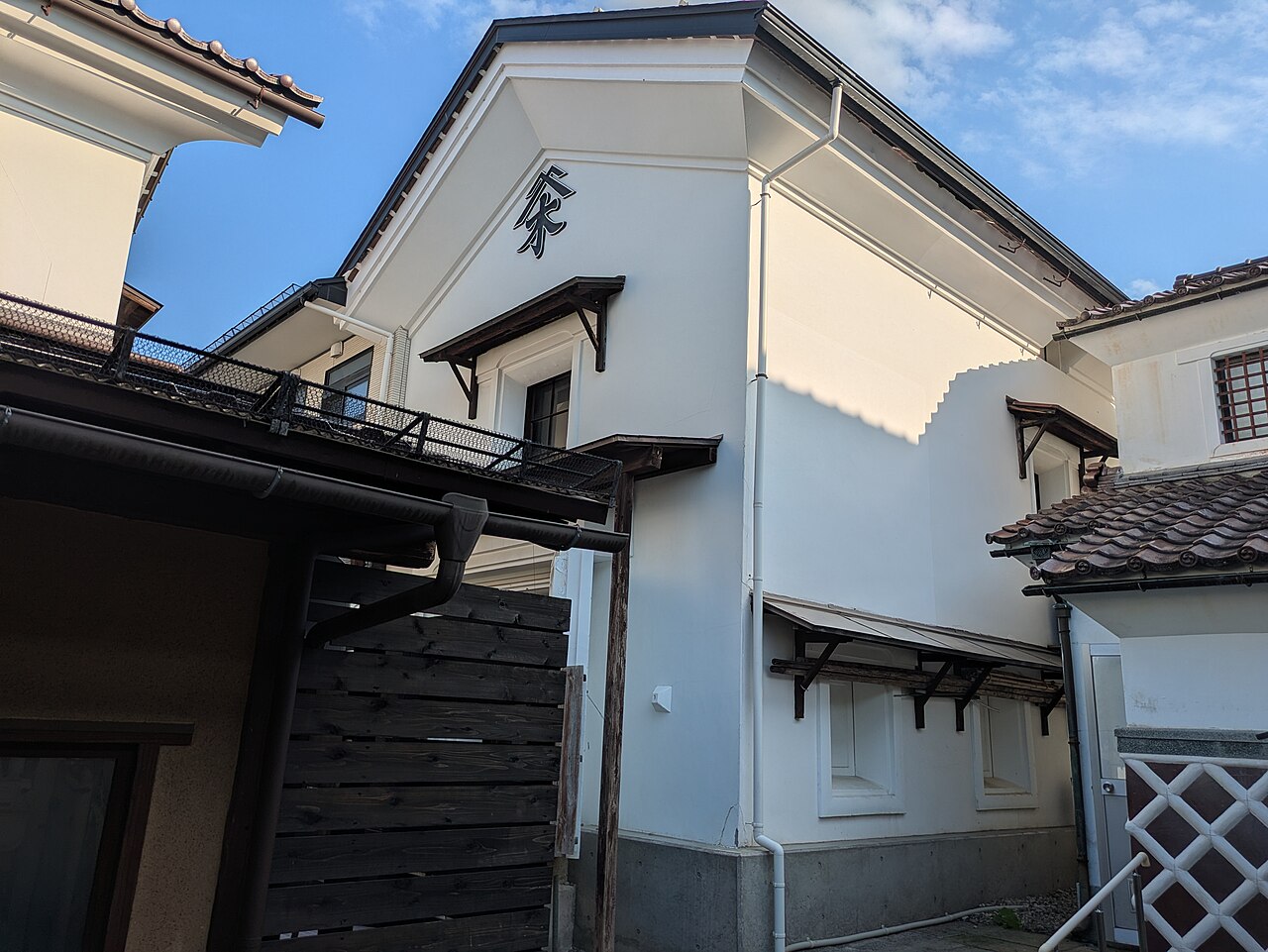
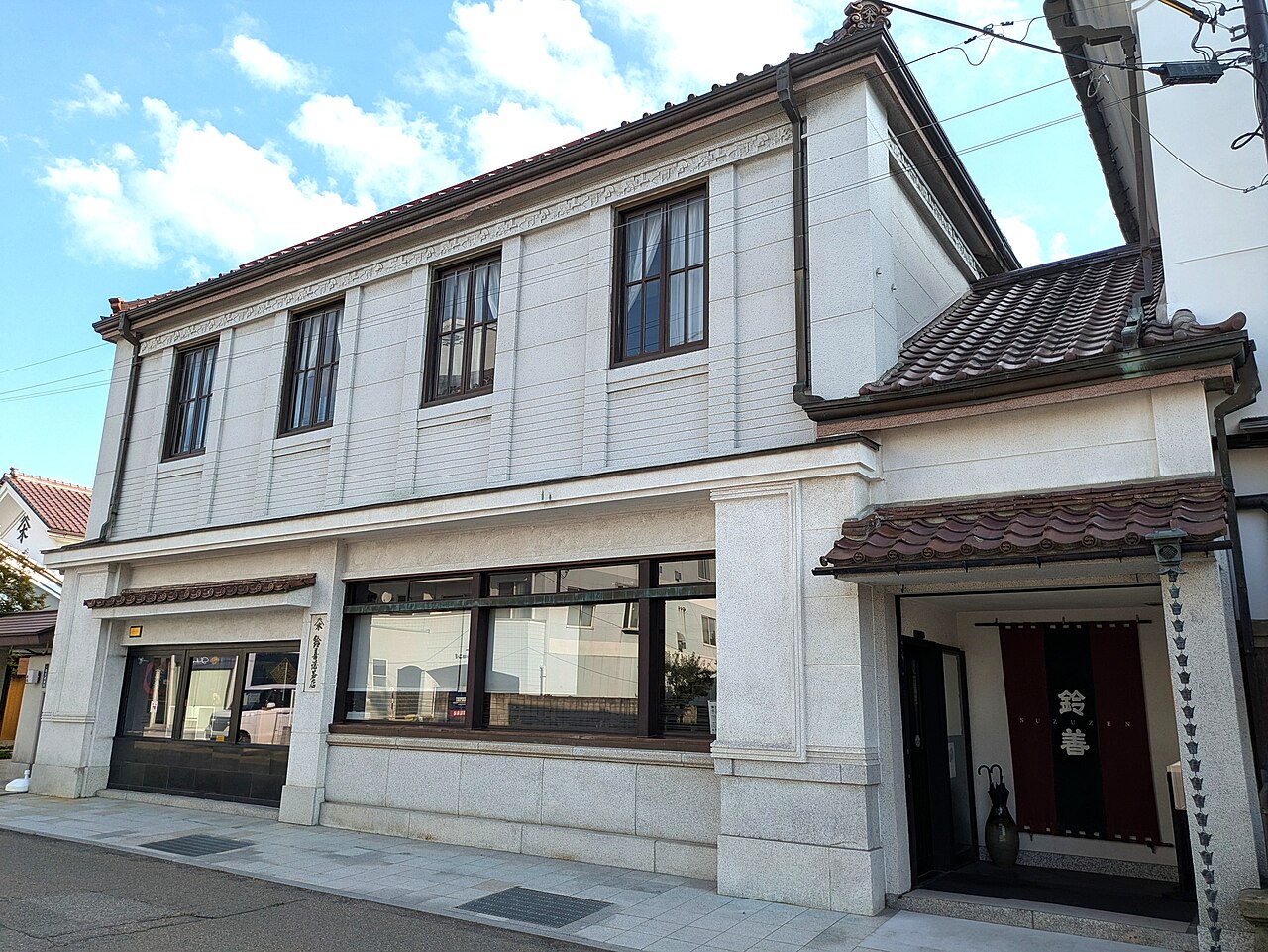
The August 2025 photographs show Suzuzen's street-front building and a storehouse exterior. They explain the setting in which a craft-shopping visit takes place. They do not show a finished workshop bowl, prove current stock or establish that every part of the property is accessible. Follow the operator's current instructions about where to enter and which spaces visitors may use.
If your time is limited, decide whether shopping or the reserved activity is the anchor. Arrive for that purpose first, then browse if energy and opening arrangements permit. Do not add a distant attraction simply because an approximate workshop duration leaves an apparent gap on a map. A little unallocated time is useful when an object prompts questions you had not anticipated before seeing it.
Ask how the purchase will travel and live at home
Before paying, ask staff when a newly decorated piece can be packed, handled, washed and used. Follow the instructions for your actual object rather than treating a blogger's drying advice as universal. Ask for protective packaging and keep the care information with the gift. If you need delivery, confirm the destination, total cost and available service before assuming it solves a luggage problem.
Choose a finished item when shape, finish and immediate suitability matter most. Choose the workshop when participating in the decoration is part of the value, and the booking works for your party. You can do both, but set separate budgets so an activity does not become an unplanned reason to buy several more pieces. A useful, well-understood object can keep the connection with Aizu after the trip ends.
Research-based guide prepared by JAPANOVA. Traveler accounts are individual self-reports; comparisons are editorial analysis.
Facility and shop information
- Suzuzen experience storehouse — checked 2026-10-19