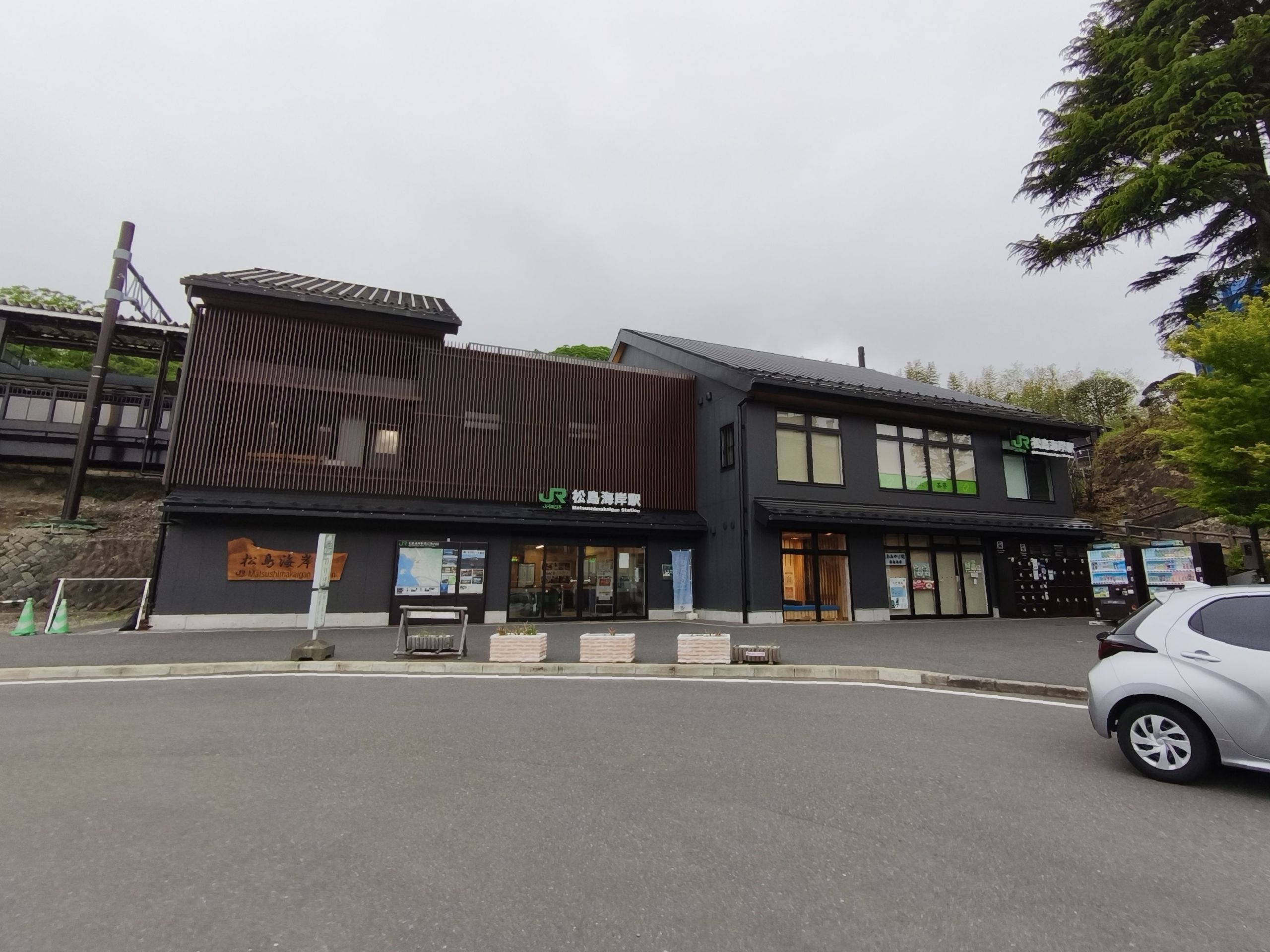
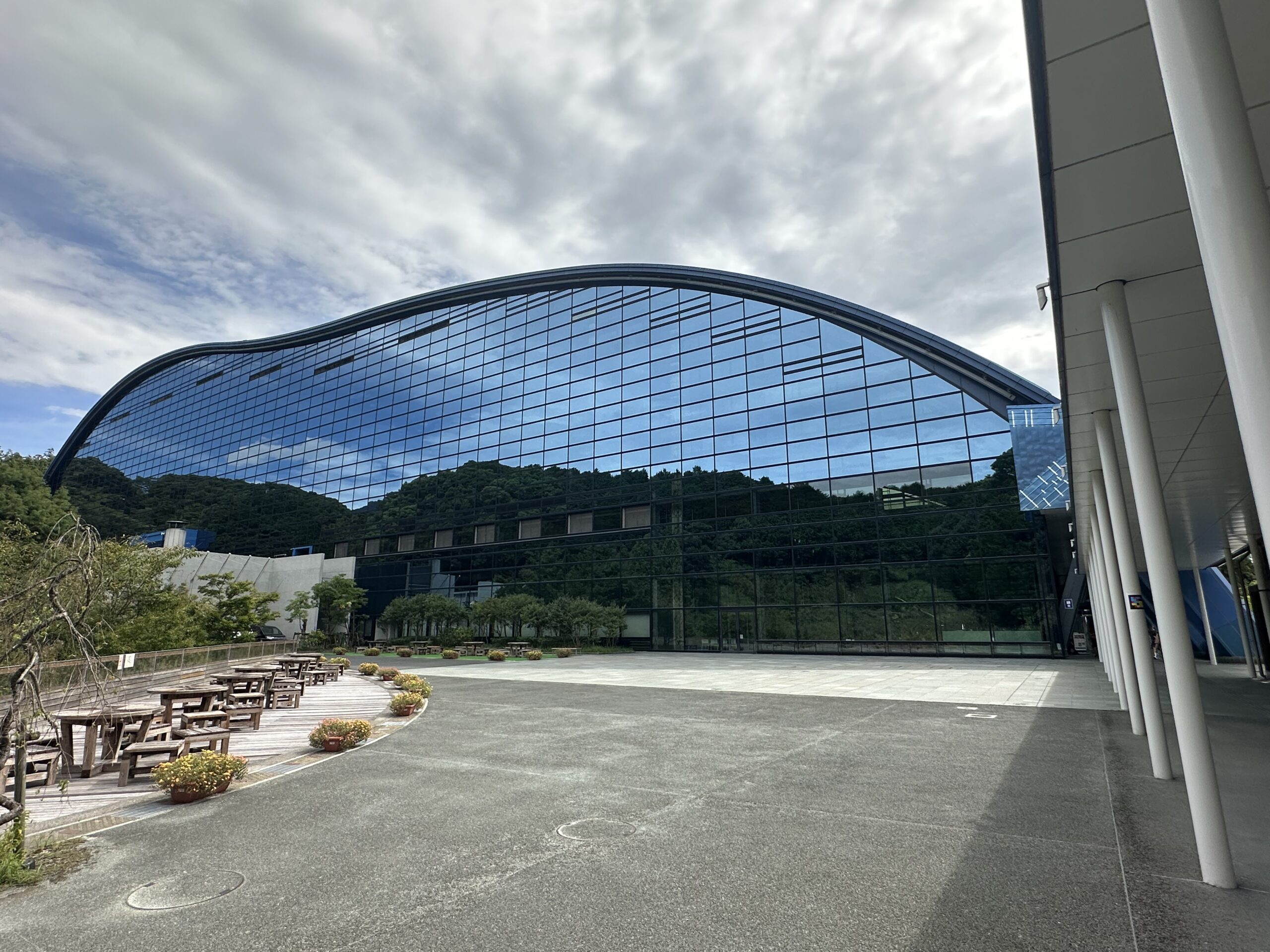
Yamadera is a temple visit organized around a sustained stair climb, not a viewpoint reached simply by stepping out of a station. The rewarding part for many visitors is the combination of buildings, forest and valley views. The planning question is whether you want to give that ascent a proper place in your day, including the descent, or whether your group would be better served by a different outing.
Decide whether the climb is the main activity
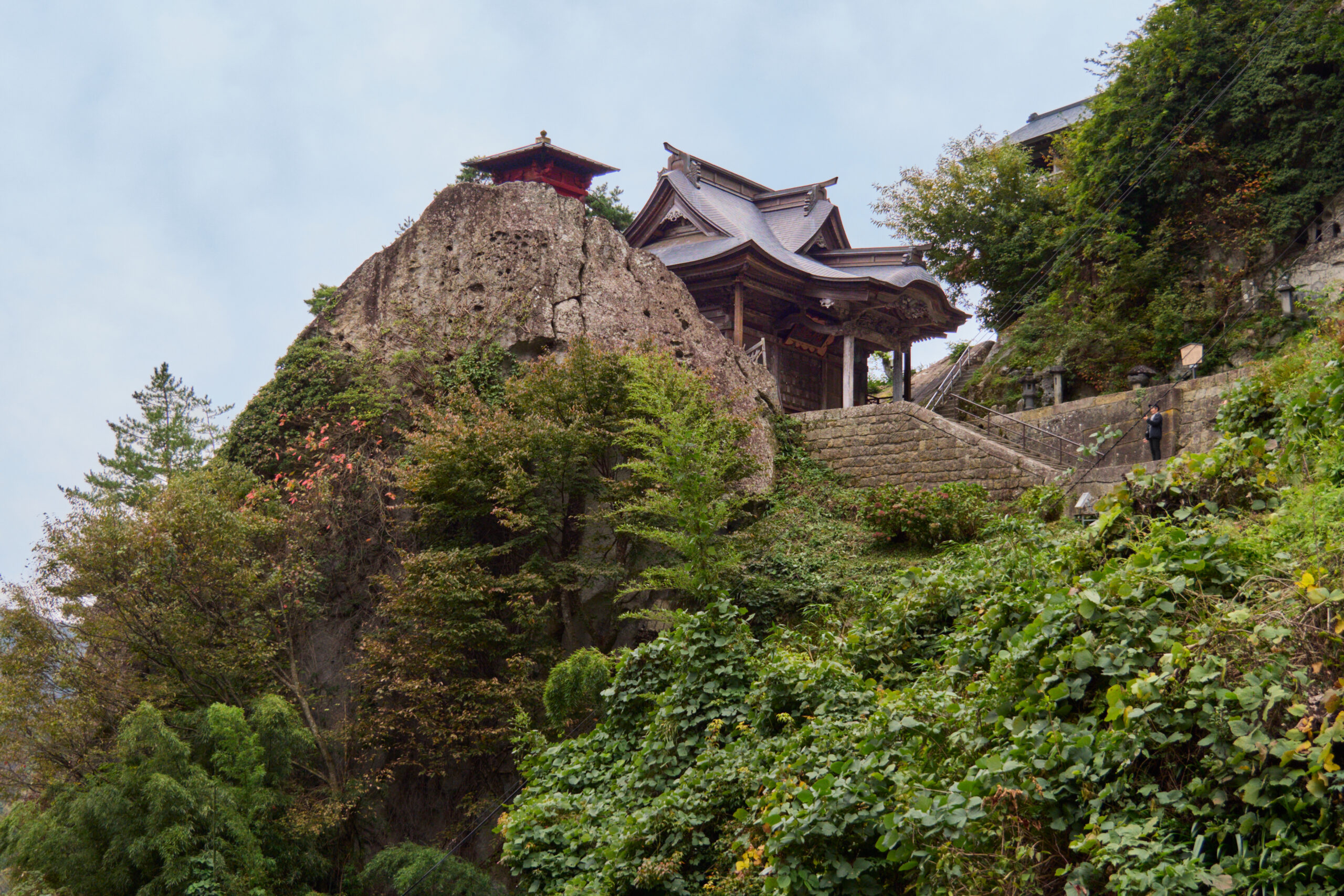
JNTO describes Yamadera, formally Risshakuji, as a mountain temple approached by more than a thousand stone steps. The temple's own site describes the full course as stone stairs and gives an approximate round-trip duration, rather than presenting it as a quick stop. Treat that as information about the nature of the visit, not a target you must beat.
Ask everyone in the group about stairs before committing the day. A successful visit does not require keeping pace with strangers or reaching a particular photo spot despite discomfort. If the upper temple is the reason you are coming, leave enough time to pause and descend comfortably. If someone cannot manage the climb, investigate the lower area's actual access and decide whether it offers enough of what that person wants; do not promise equivalent views without the ascent.
Check the temple season before fixing the train
Risshakuji publishes different visiting windows for different parts of the year and warns that winter weather can bring earlier closure. Consult the current temple information for your date before choosing a train simply because it appears convenient. A sightseeing opening time, an admission cutoff and the time you need to start descending are separate planning questions.
Build the return journey into the plan before starting up. Save the relevant train departures and leave an alternative that does not depend on descending faster than your group finds comfortable. A missed service can matter more in a day trip with another fixed booking afterward. Avoid copying a blogger's old departure time or assuming the service frequency in a past report remains unchanged.
Two climbs show why effort belongs in the itinerary
A November 2015 visitor report by Villagemayor describes the steps as demanding while still finding the climb worthwhile; the writer also found some town businesses closed during that visit. A separate 2024 family report describes elderly parents finding the ascent challenging, making it to the top and appreciating the views, followed by a quieter afternoon back in Sendai.
Their agreement is that the climb can be rewarding and physically consequential. Their different circumstances matter: an off-peak solo visit and a family day have different food and recovery needs. Neither account establishes that your group will find the steps easy, that shops are currently closed or that reaching the top is the right choice for everyone. Our inference is to protect time for the descent and leave the next activity optional.
Visit the buildings as well as the viewpoint
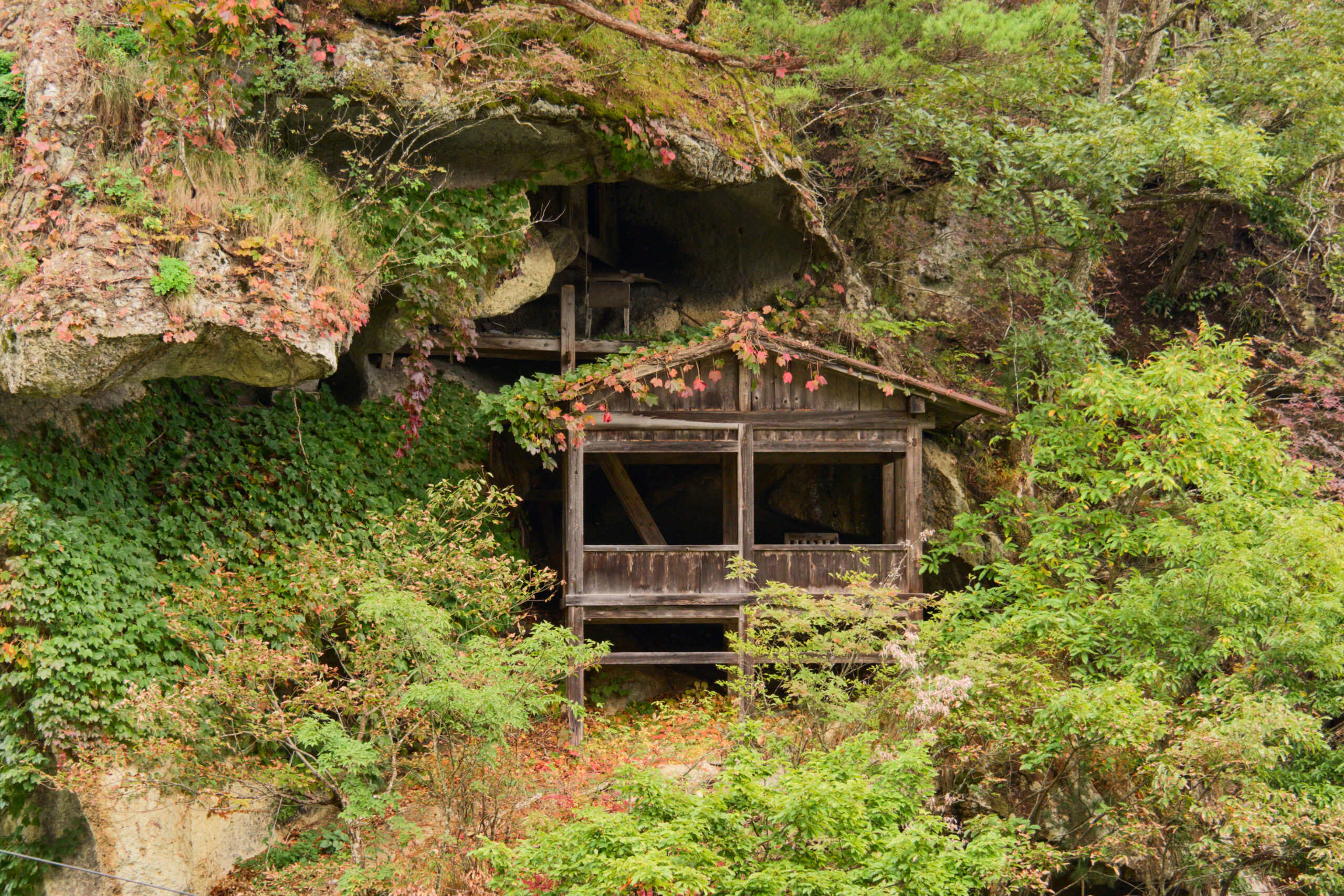
Use the temple's own site and visitor information to understand the sequence of halls before concentrating on a single panoramic photograph. The path is a religious setting, with other visitors using the same narrow spaces. Pause in places where you can stand clear, follow signs and respect any photography restrictions on particular halls or objects. A scenic image does not give permission to enter a closed area.
Carry what you need for the outing in a manageable bag rather than dragging travel luggage up the steps. Check current weather and footing and choose footwear suitable for the conditions you will actually meet. If your plans depend on mobility assistance, ask about the specific route directly before arrival. The temple's general description of ordinary clothing does not guarantee that any footwear is appropriate in every season.
Keep lunch and the onward journey flexible
Identify a realistic meal or snack option, but do not make a narrow restaurant window the reason to rush the climb. The 2015 account is a reminder to verify individual businesses instead of assuming a village's visitor economy operates identically throughout the year. If a meal is essential, confirm it directly or bring an appropriate backup and follow local rules about eating.
If you are considering another major outing the same day, compare its transport commitment with the time and energy left after Yamadera. An additional destination is worthwhile only when you actually want it and can reach it without turning the first visit into a race. Returning to Sendai or Yamagata for a relaxed afternoon is a valid outcome, not wasted sightseeing capacity.
Before paying for transport or a guided arrangement, confirm exactly what it covers: rail, any local transfer, temple admission, meeting point and cancellation terms. Choose the outing because the stairway, architecture and landscape appeal to you, then give them enough of the day to enjoy them at your own pace.
Research-based guide prepared by JAPANOVA. Traveler accounts are individual self-reports; comparisons are editorial analysis.
Facility and shop information
- Risshakuji Temple — checked 2026-10-19