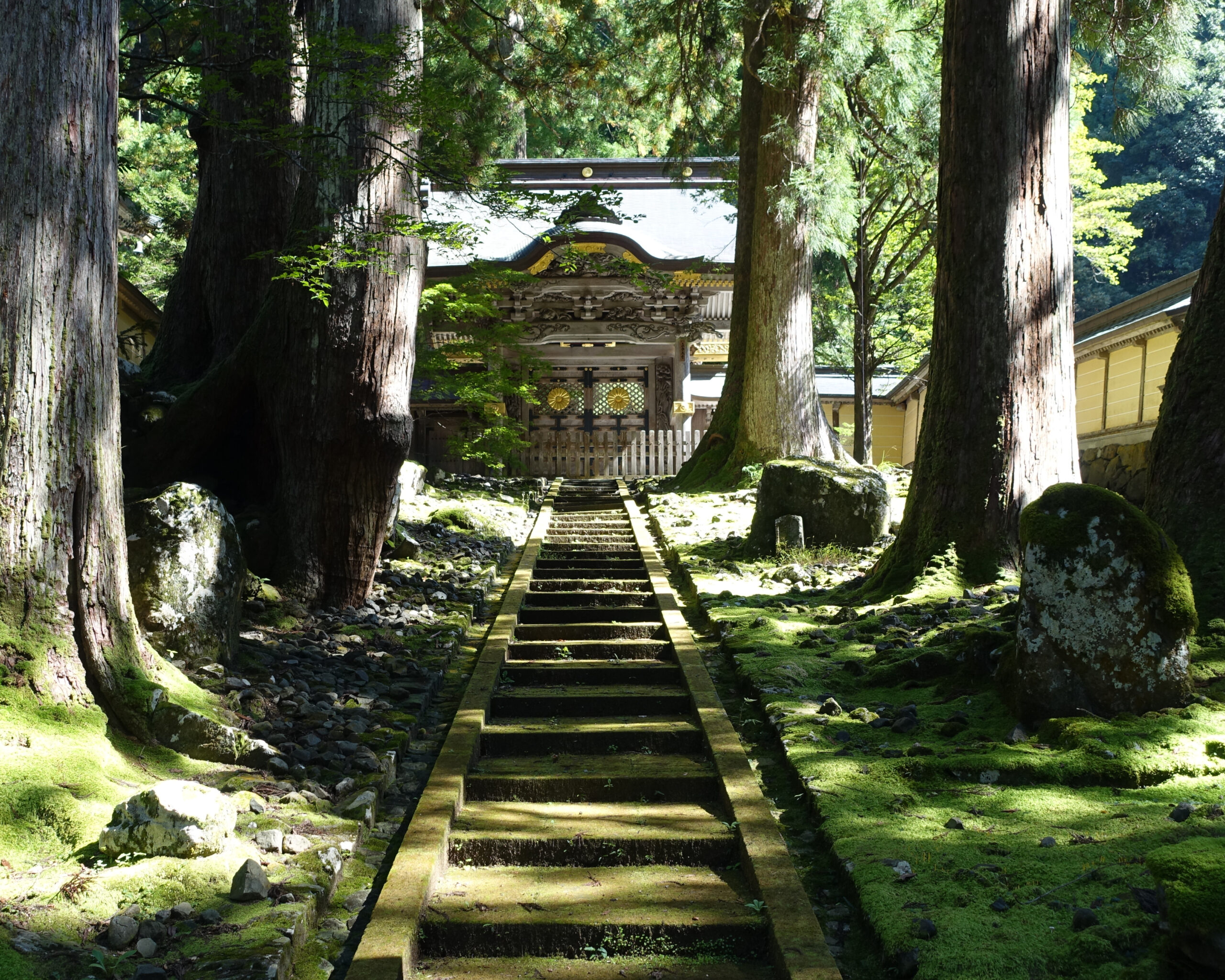
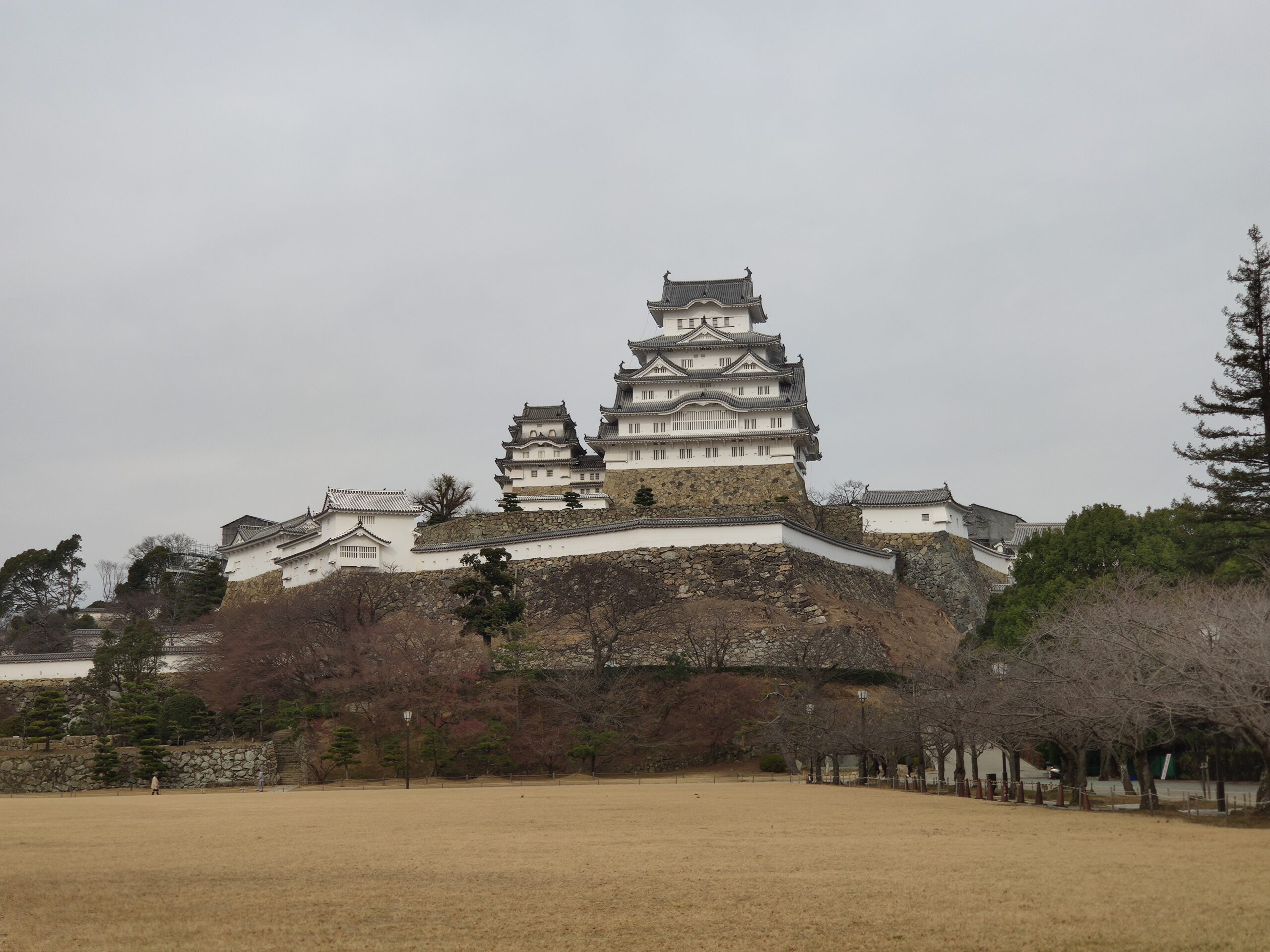
Shiraito Falls can justify a Fujinomiya outing even when Mount Fuji is hidden. The practical question is whether you want a focused waterfall visit or a much larger day whose success depends on every photograph, connection and extra stop working out. Start with the falls themselves. Add Otodome and other viewpoints only after checking your time, energy and return arrangements.
- Choose Fujinomiya’s falls rather than an uncertain Fuji photograph
- Give Shiraito priority and keep Otodome optional
- Two summer accounts reveal different limits
- Check the terrain before committing to a lower viewpoint
- Build the return journey before adding another stop
- Spend on the visit you can actually complete
- Facility and shop information
Choose Fujinomiya’s falls rather than an uncertain Fuji photograph
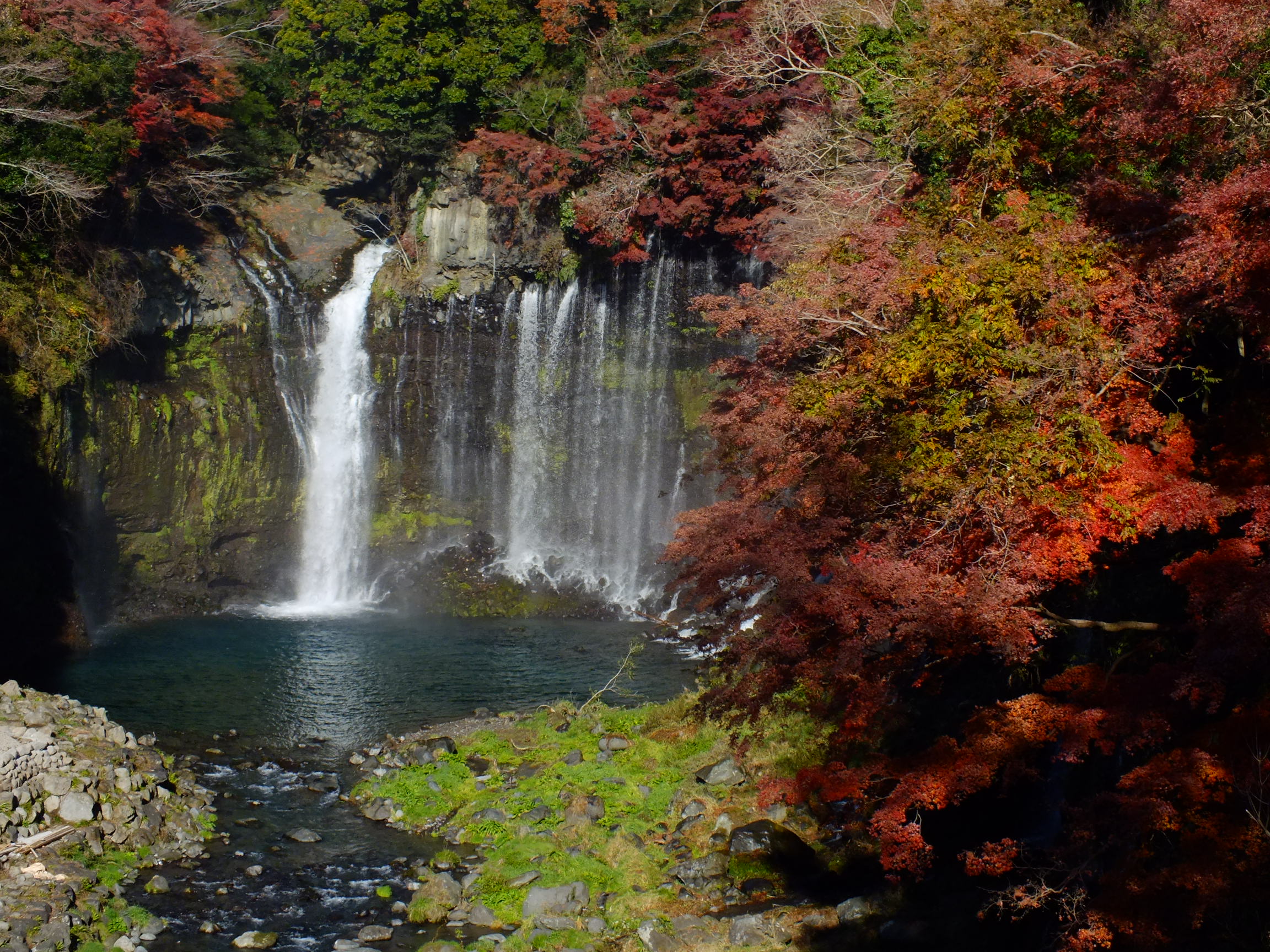
Confirm the location when searching or booking transport: this is Shiraito in Fujinomiya, Shizuoka. The name is used for other waterfalls in Japan. Saving the correct destination and municipal visitor page avoids turning a familiar name into the wrong journey. Identify your arrival point as carefully as the attraction name.
The city describes Shiraito as a broad curtain of water associated with spring flow through the Mount Fuji landscape. Nearby Otodome has a different appearance: a more concentrated river waterfall. You do not need an unobscured mountain behind them to see that contrast. Decide whether waterfalls and the surrounding setting are enough reason for your trip before paying for transport organized around a postcard view.
Give Shiraito priority and keep Otodome optional
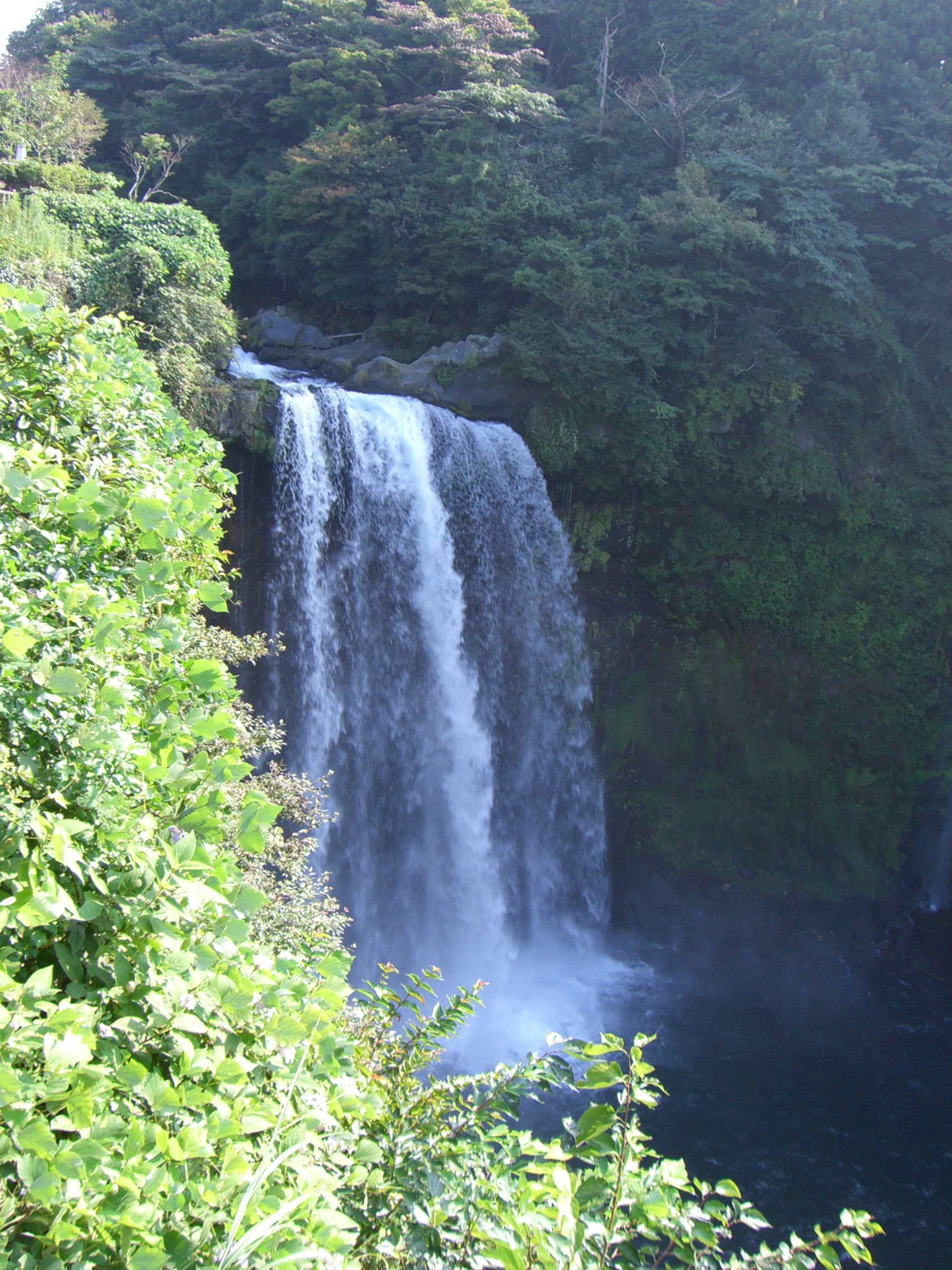
Make your preferred waterfall the anchor. If Shiraito is the main reason you came, see it before spending the available time on food, shopping or another detour. That does not mean rushing past the surrounding area; it means protecting the experience you would be disappointed to miss. An optional stop should remain optional when conditions change.
Plan a clear point at which you will decide about Otodome. Check the official local map and the walking required to reach the viewing areas, then compare it with the time left before your return. A destination described as nearby still takes time to approach and enjoy. Do not count only the distance between names on a map while ignoring the walk back to your departure point.
Two summer accounts reveal different limits
Cathy Cawood's first-person Japan Travel account describes arriving early, enjoying Shiraito's curtain of water and finding Mount Fuji hidden by haze. Yuno's July 2024 rental-car trip account describes visiting Shiraito in very hot weather and omitting Otodome because of heat and return-time pressure. These are specific experiences, not a forecast for your visit.
Both accounts support keeping the waterfall experience separate from an ambitious checklist. Cawood valued the scene despite the missing mountain view; Yuno shortened the plan when conditions made another stop less appealing. JAPANOVA's recommendation is to choose an enjoyable minimum visit in advance. Neither account proves that mornings are always quiet, that a particular month guarantees visibility, or that your journey will have the same traffic.
Check the terrain before committing to a lower viewpoint
A waterfall photograph does not show the whole approach. Before following a route down toward the water, check the current local map and notices and decide whether you can comfortably return the same way. If stairs, slopes or wet surfaces are a concern, ask the local visitor service about a suitable viewing position rather than assuming every route has equal access.
Remain in permitted areas. This is a place to view the waterfalls, not to build an itinerary around entering the basin or climbing to an unmarked photo position. Keep your attention on the path when moving, and stop where you can take a photograph without blocking others. Old accounts of an additional spring-water stop do not establish current drinking-water safety or permission; do not make that an essential activity based on a historic blog.
Build the return journey before adding another stop
For public transport, confirm the actual outbound and return service for your date and the stop you will use. A report written by someone with a rental car cannot establish how much freedom you will have between buses. Save the next workable return as well as your preferred one, and decide whether missing the preferred departure would affect a reserved train or accommodation check-in.
With a car, confirm parking arrangements at the site rather than reusing an old visitor's parking price. Allow time to return to the vehicle and navigate away before treating the next departure as certain. The difference between a satisfying stop and a stressful finish often lies in that final buffer. Avoid adding a distant attraction merely because it appears on a regional itinerary made for a different transport mode.
Spend on the visit you can actually complete
Compare the full cost and effort of your journey with the experience that remains if the weather hides Fuji. If the waterfalls themselves appeal, a flexible plan can still be worthwhile. If a clear mountain panorama is essential to you, decide how you will adjust before committing to a fixed outing.
Pack for the actual weather, check the latest visitor information and protect time for the return. The historical photographs here show different waterfall forms and seasons, not guaranteed foliage, water volume or visibility. A focused Shiraito visit with Otodome as a considered addition can be more useful than an expensive day assembled around a scene the weather may never provide.
Research-based guide prepared by JAPANOVA. Traveler accounts are individual self-reports; comparisons are editorial analysis.
Facility and shop information
- Fujinomiya City waterfall facility information — checked 2026-10-19