A Kyoto yudofu meal can be a deliberate pause rather than a quick bowl between temples. At Nanzenji Junsei, the useful questions are what kind of course you want, how much time you have and what the restaurant's advance arrangement actually means. Tofu itself may look simple, but a course, a garden setting and the way you obtain a table are separate parts of the decision. Choose them consciously instead of assuming a famous lunch will fit any schedule.
- Choose a tofu meal for the meal you want
- Understand priority guidance before arranging lunch
- Two visitors valued different parts of the outing
- Check the complete course and dietary requirements
- Give the garden and meal a sensible place in the day
- Confirm the current restaurant rather than a historic queue
- Facility and shop information
Choose a tofu meal for the meal you want
Start by deciding whether you want a substantial sit-down course or a brief lunch. Junsei's FAQ describes approximately an hour for a yudofu course and longer for kaiseki. That is the restaurant's general guidance, not an exact finish time or an allowance for any wait. If you have a tightly timed appointment afterward, make the whole commitment clear before arranging the meal.
Compare the actual course composition rather than choose only by the word tofu. Side dishes, preparation methods and portion expectations can change the nature of lunch. Set a food budget before adding drinks or upgrading the course. The practical question is whether you want this particular meal experience, not whether ordering the largest course proves you have sampled Kyoto properly.
Understand priority guidance before arranging lunch
Junsei's yudofu arrangement is described on its own site as priority guidance, rather than a seat reservation. The restaurant says a wait may still occur and distinguishes this system from its separate kaiseki reservation arrangements. That difference matters when planning another booking or deciding how early to arrive. A submitted request is not evidence that a specific chair or room has been held for you.
Read the current conditions for party size, arrival window, changes and availability on the actual page before submitting anything. Ask directly about seating or access needs that are essential. The restaurant explains that a desired seating position cannot always be supplied. Do not infer that choosing a traditional meal guarantees a private room, garden-facing table or a seating style suitable for everyone in your party.
Two visitors valued different parts of the outing
Decoken's January 2026 first-person account describes a couple arriving before opening with priority guidance and being seated promptly. They chose a basic course because they wanted to enjoy tofu, and particularly noticed its texture, sauce and accompanying preparations. The garden contributed to the meal's appeal. Their smooth arrival describes one occasion, not a guarantee that the priority system eliminates waiting.
A separate Shitamachi Furaibo diary describes turning to Junsei when another intended tofu restaurant was closed, then waiting around an hour as a walk-in. The writer had previous tofu-meal preferences elsewhere in Kyoto, but enjoyed this meal's texture more than expected and appreciated the garden. That historical experience cannot establish a typical wait or rank every restaurant in the area.
Both accounts enjoyed more than tofu alone, while the circumstances differed: an intentionally planned course versus an alternative chosen after a closure, with different access arrangements and texture expectations. JAPANOVA's inference is to decide whether the setting and leisurely meal matter to you, then plan the table process around that decision. Neither diary justifies calling the experience universally best or effortless.
Check the complete course and dietary requirements
Tofu does not make a complete restaurant course automatically vegetarian, vegan or suitable for an allergy. Ask about sauce, stock, side dishes and preparation for the exact menu you intend to order. If an essential requirement cannot be confirmed, choose a meal whose suitability can be established rather than rely on a food photograph.
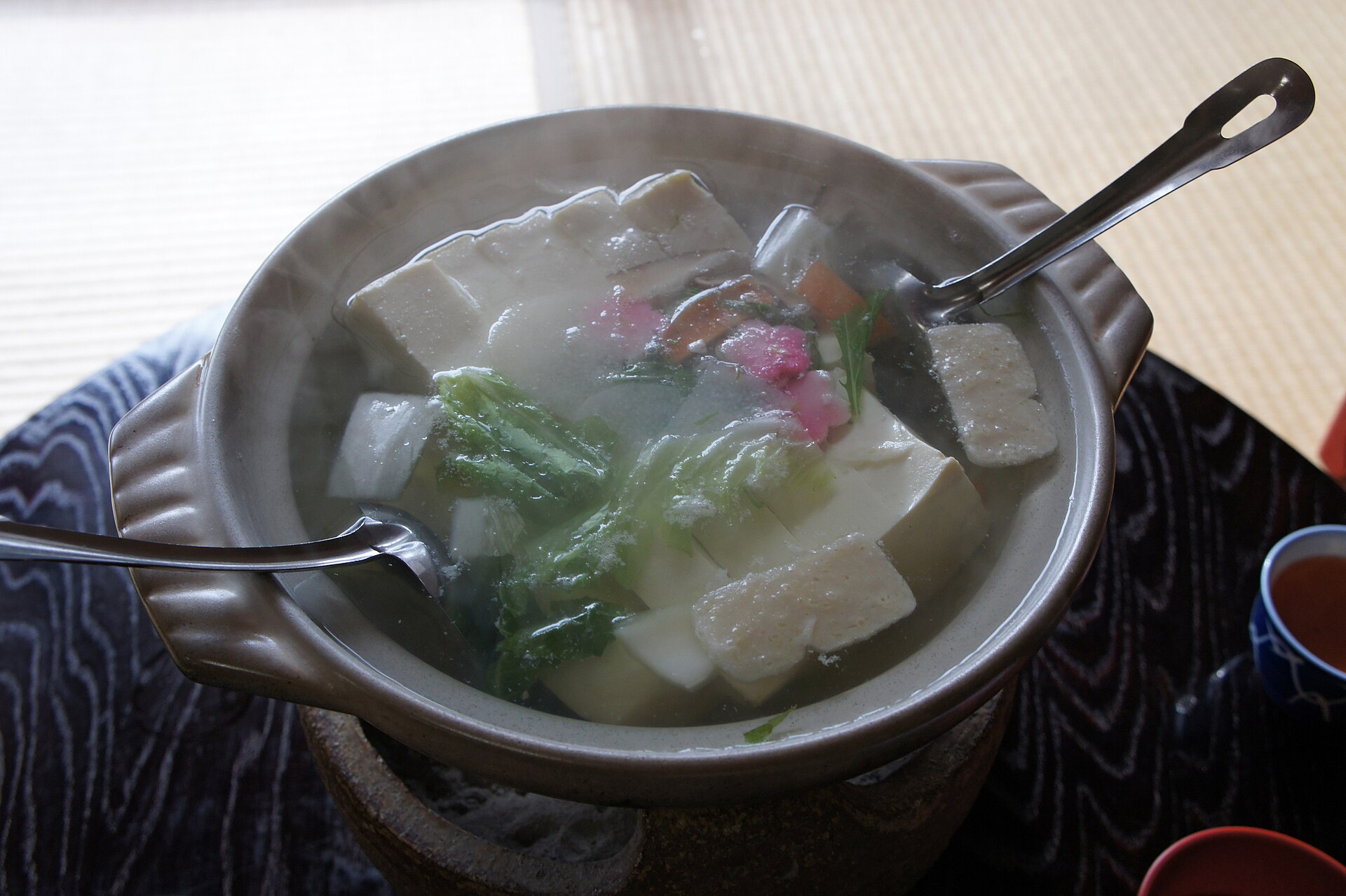
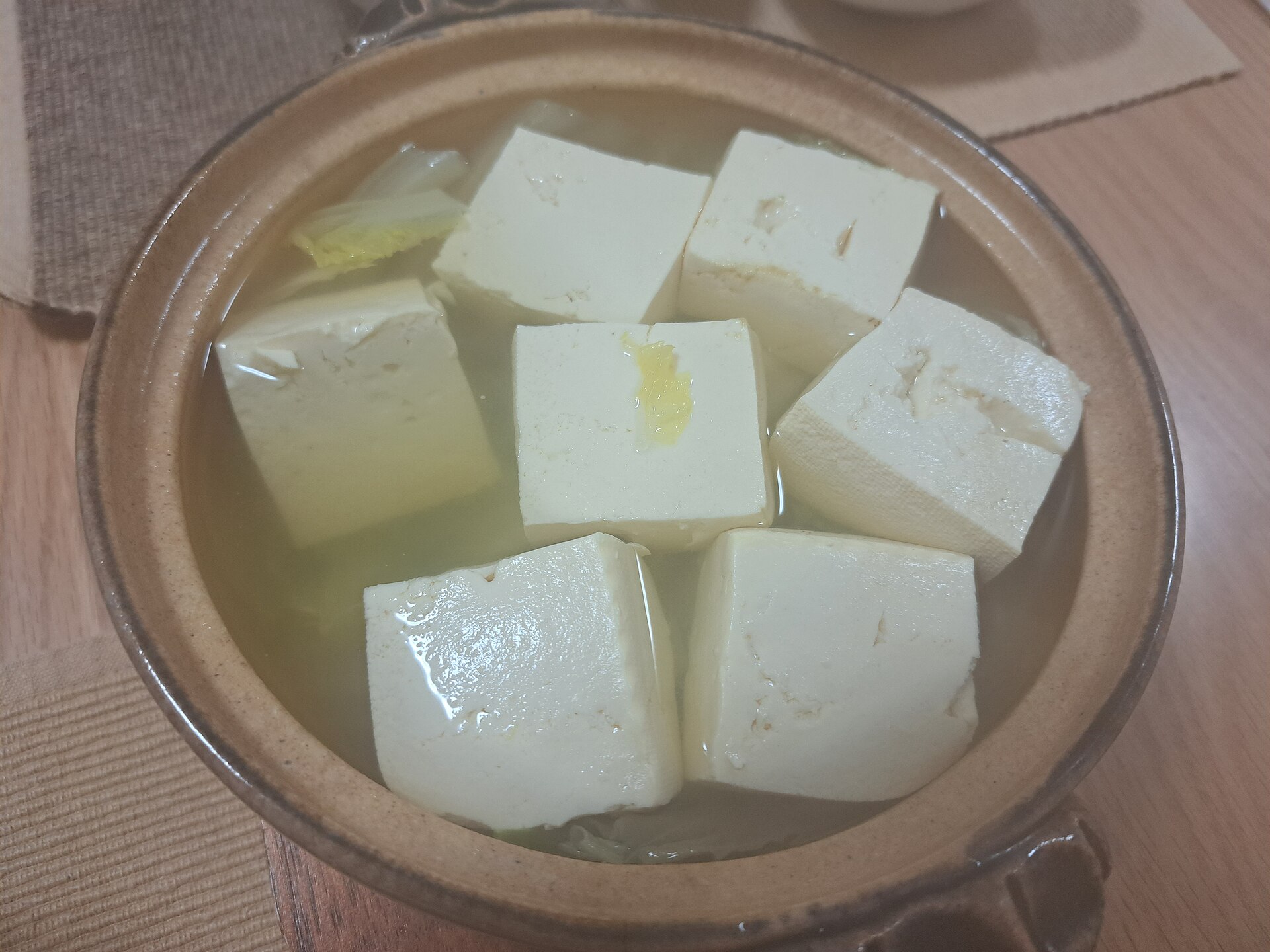
The photographs here are illustrations of yudofu, including a meal photographed at Ryoanji and a separate tofu pot. They are not Junsei course photographs and cannot identify its current ingredients. Use the restaurant's own menu and direct answers to choose your lunch. Ask about what each diner must order rather than assume one course can be shared or substituted freely.
Give the garden and meal a sensible place in the day
Allow for the meal, any wait and a comfortable transition to the next activity. If the garden setting is part of why you chose the restaurant, a lunch squeezed between fixed transport commitments may miss the point. Conversely, if you primarily need a fast meal, another format may suit the day better even if yudofu is on your Kyoto wish list.
Respect the restaurant's photography instructions and the people around you. A few discreet images are different from blocking a path or making other diners part of your content. The operator publishes its own restrictions; read them instead of assuming a photogenic garden is an unrestricted filming location. Enjoy the setting without making photography the requirement for a successful lunch.
Confirm the current restaurant rather than a historic queue
Recheck the current opening notice, course details and arrangement for your date. Keep the address and any confirmation together, and leave a practical fallback if service does not fit your plans. A worthwhile yudofu lunch is one you chose for its food, pace and setting, with the table process understood in advance. That is a stronger basis than expecting somebody else's prompt seating or hour-long wait to repeat exactly.
Research-based guide prepared by JAPANOVA. Traveler accounts are individual self-reports; comparisons are editorial analysis.
Facility and shop information
- Nanzenji Junsei — checked 2026-10-19
- Nanzenji Junsei — checked 2026-10-19
- Nanzenji Junsei — checked 2026-10-19