Tokoname is a good destination for travelers who want to spend time choosing an object rather than collect a souvenir at the last minute. Its pottery streets make browsing part of the outing. The practical challenge is to leave with something that fits your everyday life, your budget and your luggage. Start with a use you can describe, then let the town broaden your choices without turning every attractive display into a purchase.
Start with the job your pottery needs to do
If you want a teapot, think about the amount of tea you normally make, how you hold and pour a pot, and where you will wash and store it. If you want a small vessel, decide whether it is for serving, storage or decoration. Those questions help you compare objects with different shapes without relying on a shop's most photogenic display.
For a gift, ask the intended user about size and use before the trip if possible. A person who makes one small cup of tea has different needs from someone serving several guests. Do not buy an elaborate piece merely because it looks more traditional. An object that is comfortable to use can be a stronger reminder of the trip than something too awkward or fragile to leave its box.
Use the Pottery Footpath to browse before buying
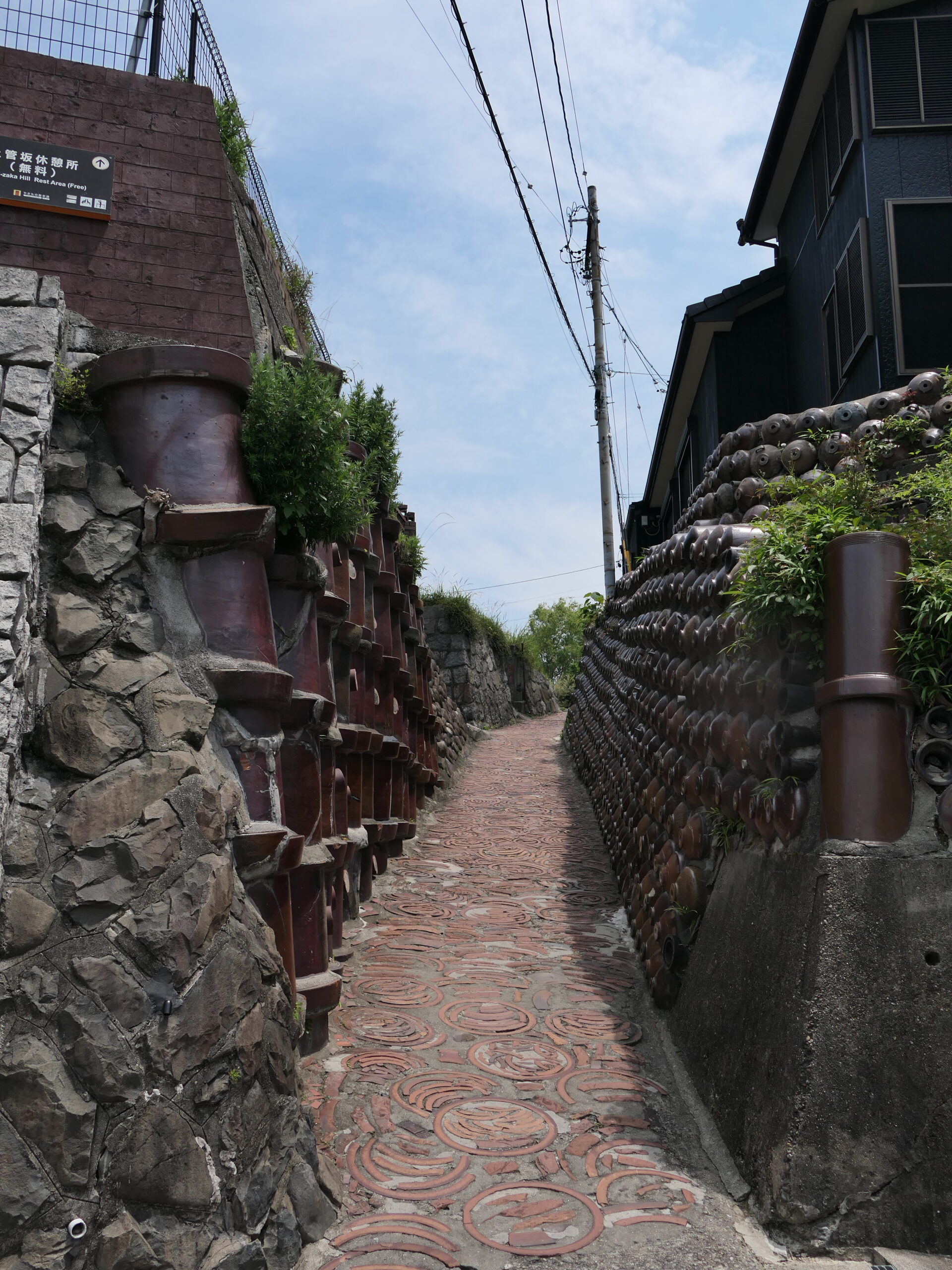
Tokoname's official tourism site identifies the Pottery Footpath as a central sightseeing area, with shops, old kiln scenery and walking routes. It also distinguishes the shorter established circuit from a longer museum-focused option. Treat the route as a framework rather than a promise that every shop is open when you arrive. Identify any particular business you hope to visit and check it directly.
Start by orienting yourself with the current map and noting how you will return to the station. Browse a few places before deciding what you want to carry. If a piece catches your eye, ask whether it can be held briefly while you finish looking, rather than assuming this is possible. Shop staff are better placed than a generic town map to explain stock, purchase conditions and the actual piece in front of you.
How two buyers chose useful household pieces
Chiaki's October 2023 account, describing a visit the previous year, records a deliberately limited purchase: one small modern teapot despite wanting more. The variety of shapes and other vessels surprised a visitor who had mainly associated Tokoname with teapots. Yukako Yamaguchi's September 2026 essay recalls a trip two years earlier and choosing small jars that suited salt and other everyday kitchen uses.
Both connect the souvenir to use after the holiday, while their priorities differ: controlling the number of purchases versus finding a size and shape that solved a household problem. Yamaguchi also reports that her jar was later discontinued; that is not a current stock check. JAPANOVA's inference is to buy the specific piece you understand, rather than promise yourself you can always order an identical replacement later. Two buyers do not establish typical prices or shop quality.
Ask about the maker and the individual piece
When provenance matters, ask who made the piece and where it was produced. Keep the maker's card, product label or receipt if provided. Buying in a pottery town does not by itself establish the origin of every item sold there. A clear explanation is more useful than filling gaps with assumptions about what must be local or handmade.
With permission, examine the rim, handle, lid fit and base. Ask whether visible differences are part of the intended finish and whether the item meets your intended use. Do not test a pour or handle delicate stock without being invited. If a lid or another component needs replacing later, ask about that before paying; practical support can matter more than adding another decorative feature.
Discuss care for the exact item. Ask about food use, cleaning, drying and any heat or appliance restrictions. The appropriate guidance for one vessel should not be automatically applied to another. If you cannot get a clear answer about an essential requirement, choose a different object or a different use. A souvenir should not create a guessing game in your kitchen.
Separate making a pot from taking one home
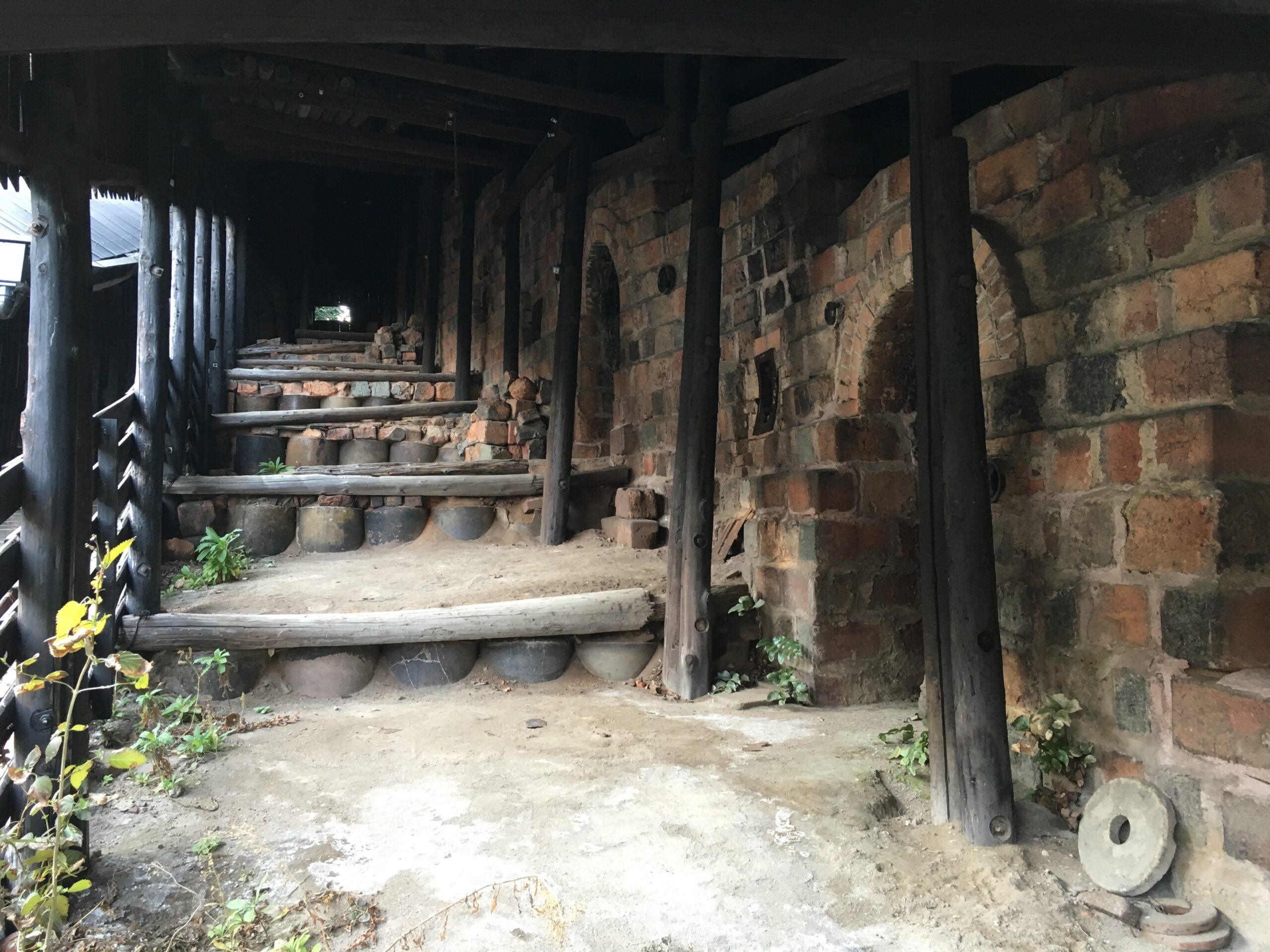
The tourism site lists pottery experiences as well as retail shopping. These are different commitments. For a class, confirm what you make, how long the session takes, what subsequent finishing is necessary and how the final object reaches you. Do not assume a piece made during a short visit is ready to pack that afternoon.
Ask about overseas delivery, its total cost and the arrangement if an item is damaged or cannot be delivered to your address. If the timetable or shipping does not suit your trip, buying a completed piece may be simpler. Conversely, someone primarily interested in the process may value the session more than the object. Make that choice before comparing fees, because the two options are providing different things.
Pack the purchase before planning another stop
Ask the seller for suitable protective packing and inspect how the lid, spout or handle is protected. Consider the packed size, not only the object on the shelf. Keep it away from heavy items and reserve space in your luggage before adding another fragile purchase. Shipping should be a confirmed service with an actual destination and cost, rather than an assumption made while standing at checkout.
Leave time to carry the purchase comfortably and reach your onward transport. A longer circuit with several bags is a different outing from a short browse with empty hands. The best Tokoname shopping plan ends with a piece you can identify, care for and bring home sensibly, while still leaving enough attention to enjoy the town that helped you choose it.
Research-based guide prepared by JAPANOVA. Traveler accounts are individual self-reports; comparisons are editorial analysis.