The Tateyama Kurobe Alpine Route is a mountain transport journey whose scenery and practical requirements change as you move through it. An autumn visit should begin with the operating calendar and your intended endpoint, not a promise that every stop will show peak color. Decide whether you want to cross between prefectures, return to the same base, or stay on the route before committing to accommodation on either side.
- Check the operating season before choosing accommodation
- Pick a crossing or a return journey
- What two autumn trips reveal about pace
- Use the timetable for your actual date
- Pack for the mountain rather than your city hotel
- Keep a lower-altitude alternative and a clear exit plan
- Facility and shop information
Check the operating season before choosing accommodation
The operator's announcement gives April 15 through November 30 as the 2026 operating period. That makes the route a seasonal option rather than a year-round shortcut between Toyama and Nagano. Do not plan a December sightseeing crossing because a map draws a continuous line through the mountains. Future seasons need their own published announcement; this year's dates are not confirmed dates for another year.
An operating period also does not guarantee uninterrupted service on your particular day. Check the operator's current notices and mountain conditions close to departure. If the crossing is essential to reaching a prepaid hotel, identify a separate conventional transport alternative and understand its implications. Keeping the mountain outing optional is often easier than making your entire onward journey depend on it.
Pick a crossing or a return journey
A through journey has a clear advantage when you genuinely want to finish on the opposite side. Its disadvantage is that your possessions and next booking must work with that direction. A return outing can simplify the hotel arrangement, although it repeats transport and still requires a realistic turnaround. Do not compare only the headline ticket price while ignoring transfers before the first mountain service and after the last.
For an overnight option, contact the actual lodge about its operating dates, arrival arrangements, meals, luggage and the walk from the transport stop. A lodge stay adds mountain time, but also adds obligations. An old travel blog mentioning a hotel does not prove that it still accepts guests. Keep a confirmed reservation and an achievable arrival plan separate from general inspiration about sunsets or hot springs.
What two autumn trips reveal about pace
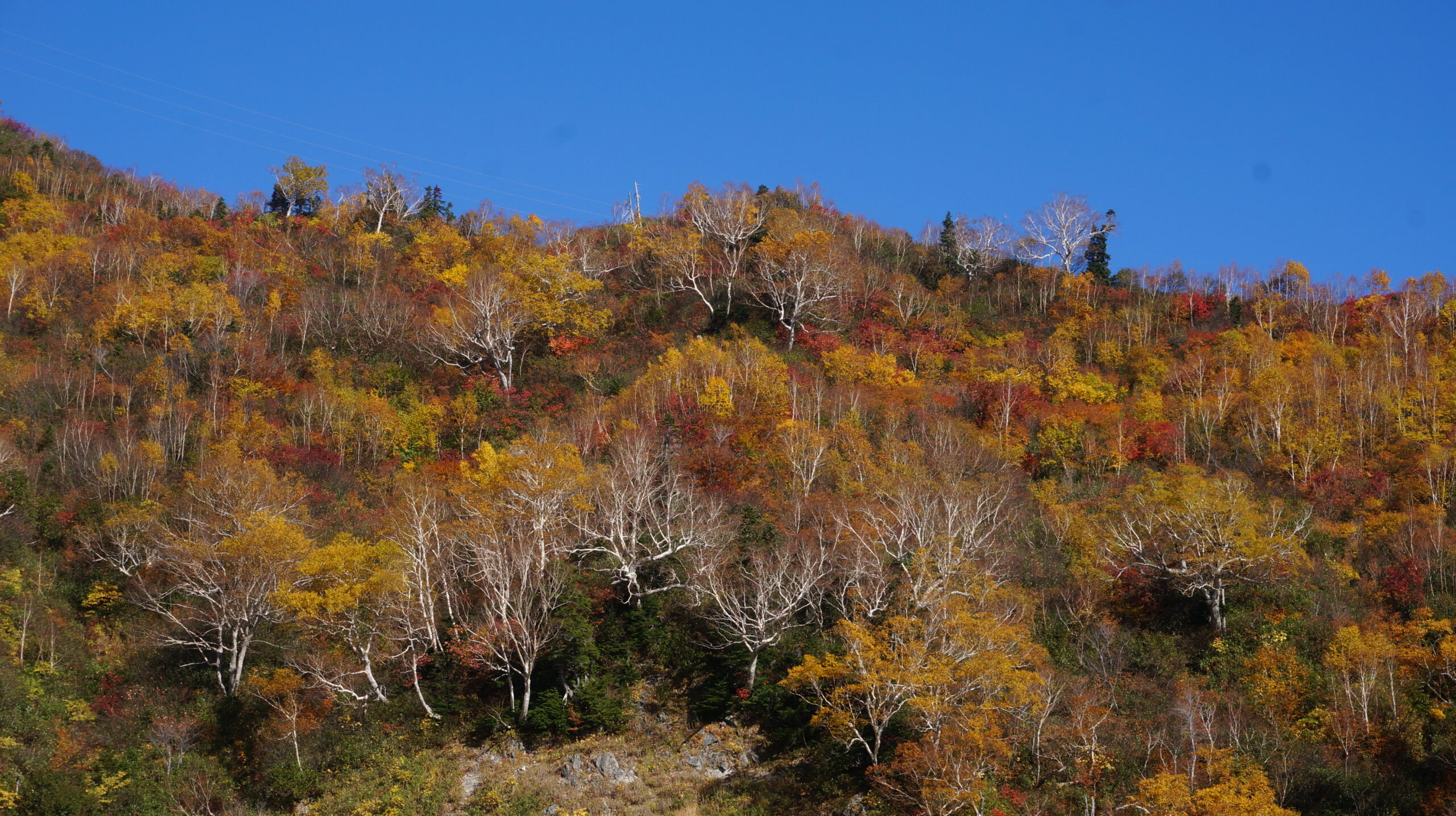
Audrey Bergner describes an October 16 crossing with changing scenery, especially colorful ropeway views. Her party skipped an extra boat outing to protect their onward journey. Genobear's separate account, published in September 2026, recalls a third-week-of-October trip with their mothers, a lodge stay and substantial tiredness by the time they arrived. The precise visit year in that narrative is not established here.
Both enjoyed the transport and landscape, while the day structure differed. One protected a same-day endpoint; the other gained an overnight stay but still encountered fatigue. These are self-reports, not evidence of typical stamina or guaranteed foliage dates. JAPANOVA's recommendation is to choose one main outdoor stop, retain transfer buffers, and assess an overnight stay by its practical demands as well as its appeal.
Use the timetable for your actual date
The official timetable page separates the main 2026 schedule through November 3 from the November 4–30 schedule. Select the version matching your date and direction. Write down the first departure you need, your latest sensible departure from the main stop, and the final connection beyond the mountain route. A saved summer timetable is not sufficient for a late-autumn outing.
Treat waiting, boarding and walking between transport segments as part of the day. The time a vehicle spends moving is not the complete time needed at that stage. If you pause for food or photographs, check what that does to later connections before adding another walk. Keep a shorter version of the day available so a delay does not turn into a rushed final descent.
For luggage, confirm the current forwarding or storage service directly, including the date it operates, accepted bags and collection point. Do not carry forward an old blog's price or seasonal cutoff. If forwarding is unavailable, consider leaving large bags at a suitable base or arranging a separate onward delivery. Resolve the bag plan before buying a direction-dependent ticket, rather than discovering it at the first queue.
Pack for the mountain rather than your city hotel
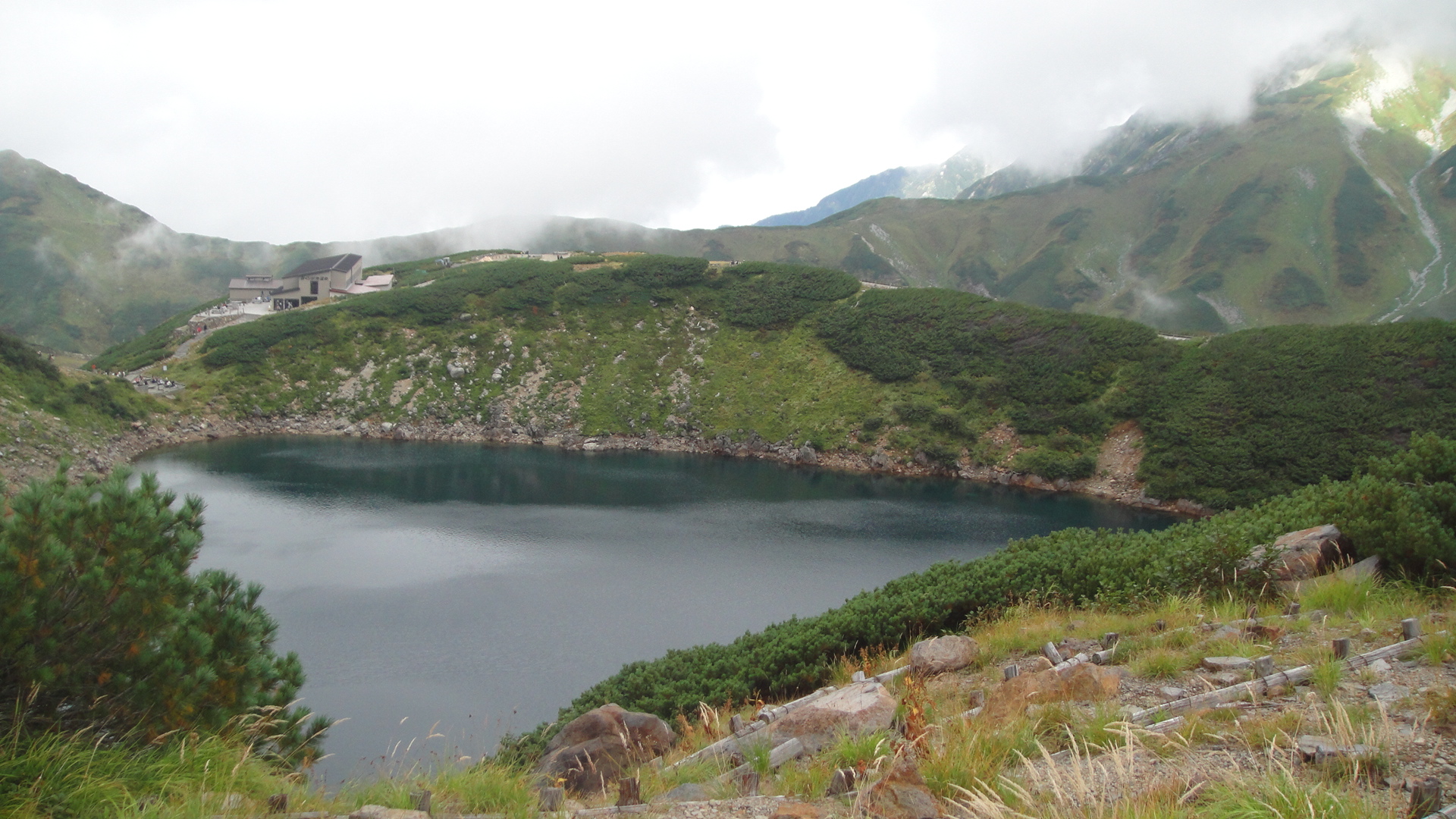
The experience accounts show why an autumn city forecast alone is inadequate preparation. Bring layers and weather protection suitable for the actual mountain forecast, plus footwear appropriate to the conditions and any walk you choose. Food, water and a charged phone deserve space in your day bag. Ask staff about current walking conditions rather than treating a clear path in an old photograph as today's surface.
Foliage is an elevation-dependent reason to travel, not a single date you can reserve. A higher stop may be past its color while lower slopes remain attractive, and snow can change what is sensible on foot. If walking conditions exceed your preparation, shorten the outing and enjoy what is safely accessible. A sightseeing ticket does not make a mountain trail suitable for everyone.
Keep a lower-altitude alternative and a clear exit plan
Before the trip, identify a city-based or lower-altitude day you would actually enjoy if mountain conditions are unsuitable. Compare cancellation deadlines while bookings are still flexible. The purpose is to preserve a worthwhile holiday, rather than force one scenic crossing to justify earlier spending.
On the day, make the final decision using live notices, the correct timetable and your group's energy. Leave an optional stop out when it starts competing with the exit plan. An autumn Alpine Route trip works best when its changing scenery is welcomed as part of the journey and its operating limits are treated as real planning boundaries.
Research-based guide prepared by JAPANOVA. Traveler accounts are individual self-reports; comparisons are editorial analysis.
Facility and shop information
- Tateyama Kurobe Alpine Route — checked 2026-10-19
- Tateyama Kurobe Alpine Route — checked 2026-10-19