Hakata Machiya Folk Museum offers three different reasons to spend time or money: learn about the neighborhood, choose a finished craft gift, or make something yourself. Decide which matters most before choosing a date. A short visit and a booked workshop do not require the same time commitment, and an old blog's souvenir-shop closure no longer describes the current setup. This guide helps you choose the purchase or experience that fits your own Fukuoka day.
Separate looking, buying and making
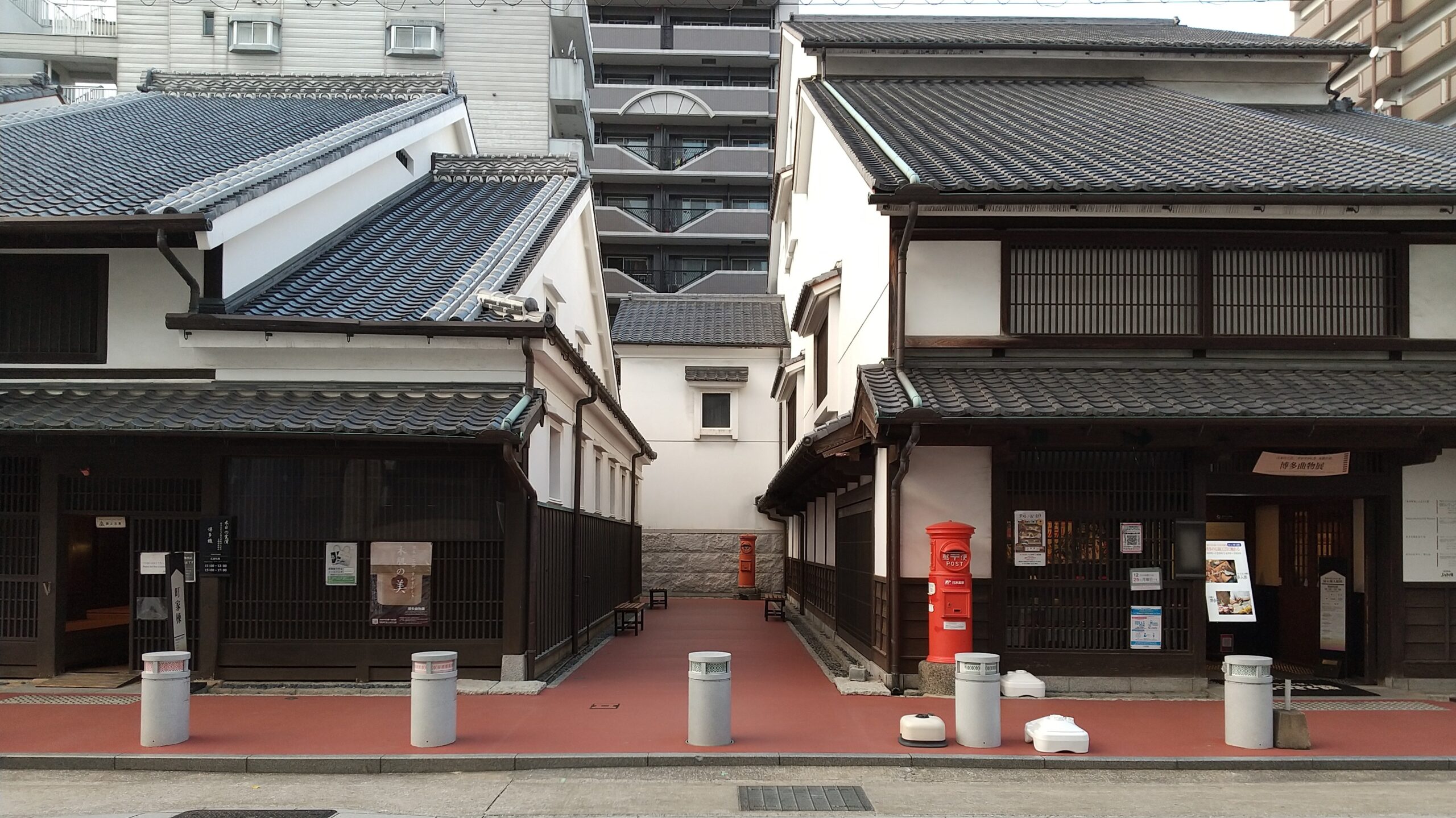
If you want context before shopping, begin with the exhibition and the restored machiya rather than heading straight for a product display. If your aim is a gift, decide whether the recipient would prefer something decorative, wearable or useful at home. If making the object is the point, organize the workshop first and let browsing fill the time around it.
A handmade souvenir can be appealing for different reasons: the maker's work, the material, the design or the memory of taking part. Those do not all require the same purchase. You can appreciate a demonstration without buying the largest item afterward. Equally, a finished piece chosen carefully may suit someone better than a workshop object they do not actually want to make. Decide what the spending is meant to achieve.
Use the current facility, not a renovation-era report
The museum's official site describes an exhibition building, a restored machiya and a product building with visitor information, cafe and retail functions. It identifies the current hakatakara retail and cafe area as a spring 2025 addition. A January 2025 traveler's report that the souvenir shop was under renovation is a historical observation, not evidence that the current shop is closed.
General exhibition admission is currently listed at JPY 200, with opening from 10:00 to 18:00 and final entry at 17:30. The regular closure is the fourth Monday, or the following working day when that Monday is a holiday. Check current notices before fixing a workshop or shopping visit around those hours. The exterior photographs are from November 2023 and cannot show the later retail arrangement or today's stock.
Choose the craft day and confirm the actual price
The current experience page assigns doll painting to Friday through Monday, papier-mache painting to Tuesday, spinning-top painting to Wednesday and a wooden accessory-case activity to Thursday. The first three list JPY 2,200 per participant including admission; the wooden case is different, at JPY 3,700. Do not carry forward a historical diary's JPY 1,000 workshop price or assume every craft costs the same.
The published morning and afternoon working windows are 10:00–11:30 and 14:00–15:30. Consult the actual calendar and reservation instructions for your chosen date. Requests for different times, different weekdays or groups of six or more need an arrangement that is confirmed by the museum's reply. Do not interpret sending a request as a confirmed booking, or an afternoon opening time as permission to arrive at the last minute.
Two personal accounts explain the difference in commitment
Writer T's January 2025 visit on Tabimegamin describes enjoying the Yamakasa film and a neighborhood guided walk, while finding the shop's renovation disappointing. A separate February 2015 first-person account by local guide 永田浩光 describes painting a doll with his wife, valuing patient instruction and the satisfaction of completing their own designs. The second writer is a guide-association contributor, so that account is not an unaffiliated consumer rating.
Both accounts find value in learning about Hakata rather than simply passing through a shop. They differ in the type of participation: a broad introduction and walk versus focused craft work. JAPANOVA's conclusion is to protect workshop time if making is your goal, but keep a shorter exhibition-and-browse plan when flexibility matters. These historical accounts do not establish today's instructor, timetable, availability or the likely quality of your finished object.
Check what can leave in your bag
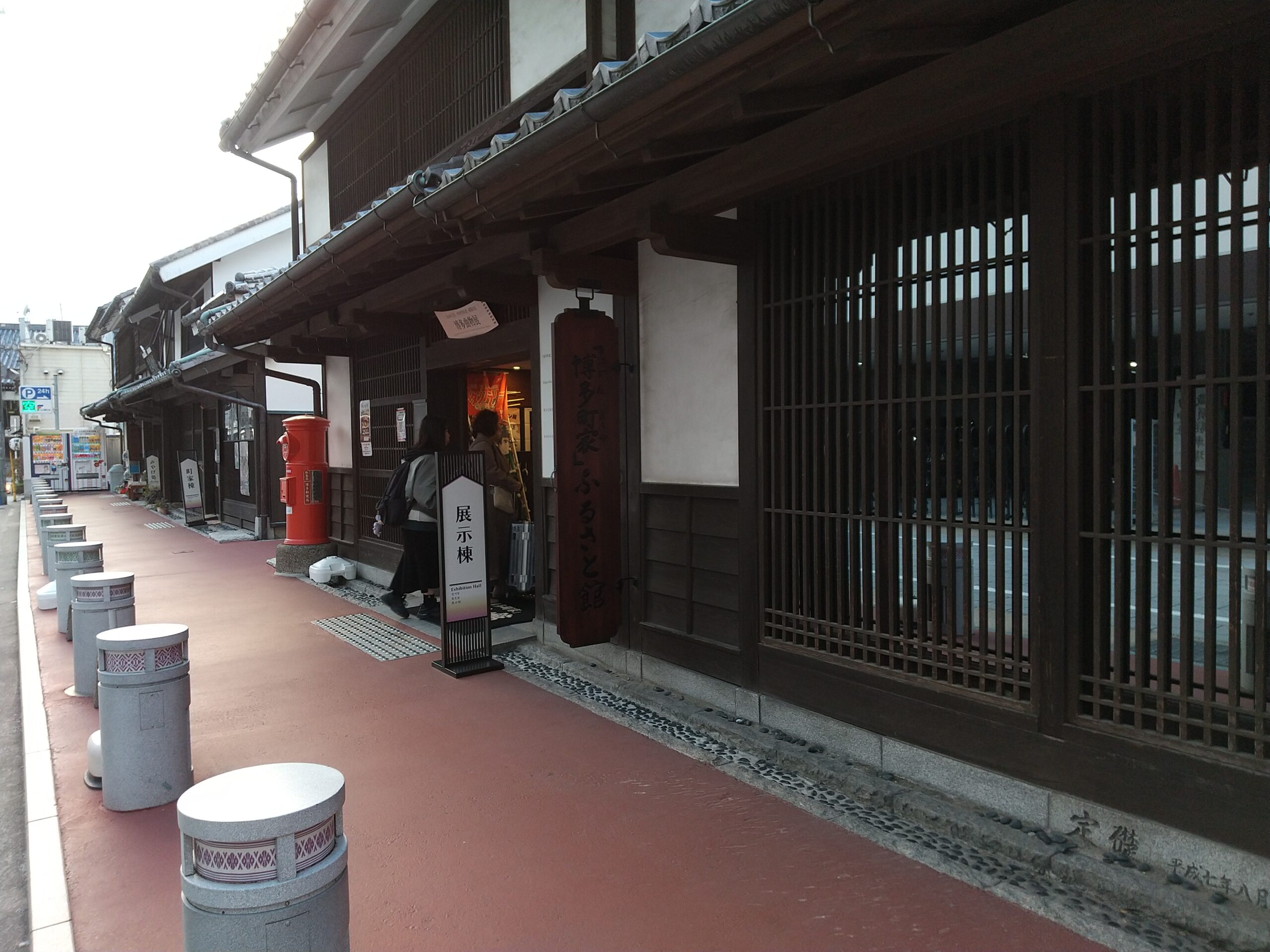
For a finished purchase, ask about the maker, material and care rather than assuming everything in a museum shop is made by the demonstrator you have just seen. Compare the actual object and packaging before paying. For a workshop item, confirm when it can be handled and taken away, especially if your next stop requires carrying it through a crowded station or onto a plane.
There is also a lower-commitment option: the official site lists weaving demonstrations and opportunities to try weaving without a reservation or fee, subject to the craftsperson's work and other visitors. It is not a guarantee that everyone can participate immediately. Ask politely and be willing to watch instead. Check photography permissions for the specific space and activity; the public-street exterior images here do not grant permission to photograph exhibited works or other participants.
Give one clear purpose to the stop
Choose a short exhibition visit when you want a neighborhood introduction and room to change your afternoon. Choose shopping when a finished gift is the main task and you have a realistic carrying plan. Choose a workshop when you want to spend part of the day making an object and the correct craft is actually available. Combining all three can work, but should be a choice rather than a default list of things to buy.
Before reserving, save the current craft page, calendar and access details. Ask about any language or accessibility requirement that affects your participation, and wait for confirmation when your arrangement needs a reply. Keep enough time afterward for packing and onward travel. A useful craft visit leaves you with a better understanding of what you chose, whether you leave with one small purchase, something you made or simply more context for the rest of Hakata.
Research-based guide prepared by JAPANOVA. Traveler accounts are individual self-reports; comparisons are editorial analysis.
Facility and shop information
- Hakata Machiya Folk Museum — checked 2026-10-19
- Hakata Machiya Folk Museum — checked 2026-10-19
- Hakata Machiya Folk Museum — checked 2026-10-19