Eiheiji is not simply a scenic stop where a meditation class can always be added at the end. Walking through the monastery buildings and taking part in day zazen are different uses of your time. Decide which matters most before building the rest of your Fukui day around a bus departure or another attraction. A short visit can be worthwhile, but a rushed attempt to do everything changes the experience.
Decide whether you want to observe or participate
Choose an ordinary visit if your main interest is the buildings, their connected spaces and the setting. Consider day zazen if you want to follow an instructed practice and are prepared to concentrate on that activity. Neither choice requires pretending that you already understand Zen. Participation is an invitation to follow the temple's arrangements, rather than a performance for a travel photograph.
For a mixed group, discuss the difference before arrival. Someone who wants an architectural visit may not want to spend part of it in a session; someone interested in sitting may value that more than an extended photographic circuit. Agree on a meeting arrangement where permitted, and do not assume everyone needs an identical itinerary for the visit to work.
Give the temple buildings their own time
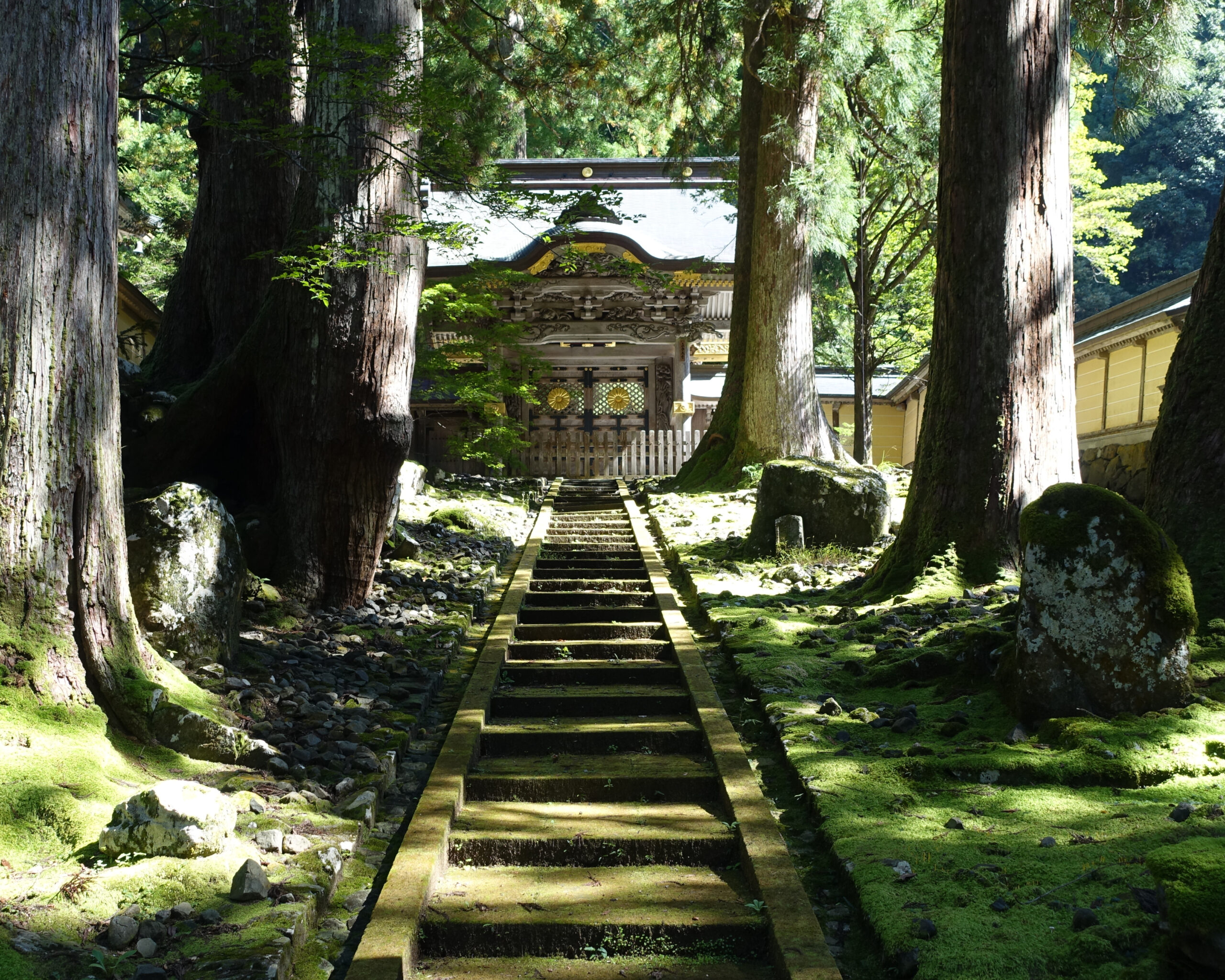
The monastery's visitor page currently lists opening from 8:30 to 16:30 and asks visitors to arrive by 16:00. Its FAQ gives a general visit estimate of just under an hour. Treat that as orientation rather than a stopwatch target. Your reading pace, interest in details and ability to manage stairs will affect the time you actually need.
Set a departure limit that includes finding your exit, collecting belongings and reaching your onward transport. Arriving just before the last-entry guidance is a poor fit for someone whose main interest is lingering over the buildings. If the schedule is tight, simplify the day's other stops instead of deciding in advance that the monastery must fit a particular number of minutes.
What two visitors learned about time and attention
A September 2026 visitor, HINOTOA, reported spending nearly two hours inside while taking photographs. A separate January 2025 account by nfuf describes a first day-zazen experience: following the instructions was worthwhile, while posture and distraction proved harder than anticipated. These reports address different activities, so they are not competing estimates for the same circuit.
Both suggest that attention takes time. The first visitor's pace expanded the building visit; the second found that participation involved more than simply sitting still. JAPANOVA's inference is to budget the session and sightseeing separately. Neither account establishes how you will feel, how many people will attend, or whether a specific session will operate. No personal visit by JAPANOVA is implied.
Check the day-zazen arrangements separately
The current experience page describes day zazen as approximately fifty minutes including instruction. It lists sessions at 10:00, 13:30 and 15:30, with registration at least five minutes beforehand and no advance reservation for this day program. Temple circumstances can cause cancellation. Reconfirm the page close to your visit rather than treating a historical participant's timing as today's program.
Build in more than the minimum registration margin so you can find the correct reception and understand the instructions. Ask about the current donation and any practical requirements before committing. Overnight training is a separate arrangement with advance booking; it should not be confused with buying an ordinary hotel night or joining a day session. Choose the program deliberately, rather than assuming that one booking covers the others.
Prepare for corridors and stairs
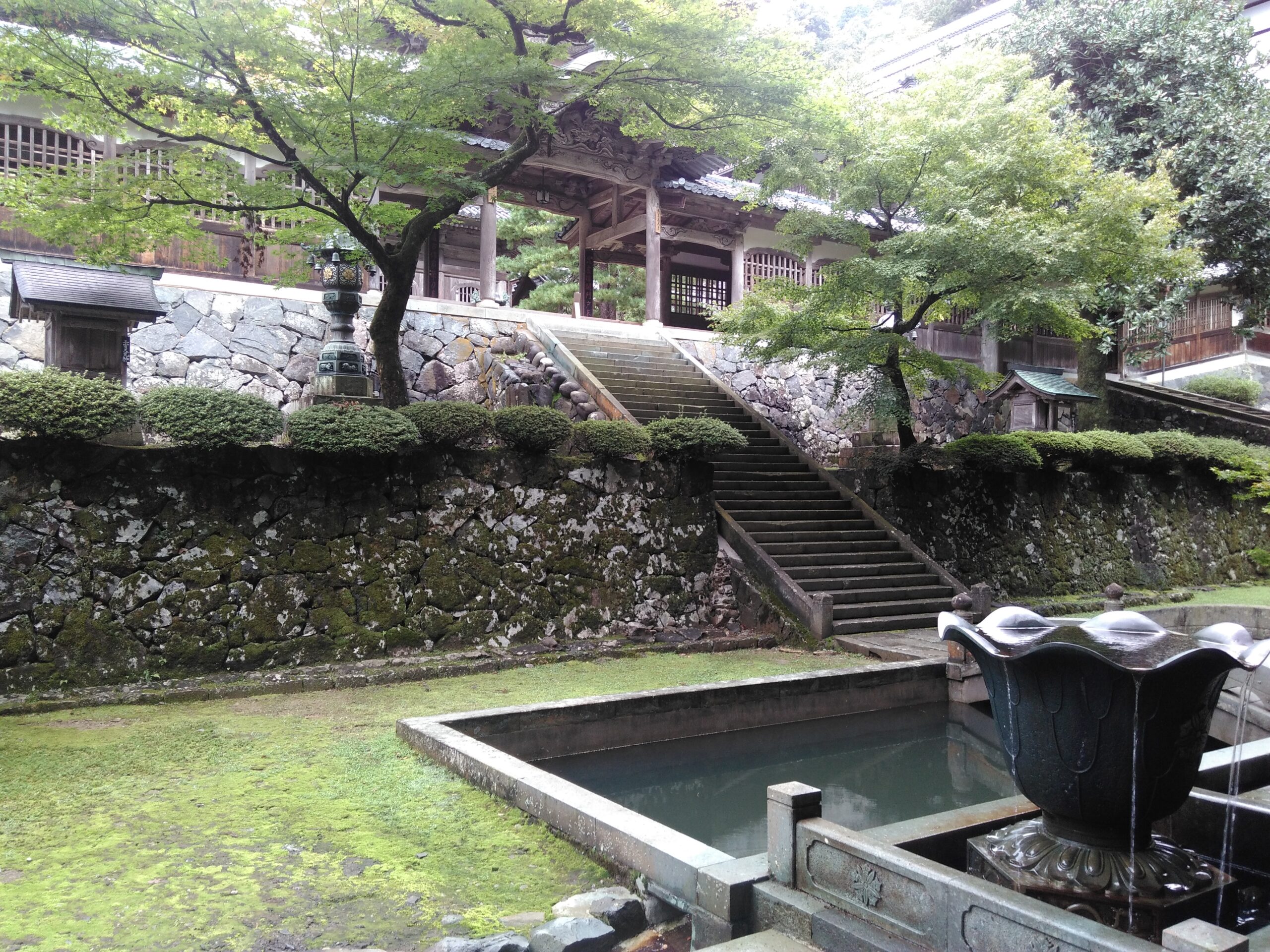
Connected covered corridors make the building visit different from an entirely outdoor temple walk. They do not remove its physical demands. The monastery identifies numerous stairs and limits wheelchair access to particular areas. It also says strollers cannot be taken through the interior route. Contact the temple about the exact access your party needs rather than interpreting a general accessibility label as a promise of a complete circuit.
Carry only what you can manage comfortably while following the site's instructions. Leave room in your plan for taking a break or shortening the route. Keep voices and camera use appropriate to the notices and activity around you. A functioning monastery deserves attention to its present use, not just the age or appearance of its buildings.
Keep lunch and the return journey outside the session
The temple FAQ does not offer meal-only shojin cuisine inside the monastery. Plan any restaurant meal in the surrounding temple town and check the restaurant you actually intend to use. Do not make a lunch promise based on an overnight participant's account of meals served during training.
Before leaving for Eiheiji, settle three decisions: the building visit or a session as your priority, the latest sensible time to finish, and a meal and transport plan afterward. That creates a visit with a clear purpose. Extra time can then become a chance to look more carefully, rather than an excuse to add an activity whose requirements you have not checked.
Research-based guide prepared by JAPANOVA. Traveler accounts are individual self-reports; comparisons are editorial analysis.
Facility and shop information
- Daihonzan Eiheiji — checked 2026-10-19
- Daihonzan Eiheiji — checked 2026-10-19
- Daihonzan Eiheiji — checked 2026-10-19