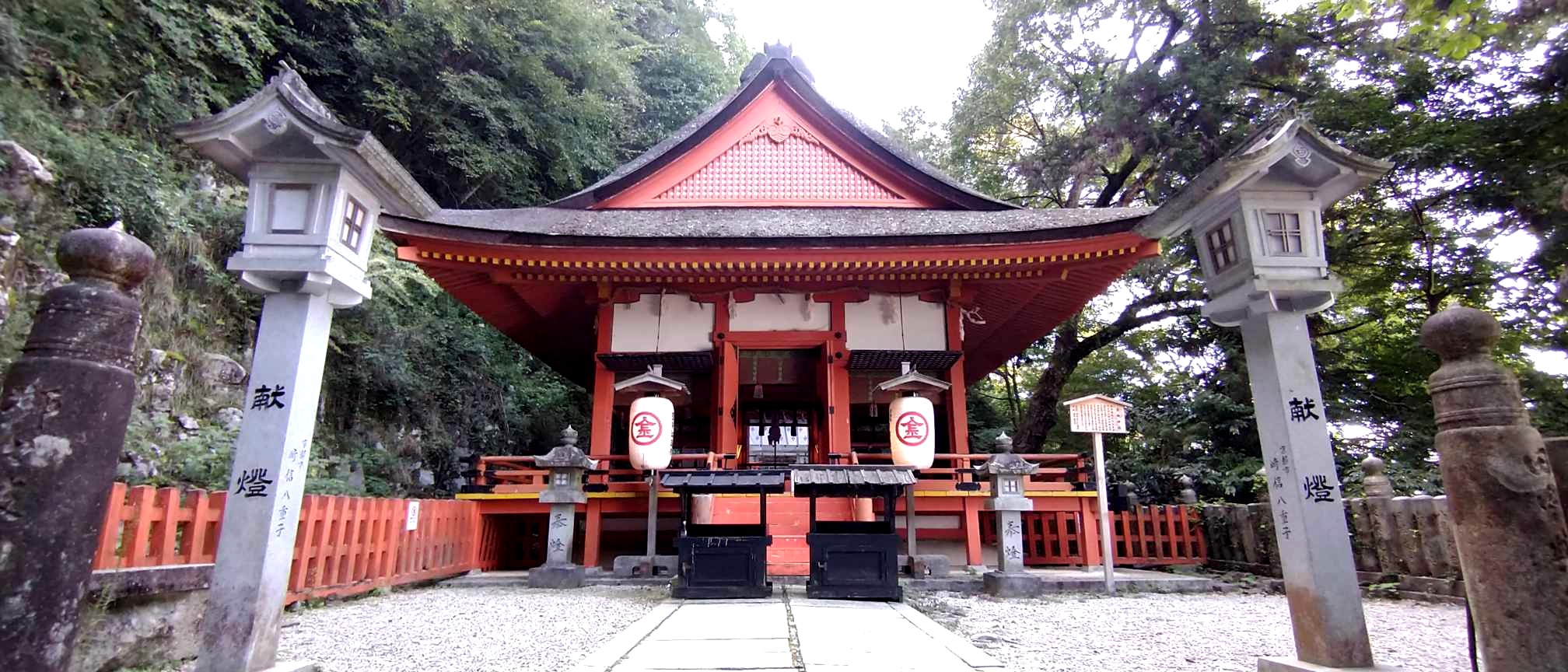
Kenrokuen can be the focus of a Kanazawa morning rather than a photograph squeezed between other stops. The main choice is whether you want a short visit during the special early-access period or a regular visit that fits tea, slower exploration and the surrounding city. Those visits follow different rules. A story about a free dawn walk should not be read as a promise of an all-morning visit without admission.
Choose early access or a regular garden visit
The garden management's English guidance describes seasonal early access with limited gates and a compulsory departure before regular opening. Regular opening hours also change seasonally. Check the date-specific information before setting an alarm, and distinguish the beginning of early access from the start of the normal paid day.
Early access fits a traveler who is happy to take a limited garden walk and then leave for breakfast. Regular admission is the better comparison when you want a more flexible arrival or to combine the visit with services that open later. Confirm the current admission amount and any concession or combination-ticket conditions directly. A cheaper entry is not automatically a better visit if its timing defeats the reason you came.
Save the correct entrance before sunrise
The official guidance identifies Renchi-mon and Zuishinzaka as the early-access entrances and requires visitors to leave fifteen minutes before normal opening. Do not walk to an arbitrary garden gate because it is nearest on a general map. Save the named entrance and a route from your accommodation before leaving, especially when you will be navigating in low light.
Arrange the next part of the morning too. If you want to return after regular opening, check the applicable admission arrangements instead of assuming that an early entry lets you remain inside. A dawn plan also needs breakfast, transport and rest to work for your party. It should improve the day rather than turn the rest of it into a recovery exercise.
Two garden visits with different conditions
One traveler writing in 2023 recalled a particularly quiet winter early-access visit with snow. A separate July 2019 trip reporter described going after waking, appreciating shade on a hot day, exploring for more than two hours and stopping for tea. These are different seasonal and personal experiences. Neither provides a reliable forecast of the crowd or weather during your stay.
Both accounts suggest allowing attention for the garden itself. The winter account emphasizes the early atmosphere; the summer account shows the value of time and a pause. JAPANOVA's inference is to choose the experience you actually want before choosing the lowest admission cost. Quiet is not guaranteed by an early alarm, and a snowy historical photograph cannot establish whether paths will be clear or snow-covered on your visit.
Make a small route inside the garden
Use the official park map to connect the entrance, the views you most want to see and the exit that supports your next stop. Pick a few places to linger rather than treating every map label as compulsory. Repeating a short section from another angle can be more rewarding than rushing to an unseen corner purely to complete a circuit.
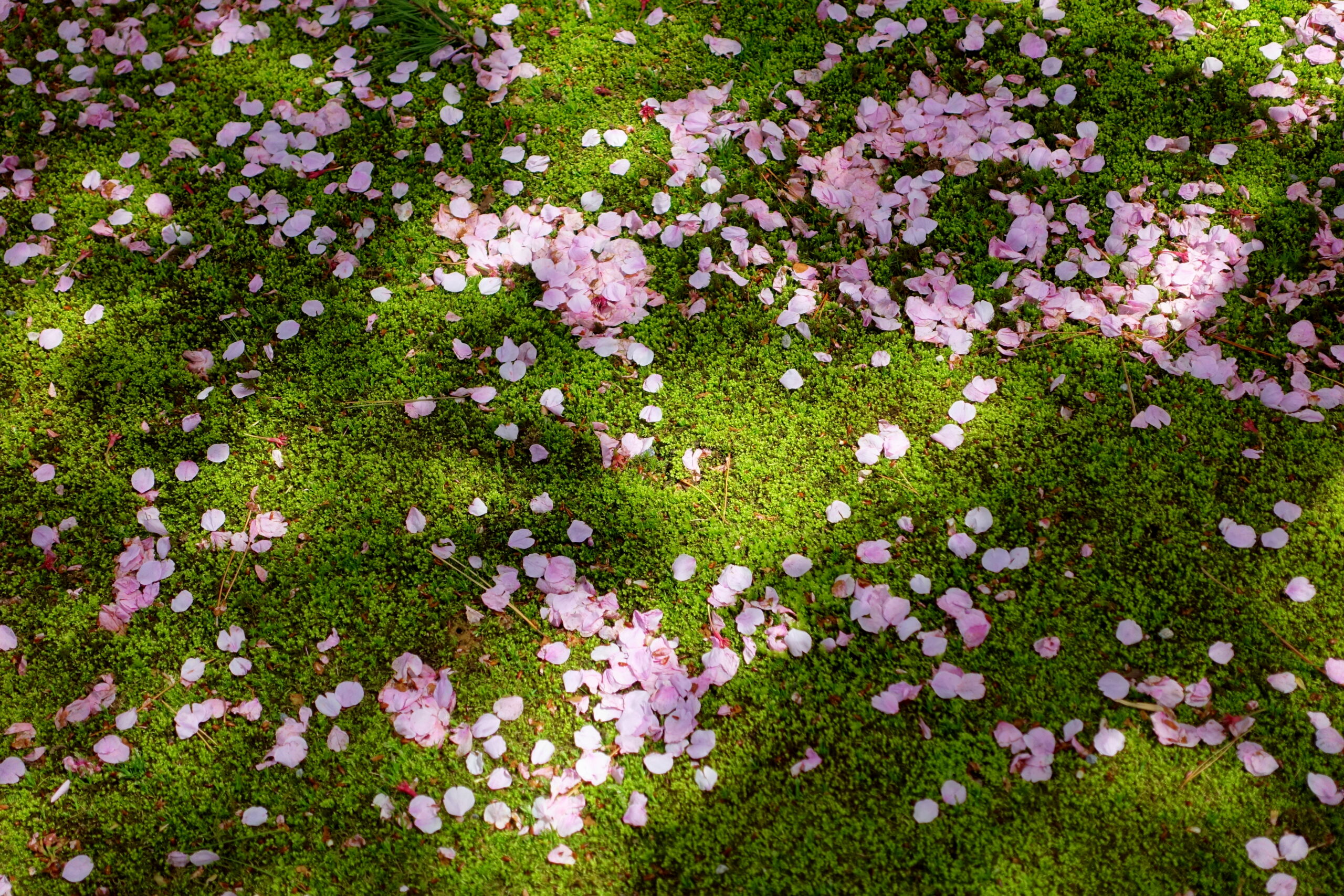
Do not step into moss or planted areas to improve a photograph. Keep your route on permitted paths and leave room for others to pass. If stairs, slopes or slippery surfaces affect you, review the terrain and assistance information rather than interpreting a garden visit as uniformly easy walking. The management specifically notes slopes in its wheelchair guidance; a map distance alone cannot describe the effort required.
Add tea or the castle only deliberately
Shiguretei's published hours are separate from the early-admission window. If tea is a priority, check its current operating day, last entry and the arrangement you want. A visitor's old tea stop is evidence of that experience, not confirmation of today's service or availability. Do not plan a dawn walk around a tea house being ready at the same time.
Similarly, the garden and Kanazawa Castle Park are separate places with their own areas and admission arrangements. Decide whether the next activity is a full visit or simply a walk onward. Leave a meal window instead of treating breakfast, tea and lunch as interchangeable gaps between attractions. You can build a satisfying morning with one main visit and one optional addition.
Plan around the weather you actually get
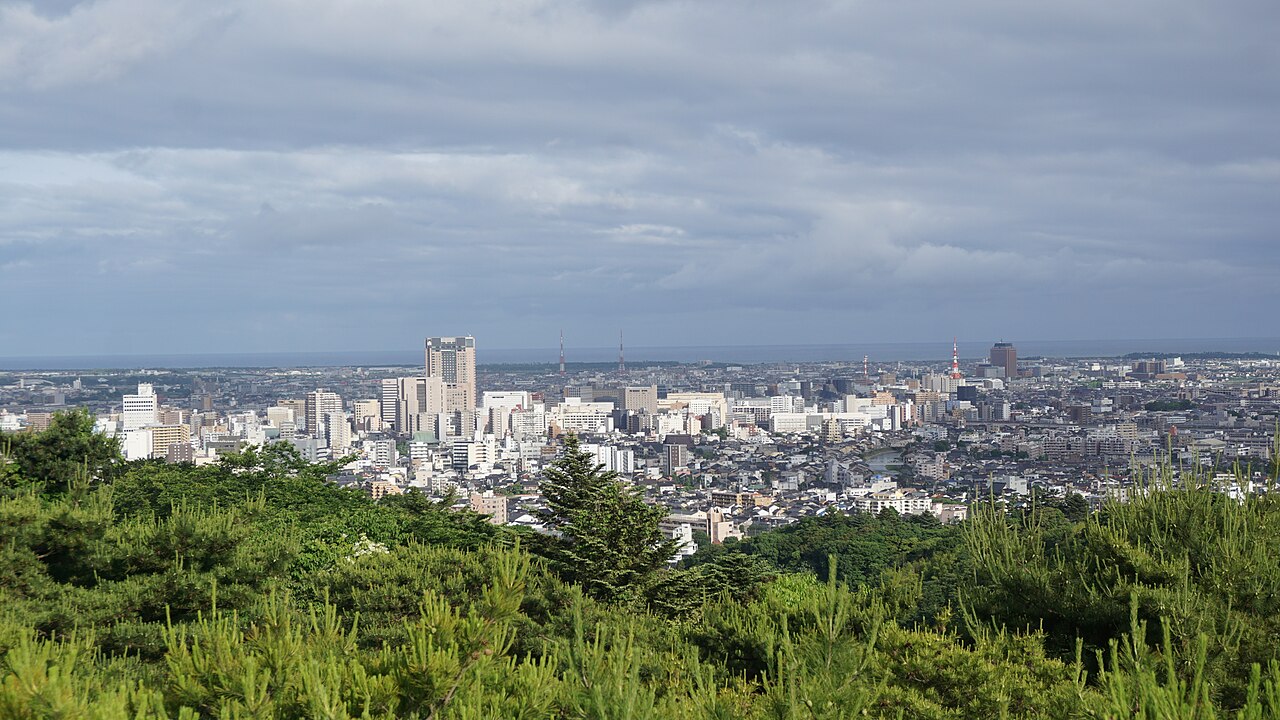
Check the forecast and management notices shortly before going. Choose footwear for the expected surfaces and carry the clothing your own conditions require. If the weather undermines the plan, shift the garden within your stay where possible rather than copying a calendar recommendation as though it guarantees flowers or foliage.
The photographs here show particular historical details, including fallen petals on moss, not a seasonal promise. For your final decision, confirm the opening window, correct gate, required exit and the activity that follows. Then protect enough time to enjoy the garden without needing every part of someone else's morning.
Research-based guide prepared by JAPANOVA. Traveler accounts are individual self-reports; comparisons are editorial analysis.
Facility and shop information
- Ishikawa garden management — checked 2026-10-19