The Historical Village of Hokkaido is a good Sapporo outing when you want to look closely at how people lived, worked and built homes. It is less rewarding if you treat it as a race around every building. Choose a few interiors and contrasting neighborhoods, protect the return journey, and leave the rest as optional. A manga interest can be a starting point, but it need not be the whole reason for visiting.
- Start with rooms, not a complete building count
- Use the four areas to build a coherent route
- Compare two visitors with similar interests but different pacing
- Plan for an outdoor museum rather than a rain-proof day
- Keep interpretation broader than a nostalgic streetscape
- Price the actual outing before adding another attraction
- Facility and shop information
Start with rooms, not a complete building count
The museum describes 52 restored and replica buildings, organized into town, fishing, farming and mountain settings. That offers a useful choice: focus on town life, or compare it with a different working environment. A short visit could pair a public or commercial building with a home. A longer visit can add one rural area without requiring you to enter every doorway.
Before setting off, choose two things to notice in each interior: how the room was heated, where work happened, what furniture suggests about daily routines, or how the exterior differs from the rooms inside. These are observation prompts, not a test of specialist knowledge. Reading a few labels carefully can make a visit more memorable than accumulating photographs of buildings whose purpose you never learned.
Use the four areas to build a coherent route
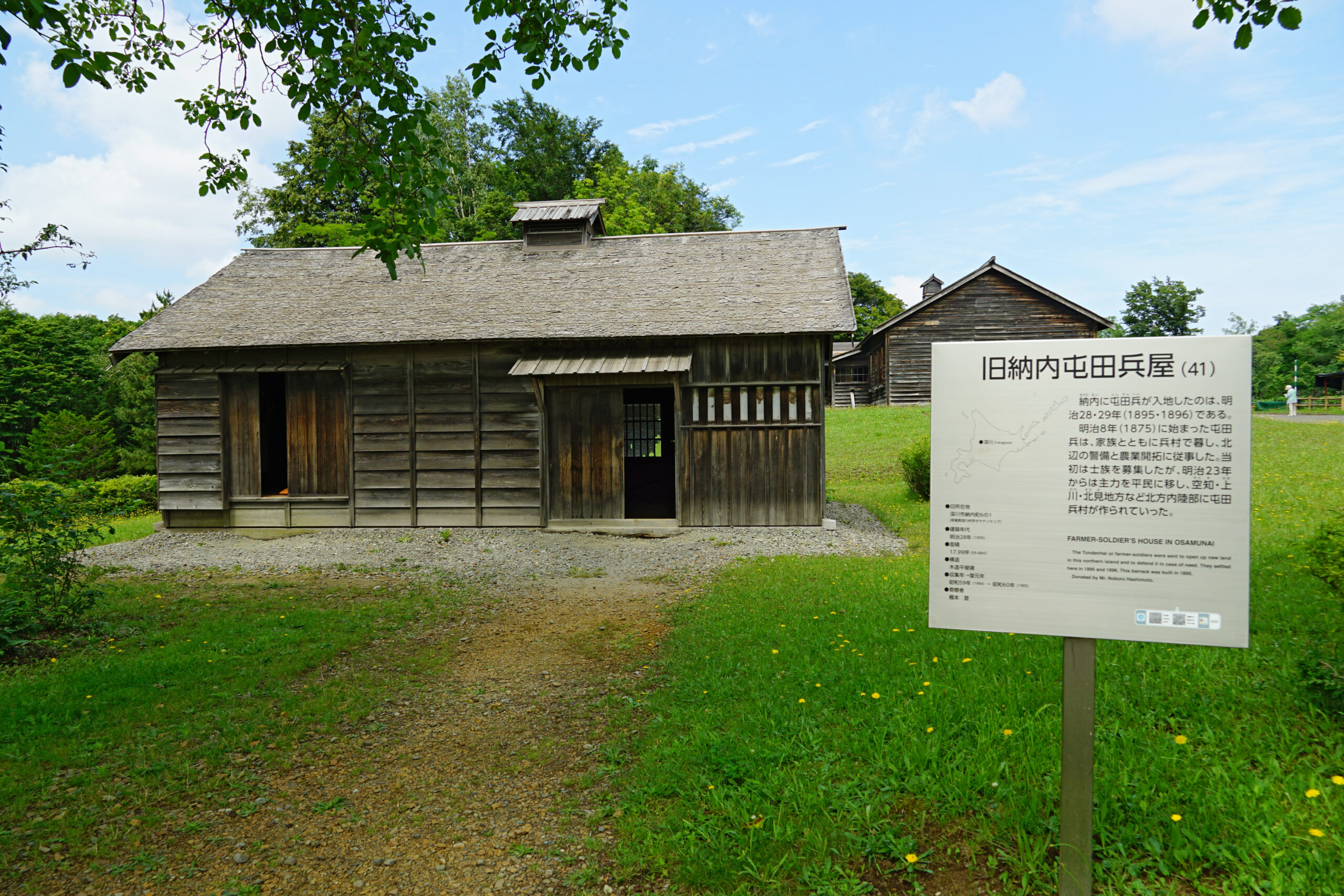
Mark a compact route on the museum's current map. If domestic architecture interests you, connect contrasting homes. If work is your focus, compare a town business with a farm or fishing structure. Leave a deliberate gap for a building that catches your attention on the way. The photographed farmer-soldier's house is one example of the rural architecture, recorded in July 2022.
Think about the return walk before heading to the farthest part of your chosen route. A path that seems like a small extra while you are fresh still has to fit the end of the day. If someone in your group wants a shorter visit, agree on a shared core and an optional extension. Do not use the tram as a guaranteed replacement for all walking; confirm its actual operation and where it serves.
Compare two visitors with similar interests but different pacing
In a November weekday account, WabiSabiJapan valued entering old rooms and the unusually quiet atmosphere on that particular visit. In a summer-trip diary published in October 2026, Shiki describes taking roughly 500 photographs and finishing with too little time and phone charge. Both connected the buildings with Golden Kamuy, but their accounts emphasize different practical limits.
The first suggests room to linger; the second shows how a strong interest can stretch a schedule. Neither establishes typical crowd levels or how long you personally need. Our recommendation is to choose a small set of priority interiors, charge your devices and keep one part of the site optional. Fans can follow an interest without turning every possible reference into a compulsory stop. These are two individual accounts, not a survey or a JAPANOVA visit.
Plan for an outdoor museum rather than a rain-proof day
Indoor rooms are the reason to slow down, but moving between buildings remains part of the outing. Check the day's weather, footwear and the museum's current notices before leaving central Sapporo. Bring what you need for the journey between stops rather than assuming every building will be open or comfortable for a long break. If steps or surfaces affect your party, ask about your particular route.
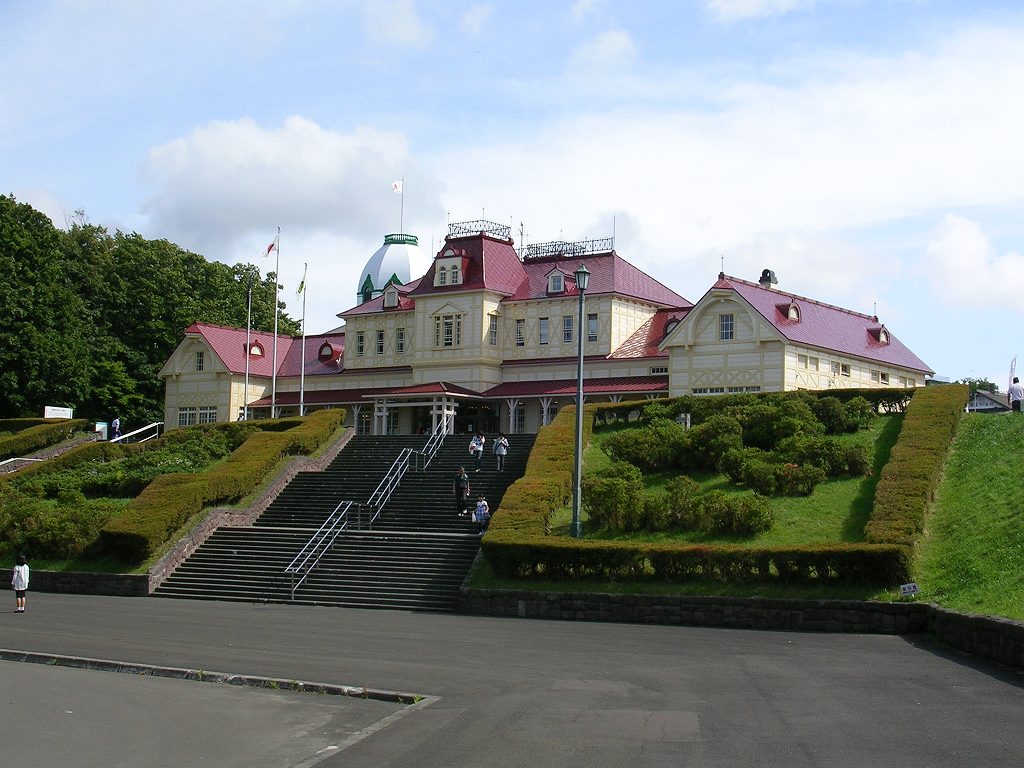
On a poor-weather day, shorten the outdoor circuit and protect the interiors you care about most. On a fine day, resist adding distant sections merely because the weather makes the first hour feel easy. The entrance photograph records July 2020, not present queues, seasonal decoration or access arrangements. A sunny historical picture is useful architectural context, but it cannot settle today's comfort or accessibility decision.
Keep interpretation broader than a nostalgic streetscape
The operator presents the settlement period and the experiences of people who migrated to Hokkaido. That is a particular historical lens. Do not mistake an attractive reconstructed street for a complete account of the island's history, or assume that all the buildings stand on their original sites. Look for the distinction between restored structures and replicas in the museum's explanations.
A useful question for a companion or guide is what a building reveals and what it leaves out. A wealthy residence and a working household do not represent identical lives. If a broader historical question matters to you, research a complementary museum separately and check its hours before adding it. This is more constructive than expecting every aspect of Hokkaido's past to be explained by an architecture-focused outing alone.
Price the actual outing before adding another attraction
Use the operator's current admission, opening calendar and access information when you choose the travel date. Build your spending plan from transport, admission and any food or optional ride you actually intend to buy. Do not transfer a blogger's old fare or timetable into today's budget. Check the return service as carefully as the outbound route, especially if another reservation follows.
For a first visit, make the museum your main outing and regard another attraction as an option that must earn its place. If time is running short, finish with the building you most wanted to see and return with a margin. A visit built around several meaningful interiors gives you a clear result even when weather, energy or transport makes the larger circuit impractical.
Research-based guide prepared by JAPANOVA. Traveler accounts are individual self-reports; comparisons are editorial analysis.
Facility and shop information
- Historical Village of Hokkaido — checked 2026-10-19