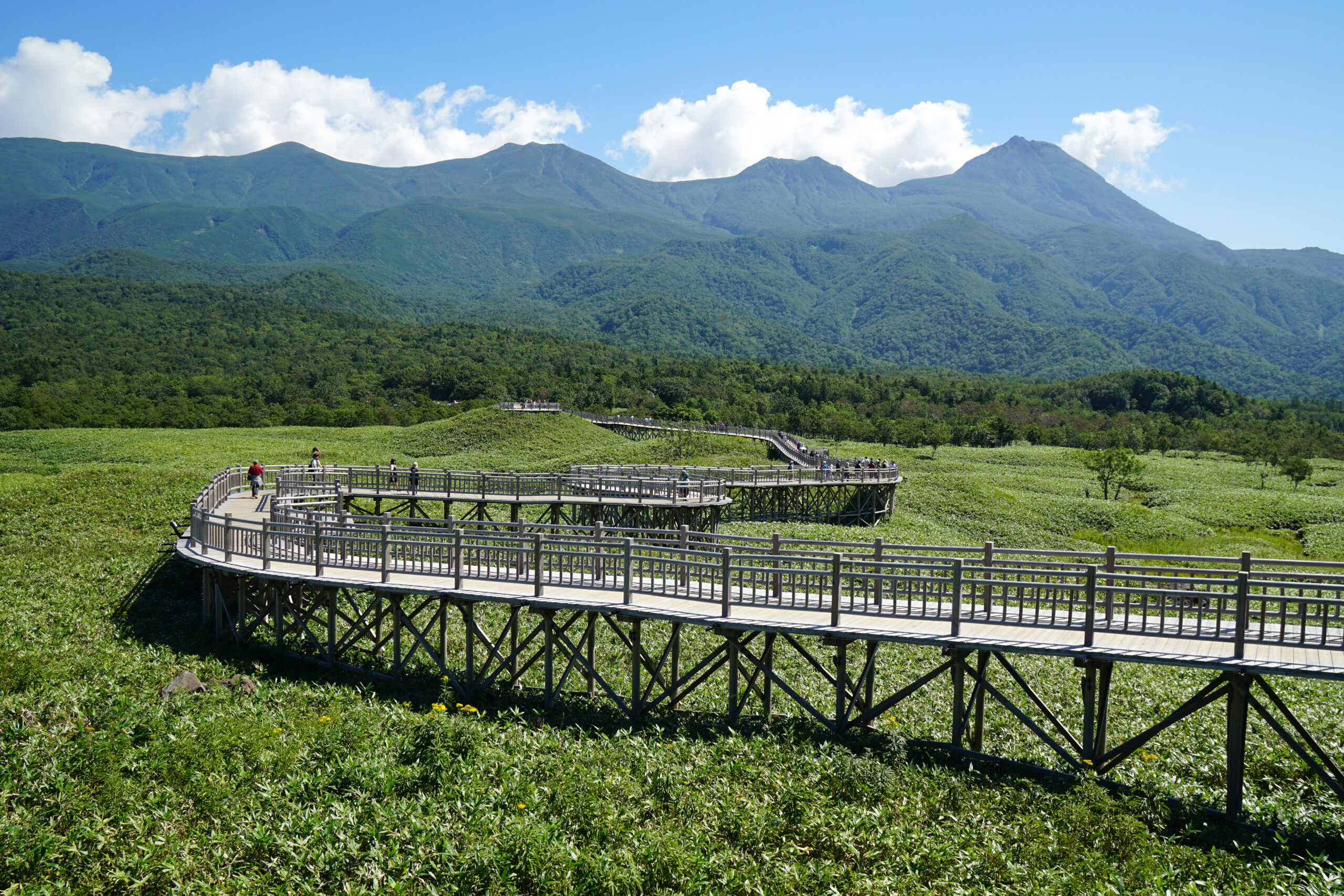
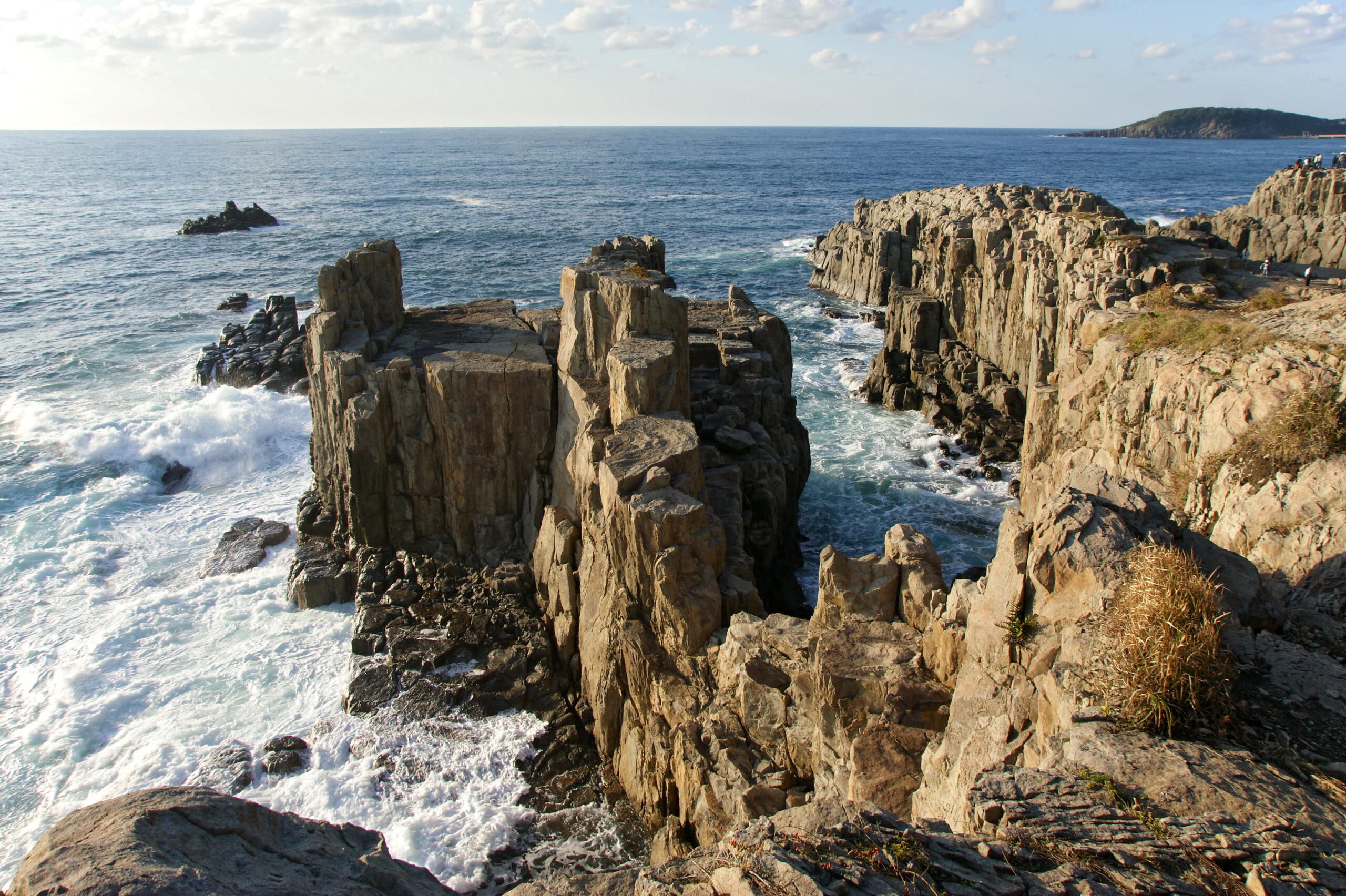
At Takachiho Gorge, a rowboat reservation and a walk along the gorge solve different problems. The boat gives you time at water level but also asks you to row and manage a limited slot. A walk offers another perspective without buying that experience. Decide which you want before fixing the rest of a rural travel day, and keep the day's access information separate from photographs of clear water.
Decide whether rowing is the reason for the journey
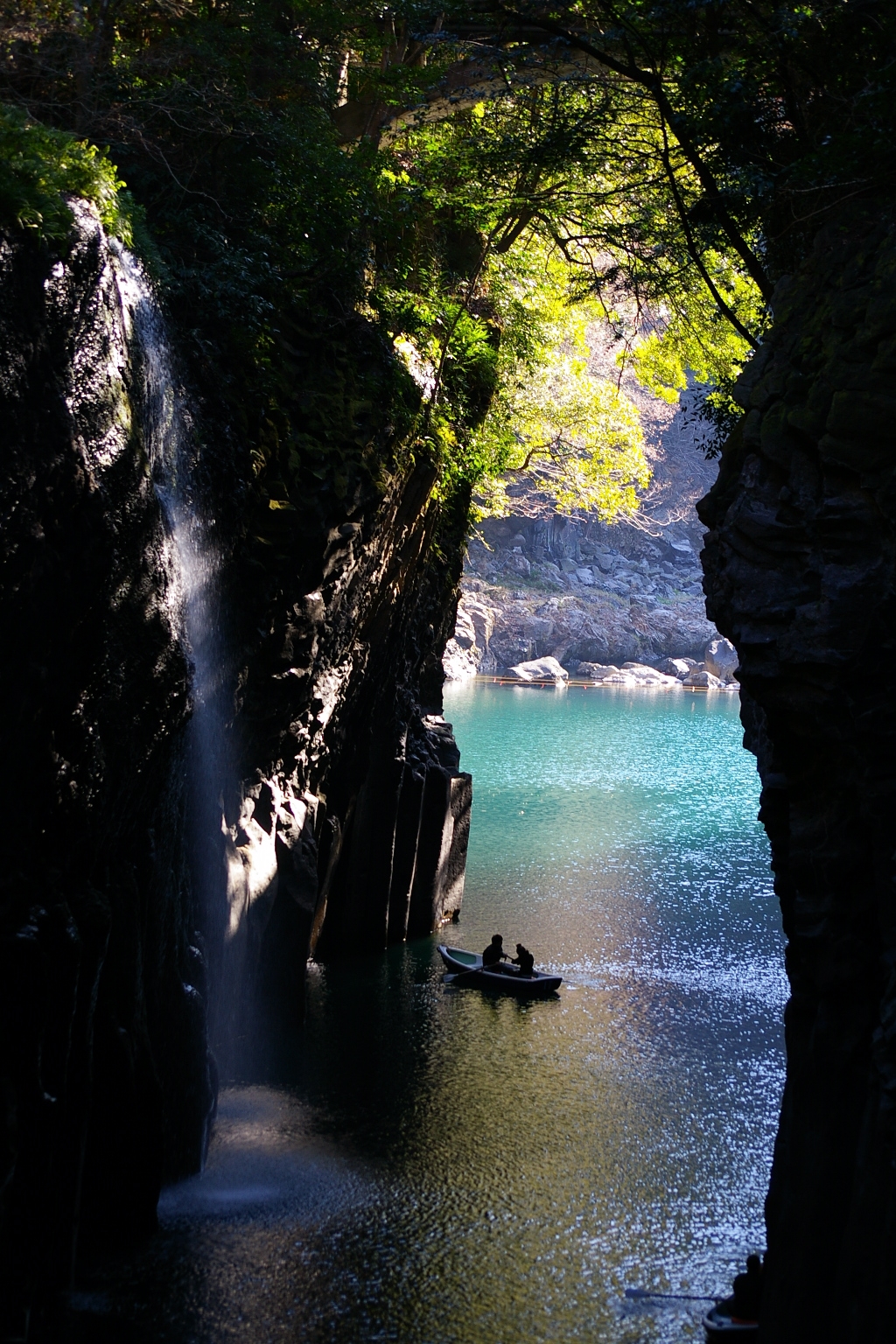
A boat is an activity as well as a viewpoint. You will need someone in your party willing and eligible to row, while other boats may share the narrow scene. If your ideal experience is standing still to look at cliffs and water, a walking plan may fit better than paying for a task you do not want. If the water-level perspective is the main attraction, make the booking decision early enough to shape the rest of the day.
The main photograph shows Manai Falls and the gorge in December 2005. It is historical landscape context, not a promise that today's water will be the same color or that the boat route is operating. The second photograph shows the gorge's rock walls in July 2010. Neither photograph should substitute for the operator's current status or the instructions given at the landing.
Read the current booking window and date calendar
The operator's guide, checked on October 19, 2026, accepts online reservations from 09:00 Japan time two weeks before boarding until 09:00 two days before. Telephone and email reservations are not offered. Same-day tickets depend on the date and reservation situation; some dates operate on a fully reserved basis. Use the current calendar instead of assuming that an early arrival will secure a boat.
The listed session is 30 minutes, with a normal capacity of three people per boat; a preschool-child exception can allow four. Fares are date-dependent, so look at your actual date and party rather than multiplying an old diary's number. Do not buy transport around an imagined boarding slot. First find out what can actually be booked, then decide whether its timing still leaves a reasonable outward and return journey.
Two completed trips show why the boat should stay optional
In an August 2025 account, マシュー describes finally securing a late slot after other choices disappeared, then struggling to steer at the start of the outing. The water looked different from the social-media scene that had inspired the trip, although the writer still valued the cliffs and eventual waterfall view. In an October 2026 account, 宮崎発たび日和 reports visiting by car in August 2025 and July 2026 but missing the boat on both trips because it was full, while still walking the gorge and visiting other places.
Both accounts make an assumed boat ride a poor foundation for a fixed itinerary. Their outcomes differ: one obtained a slot and had to manage rowing, while the other did not board. These self-reports are not a booking-success rate. JAPANOVA's inference is to choose a worthwhile walking plan first, then add the boat when availability and your own preferences justify it. A famous photograph is not a guarantee about water color or ease of steering.
Build a walking plan from current access notices
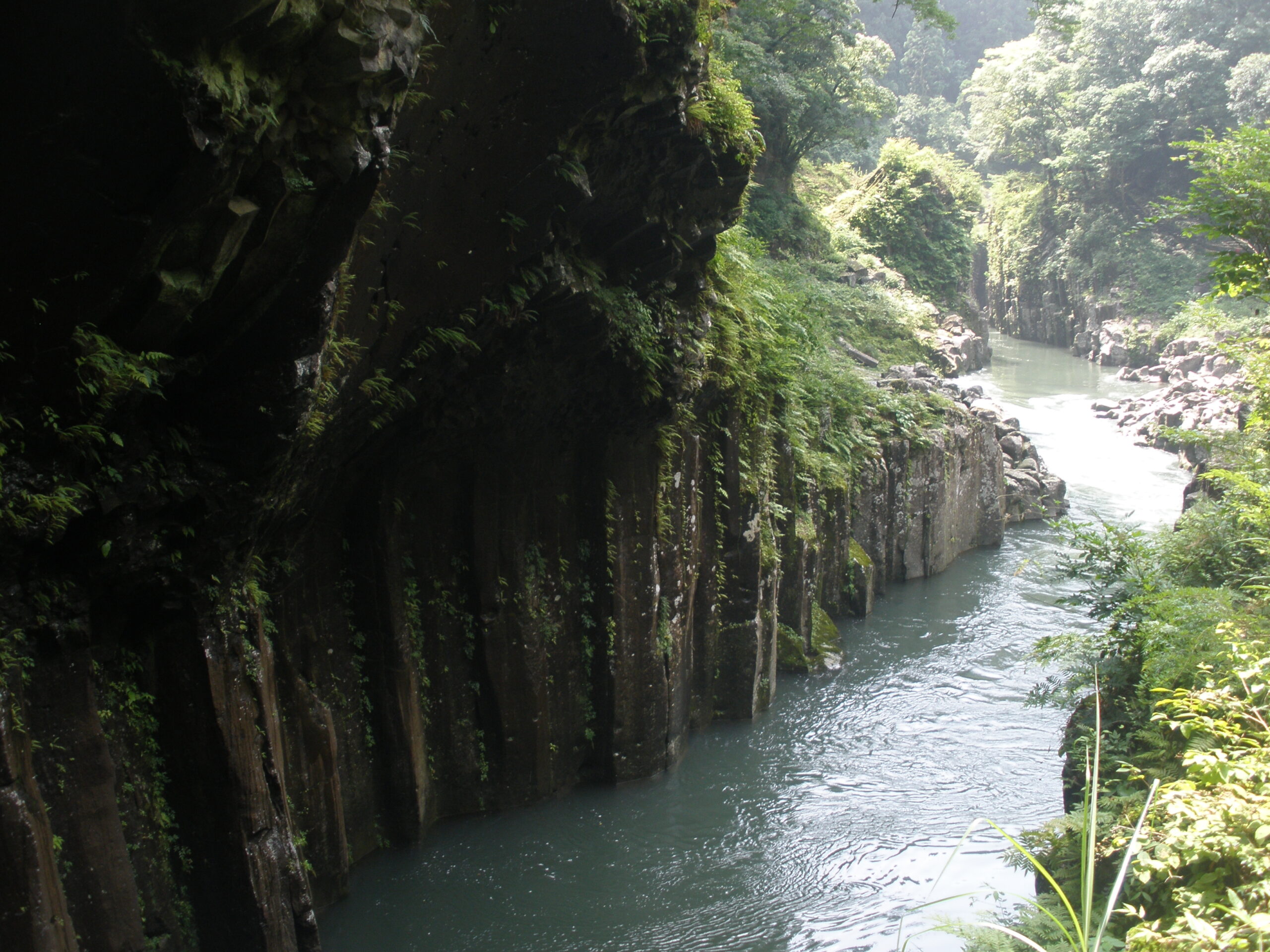
A July 30, 2026 tourism-association notice announced reopening of the gorge and its walking path from 08:00 on July 31 after an earthquake-related closure. The same notice warns that aftershocks could change that position. Treat it as a dated reopening announcement, not permanent assurance that every path will remain available on your travel date. Check current notices and obey barriers even if an old route map shows a connection.
For a walking-focused visit, choose an accessible viewpoint and a turnaround that fit your party. A short gorge walk can still involve getting down from, and back to, your arrival point. Do not assume a canceled boat means the path is closed, or an open path means boats are operating. They are separate decisions. Keep enough time for the return climb or road connection rather than using all your energy reaching a photograph.
Give arrival and boarding their own time
The official boat guide says there is no boat-exclusive parking and parking cannot be reserved. A reserved boat does not therefore mean a reserved parking space next to reception. Identify the actual arrival point and allow time to reach the correct desk before the slot. If you come by bus or with a tour, check what transport is included and how you will return from the gorge.
Do not interpret the 30-minute session as the full duration of the stop. Ticket procedures, moving to the landing and returning to your onward transport are separate. Confirm the operator's rules for bags and the designated rower before setting out, and follow staff instructions. Avoid stacking another timed activity immediately afterward simply because two attractions appear near one another on a small regional map.
Spend on the part of the day you actually want
Choose the boat when you want the water-level experience, have a workable reservation and are comfortable with the activity. Choose the walk when scenery from the path is enough or a boat would make the travel day awkward. If the boat is essential and no suitable slot exists, reconsider the date before buying more transport. If it is optional, give the walk a clear purpose rather than treating the whole visit as a failed booking.
Before departure, save the current operation page, path notices and return plan. High water or inspections can interrupt boating, while weather and access changes can affect the wider visit. Have a plan you would still enjoy if the boat does not run, and let the people managing the site decide the day's access. That protects both your spending and the reason you came: time to appreciate the gorge.
Research-based guide prepared by JAPANOVA. Traveler accounts are individual self-reports; comparisons are editorial analysis.