- Choose the performance before filling the day
- Daytime offers more choices; evening changes the performers
- Know how small-party admission works
- Two daytime visitors describe participation differently
- The museum needs its own time window
- Plan your exit and keep photography unobtrusive
- Facility and shop information
Choose the performance before filling the day
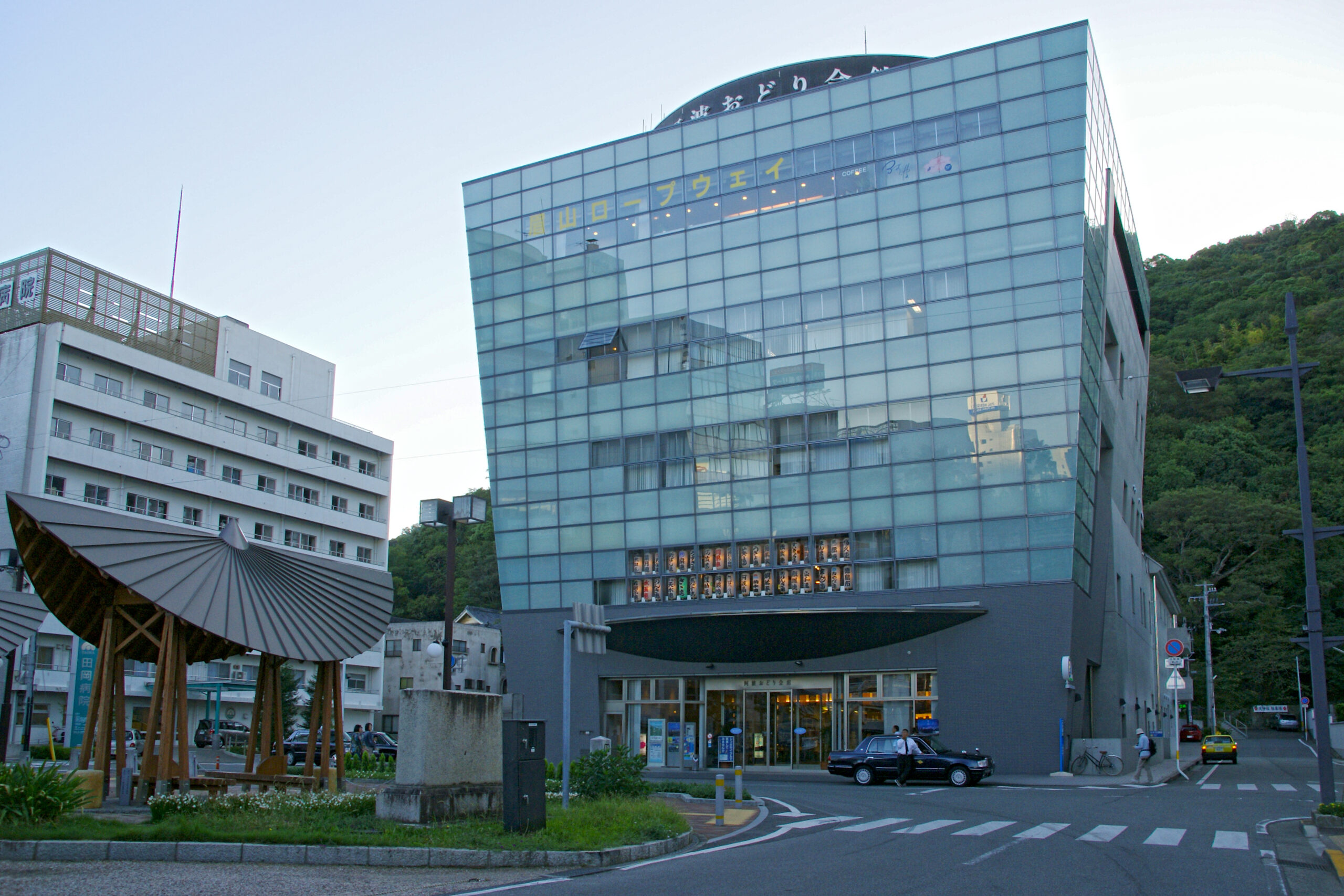
An Awa Odori performance can give a Tokushima stop a clear focus. At Awa Odori Kaikan, daytime and evening shows differ in their performers, duration and price. The right choice depends on whether the show fits between journeys or is the reason you are keeping the evening in the city.
If you are leaving Tokushima later that day, start with the departure you cannot miss and work backward. If you are staying overnight, the evening show becomes an option without requiring you to chase an onward connection immediately afterward. Choose the performance first, then decide how much museum time or other sightseeing belongs around it.
This is a comparison of the Kaikan's normal indoor performances. It is not a guide to seats at the summer street festival, and a regular-show timetable should not be assumed to apply to a special event.
Daytime offers more choices; evening changes the performers
The venue lists daytime shows at 11 a.m., 2 p.m., 3 p.m. and 4 p.m., each lasting 40 minutes, performed by its resident group Awa no Kaze. The normal evening show starts at 8 p.m. and lasts 50 minutes, with a different well-known dance group appearing according to the published schedule. Listed adult admission is ¥1,300 during the day and ¥1,600 at night.
The ¥300 difference should not be the only deciding factor. Staying until evening can also affect dinner, accommodation or onward travel. Conversely, a daytime show may work better if you would rather keep the evening free. The longer performance is not automatically the better purchase for every visitor.
Check the evening calendar for the date you intend to attend if a particular group matters to you. The venue warns that performers can change. Avoid treating a group name in an old trip report as a promise about your visit, or assuming that a more expensive ticket means a different seat category.
For a short stop, choose one useful performance and protect the time around it. Adding both daytime and evening shows makes sense only if seeing the different performers is a real interest, rather than a way to fill a long gap.
Know how small-party admission works
The official FAQ says reservations are accepted for groups of at least 20; individuals and smaller parties should come for the performance they want. That is not a guarantee that a particular seat will be waiting. Leave time to purchase admission and follow the venue's instructions instead of arriving at the advertised starting minute.
Both daytime and evening performances include an audience participation segment. You do not need to buy an evening ticket simply to have that opportunity. Whether you are keen to join in or mainly want to watch, follow staff directions about when to stand and move.
The venue says visitors can enter and watch the performance in their wheelchairs, with staff guidance. If an access arrangement is essential, discuss it with the venue before building your day around one show. A general access description cannot confirm the arrangement for a particular group or date.
Two daytime visitors describe participation differently
In a June 2026 blog post, nyanko001 describes attending a 2 p.m. holiday performance after visiting the museum. The writer was impressed by the dancers and live musicians, then enjoyed learning movements and joining the audience dance. Their emphasis is on the energy of the performance and the opportunity to participate.
In an October 2026 note post, Sachiko describes attending the 11 a.m. show, choosing a front seat and trying the participation segment. She found the hand shapes and rhythm harder than expected. Afterward she continued with interactive activities in the museum before heading toward the airport by bus.
Both accounts support treating participation as part of the outing, but they show different reactions: enthusiasm about joining in and enjoyment despite finding the movements challenging. Neither is a firsthand comparison of daytime and evening shows. They do not prove that one time has better seats, smaller crowds or a more satisfying performance.
For planning, the useful difference is the museum order. One visitor went before the show; the other continued afterward. Choose the order that protects your performance time and your departure, rather than copying either traveler's whole day.
The museum needs its own time window
The museum is listed as open from 9 a.m. to 5 p.m., with last admission at 4:45 p.m. Adult admission is listed separately at ¥500. An 8 p.m. performance therefore does not give you a museum visit afterward. If you want both, allow for the museum earlier in the day.
Before buying, ask which ticket or current combination fits the facilities you actually intend to use. This guide compares the listed individual charges and does not assume that a show ticket includes the museum or ropeway. A combined product is useful only if its conditions and opening hours fit your plans.
Normal closure information includes the second Wednesday of February, June, September and December, shifted when it is a holiday, plus December 28 through January 1. Check current notices for exceptions and special programs. Do not read the venue's year-round appeal as a promise of unchanged daily operations.
Plan your exit and keep photography unobtrusive
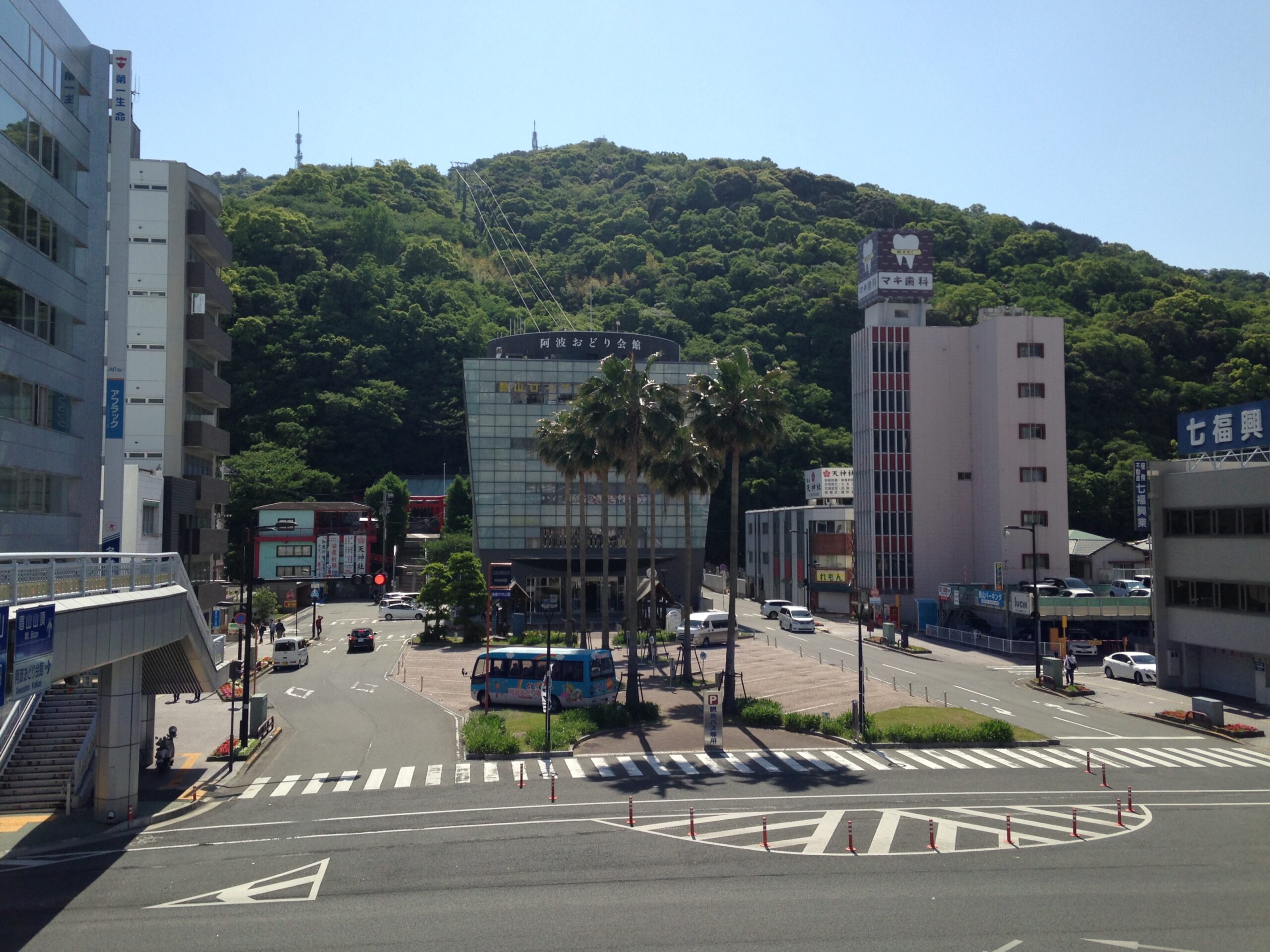
A normal 8 p.m. show of 50 minutes would finish around 8:50 p.m. before allowing for leaving the hall. That arithmetic is a planning starting point, not a guaranteed release time. Add the actual journey to your hotel, station or bus stop, and check any onward departure separately.
For an airport day, count backward from the required airport arrival time, then include transport, baggage collection and the walk out of the venue. A traveler's successful airport connection does not establish that the same sequence works with your flight.
The venue's viewing rules prohibit flash photography and discourage tripods, monopods and selfie sticks during performances. They also ask visitors not to hold seats with belongings or equipment, and prohibit eating and drinking. Keep your attention on the show and follow instructions rather than making photography the organizing principle of your seat choice.
For a first visit, our suggestion is one show with enough time to arrive calmly, and the museum only if it adds something you want. Keep the evening option for a date when its performers and timing suit your plans. Recheck the current program before setting out; neither a past visitor's experience nor a normal timetable guarantees your admission or connection.
Research-based guide prepared by JAPANOVA. Traveler accounts are individual self-reports; comparisons are editorial analysis.
Facility and shop information
- Awa Odori Kaikan — checked 2026-10-21
- Awa Odori Kaikan — checked 2026-10-21
- Awa Odori Kaikan — checked 2026-10-26
- Awa Odori Kaikan — checked 2026-10-21