Decide what the second day is for
Two days in Matsue can give you a castle-and-canal day followed by a quieter visit centered on literary history and the streets around the castle. That division is a suggestion, not a minimum stay. If the castle is your only strong interest, compare a shorter visit with the cost of an extra hotel night before committing.
Start by choosing the experience you want to protect: entering the castle tower, taking the Horikawa sightseeing boat, or spending time at the Lafcadio Hearn Memorial Museum. Then fit the others around your arrival and departure. An evening arrival followed by a morning departure will not give you two full sightseeing days, even if your booking covers two calendar dates.
This plan stays focused on Matsue rather than automatically inserting an Izumo excursion. A second destination needs its own transport and sightseeing allowance. Keep it separate until you know that your Matsue priorities fit comfortably.
Day one: distinguish the castle grounds from the tower
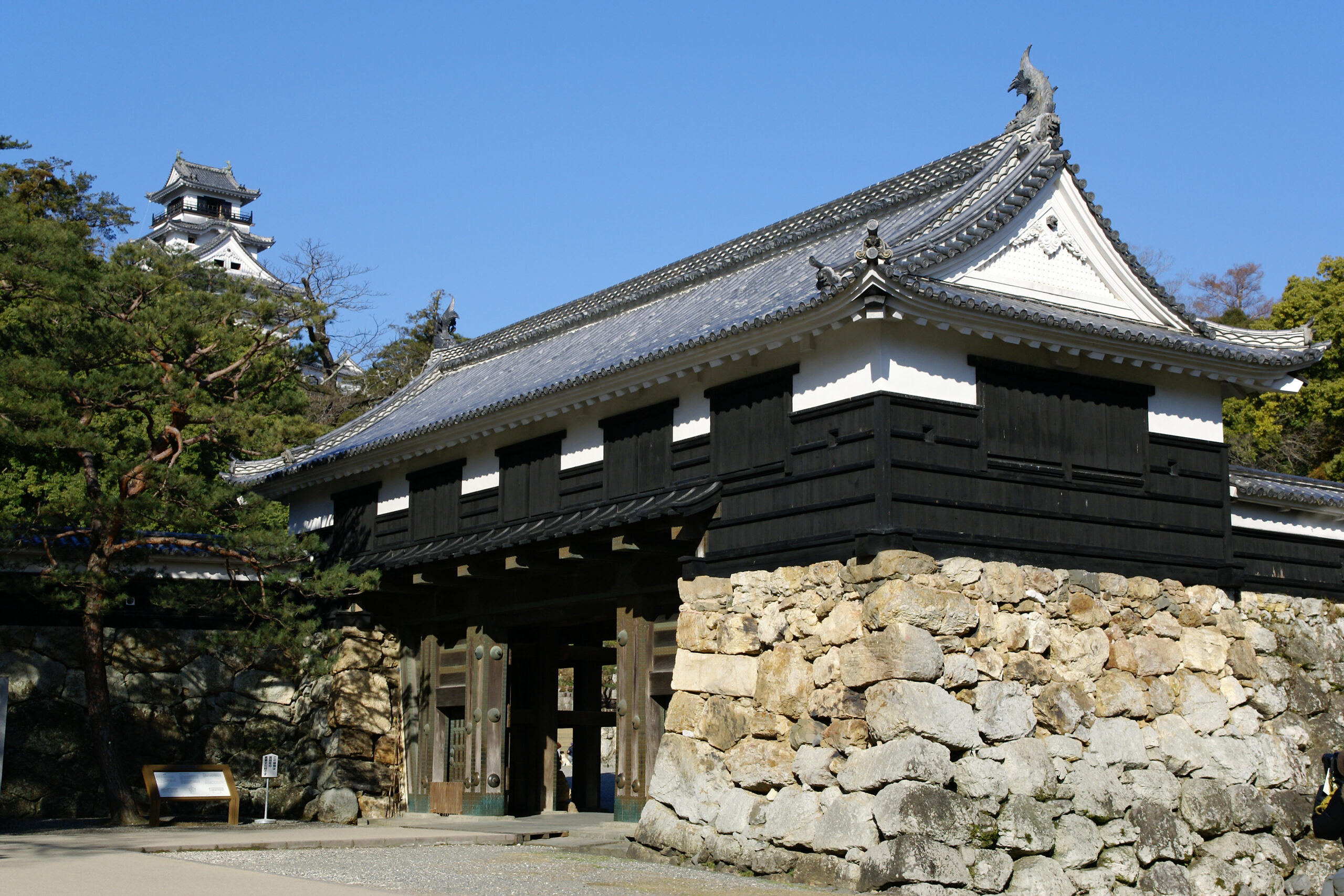
Begin with Matsue Castle if entering the tower is a priority. At our October 21, 2026 check, the official guide listed tower admission from 8:30 a.m. to 6 p.m. in April through September, with the last entry at 5:30 p.m. From October through March, closing is 5 p.m. and last entry is 4:30 p.m. Event arrangements can change these hours.
The tower's ordinary adult admission is now 1,200 yen, following the July 1, 2026 revision. Elementary and junior-high school children enter free. The honmaru grounds have separate opening hours and free entry; walking there does not mean that you have visited the tower interior. Visitors remove their shoes to enter the tower.
Choose the paid visit because you want to see inside, rather than because an itinerary treats it as compulsory. If your group has access requirements, check those directly before buying. Allow time for the approach, admission and a break instead of treating the final-entry time as your target arrival. Put lunch between substantial visits rather than expecting to eat during the boat ride.
Leave room for the canal boat and its boarding rules
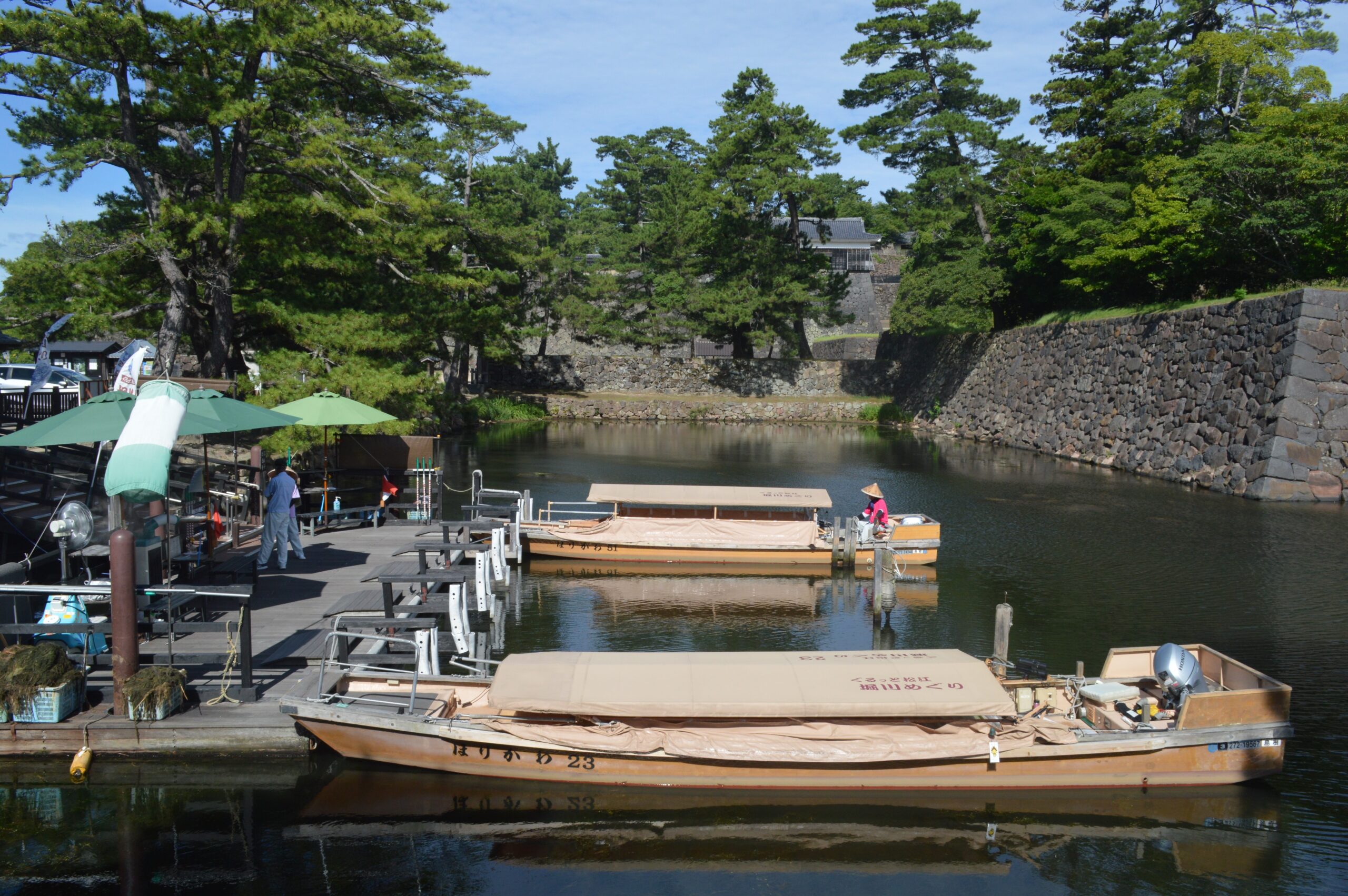
The Horikawa operator describes the usual circuit as about 50 minutes, returning to the departure point. That is time on the sightseeing route, not a complete allowance for reaching the landing, buying a ticket and waiting. Its FAQ says small parties do not need a reservation; that does not guarantee immediate boarding.
The current Japanese timetable lists a 9 a.m. start, a final departure at 5 p.m. from March through September, and 4 p.m. from October through February. An ordinary adult one-day ticket is 2,000 yen. Repeat boarding is permitted that day, with possible waits. These current figures differ from the older English page, so check the linked Japanese table when planning.
Choose a landing deliberately. Fureai Hiroba departures are listed at intervals of 20 to 30 minutes, and Otemae Hiroba at 15 to 20 minutes. Karakoro Hiroba has no scheduled departures of its own: passengers can board passing boats when space is available. Do not build a tight onward connection around boarding there immediately.
Ticket reception ends before the service closes: ten minutes beforehand, or twenty at Karakoro. The operator also requires passengers to be in the waiting area five minutes before departure after purchasing tickets. Arriving at the published final departure time is too late for these steps.
On the usual route, the roof lowers beneath four bridges. Ask the operator about the movement and boarding arrangements if bending or getting into a small boat may be difficult. The separately advertised 30-minute route without roof lowering is a reserved group service, not a standard alternative for a couple arriving without a booking. Food is generally prohibited aboard; the FAQ allows drinks in containers with lids.
Day two: give literary history a real place in the plan
Make the Lafcadio Hearn Memorial Museum the second day's anchor if the subject interests you. At our check, ordinary adult admission was 600 yen, or 800 yen for the combined museum-and-former-residence ticket. Those are different visits, so compare what you actually want to enter before choosing a combined product.
The museum lists 9 a.m. to 6 p.m. opening from April through September, and 9 a.m. to 5 p.m. from October through March. Admission ends thirty minutes before closing. Although it ordinarily opens throughout the year, maintenance closures occur on several days, so check the notices for your date.
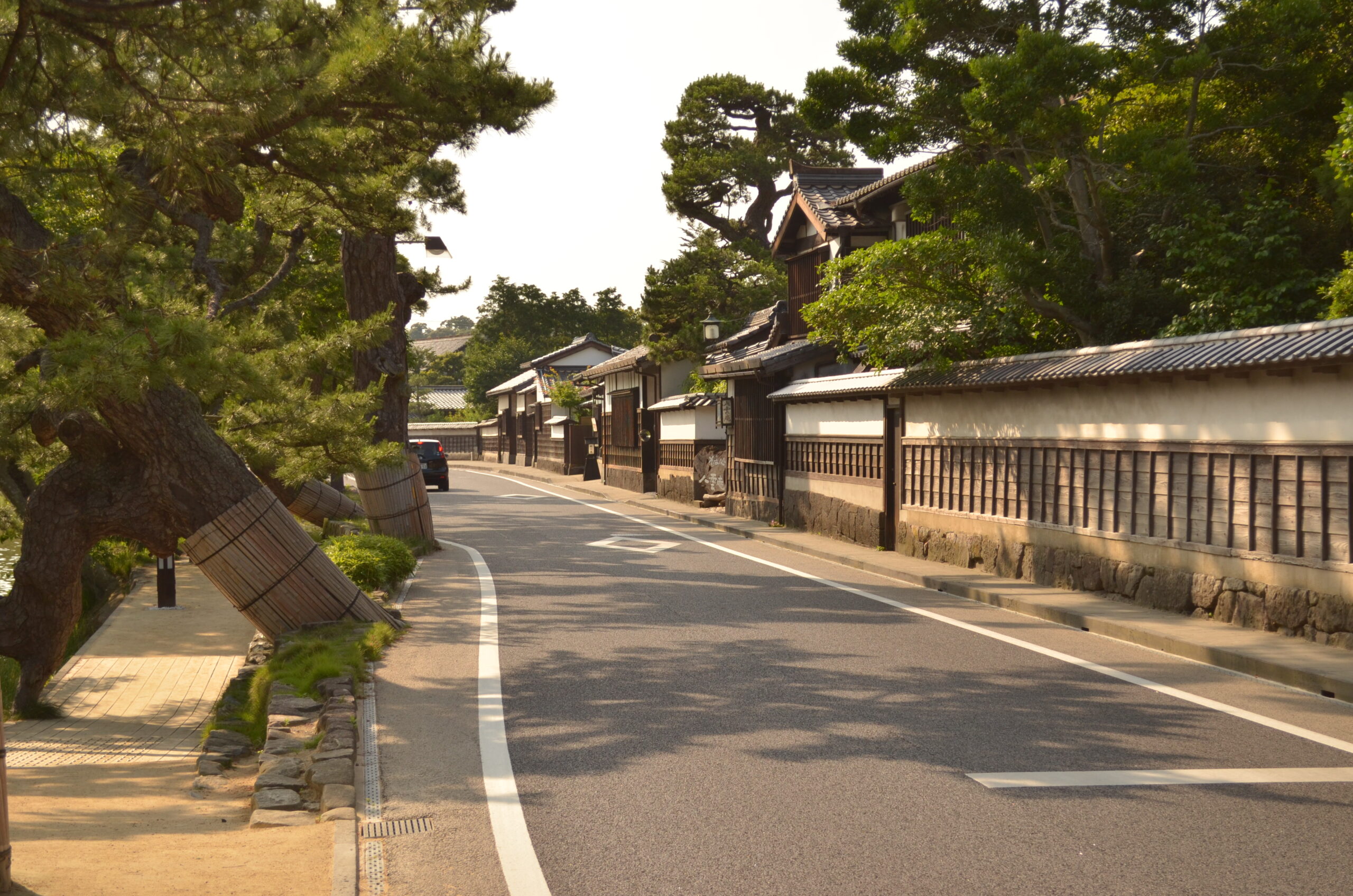
Leave the remaining time for a walk around Shiomi Nawate, a meal and your departure arrangements. Do not turn an interest-led museum visit into a rushed stop simply to fill a checklist. If literary history has little appeal, reconsider the second day before booking accommodation; a shorter Matsue stay may serve you better.
If you want both the castle and museum, distribute them across the available opening hours rather than insisting on this exact order. A late first-day arrival may make the museum or a walk more sensible first. Keep your final day within easy reach of your luggage and the station you will actually use.
Why travelers disagree about how long to stay
One independent solo traveler described four relaxed days based in Matsue, with history, literature and art among their main interests. Their visits included the Hearn museum and repeated walks along Shiomi Nawate, as well as a seasonal lantern festival. They felt they could have stayed much longer. That experience supports leaving time for depth when those interests match yours; it does not establish a current festival timetable.
A separate traveler reporting a March 2026 Shimane trip built their Matsue day around a specific mascot greeting. They visited the castle and art museum but then felt they had exhausted the things they personally wanted to do and continued to Tamatsukuri Onsen. Their reaction is not evidence that Matsue has too little to offer. It shows why adding days without a clear interest can feel unnecessary.
The practical lesson is to name your second-day purpose before paying for it. Neither account sets a universal visit length, and neither supplies current attraction prices. Use present-day operator information for the details, and use traveler experiences to test whether your proposed pace matches your interests.
If you want help interpreting the castle town, a private guided outing can replace part of the independent first day. The Viator listing checked for this article offers about four hours with a licensed English-speaking local guide and a choice of two or three sites. Matsue Castle, the castle town and a Horikawa boat landing appear among the options; confirm the actual route rather than assuming that every listed place is included. Meeting the guide is on foot within the designated Matsue area, and private transportation and personal expenses are not included. The listed attraction stops show admission as extra, so budget separately for any castle entry or boat ride you agree to take. Ask about other transport costs and your access needs before booking. This is not a combined castle-and-cruise ticket or a guarantee of immediate boarding. It also does not establish a visit to the Hearn museum. Independent visits give you more freedom to linger; a guide may suit travelers who value explanation and help coordinating a smaller selection of stops.
Research-based guide prepared by JAPANOVA. Traveler accounts are individual self-reports; comparisons are editorial analysis.
Facility and shop information
- Matsue Castle — checked 2026-10-20
- Horikawa Sightseeing Boat — checked 2026-10-20
- Horikawa Sightseeing Boat — checked 2026-10-20
- Lafcadio Hearn Memorial Museum — checked 2026-10-20